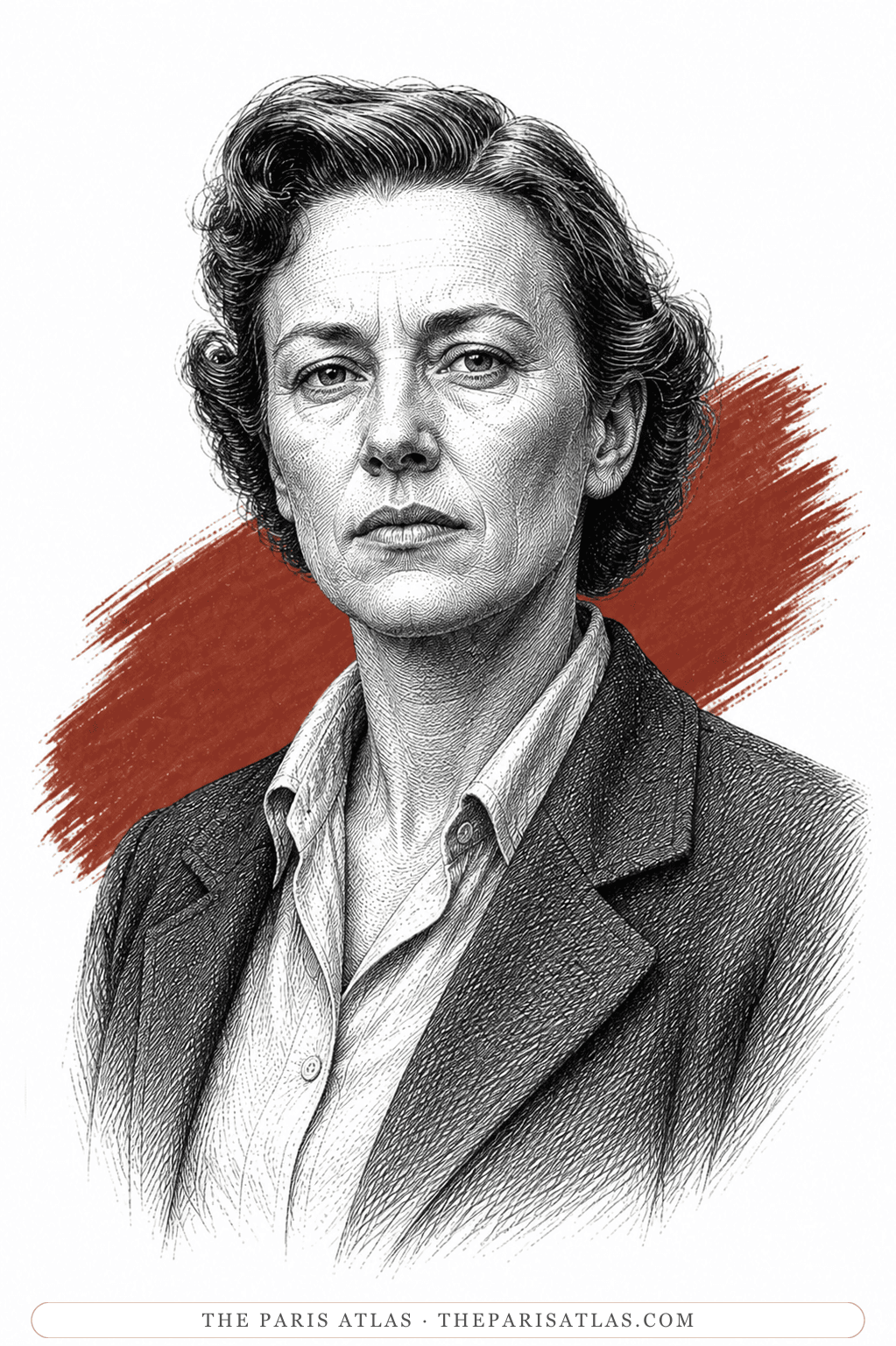
Mary O’Hare
Bernard’s wife, whose objection to glamorous war stories changes Vonnegut’s plan for the book.
To prevent the men’s suffering from being converted into entertainment that makes future wars attractive.
The book

At a glance
- Bernard V. O’Hare
- Challenges romanticized war
- Inspires the subtitle
Who they are in the book
Spoiler-freeMary initially resents Vonnegut’s visit because she believes he will portray boys at war as impressive grown men, helping another generation imagine combat as exciting.
Vonnegut takes the criticism seriously and promises the book will not glorify war. Its subtitle, The Children’s Crusade, honors that promise.
How Mary O’Hare Is Portrayed
- Adult postwar womanShe appears as a morally serious civilian.
- Direct steady gazeHer anger is informed and specific.
- Practical clothingThe portrait avoids decorative domesticity.
- Firm postureShe is willing to challenge the visitor.
- Close engraved bustNo kitchen or family scene appears.
- Brick-orange accentA strong warm tone matches her directness.
Mary’s warning shapes the antiheroic book Vonnegut finally writes; she does not enter Billy’s plot.
If you like Slaughterhouse-Five


If you like Kurt Vonnegut
Explore authors with a similar voice, perspective, and influence.
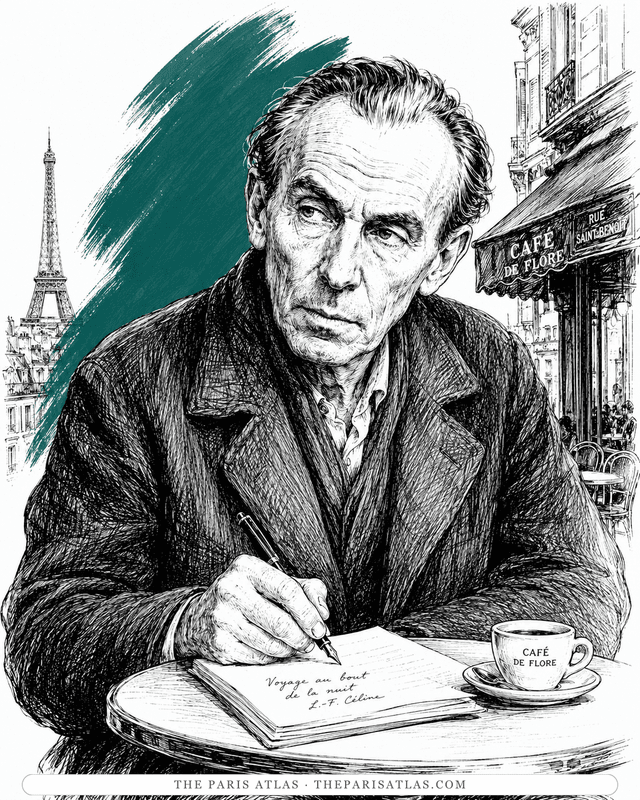
Louis-Ferdinand Céline
The doctor of the Paris slums who wrote the century's blackest, funniest novel — and changed the sound of French prose.
View author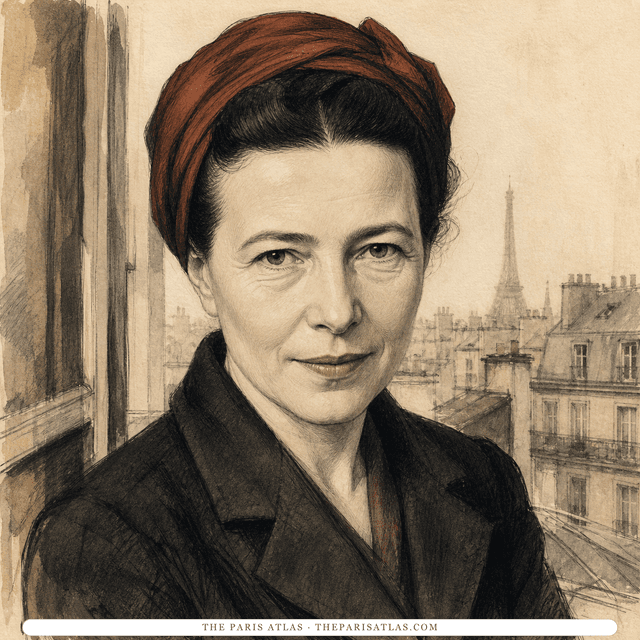
Simone de Beauvoir
French writer and philosopher whose novels, memoirs, and social analysis examined freedom, gender, responsibility, aging, and the material conditions that shape a life.
View author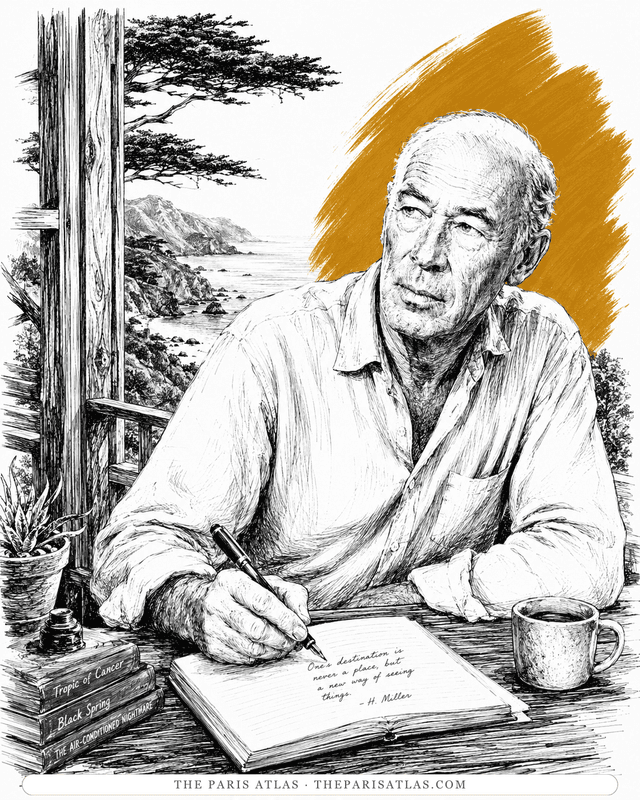
Henry Miller
The Brooklyn dropout who arrived in Paris broke at thirty-eight and wrote the exuberant, banned books that ended American censorship.
View author