

The Death of Ivan Ilyich
by Leo Tolstoy
A dying judge discovers that the respectable life he built may have been the wrong one.
- 1886
- Spare
- Melancholy
- spare
- dark
- funny
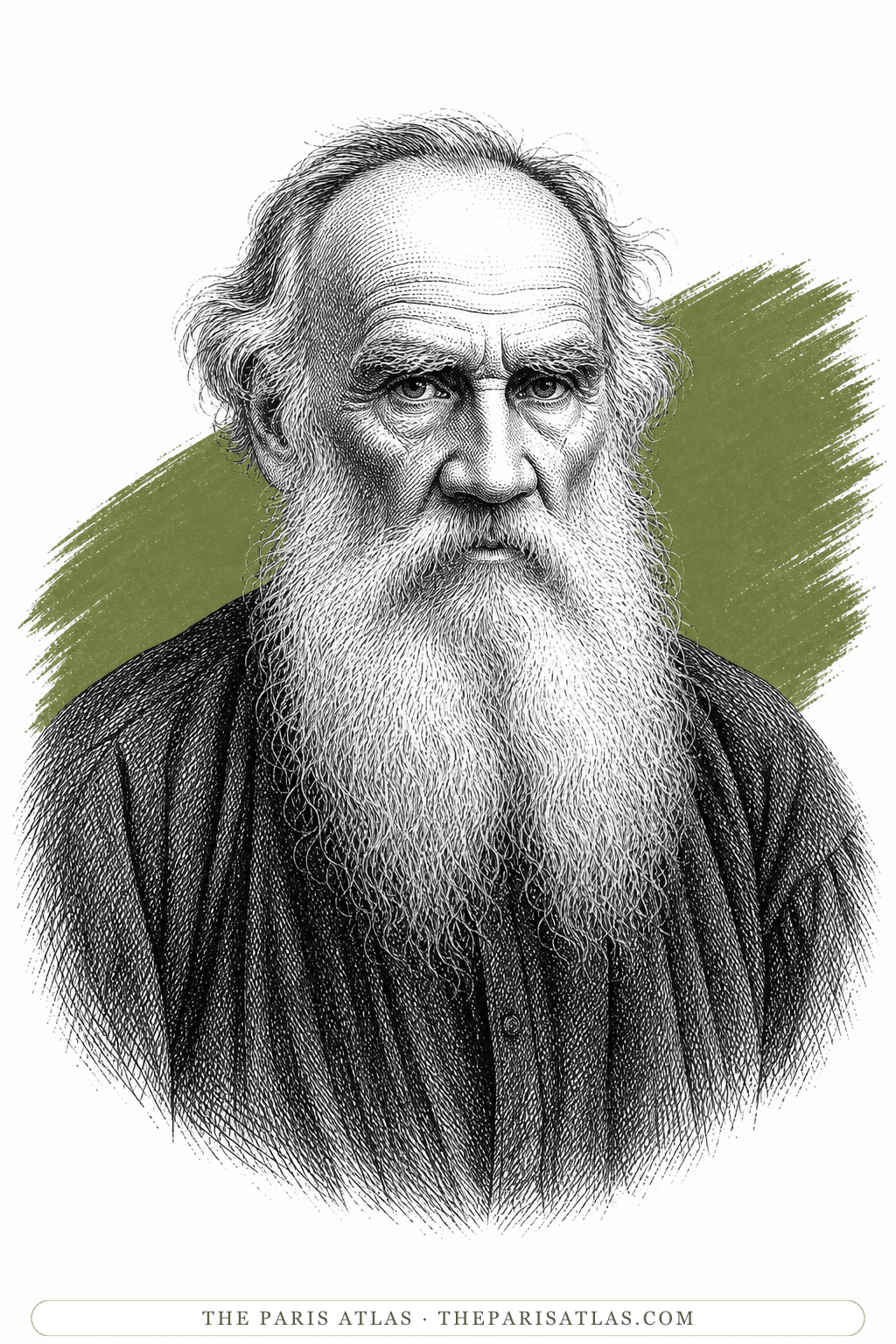
About Leo Tolstoy
The story, briefly
Spoiler-freeIvan Ilyich has built the respectable legal career, proper house, and socially approved family life expected of a successful man. A terminal illness strips away that confidence and forces him to ask whether a correct-looking life can still be false.
The story, in more detail
Ivan Ilyich has built the kind of life his society calls successful. He has a respectable legal career, a proper house, a marriage that functions when domestic life does not become too demanding, and friends who understand advancement, cards, and professional etiquette.[1]
Then Ivan becomes ill. The doctors use complicated language without giving him the answer he wants: is he dying? His pain grows, work loses its meaning, and the people around him become uncomfortable with the fact that death is happening in the room.[1]
Tolstoy’s novella is terrifying because almost nothing in it is exotic. Ivan’s mistake is not spectacular evil. He has lived according to values shared by nearly everyone around him, and death forces him to ask whether social approval can hide a morally empty life.[1]
The full plot
The novella opens after Ivan has died. His colleagues hear the news and immediately think about promotions, vacancies, and the inconvenience of attending the funeral. Pyotr Ivanovich pays his respects while still measuring the demands of etiquette against his evening card game.[1]
The narrative then returns to Ivan’s earlier life. He is intelligent, conventional, professionally ambitious, and pleased by whatever important people consider proper. He marries Praskovya Fyodorovna because the match seems pleasant and appropriate, but retreats into work and social routine when family life becomes difficult.[1]
Ivan advances in the legal system and takes particular pride in arranging a stylish new home. While supervising the decoration, he falls from a ladder or makes an awkward movement and injures his side. The incident initially seems trivial, but pain develops and gradually begins to dominate his days.[1]
Doctors examine Ivan and debate possible diagnoses in technical language. Their manner resembles the judicial procedure he once used on other people: the professional question matters more than the frightened person waiting for an answer. Ivan understands that the only question important to him—whether he is dying—is the one they avoid.[1]
As pain and weakness increase, Ivan becomes isolated. Praskovya experiences his illness through resentment, expense, and practical anxiety; colleagues behave as though work should continue; and visitors perform sympathy while avoiding his terror. Ivan, in turn, grows demanding and furious because he knows they are pretending.[1]
Only Gerasim, a young servant, treats the situation honestly. He holds Ivan’s legs to relieve the pain, accepts that everyone will die, and serves without disgust. Ivan begins reviewing his life and resisting the thought that the polite, successful choices he made may have carried him steadily away from genuine feeling.[1]
How it ends — spoilers ahead
Ivan’s final days become a struggle against physical pain and the terrifying possibility that his whole life has been false. He feels as though he is being forced into a dark sack, unable either to escape death or admit what his life has lacked.
When his son comes close and weeps, Ivan’s attention shifts. Instead of demanding relief for himself, he feels pity for the boy and for Praskovya. He recognizes that his fear and anger are adding to their suffering and tries to ask forgiveness and release them.
At that moment, death stops appearing as the horror he has fought. Ivan experiences light and a form of moral or spiritual release: there is no death for him, only an end to fear. He dies physically, but Tolstoy presents the final instant as liberation from the self-protective life that made dying unbearable.
Themes and analysis
Mortality
Death destroys the social fiction that Ivan’s career, possessions, and correct manners can protect him. Everyone knows death exists in general, but Ivan’s illness makes it particular, immediate, and impossible to assign to someone else.
In chapter VI, Ivan recalls a logic exercise proving that a man called Caius must die. He accepts the conclusion for that imagined person, then answers it with memories of his own childhood: a leather ball, his mother's dress, the familiar life of little Vanya. These details do not refute the argument. They show why knowing a general rule has not prepared him to experience it. His return to courtroom routines fails for the same reason: performing the old role cannot make his approaching death impersonal.
The false life
Ivan has not been wicked in a melodramatic sense. He has mistaken social approval for moral truth. Tolstoy’s criticism is disturbing because Ivan’s choices look normal, successful, and even sensible until illness reveals how little intimacy or compassion they created.
Medicine and denial
The doctors reproduce the distancing behavior Ivan practiced as a judge. They classify symptoms and compete over diagnoses while the patient wants someone to answer his fear directly. Professional expertise becomes another way to avoid a human conversation.
Compassion
Gerasim’s simple willingness to acknowledge suffering becomes morally superior to professional sophistication. He does not claim that Ivan will recover or act embarrassed by the body’s needs. Honest physical care gives Ivan the only relief that also feels like companionship.
The sequence of Gerasim's care in chapter VII matters as much as his kindness. Ivan first apologizes for needing help, then asks for another adjustment, a higher support, and more time together. Gerasim lets those needs be spoken instead of treating them as an embarrassment. His recognition that everyone dies leads him to imagine needing such help himself. Where Ivan uses his unique memories to resist the fate shared by others, Gerasim makes that shared fate a reason to stay. The contrast turns an abstract truth into a practical obligation.
Family
Ivan’s marriage is shaped by mutual resentment, and Tolstoy often filters Praskovya through Ivan’s hostility. His final compassion toward her and their son matters because he stops seeing them only as failed providers of comfort and recognizes their suffering as real.
Spiritual awakening
The ending offers a religious and moral release, but readers do not need to share Tolstoy’s exact theology to understand it. Ivan’s terror changes when his attention moves from protecting himself to relieving other people’s pain.
Writing style
Tolstoy’s prose is simple, exact, ironic, and frighteningly efficient. The opening funeral scene turns social politeness into black comedy before the novella moves into close physical suffering.
Ordinary objects, conversations, medical visits, legal routines, and household decorations expose self-deception. The language does not need melodrama because the central fact—knowing that you will die while others look away—is already large enough.
Editions and translations
Major English versions include translations by Louise and Aylmer Maude, Rosemary Edmonds, and Richard Pevear and Larissa Volokhonsky. Translator credit matters because the force of the novella depends on plain syntax, repeated words, irony, and the contrast between professional language and direct fear.
Major adaptations
The novella has produced multiple stage and screen adaptations as well as loose inspirations for films about terminal illness. No single version has replaced Tolstoy’s text. Adaptation credits should be checked individually rather than treating every thematically similar film as a direct version.
Why we recommend it
Death without evasion
Tolstoy makes physical suffering and the fear of extinction immediate without relying on spectacle.
A critique of ordinary success
Ivan’s life looks respectable, which makes the possibility that it was built on the wrong values more disturbing.
Black comedy beside spiritual seriousness
The funeral’s career calculations sharpen rather than weaken the later account of Ivan’s pain and moral change.
What this book explores
The people in its pages
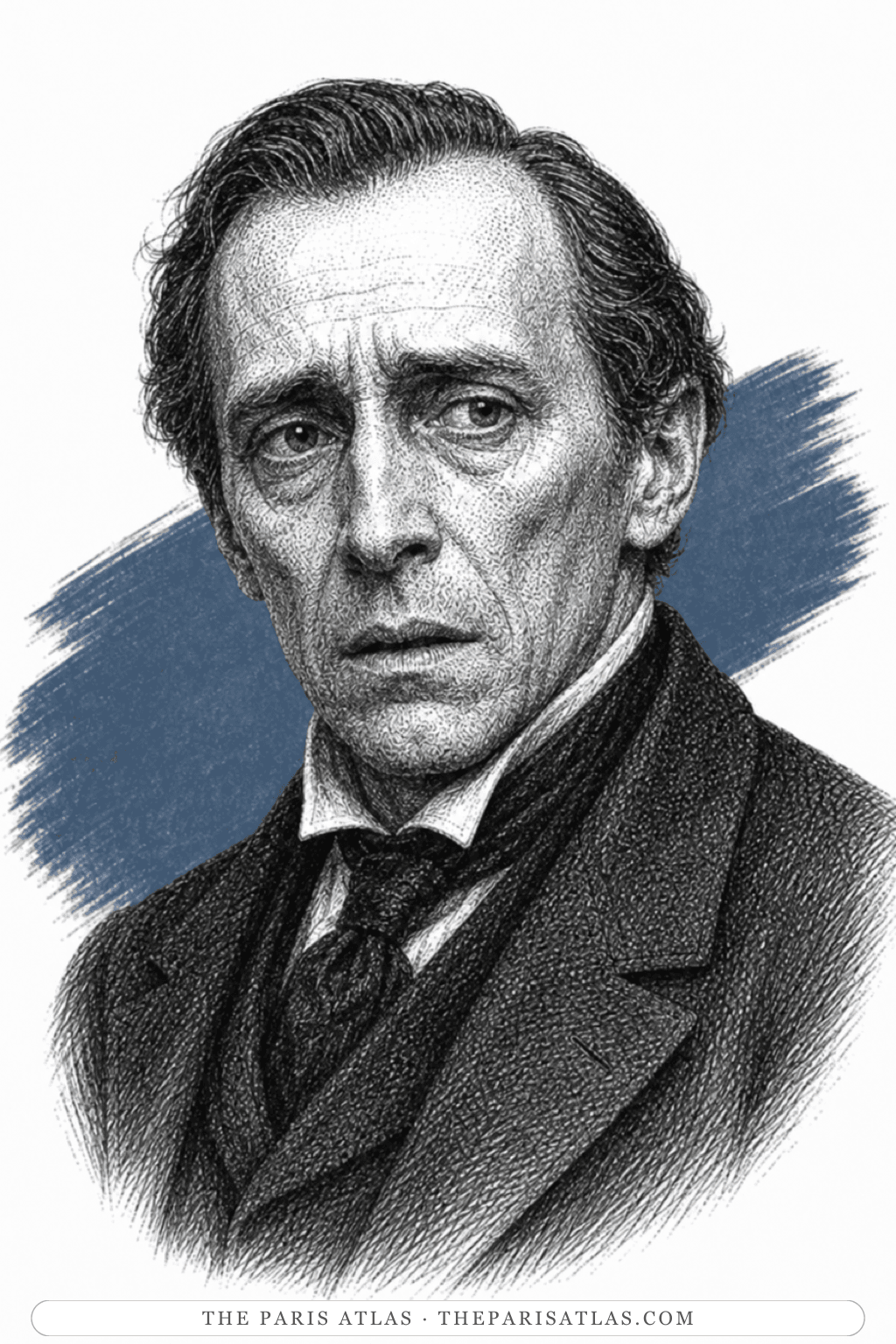
Ivan Ilyich Golovin
A successful judge whose terminal illness forces him to question the respectable life he treated as unquestionably right.
Also in the book
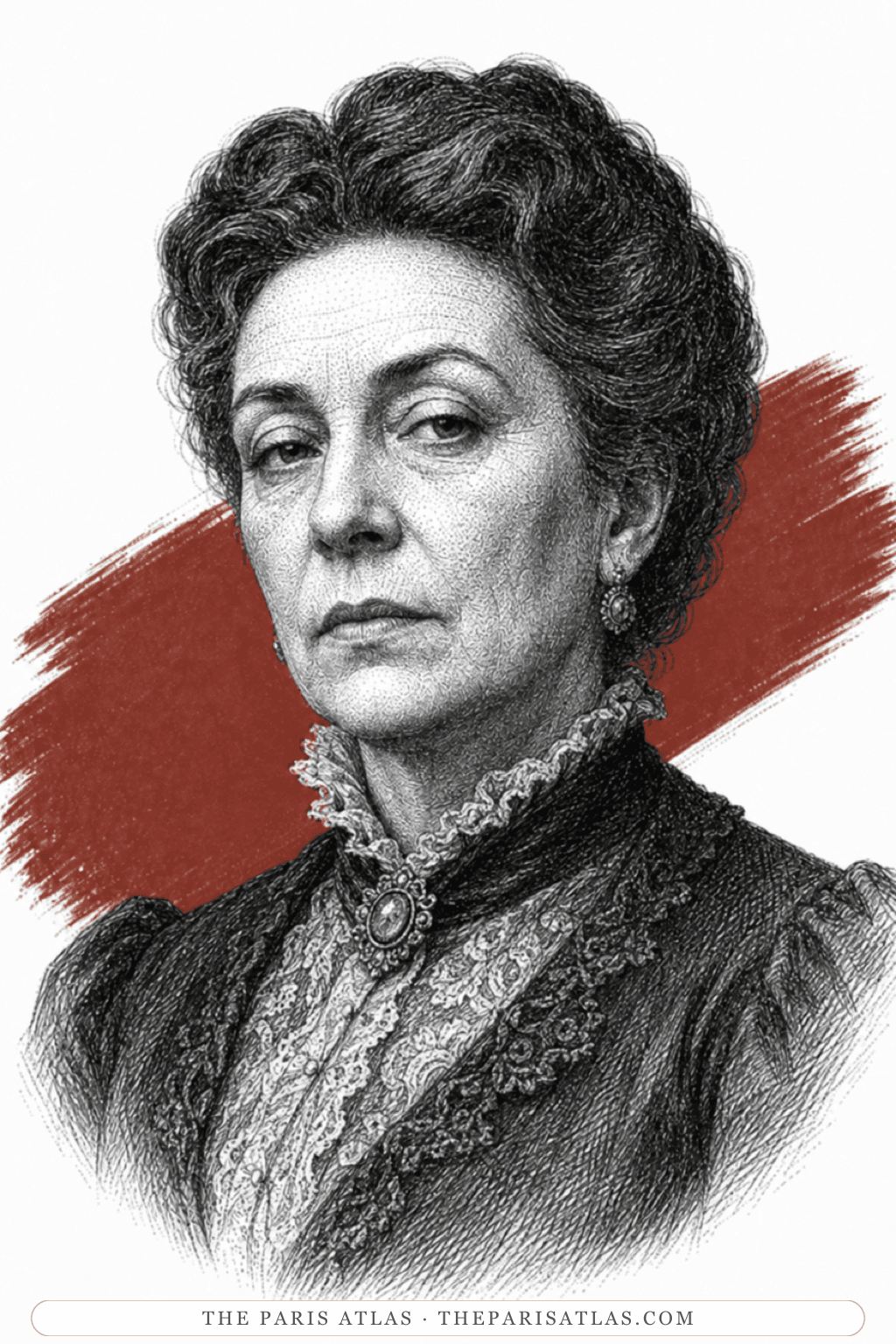
Praskovya Fyodorovna
Ivan’s wife, whose long resentment and practical anxiety shape her response to his illness.
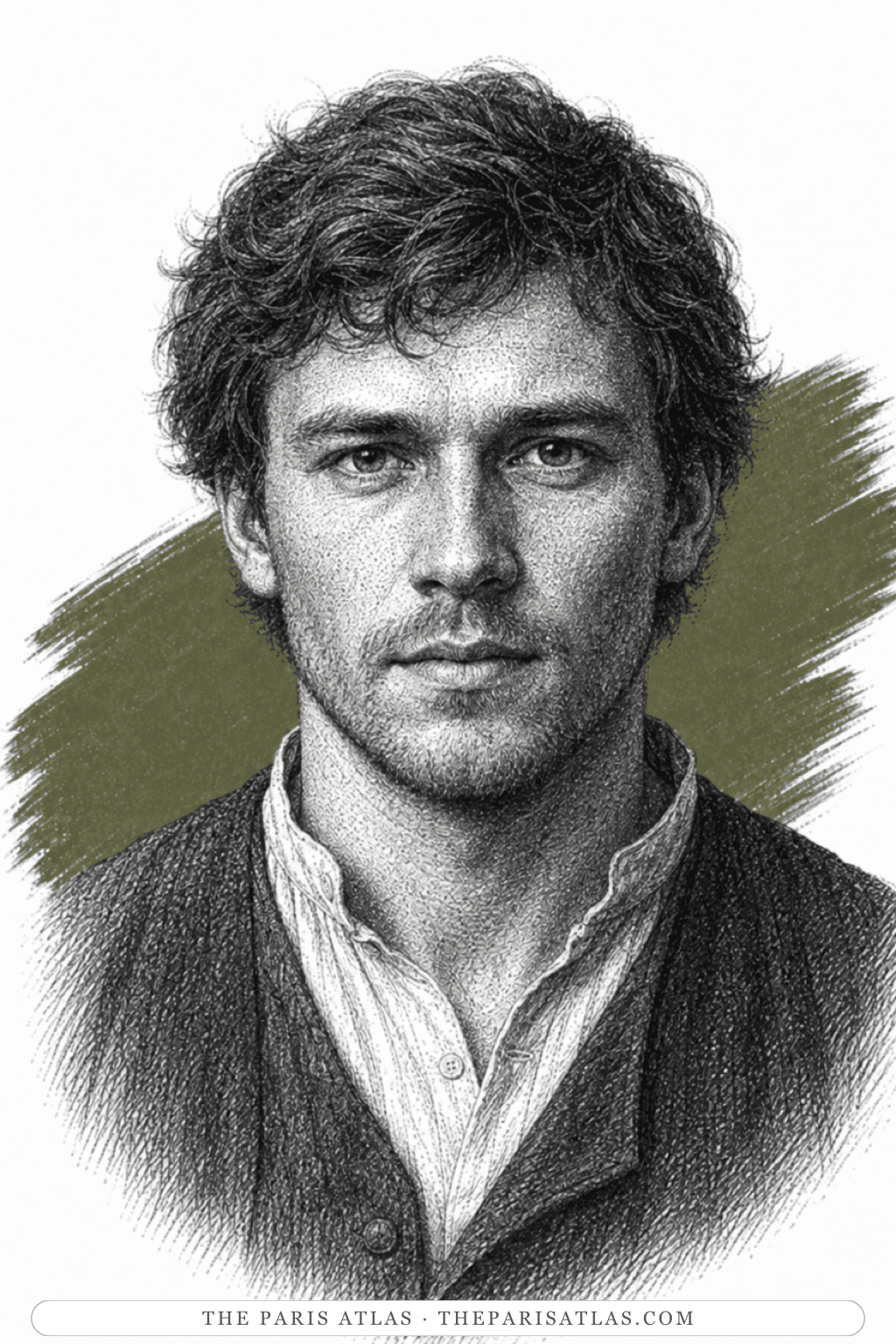
Gerasim
A strong young servant who accepts death honestly and gives Ivan the most useful and humane care he receives.
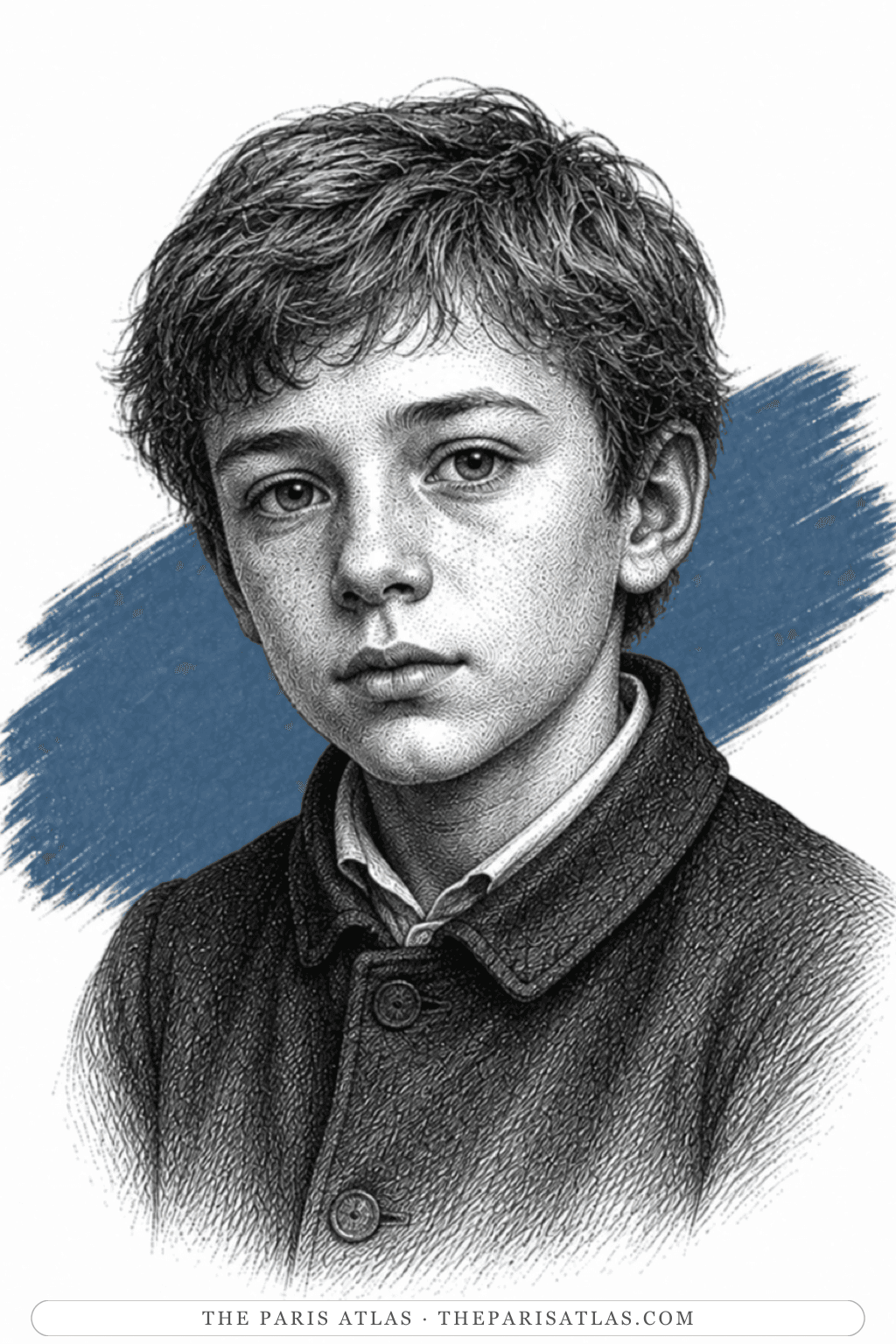
Vladimir Ivanich
Ivan’s sensitive adolescent son, also called Vasya, whose genuine grief helps awaken his father’s final compassion.
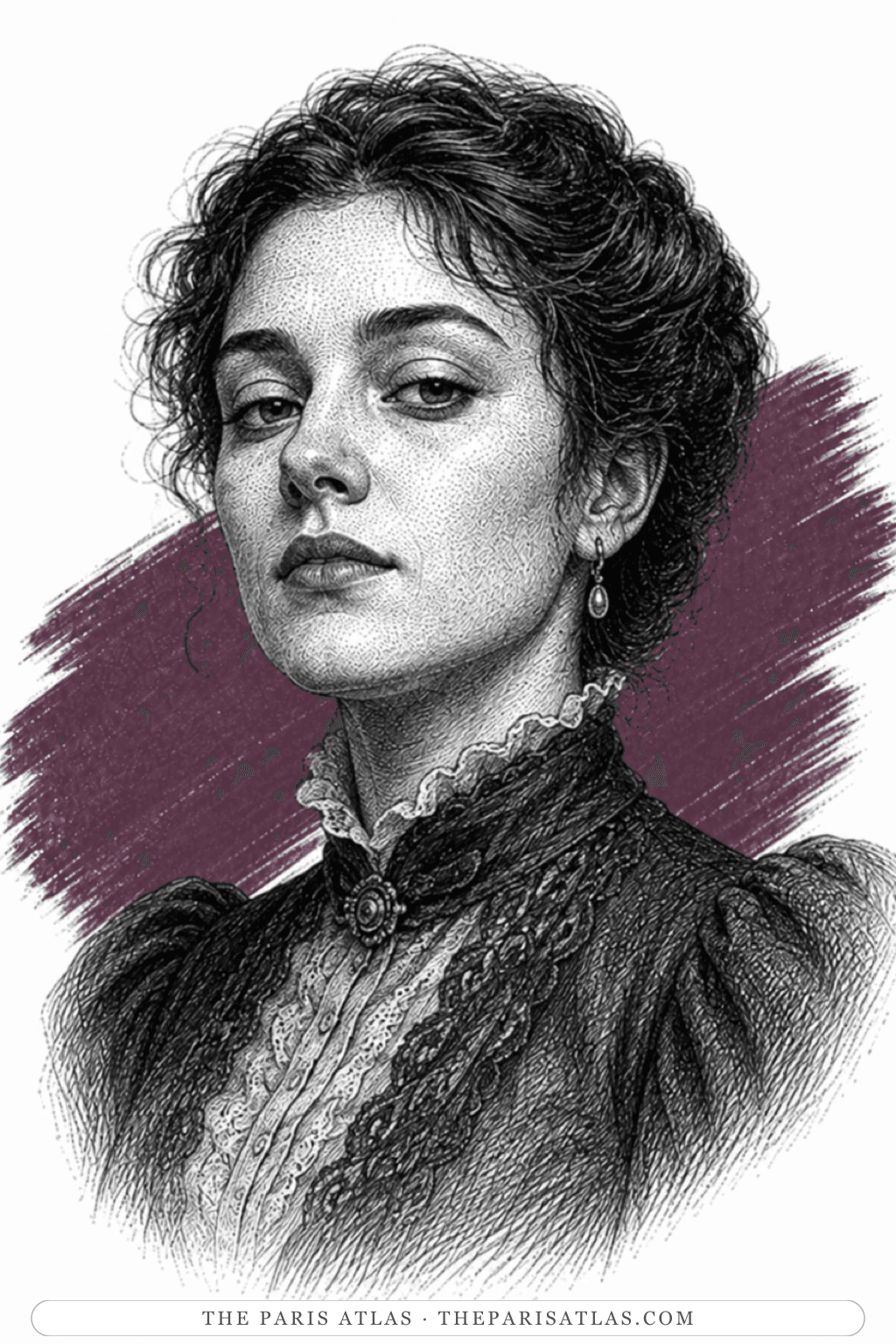
Lisa
Ivan’s daughter, whose courtship and social future continue while her father’s life contracts around illness.

Pyotr Ivanovich
Ivan’s colleague and friend, whose funeral visit reveals how quickly death becomes a question of etiquette and career.
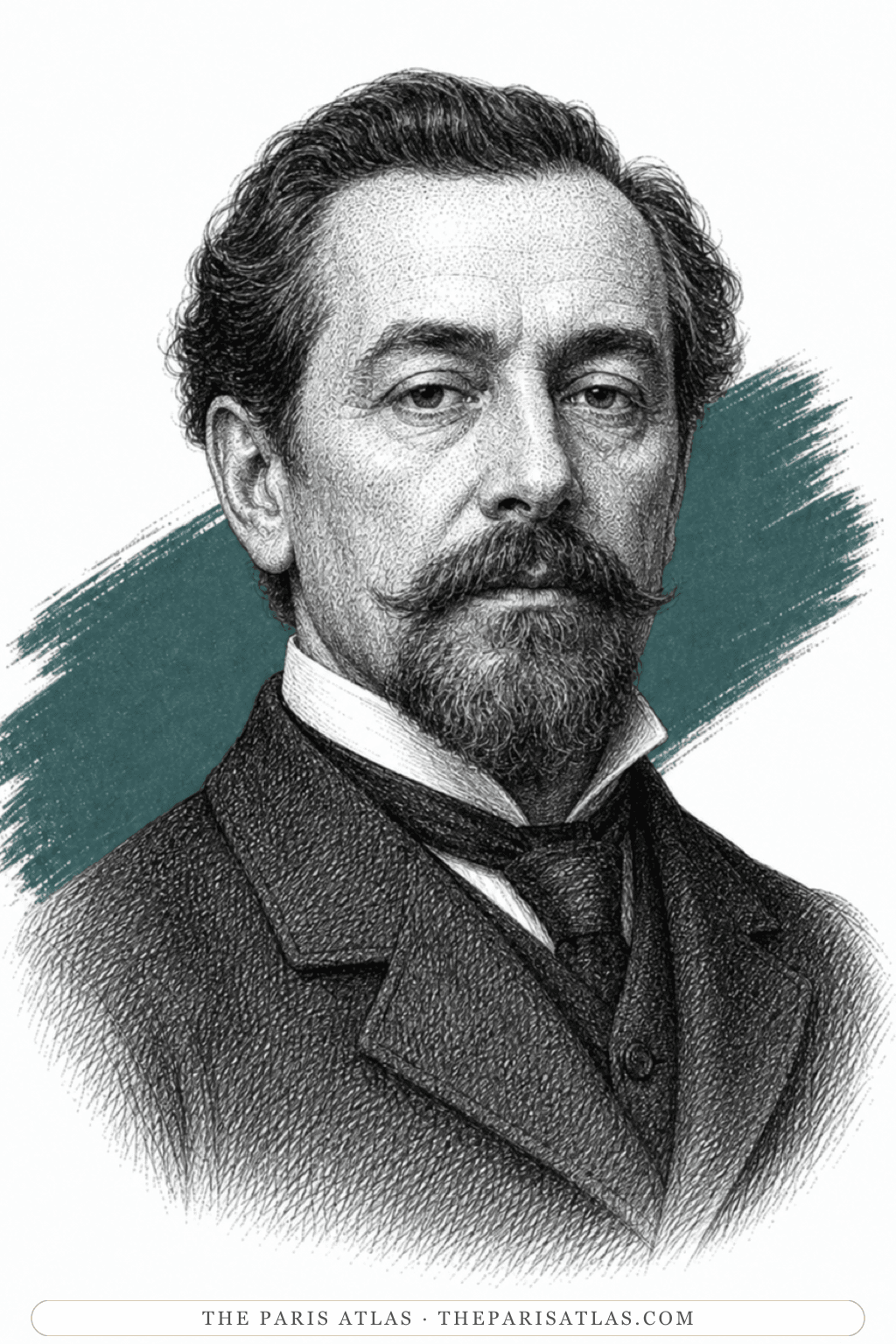
Ivan’s doctor
A polished physician whose technical authority cannot answer the patient’s direct fear that he is dying.
Bring it to book club
- Is Ivan’s life wrong, or merely ordinary?
- Why are the funeral scenes funny?
- How are the doctors similar to judges in the novella?
- Why is Gerasim able to help Ivan?
- What does Ivan’s house symbolize?
- How fair is the portrayal of Praskovya?
- What exactly changes in Ivan’s final hours?
- Does Tolstoy earn the spiritual ending?
Timeline
1886
The Death of Ivan Ilyich is first published in Russian.
Late 19th–20th centuries
Numerous English translations appear, including versions by Louise and Aylmer Maude and Rosemary Edmonds.
Modern era
The novella becomes one of the most widely taught literary works about death and dying.
Multiple dates
Stage and screen adaptations, along with loose film inspirations, reinterpret Ivan’s terminal illness.
Book editions
Hardcover
- Hardcover
- 1886

- Paperback
- Bantam Classics
- 1981
- 9780553210354

- Paperback
- Vintage Classics
- 9780307951335
- Richard Pevear and Larissa Volokhonsky
Reader reviews
Readers may also like


The Metamorphosis
Bodily crisis transforms a person into a burden inside his own family.
Read our take
The Death of Ivan Ilyich: frequently asked questions
What illness does Ivan have?
Tolstoy never provides a definitive diagnosis. Readers and doctors have proposed cancer or kidney and abdominal disease, but the uncertainty is deliberate.
Does Ivan die?
Yes. His death is announced in the opening sentence, so the novella’s suspense concerns how he lived and how he faces dying.
Why start with the funeral?
The opening shows how quickly other people convert a death into career calculation, etiquette, and social inconvenience.
Who is Gerasim?
He is the young servant who cares for Ivan without pretending that death is not happening.
Is Ivan a bad man?
Not in a conventional villainous sense. Tolstoy’s point is that an ordinary respectable life can still be morally shallow.
What changes at the end?
Ivan begins feeling compassion for his wife and son, wants to stop causing them pain, and loses his terror of death.
Is the ending religious?
It reflects Tolstoy’s spiritual beliefs, but readers can also understand it as a moral or psychological reconciliation based on compassion.
Why is the novella so short?
Its compression intensifies the contrast between an entire life of convention and the short illness that exposes it.
If you like Leo Tolstoy
Explore authors with a similar voice, perspective, and influence.
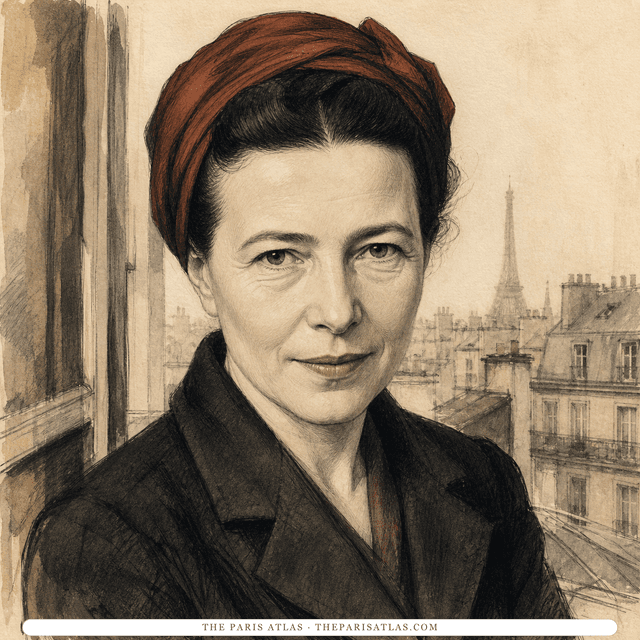
Simone de Beauvoir
French writer and philosopher whose novels, memoirs, and social analysis examined freedom, gender, responsibility, aging, and the material conditions that shape a life.
View author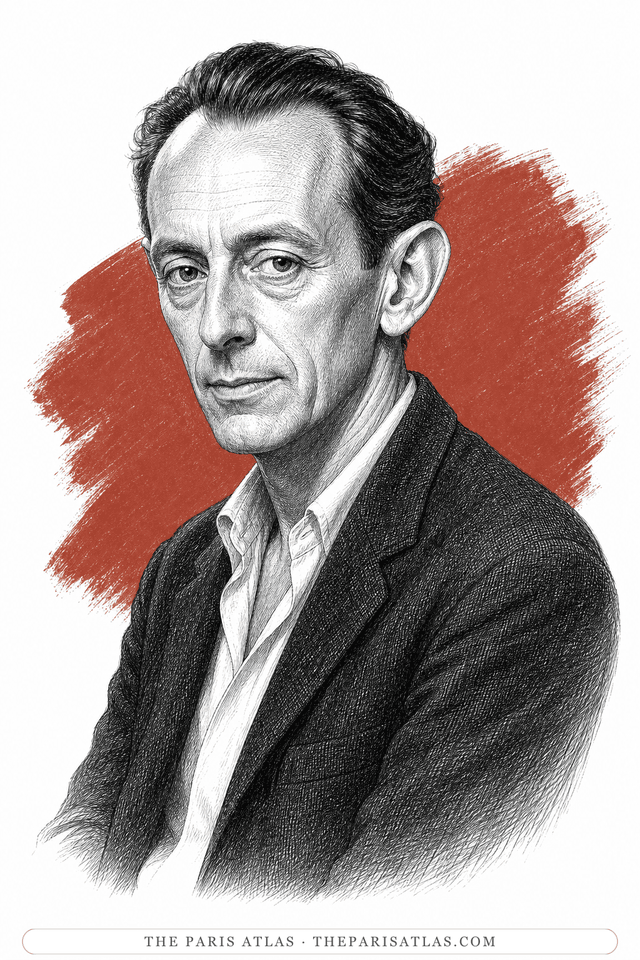
Paul Bowles
American novelist and composer whose expatriate fiction explores dislocation, unstable intimacy, fatalism, and North Africa.
View author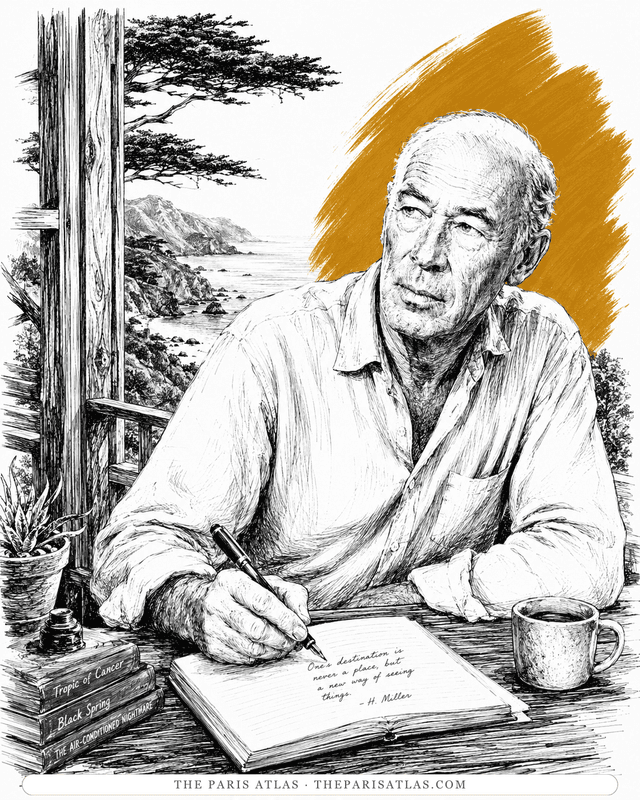
Henry Miller
The Brooklyn dropout who arrived in Paris broke at thirty-eight and wrote the exuberant, banned books that ended American censorship.
View author
References
References
The sources below include the primary text, editions, scholarship, archival materials, and other records that informed this page. They document The Death of Ivan Ilyich, its publication, and its place in literary history.

2The Death of Ivan Ilych — Louise and Aylmer Maude translation
WebsiteUniversity of Minnesota Libraries PublishingUsed forLouise and Aylmer Maude translation hosted by the University of Minnesota; primary text for the added readings of the Caius exercise and Gerasim's care.

3The Death of Ivan Ilyich — Google Books catalogue
Official recordGoogleUsed forGoogle Books catalogue record used to cross-check the title and edition metadata.
4The Death of Ivan Ilyich — Internet Archive ISBN catalogue
Official recordInternet ArchiveUsed forInternet Archive ISBN catalogue used to cross-check the edition and its availability in library holdings.
5The Death of Ivan Ilyich — Library of Congress books catalogue
Official recordLibrary of CongressUsed forLibrary of Congress books catalogue used to cross-check the bibliographic record by ISBN.
6The Death of Ivan Ilyich
Official recordPenguin Random House, 1981Used forPublisher record used to verify the central illness, mortality and redemption focus, Tolstoy context, and a modern English edition.
i
Why these sources are here
The primary text is the baseline reference for every book page. Additional references document publication history, interpretation, and historical context where that evidence is available.
 Explore more resources