
The Trial
Another ordinary person is trapped inside conditions that no authority will explain.
Read our take
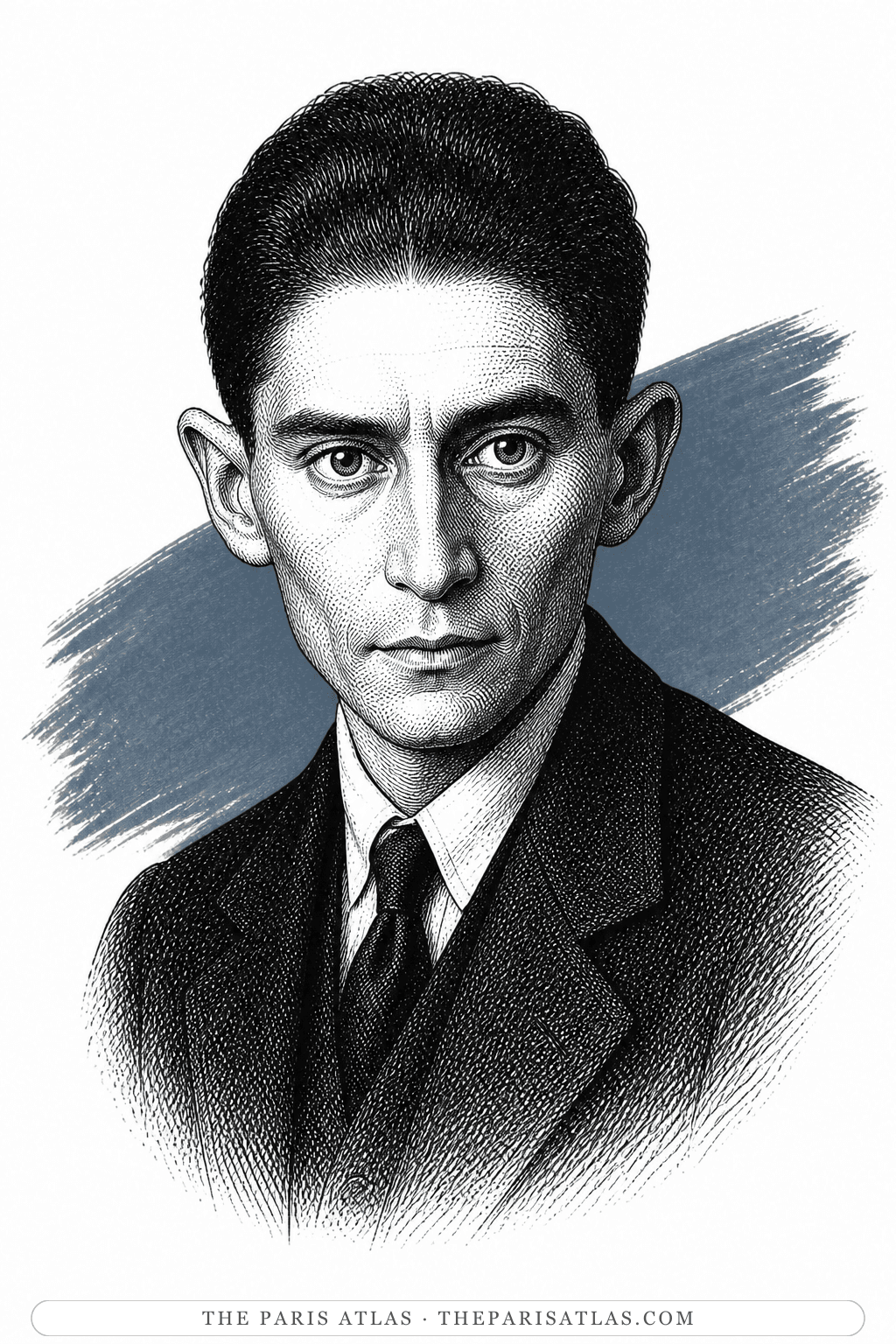
by Franz Kafka
An impossible transformation exposes how quickly love can become a judgment about usefulness.
Gregor Samsa wakes one morning transformed into a gigantic vermin-like creature. His first concern is missing work; the deeper crisis begins when the family he supported must decide what it owes a son and brother who can no longer earn money or make himself understood.
Gregor Samsa wakes one morning and discovers that he has transformed into a gigantic vermin-like creature. Kafka never explains how or why. Gregor’s first serious concern is not the impossible body but the train he has missed and the trouble he will face at work.[1]
That response reveals the life he had before the transformation. Gregor supports his parents and younger sister, Grete, through a traveling-salesman job he hates. He accepted the work partly to pay his parents’ debt, so his identity inside the family has become difficult to separate from the money he brings home.[1]
Once Gregor can no longer work, the family must reorganize itself around the frightening fact that its provider has become dependent. The story is absurd, sad, and much funnier than its reputation sometimes suggests. Kafka describes the impossible event so calmly that family resentment, shame, money, and physical disgust become more disturbing than the transformation itself.[1]
Gregor wakes transformed and struggles to roll out of bed while his parents, Grete, and the office manager demand explanations from outside his locked door. Even before he understands what has happened to his body, he worries about train schedules, discipline at work, and the debt that keeps him in a job he dislikes.[1]
When Gregor finally unlocks the door, his altered body terrifies everyone. The office manager flees despite Gregor’s attempt to explain himself, and Gregor’s father drives him back into the bedroom. Gregor can still understand the family’s speech, but they hear only an animal-like voice when he tries to answer.[1]
Grete initially takes responsibility for feeding Gregor and cleaning his room. She tests which foods he can eat and tries to enter without frightening him. Gregor hides under the sofa to spare her discomfort, listens to the family through the door, and remains emotionally attached to them even though he can no longer participate in their life.[1]
Gregor learns that his father kept some savings, but the family still needs income. His father, mother, and Grete all take work, household routines become harsher, and they rent a room to three lodgers. Resentment grows as Gregor’s care becomes one more exhausting task. During a confrontation, his father throws apples at him; one remains lodged in Gregor’s back and causes a lasting wound.[1]
One evening Grete plays the violin for the lodgers. Gregor, deeply moved by the music, leaves his room and imagines telling Grete about his old plan to send her to a conservatory. The lodgers instead react with disgust and threaten to leave without paying. Grete tells her parents that they must get rid of ‘it,’ insisting that if the creature were truly Gregor, it would understand that the family could not continue this way.[1]
Gregor returns to his room. He feels affection for his family and accepts, in effect, their conclusion that he must disappear. Weakened by the apple wound, neglect, and hunger, he dies alone before dawn.
The cleaning woman discovers the body in the morning and announces the death with blunt practicality. The three lodgers try to complain, but Mr. Samsa orders them out. Gregor’s parents and Grete take the day off, write excuses to their employers, and experience relief after months of fear, labor, and confinement.
The family takes a tram into the countryside and discusses moving to a smaller, more convenient home. Mr. and Mrs. Samsa notice that Grete has grown into a healthy young woman and begin thinking about finding her a husband. The ending offers the family a future, but its optimism is deliberately uncomfortable because their renewed hope has been made possible by Gregor’s death.
Gregor’s place in the household is closely tied to income. He has spent years supporting everyone and planning to pay for Grete’s musical education, yet the office sends a manager to investigate on the first morning he misses a train. Once Gregor cannot work, both employer and family quickly begin treating him as a problem rather than a person.
Before the transformation, Gregor quietly accepts burdens that keep his parents and sister comfortable. Afterward, the direction of care reverses. Grete’s early patience is real, but so are her exhaustion and anger. Kafka refuses the easy conclusion that the family either owes Gregor everything or feels nothing for him.
Gregor’s changed body has appetites and abilities his human mind must learn. It can climb walls, fit beneath furniture, and enjoy rotting food, but it is also easily wounded. The family’s horror asks how recognition, intimacy, and dignity survive when a familiar person’s body becomes repellent and dependent.
Gregor understands the people outside his room, but they cannot understand him. Doors, walls, and distorted speech turn an ordinary household into a machine for misreading. His silence also reveals an older failure: even before the transformation, Gregor rarely told his family how trapped, tired, or resentful he felt.
Gregor repeatedly hides to spare other people discomfort, even when he is the one injured or starving. Shame teaches him to experience his mere visibility as an offense. By the final night, he has absorbed the family’s belief that their survival requires his absence.
Gregor changes physically in the first sentence, but the whole family changes over the following months. Mr. Samsa returns to work and authority, Mrs. Samsa earns money, and Grete moves from dependent girl to decisive young woman. The closing tram ride makes her development explicit, even as it exposes the terrible cost of the family’s recovery.
Kafka writes the impossible transformation in calm, practical prose. Gregor’s first thoughts concern alarms, trains, sales targets, locked doors, and the manager waiting outside. The familiar details make the opening easy to follow while making its logic increasingly absurd.
That restraint creates both comedy and horror. Kafka does not announce what Gregor symbolizes or tell the reader when to pity him. He describes food, furniture, work schedules, injuries, and family conversations precisely enough that several meanings can remain active at once.
The German word Kafka uses for Gregor, Ungeziefer, is deliberately less specific than ‘cockroach’ or ‘beetle.’ It can suggest vermin or an unclean pest without fixing one species. Translation choices matter because a more exact insect label can close an ambiguity the original preserves. Stanley Corngold’s version is one influential modern English translation.
The novella has been adapted for theater, film, graphic narrative, dance, and opera. These versions make radically different choices about whether and how to show Gregor. No single visual design is canonical, and the illustrations here deliberately avoid defining one exact insect anatomy.
Kafka makes a supernatural event more disturbing by surrounding it with train schedules, debts, meals, furniture, and work rules.
Gregor’s body changes instantly, while his parents and sister change more slowly as care becomes labor and dependence changes the household’s balance.
The story is easy to follow without reducing Gregor to one symbol or offering a simple explanation for what happens.
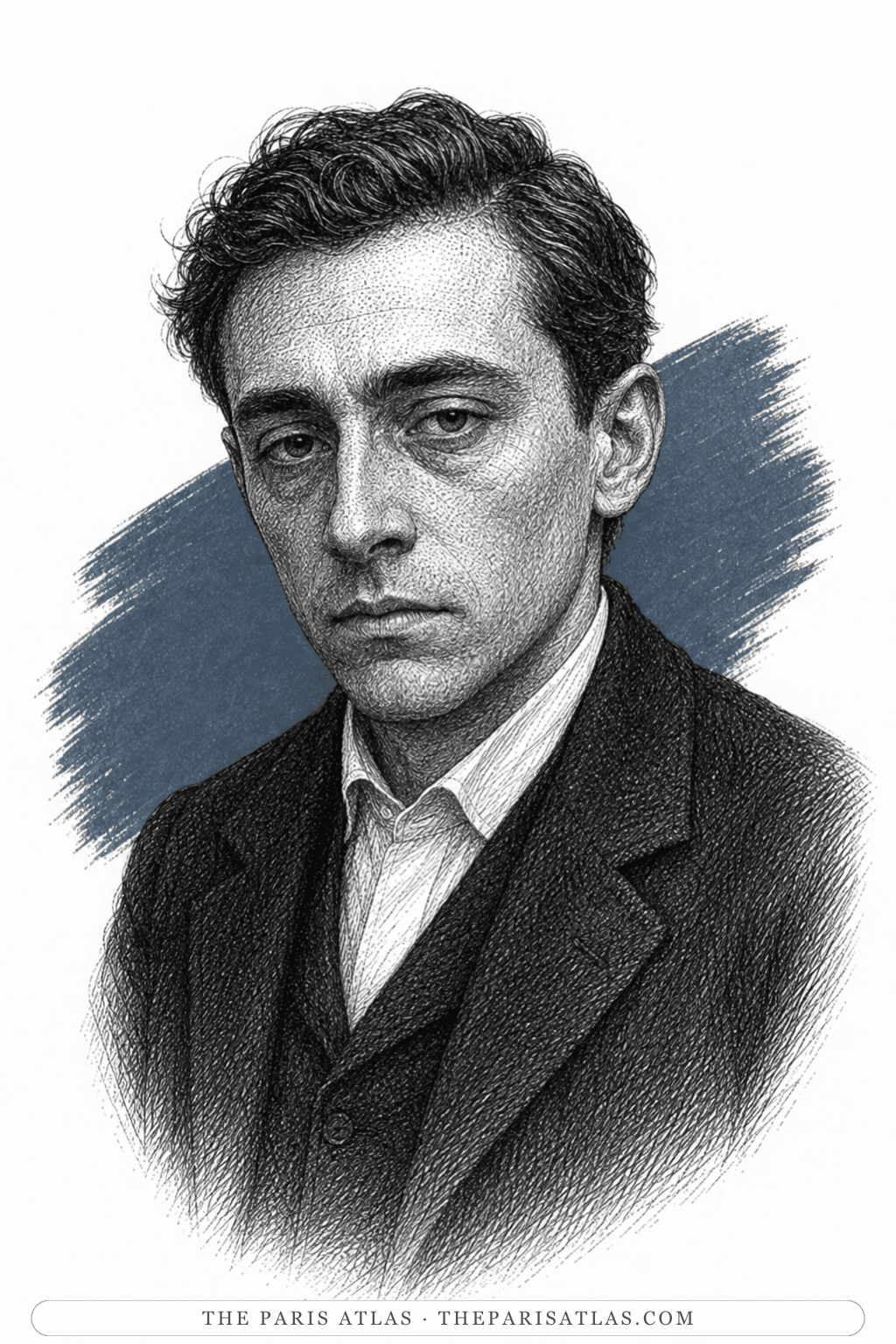
The traveling salesman and family provider whose unexplained transformation makes him dependent on the people he supported.
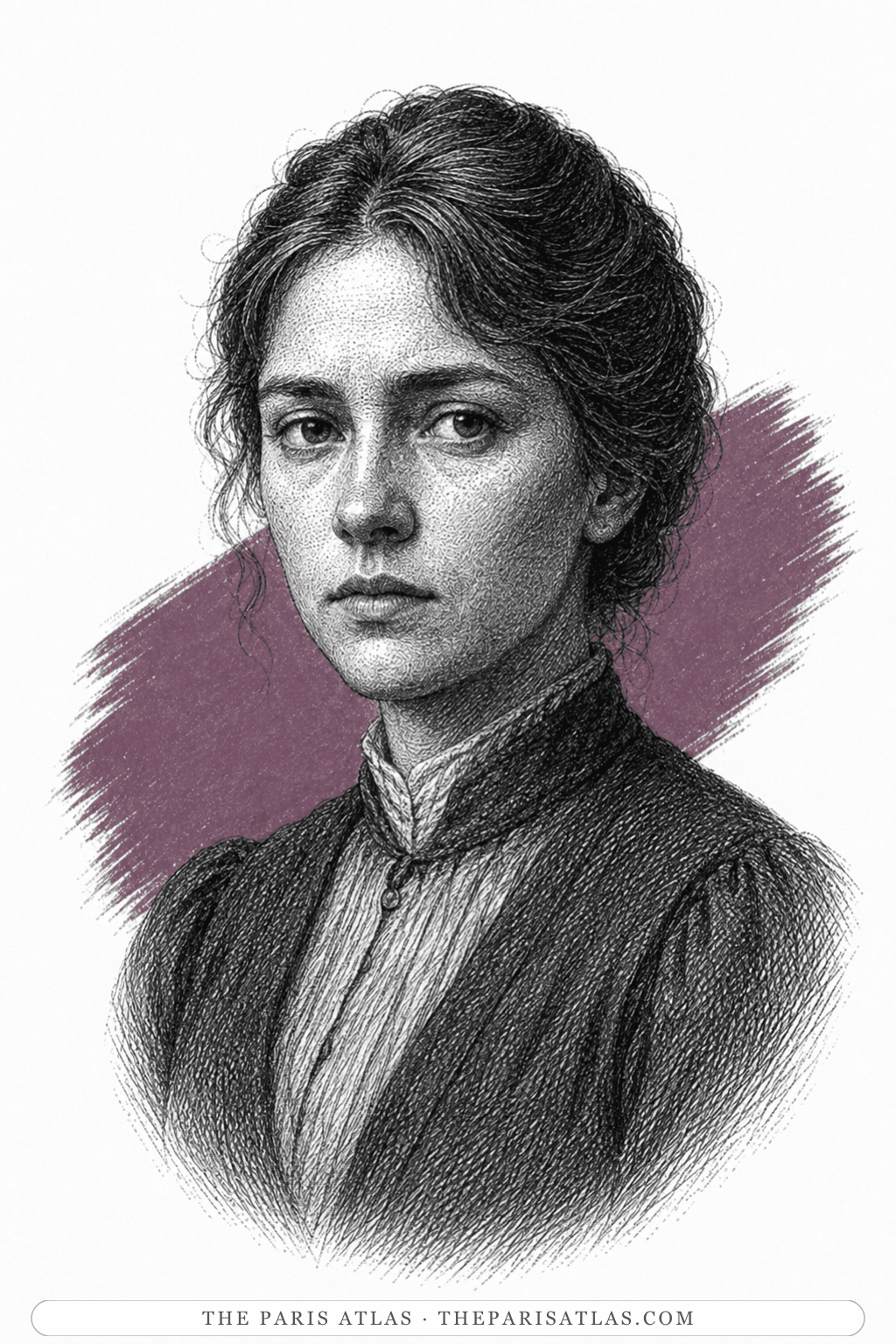
Gregor’s younger sister, whose early care gives way to exhaustion and the final demand that the family remove him.

Gregor’s father, who returns to paid work and directs much of the family’s fear and anger toward his transformed son.
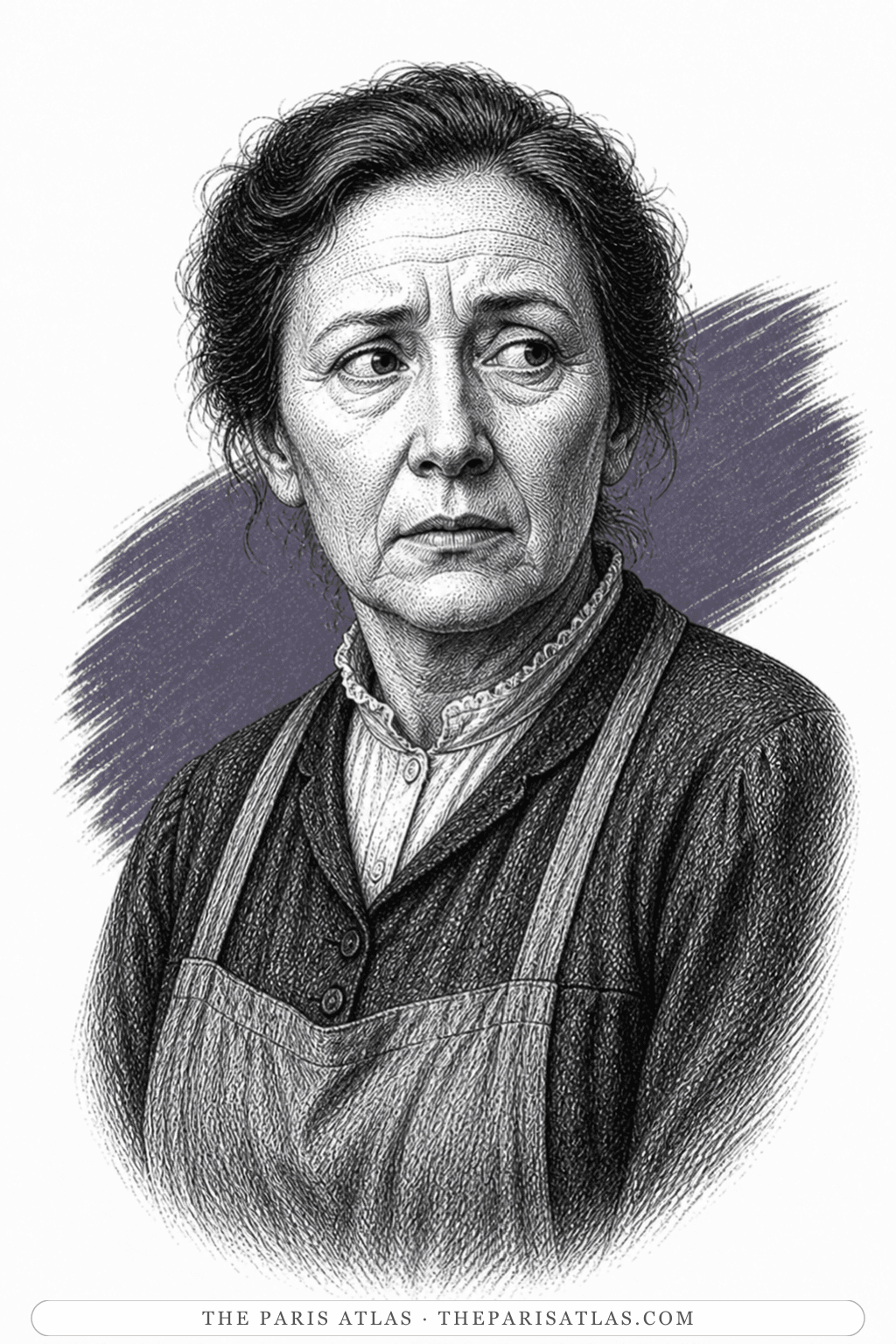
Gregor’s mother, divided between love for her son and terror at the sight of his transformed body.
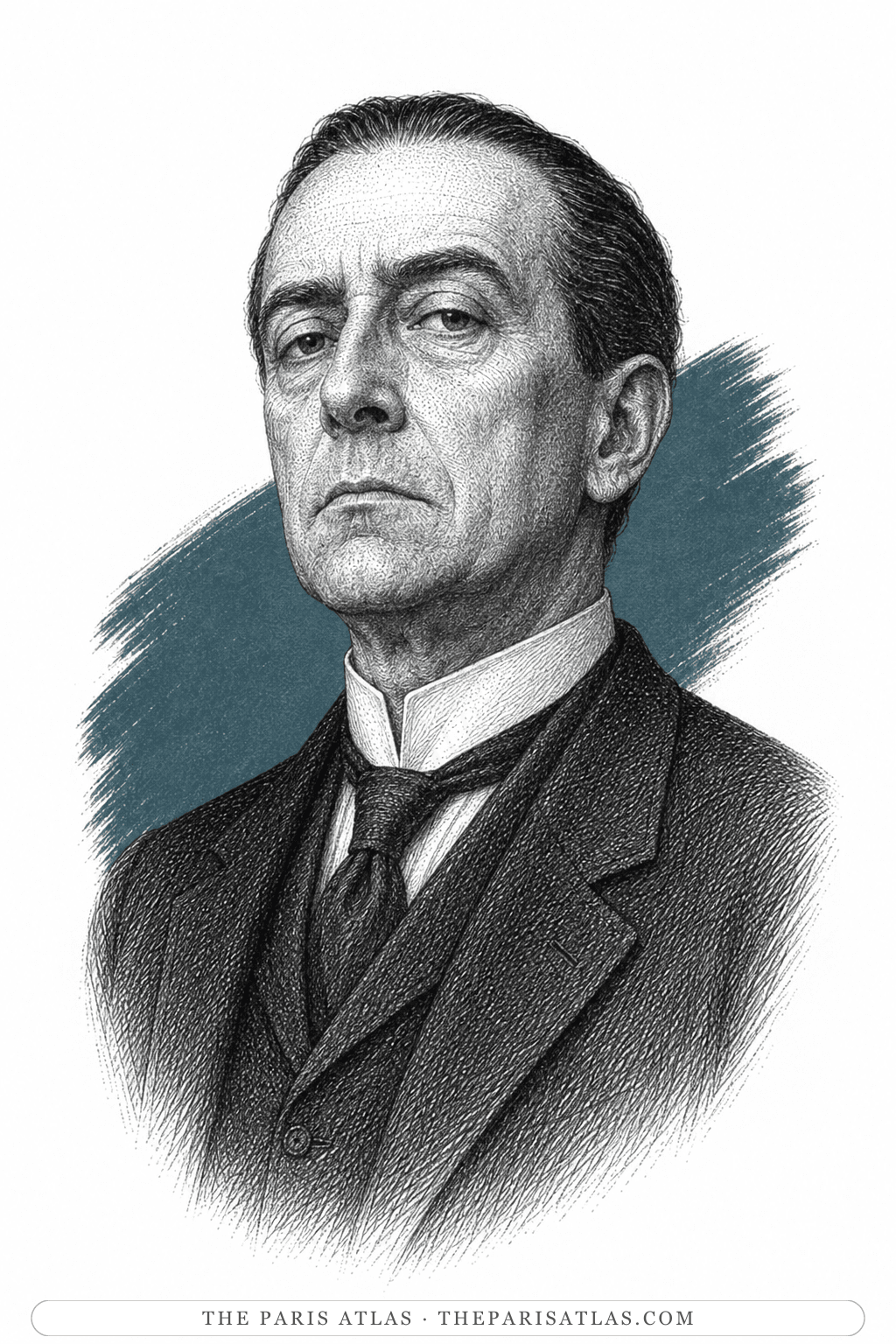
The representative who comes to the Samsa home as soon as Gregor misses work, exposing the employer’s distrust and control.
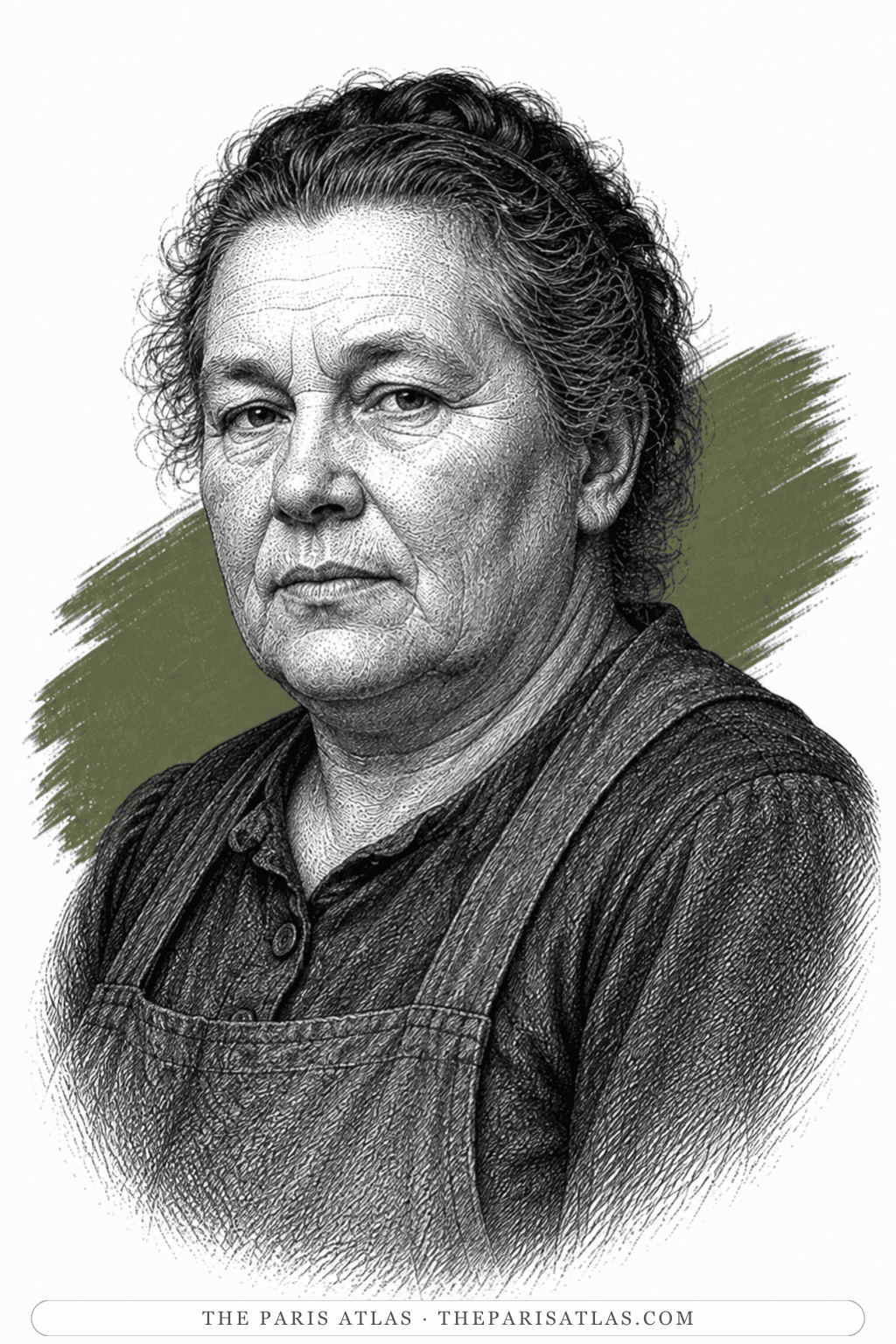
A sturdy household worker who treats Gregor with curiosity and blunt practicality rather than the family’s terror.
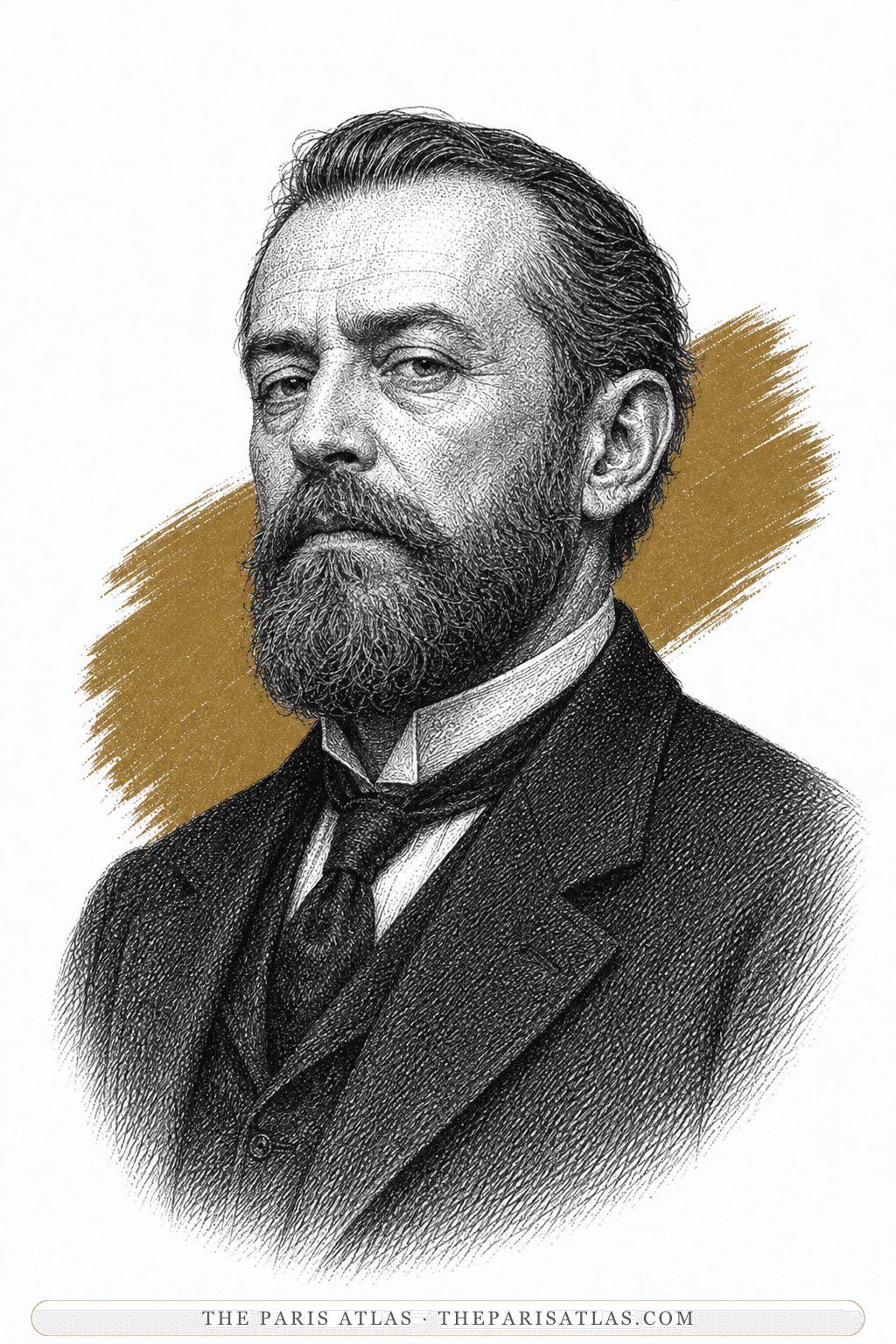
The demanding tenants whose presence reveals the Samsas’ financial decline and precipitates the final break with Gregor.
1912
Kafka writes Die Verwandlung in German.
1915
The story is first published in Leipzig by Kurt Wolff Verlag.
1930s onward
English translations and new editions help make the novella widely read outside the German-speaking world.
20th–21st centuries
The story becomes a frequent subject of theater, film, graphic, dance, operatic, and classroom interpretation.


Another ordinary person is trapped inside conditions that no authority will explain.
Read our take
Alienation and failed social performance appear without a literal bodily transformation.
Read our take
A family responds uneasily when illness makes a previously independent man dependent.
Read our take

Physical confinement becomes an existential test of work, freedom, and adaptation.
Read our takeKafka never specifies an exact species. The German word Ungeziefer suggests vermin or an unclean pest, so ‘monstrous vermin’ is safer than confidently calling Gregor a cockroach or beetle.
No cause is given. The story begins after the change has already happened and concentrates on how Gregor, his employer, and his family respond.
Largely yes. He understands speech, remembers his old life, and loves his family, although his appetite, movements, and bodily comforts change.
Grete initially does most of the feeding and cleaning. Her patience weakens as she takes a job and the family’s financial and domestic pressure grows.
He is driving Gregor back toward the bedroom and reacting violently to what he believes is a threat to Mrs. Samsa. The attack also confirms the father’s restored authority over a son who once supported him.
The embedded apple and the wound it causes contribute to his decline, but neglect, hunger, exhaustion, and his final acceptance of the family’s rejection also matter.
His death ends the physical, financial, and emotional crisis surrounding his care. Their relief is understandable within that pressure, but Kafka makes it morally disturbing.
It is hopeful for the surviving Samsas, who can move and imagine Grete’s future. That hope remains uncomfortable because it depends on Gregor’s isolation and death.
Explore authors with a similar voice, perspective, and influence.
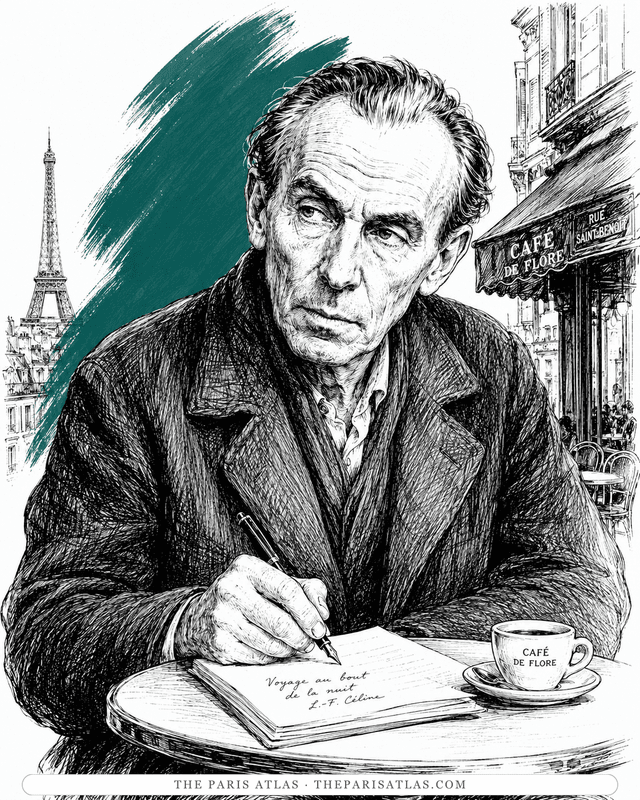
The doctor of the Paris slums who wrote the century's blackest, funniest novel — and changed the sound of French prose.
View author
The Brooklyn dropout who arrived in Paris broke at thirty-eight and wrote the exuberant, banned books that ended American censorship.
View author
American novelist and composer whose expatriate fiction explores dislocation, unstable intimacy, fatalism, and North Africa.
View authorThe sources below include the primary text, editions, scholarship, archival materials, and other records that informed this page. They document The Metamorphosis, its publication, and its place in literary history.


Google Books catalogue record used to cross-check the title and edition metadata.
Internet Archive ISBN catalogue used to cross-check the edition and library holdings.
Library of Congress catalogue used to cross-check the bibliographic record by ISBN.
Publisher record used to verify the 2013 Modern Library edition, Stanley Corngold translation, ISBN, and critical apparatus.
Publisher record used to verify the 1972 Bantam Classics edition, ISBN, translator, and core description.

Encyclopaedia Britannica overview used to cross-check the novella’s publication and critical context.
The Franz Kafka Museum’s official site is retained as the supplied institutional source for author and archival context.
The primary text is the baseline reference for every book page. Additional references document publication history, interpretation, and historical context where that evidence is available.
 Explore more resources