
Carlo
A garage proprietor whose assault of Lise and missing red car add another violent encounter to the police trail.
To dominate the encounter with Lise and take what she has not consented to give.
The book

At a glance
- Garage proprietor
- White shirt and white trousers
- Red Mini
- Assailant and owner of a car Lise takes
Who they are in the book
Spoiler-freeCarlo owns or runs the garage Lise enters during her search. He is a large, middle-aged man dressed entirely in white rather than work overalls. He initially appears as another possible man in Lise's shifting search.
Carlo sexually assaults Lise in the car. She then drives off in his red Mini, leaving him behind. The car is later stolen after she parks it outside another hotel.
Like Bill, Carlo becomes part of the case without being Lise's intended killer. His behavior is criminal and consequential, but the novel does not make it the origin of the plan she brought with her.
How Carlo Is Portrayed
- Large and burlyHis physical size makes the imbalance inside the car immediately clear.
- Middle-agedHe is older than Bill and Richard and belongs to the city's working adult world rather than its young travelers.
- White shirt and trousersHe wears clean white clothes at the garage instead of mechanic's overalls.
- Garage proprietorCars, keys, and customer access place him at the point where Lise's route becomes mobile and harder to trace.
- Irritated authorityHe behaves as though ownership of the garage and car entitles him to control the encounter.
- Connected to a red MiniThe small, visibly damaged car becomes another item for police to follow after Lise drives away.
After Carlo assaults her, Lise takes his car. Its later theft complicates the trail, but Carlo is not the man she has traveled to find and does not kill her.
If you like The Driver’s Seat


If you like Muriel Spark
Explore authors with a similar voice, perspective, and influence.
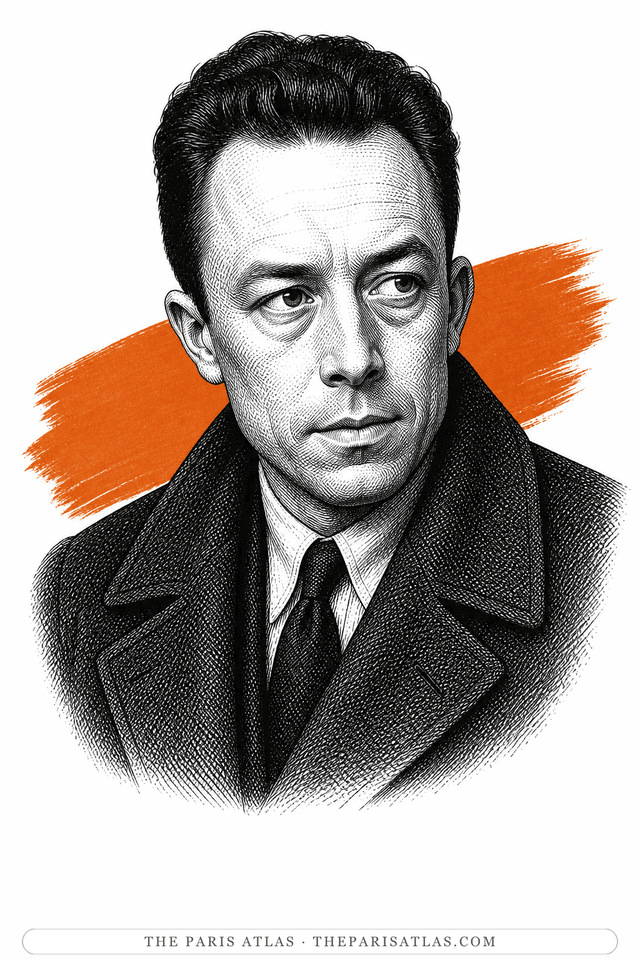
Albert Camus
French Algerian novelist, essayist, journalist and playwright who used the absurd and revolt to ask how people should live without false consolation.
View author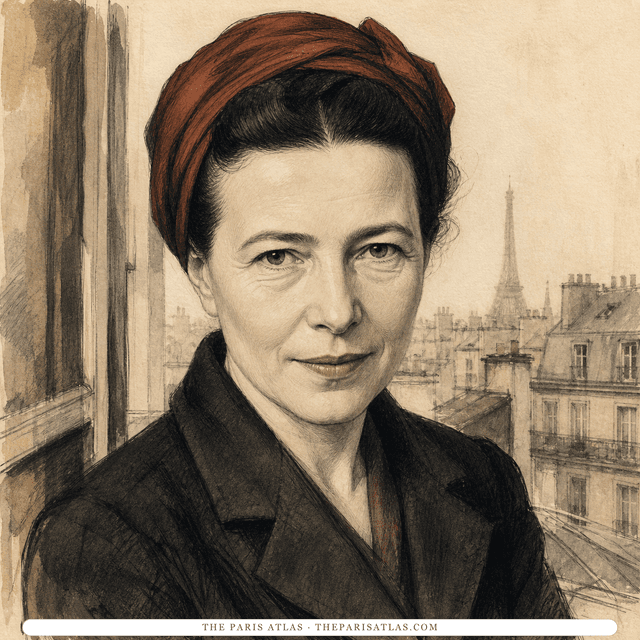
Simone de Beauvoir
French writer and philosopher whose novels, memoirs, and social analysis examined freedom, gender, responsibility, aging, and the material conditions that shape a life.
View author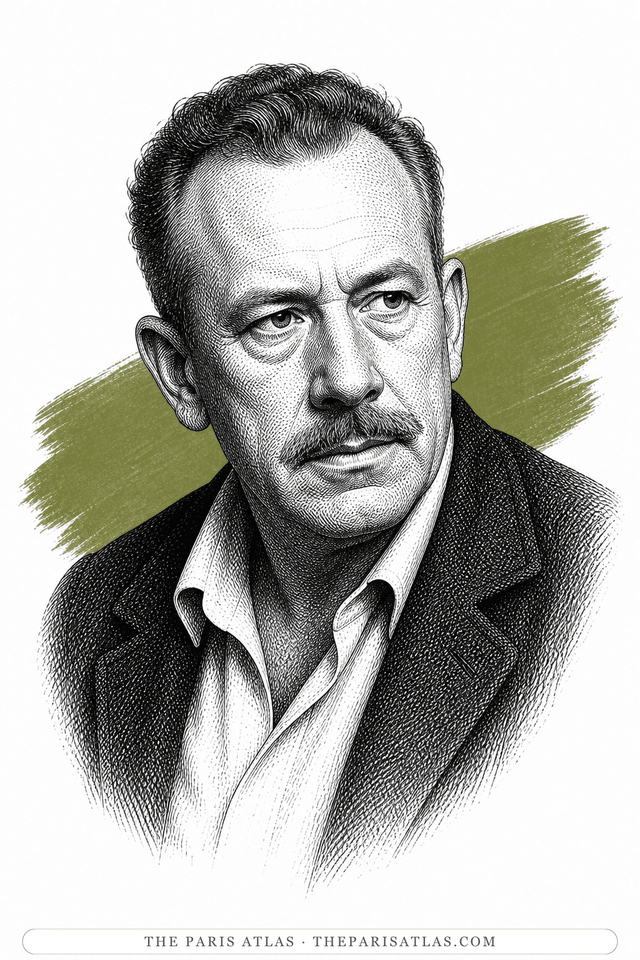
John Steinbeck
American novelist of the California fields and of the Dust Bowl migration — the exodus of farming families driven off the drought-ruined southern plains in the 1930s — awarded the Nobel Prize in Literature in 1962. In the summer of 1954 he moved into 1 avenue de Marigny in Paris and wrote for the Paris daily newspaper Le Figaro. Some of that work reached French readers in translation long before it was ever printed in his own English: one story waited sixty-five years.
View author