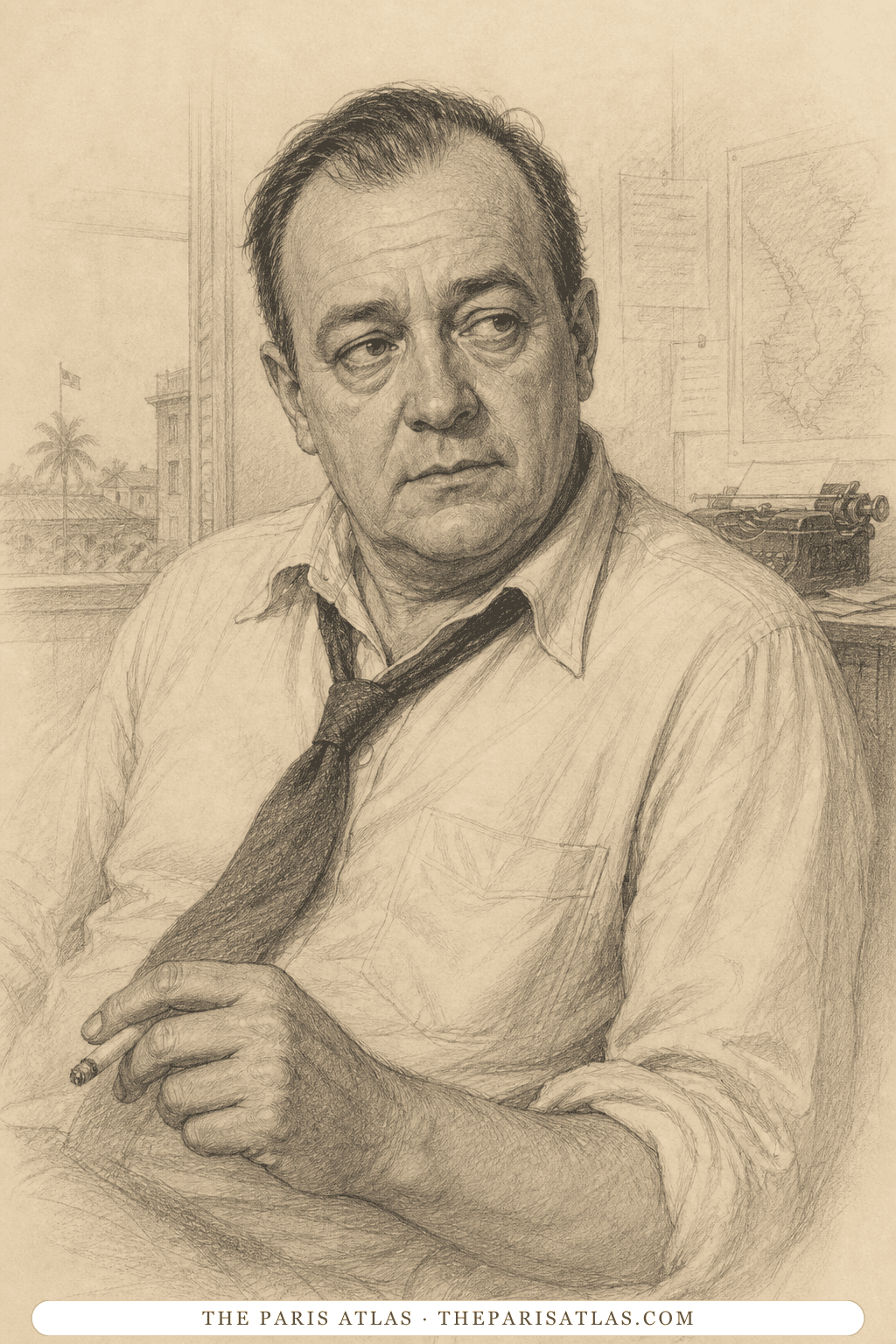
Thomas Fowler
The British reporter and narrator who claims to be neutral until violence and fear of losing Phuong push him into action.
To keep his life with Phuong in Saigon while remaining free of political commitment and the consequences of choosing a side.
The book

At a glance
- In his fifties
- British
- Foreign reporter based in Saigon
- Estranged from Helen Fowler
- Phuong
Who they are in the book
Spoiler-freeThomas Fowler is a British journalist in his fifties who has spent several years reporting from Vietnam. He lives in Saigon with Phuong, smokes opium, and prefers the life he has built there to returning to England. He calls himself a reporter rather than a correspondent because he wants to record facts without supporting a political cause.
Fowler’s claim to neutrality is both a professional belief and a personal defense. He has seen enough war to distrust speeches about sacrifice, but refusing to choose also protects him from responsibility. Pyle challenges that position by turning political theory into action and by offering Phuong the marriage Fowler cannot initially provide.
Because Fowler narrates the novel, readers experience events through his dry intelligence and selective honesty. He openly admits many lies but remains uncertain about his deepest motives. His horror at civilian deaths is real, and so are his jealousy, fear of age, and terror of being left alone.
How Thomas Fowler Is Portrayed
- A man in his fiftiesFowler sees himself as middle-aged, slightly overweight, physically awkward, and less attractive than the younger Pyle.
- Dry and observantHis narration notices gestures, lies, street details, and changes in tone. Humor often appears as a quick, cutting judgment.
- A reporter firstHe values direct observation and distrusts political writing produced far from the people who will live with its consequences.
- Dependent on routinePhuong’s presence, familiar rooms, drinks, cigarettes, and opium give him a sense of order that he fears losing.
- Brave without posing as a heroHe enters dangerous areas for his reporting and endures a serious leg injury, but mocks grand language about heroism.
- Honest about some liesFowler admits deceiving Phuong and Pyle, yet his confession does not settle whether he understands or excuses himself.
After the bombing in central Saigon, Fowler decides that Pyle will continue helping General Thé unless someone stops him. He contacts Mr. Heng and agrees to invite Pyle to a place where Heng’s associates can intercept him. Fowler knows that the plan is likely to end in Pyle’s death.
Pyle is murdered, Phuong returns, and Helen unexpectedly agrees to a divorce. Fowler gains the future he wanted, which prevents his political explanation from ever feeling completely clean. He ends the novel wishing he had someone to apologize to, but he neither confesses nor gives up what Pyle’s death has brought him.
If you like The Quiet American


If you like Graham Greene
Explore authors with a similar voice, perspective, and influence.
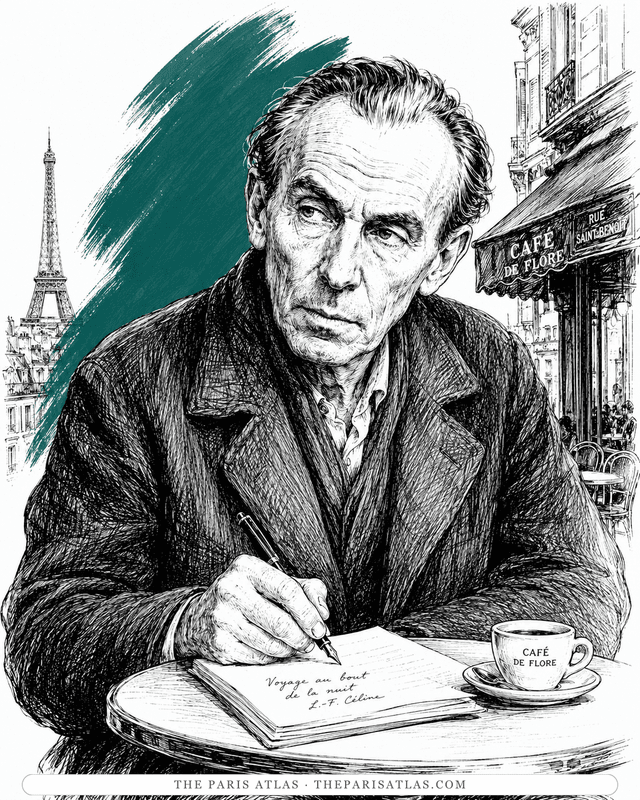
Louis-Ferdinand Céline
The doctor of the Paris slums who wrote the century's blackest, funniest novel — and changed the sound of French prose.
View author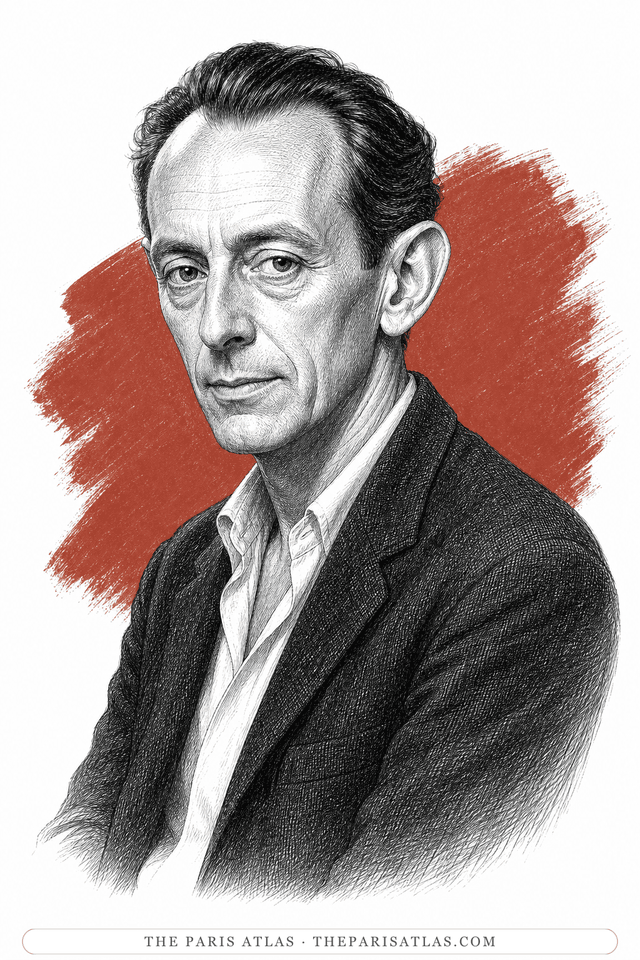
Paul Bowles
American novelist and composer whose expatriate fiction explores dislocation, unstable intimacy, fatalism, and North Africa.
View author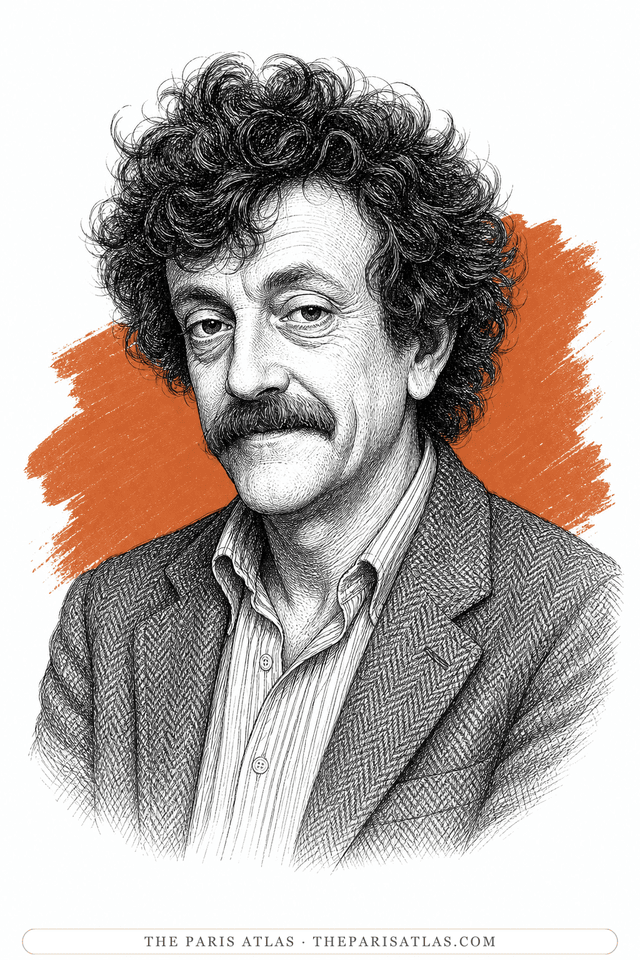
Kurt Vonnegut
American novelist whose fiction combines satire, science fiction, and the experience of surviving the bombing of Dresden.
View author