

The Sheltering Sky
Bowles’s first novel also follows Americans who expect North Africa to change them, then discover that travel does not remove the self they brought along.
Read our take
by Paul Bowles
A bored New York bank clerk comes to Tangier looking for a real life and discovers how quickly action can turn into crime.
Nelson Dyar has spent ten years working in a New York bank without finding a career, a passion, or a clear idea of who he wants to be. When Jack Wilcox offers him a job at a travel agency in Tangier, Dyar treats the move as a chance to start over. He arrives during the final years of the Tangier International Zone, when the city is governed by several foreign powers and attracts diplomats, smugglers, spies, wealthy expatriates, and people trying to disappear. Wilcox’s agency is tied to illegal currency trading, and Dyar soon becomes involved with a teenage Moroccan sex worker named Hadija, a Soviet agent named Madame Jouvenon, and a restless Moroccan smuggler named Thami. Instead of pulling back, Dyar enjoys feeling that his choices finally matter. Paul Bowles turns that hunger for consequence into a dark story about a passive man who mistakes danger for freedom and violence for proof that he exists.
The novel begins with Dyar arriving alone on a rainy night. He has crossed the Atlantic because his old life felt empty, but he has made no plan for the person he will become. That lack of direction makes him easy to use. Wilcox gives him work, the expatriate crowd supplies excitement, and Tangier offers unfamiliar situations in which Dyar can pretend that simply doing something is the same as making a meaningful choice.[1]
Tangier is more than a backdrop. In the late 1940s, the city is an International Zone with its own legal and financial arrangements. Different currencies circulate, jurisdiction is divided, and business can slip between one country’s rules and another’s. Bowles uses that setting to build a world in which nearly every relationship involves money: Wilcox moves currency illegally, Madame Jouvenon buys information, Eunice Goode tries to secure Hadija’s affection through gifts, Thami wants capital for a motorboat, and Dyar steals the money he has been trusted to carry.[1]
The story follows Dyar most closely, but it does not stay inside his mind alone. Bowles also shows scenes from Hadija’s and Thami’s points of view. That matters because Dyar repeatedly misreads them. He imagines Hadija as an answer to his loneliness and Thami as a useful companion, while both have needs, family pressures, and plans that do not revolve around him.[1]
Nelson Dyar leaves a bank job in New York after Jack Wilcox, an American acquaintance, promises him work at a Tangier travel agency. Dyar expects a clean beginning. He instead finds a dim hotel, constant rain, and an employer who avoids clear explanations. Wilcox’s office sells travel, but it also serves as a front for illegal currency deals. Because Dyar has banking experience and looks ordinary, Wilcox can use him to carry money without attracting attention.[1]
Dyar enters Tangier’s expatriate world through Daisy de Valverde, an older American married to a Spanish marquis. Daisy sees that Dyar has no settled purpose and warns him that his emptiness leaves him open to whatever influence reaches him first. She is curious about him, sometimes protective, and eventually becomes his lover.[1]
At the Bar Lucifer, Dyar meets Hadija, a teenage Moroccan sex worker. He quickly decides that his desire for her is love. Hadija also has a paid relationship with Eunice “Uncle” Goode, a wealthy American woman who wants to take her away from Tangier. Dyar and Eunice treat each other as rivals, while Hadija measures what each relationship can offer and resists being permanently claimed by either foreigner.[1]
Thami Beidaoui becomes Dyar’s guide and drinking companion. Thami comes from a prominent Moroccan family, but he has broken with its expectations by marrying a poorer woman and pursuing a life of drinking and smuggling schemes. His brothers will not give him the money he wants for a motorboat. Dyar likes Thami because he knows how Tangier works, but never fully understands the anger behind Thami’s confidence.[1]
Madame Nadia Jouvenon, a Russian woman working for Soviet interests, pays Dyar for small pieces of information. Dyar is not a master spy; his value lies in being close to Wilcox’s business and easy to overlook. Yet the payments make him feel important. His ordinary office job becomes a network of crimes that he begins to treat as proof that he is finally living.[1]
During a large currency transaction, Dyar takes the briefcase he has been trusted to carry and keeps the cash. He and Thami leave the International Zone by boat for Spanish-controlled Morocco. Dyar feels alive during the escape, but once the immediate danger passes, he becomes suspicious of Thami and increasingly dependent on kif and majoun, cannabis preparations that distort his sense of time, place, and intention.[1]
Dyar and Thami hide in a rough mountain shelter while they decide what to do next. Their partnership deteriorates. Dyar is exhausted, heavily intoxicated, and convinced that ordinary objects contain urgent private meanings. Thami’s movements begin to look threatening even when no clear threat exists.
While Thami sleeps, Dyar fixates on his ear as if it were an opening that must be sealed. He places a nail there and drives it in with a hammer, killing him. The act is deliberate even though Dyar’s reasoning is delusional. He experiences the murder as the decisive action that finally separates him from the passive man he believed himself to be.
The novel ends with Dyar leaving Thami’s body behind and thinking of himself as the only survivor. He came to Tangier because he felt anonymous and unreal. By stealing the money and murdering the man who helped him escape, he has created the fixed identity he wanted: not a freer self, but a thief and killer.
Dyar does not leave New York because he has a strong dream. He leaves because nothing in his old life feels important. Tangier therefore cannot fulfill a clear ambition; it can only provide events. Dyar judges choices by whether they make him feel less anonymous, even when they make his life worse.
The plot looks chaotic because Dyar moves among travel agents, aristocrats, sex workers, smugglers, and spies. Money makes the pattern easier to see. Nearly every character tries to turn cash into a different kind of power, and Dyar learns from all of them.
Thami understands Tangier better than Dyar, but his own life is not stable. He has separated himself from a prominent family without finding a secure place elsewhere. His marriage, drinking, resentment of his brothers, and dream of owning a motorboat all belong to that conflict. Dyar ignores those pressures when he treats Thami as a guide, partner, or suspected betrayer.
The ending therefore destroys more than a sidekick. Bowles has allowed readers to see parts of Tangier through Thami’s own thoughts before Dyar reduces him to a suspicious object. The murder completes Dyar’s failure to recognize that other people have lives beyond his use for them.
Bowles writes in the third person and follows Dyar for most of the novel, but he occasionally moves into the thoughts of Hadija, Thami, Daisy, and Eunice. Those changes let readers know things Dyar does not and prevent his confusion from becoming the book’s only version of Tangier.
The sentences are calm, exact, and rich in physical detail. Rain on a street, a badly lit hotel, a crowded bar, or the movement of a small boat can receive more attention than a character’s moral reaction. Bowles does not announce each bad decision as a turning point. He lets small compromises accumulate until the final violence feels shocking but not disconnected from Dyar’s earlier behavior.
The last section becomes harder to trust at the level of perception. Majoun, fatigue, fear, and isolation break Dyar’s experience into sounds, surfaces, repeated thoughts, and private symbols. Readers can still understand the physical events, but they must separate what happens from the meaning Dyar assigns to it.
The title comes from Act 3, scene 3 of Macbeth. Banquo says that it will rain, and one of the murderers answers, “Let it come down,” immediately before the attack. The line joins weather, fatalism, and violence in four blunt words. Bowles places Dyar in a city of repeated rain and follows a man who keeps allowing events to happen until he chooses murder himself.
Unlike The Sheltering Sky, Let It Come Down is not generally known through a major feature-film adaptation. Its reputation rests mainly on the novel itself.
Bowles turns streets, bars, villas, currencies, rain, and divided jurisdictions into the working machinery of the plot.
Dyar becomes more active, but the novel refuses to confuse activity with courage, maturity, or moral growth.
The prose remains controlled as Dyar moves from small compromises to theft, paranoia, and murder.
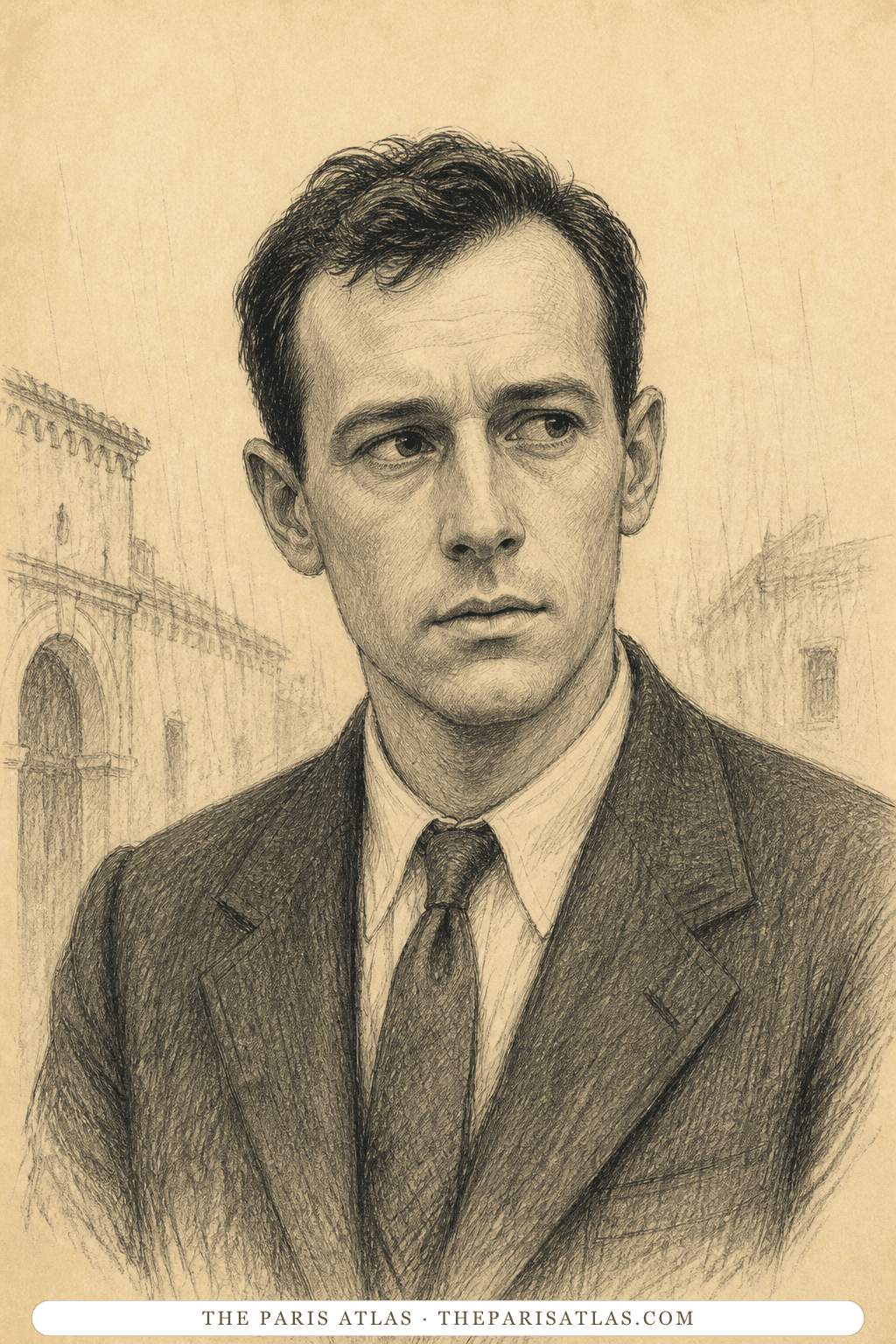
The former New York bank clerk who comes to Tangier without a plan and begins treating danger as proof that he is alive.
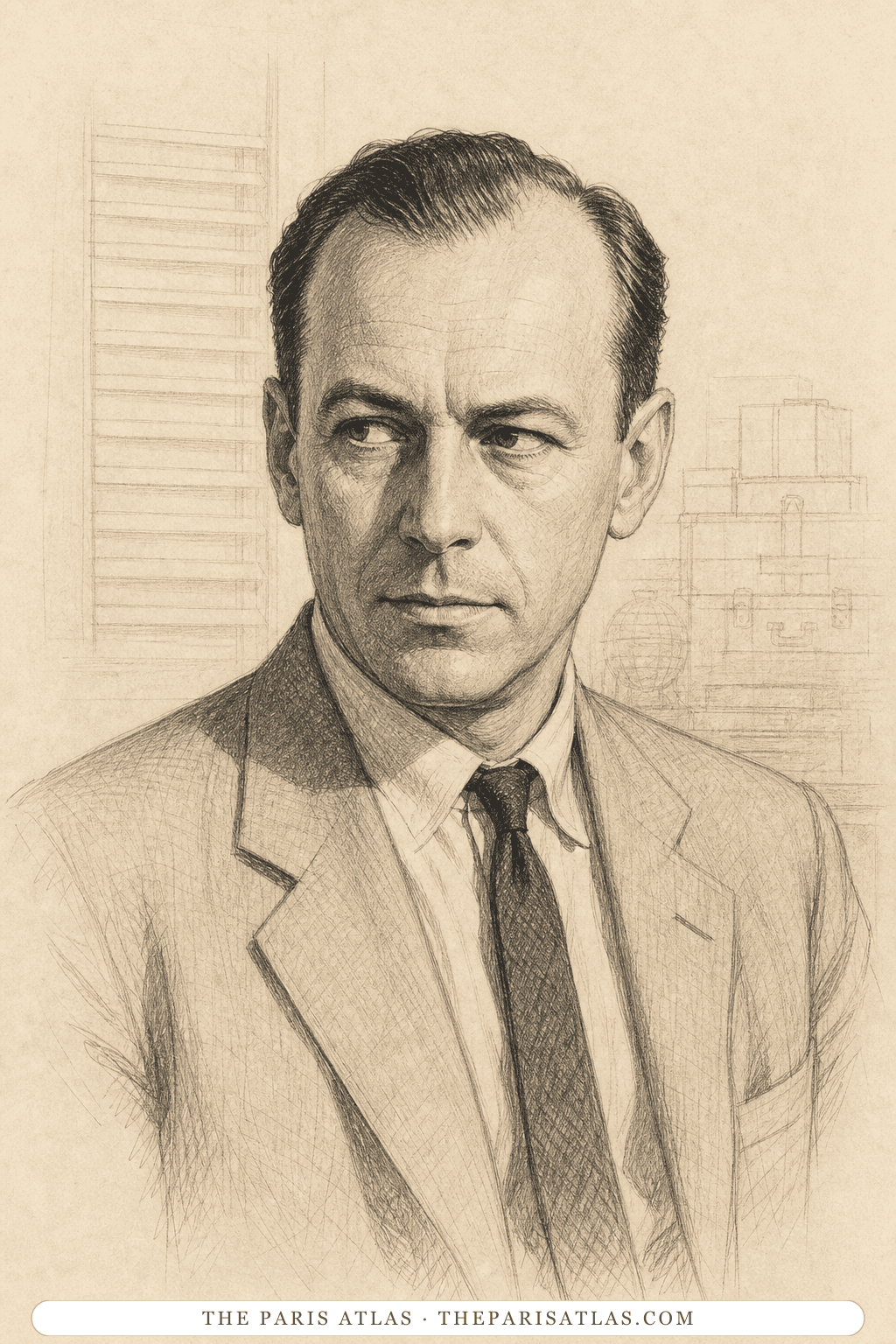
The American travel agent who brings Dyar to Tangier and turns his employee into a currency courier.
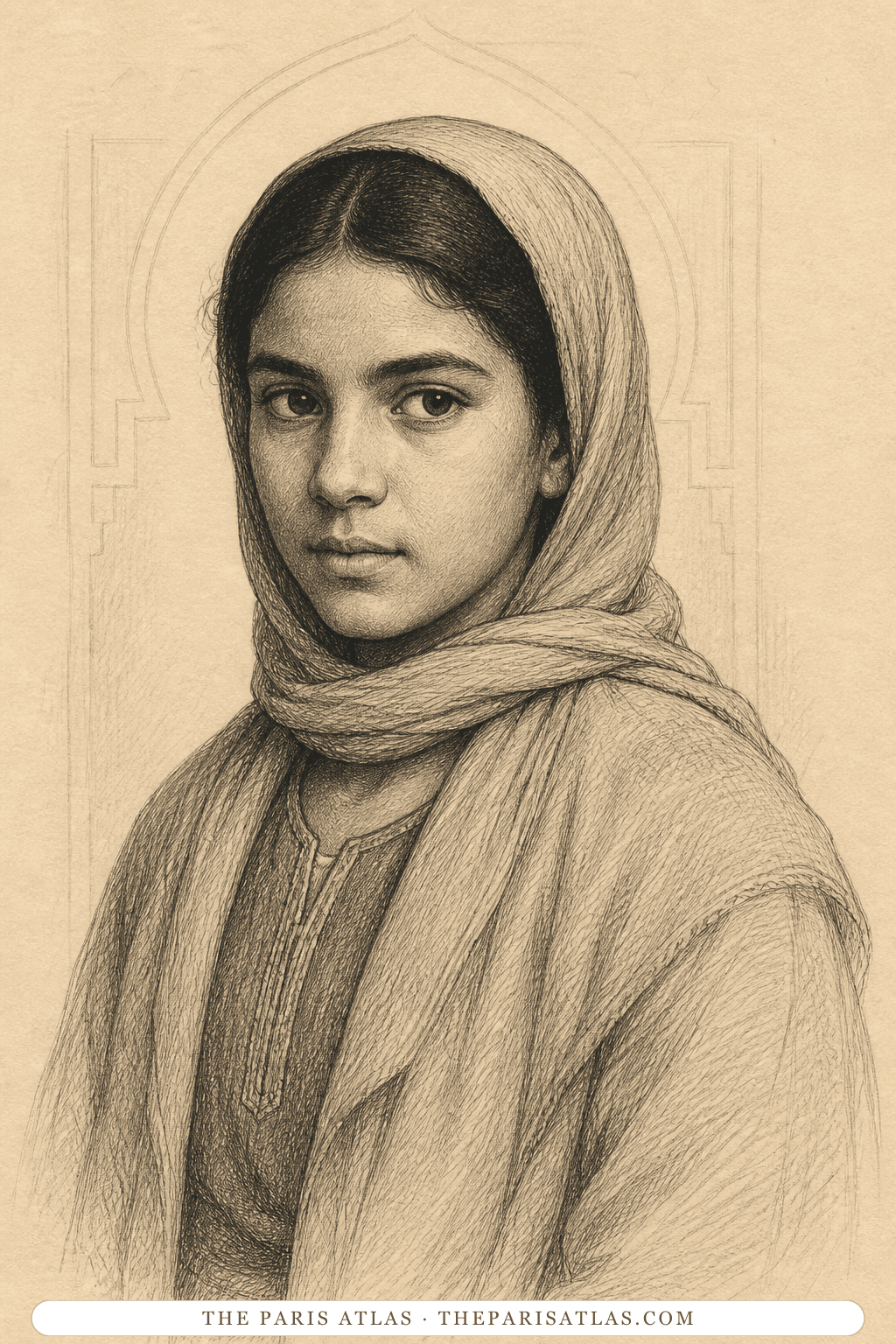
A Moroccan teenager whom Dyar and Eunice claim to love, though neither fully understands her needs or plans.
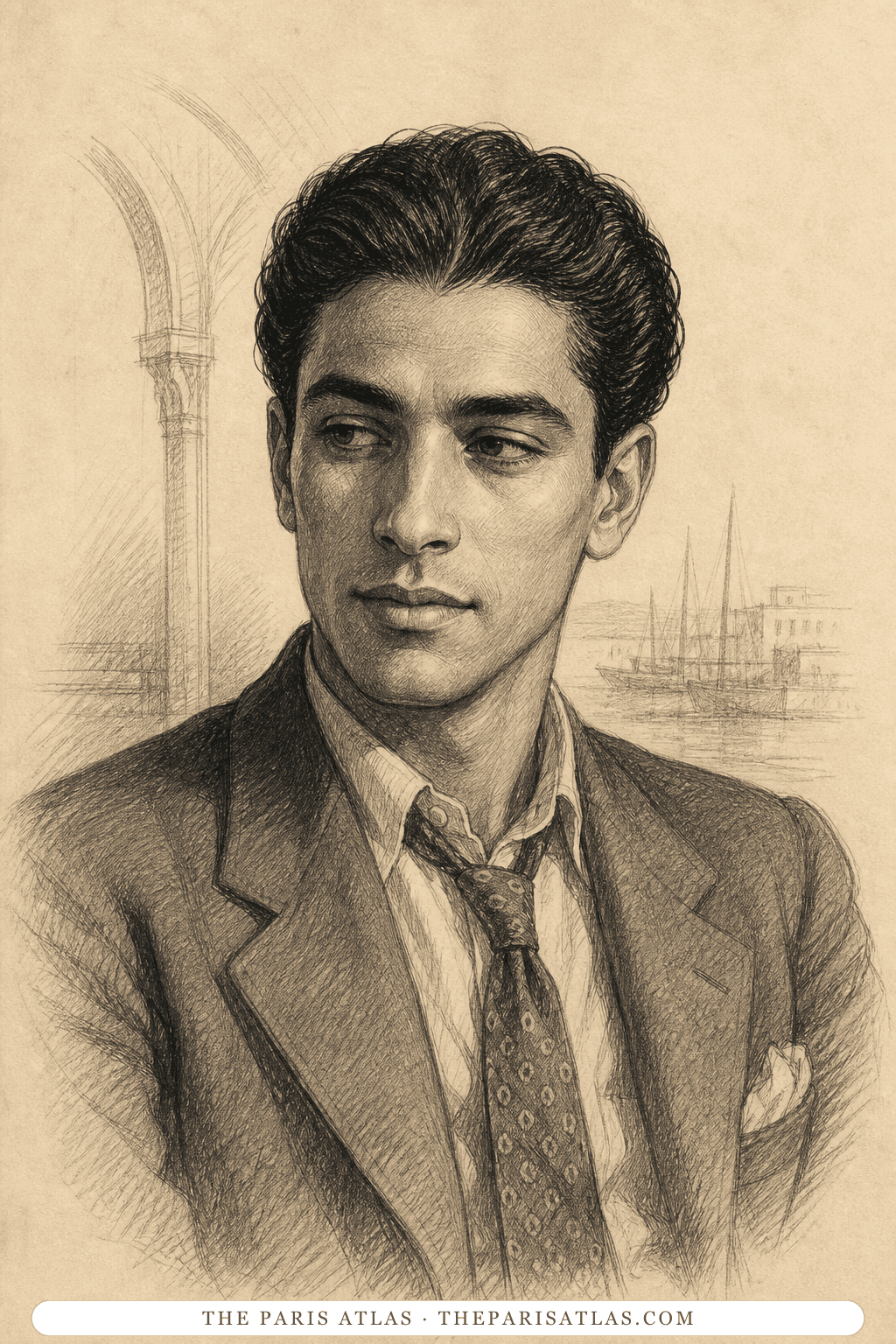
A Moroccan man from a prominent family who rejects its respectability, guides Dyar, and joins his escape.

The American marquesa who recognizes Dyar’s lack of purpose, brings him into expatriate society, and becomes his lover.
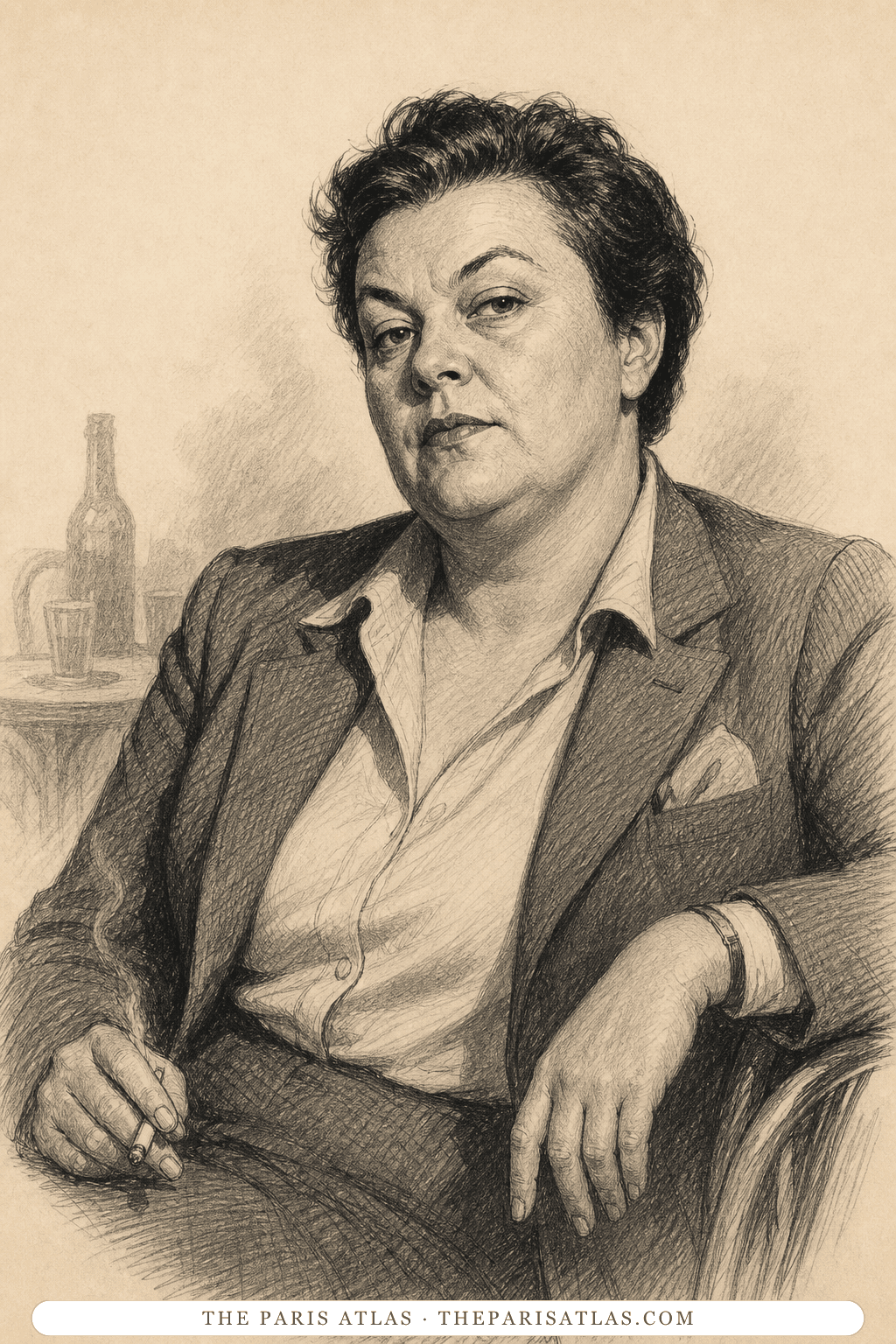
A wealthy American whose gifts, drinking, and possessive love for Hadija turn affection into control.
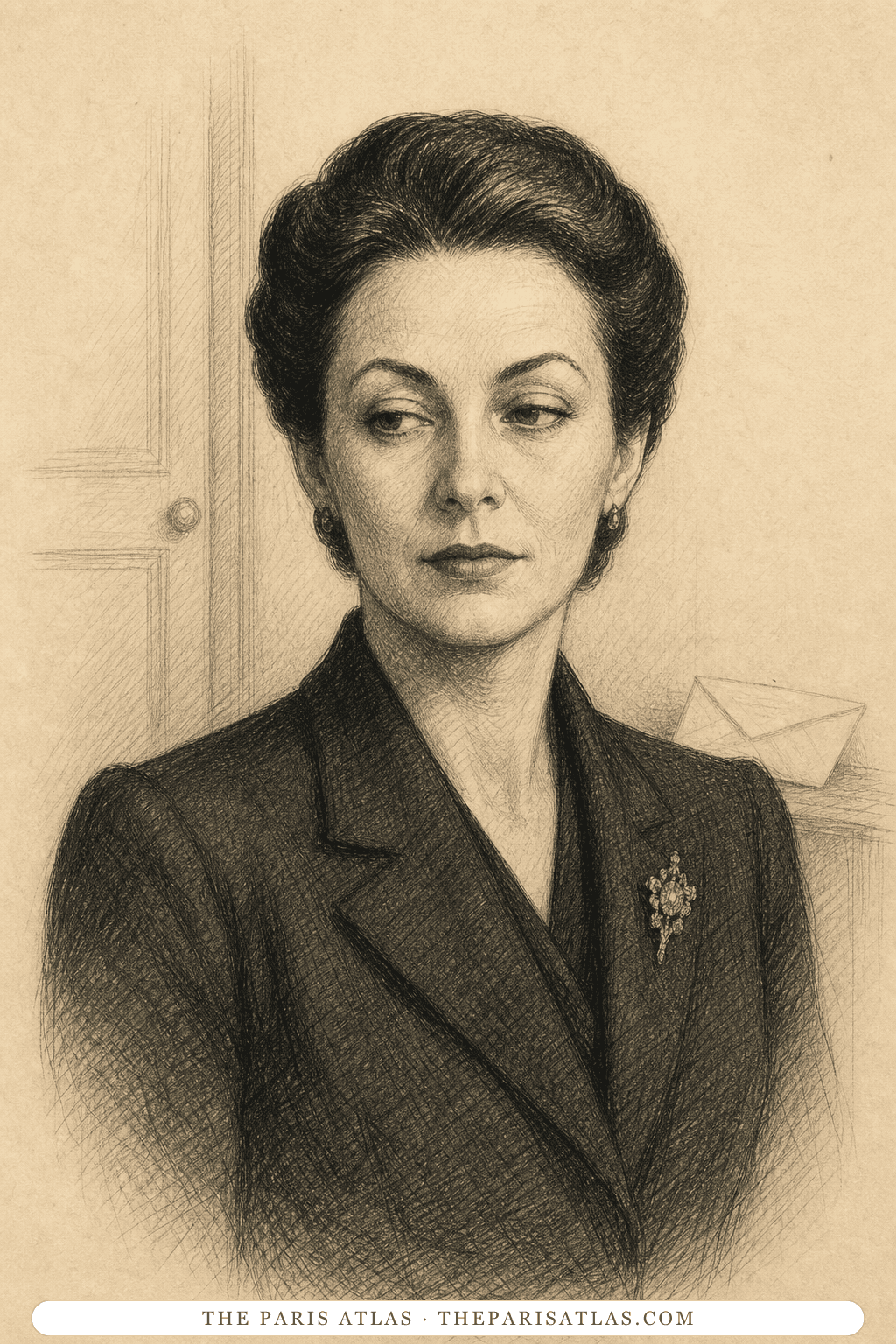
The discreet Soviet agent who buys information from Dyar and feeds his fantasy that secrecy makes him important.

Daisy’s Spanish husband, whose title, wealth, and villa form part of the protected expatriate world Dyar enters.
1949
Bowles begins the novel after sailing past Tangier and imagining a coastal scene that became part of Dyar’s story.
1952
Random House publishes the American edition, and John Lehmann publishes the British edition.
1950s onward
The novel remains closely associated with Bowles’s first three North African novels: The Sheltering Sky, Let It Come Down, and The Spider’s House.
1980
Black Sparrow Press reissues the novel during an American revival of Bowles’s work.
2002
Library of America includes it with The Sheltering Sky and The Spider’s House in an annotated collected edition.
2006
Harper Perennial publishes the 304-page paperback with ISBN 9780061137396.


Bowles’s first novel also follows Americans who expect North Africa to change them, then discover that travel does not remove the self they brought along.
Read our take
Both follow emotionally detached men in North Africa whose inner distance ends in the killing of an Arab man, though Bowles gives Thami far more personal history and interior life.
Read our take
Both turn intoxication, a foreign setting, and self-destruction into a tightening path toward an ending the protagonist can no longer avoid.
Read our take
Both use a crime plot to examine foreign privilege and the damage caused by outsiders who believe their private ideas matter more than local lives.
Read our takeIt follows Nelson Dyar, a bored New York bank clerk who moves to Tangier, joins illegal currency and espionage schemes, steals money, and finally murders the Moroccan man who helps him escape.
The books do not share characters or plot. Both follow Americans in North Africa who expect travel to transform them and badly misunderstand the people around them.
Most of the novel takes place in Tangier during the final years of the International Zone. The ending moves into Spanish-controlled northern Morocco.
Kif is a smoked cannabis preparation. Majoun is an edible cannabis mixture. Dyar’s heavy use contributes to the distorted perception of the final chapters.
Dyar is intoxicated, exhausted, paranoid, and caught in a delusion. The murder also completes his longer attempt to prove that he can act decisively. Drugs shape the delusion but do not erase his responsibility.
It comes from Macbeth. Banquo says that it will rain, and a murderer answers, “Let it come down,” immediately before Banquo is attacked.
The novel is not generally known through a major feature-film adaptation. Readers usually encounter this story in Bowles’s original book.
Explore authors with a similar voice, perspective, and influence.
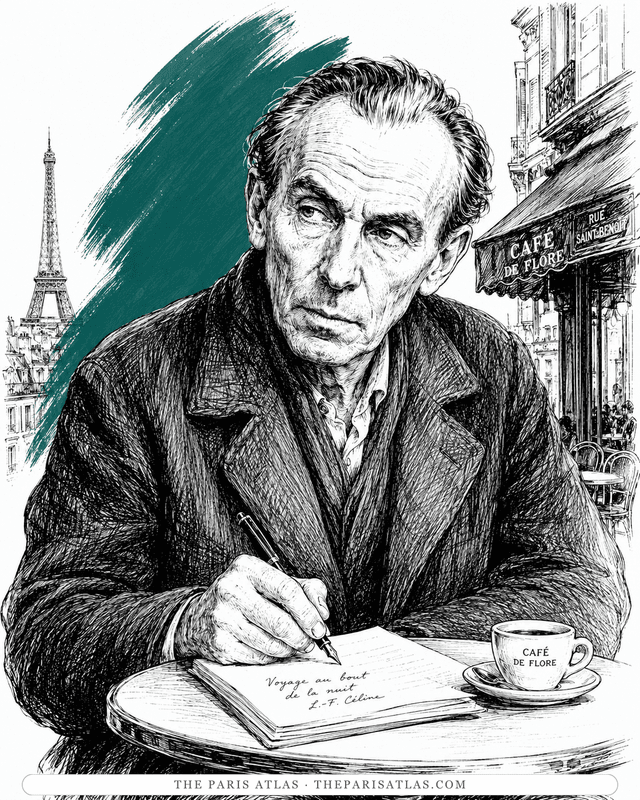
The doctor of the Paris slums who wrote the century's blackest, funniest novel — and changed the sound of French prose.
View author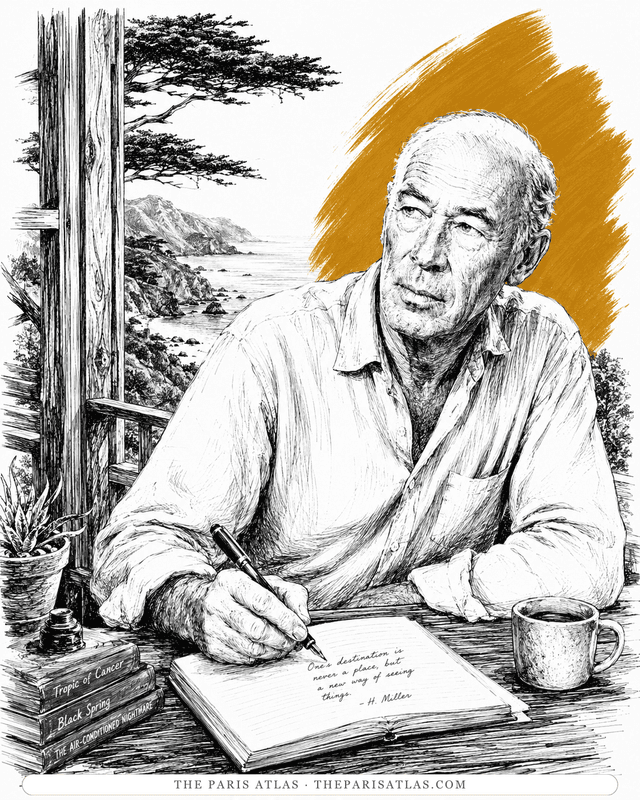
The Brooklyn dropout who arrived in Paris broke at thirty-eight and wrote the exuberant, banned books that ended American censorship.
View author
War correspondent who covered the Spanish Civil War, D-Day, and conflicts across five more decades; Hemingway's third wife, 1940–1945.
View authorThe sources below include the primary text, editions, scholarship, archival materials, and other records that informed this page. They document Let It Come Down, its publication, and its place in literary history.


Official publisher record used for the collected edition, date, Tangier setting, style, and narrative trajectory.
Cambridge University Press chapter used to verify the exact method of Thami’s murder, with a locator to Bowles’s collected novels.
Finding aid used to verify the surviving typescript and 1952 Random House publication.
Bowles scholar Barnaby Rogerson’s afterword used for the account of how Bowles began the novel in 1949.

Primary Shakespeare text used to verify the title line.
Used to verify the 1952 edition, pagination, later editions, ISBNs, and Bowles’s later preface.
Used to cross-check Harper editions and pagination.
Used to cross-check edition identifiers and library availability.
Used to cross-check the bibliographic record by ISBN.
The primary text is the baseline reference for every book page. Additional references document publication history, interpretation, and historical context where that evidence is available.
 Explore more resources