
The Diary of a Drug Fiend
A more addiction-centered version of drugs and European decadence.
Read our take
by Pitigrilli
A cynical journalist moves through sex, scandal, cocaine, and decadent Paris at the beginning of the 1920s.
Pitigrilli’s fast, satirical novel follows a young Italian journalist through Parisian nightlife, cocaine, erotic freedom, scandal, and moral disintegration.
Pitigrilli’s Cocaine follows Tito Arnaudi, a young Italian journalist who moves through Turin and Paris with the cool confidence of someone who assumes life is a game and morality is mostly a costume. He writes, schemes, seduces, watches scandals unfold, and treats cocaine as one more part of an urban world built on appetite, fashion, money, and self-invention.
This is not an addiction narrative in the later clinical sense. Cocaine forms part of an atmosphere of speed and decadence. Tito is fascinated by surfaces and by people who know how to perform themselves. Paris offers nightlife, sexual intrigue, journalism, and social mobility, but the novel keeps exposing the boredom beneath supposedly sophisticated lives.
Pitigrilli writes with aphoristic speed, cynicism, and comic cruelty. The plot can be outrageous, but the tone remains elegant and amused. The book is less interested in warning readers than in showing a world where nearly everyone has learned how to rationalize what they want.
Tito Arnaudi begins as an ambitious journalist and social climber, moving through Italian city life with a talent for observation and manipulation. He treats journalism as access to people and scandals rather than as a solemn civic mission.
His career and relationships take him into increasingly decadent settings. Cocaine circulates among artists, wealthy figures, journalists, and people looking for stimulation. Tito uses the drug and studies its place in a social world where boredom seems almost more frightening than danger.
He becomes involved with women whose relationships with him are shaped by money, performance, jealousy, and his refusal of ordinary morality. The novel repeatedly presents desire as a contest of intelligence and nerve rather than as sentimental romance.
Paris expands Tito’s world. Nightlife, hotels, cafés, sex, and professional opportunism give him the freedom he thinks he wants. His ability to turn everything into a joke, however, begins to look less like freedom than emotional insulation.
Scandal and misfortune accumulate around the characters. Tito survives through adaptability, but the book steadily strips glamour from the idea that sophistication can make anyone immune to consequences.
The novel does not turn Tito into a moral reformer. A tidy repentance would weaken Pitigrilli’s satire.
The closing movement preserves the book’s uneasy mixture: pleasure is real, hypocrisy is everywhere, and cleverness offers no reliable protection from emotional or social collapse.
The ending therefore feels less like a lesson against cocaine than a judgment on an entire culture of appetite and performance.
The characters pursue stimulation because ordinary life feels intolerably dull. Danger becomes attractive when boredom seems like the greater threat.
Tito’s profession teaches him that public life is built from narratives, reputations, and selective truth. Reporting becomes another way to enter rooms, collect secrets, and shape appearances.
The chief sub-editor's café speech turns independence into a joke at his own expense. He begins by arguing that rivals are useful forces a clever person can exploit. By the end, he says drinking makes him so obedient that the editor could set him to polishing the floor. The movement from mastering opposition to accepting any command undercuts his claim to self-direction. His eloquence does not stand outside the world he criticizes: it supplies a polished explanation for his own submission to it.
The drug represents speed, glamour, risk, and the wish to intensify experience. It matters medically, but Pitigrilli also uses it to describe a whole social tempo.
Relationships often become games of power, curiosity, and self-protection. The narration also carries period prejudices and dismissive attitudes that belong to the social world Pitigrilli is satirizing.
Cities allow characters to reinvent themselves through clothes, work, nightlife, and new acquaintances. Reinvention can also become another form of instability when no identity requires lasting responsibility.
Pitigrilli repeatedly exposes the gap between respectable appearances and private behavior. His satire targets polite society as sharply as it targets open decadence.
Pitigrilli writes quickly, using epigrams, jokes, sharp dialogue, and a cynical narrator’s eye for social absurdity. Scenes often seem to move faster than their moral consequences can catch up.
The style is sophisticated without being heavy, lurid without becoming clumsy, and much funnier than the title may lead readers to expect. Translation matters because that effect depends on speed, idiom, and aphoristic phrasing.
The café passage opens by turning street sounds into patches, curves and strokes of color seen through misted windows. The crowd becomes a composition before it becomes a collection of people. That pattern returns when Madame Ter-Gregorianz's hat and face are described as a question mark: a person is presented first as an arresting shape to be read. The prose makes social life visually exciting while also showing the distance built into this kind of attention. Tito's world is full of sensations, but looking closely need not mean understanding someone.
Modern English readers are most likely to encounter the New Vessel Press edition translated by Eric Mosbacher. Pitigrilli’s wit depends heavily on speed and idiom, so the translator’s handling of compact jokes and epigrams matters.
No single screen adaptation has displaced the novel in cultural memory. Specific adaptation claims should be verified against film records before they are added to the page.
The novel makes sophistication, nightlife, drugs, and self-destruction part of the same fast-moving social world.
Tito treats news, scandal, and reputation as tools for entering rooms and manipulating appearances.
Pitigrilli’s jokes and epigrams make the book move quickly even as its glamorous surfaces collapse.
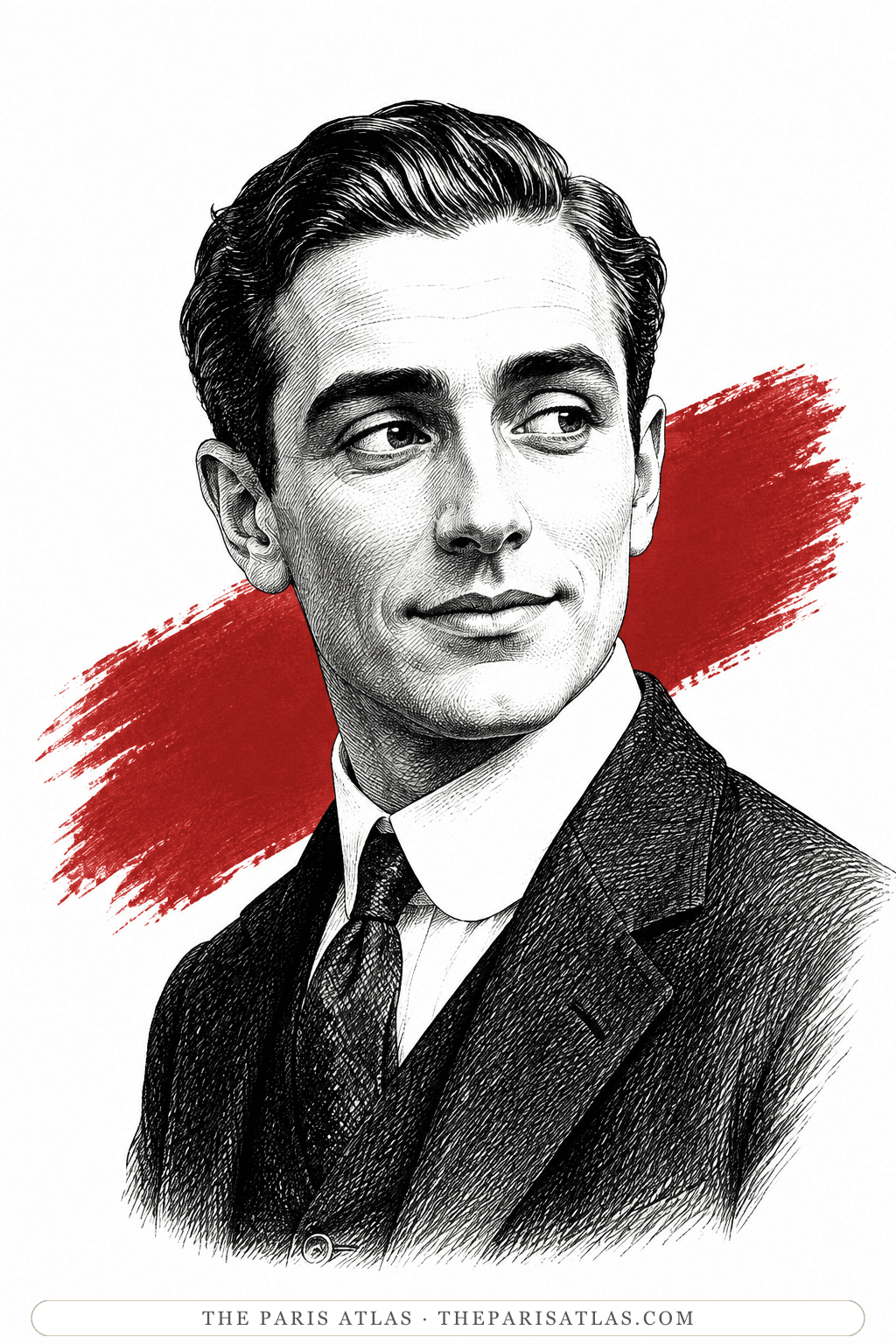
The ambitious journalist, observer, seducer, and social opportunist at the center of the novel.

The women who meet Tito as partners, rivals, and mirrors of the sophisticated world he wants to master.

The supporting social world of newspapers, nightlife, money, art, drugs, and scandal.
1921
Cocaina is first published in Italy.
1920s
The novel circulates widely in Europe and becomes associated with Pitigrilli’s scandalous reputation.
2013
New Vessel Press publishes Eric Mosbacher’s English translation, helping revive the novel for English-language readers.

A more addiction-centered version of drugs and European decadence.
Read our take


Another glamorous social world that slowly reveals its emptiness.
Read our take
Only partly. Cocaine is important, but the larger subject is decadent urban life, journalism, sex, boredom, and social hypocrisy.
Yes. Pitigrilli was the pen name of Italian writer Dino Segre.
Partly. Paris is one of its crucial urban settings, alongside Italian cities.
Not exactly. His intelligence is entertaining, but the novel repeatedly reveals the emotional emptiness behind his cynicism.
It is more satirical than moralistic. Pitigrilli mocks respectable society as sharply as he mocks decadence.
No. Its pace and wit are central to its appeal.
Its open treatment of drugs, sex, cynicism, and social hypocrisy challenged conventional expectations in the early 1920s.
Yes in atmosphere: both involve drugs, European decadence, sex, and nightlife. Crowley is more interested in addiction and spiritual recovery.
Explore authors with a similar voice, perspective, and influence.
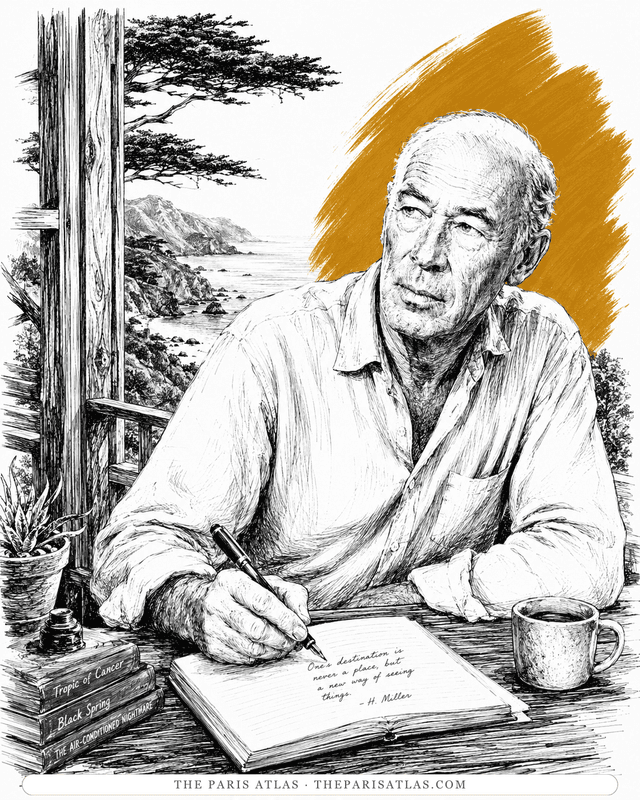
The Brooklyn dropout who arrived in Paris broke at thirty-eight and wrote the exuberant, banned books that ended American censorship.
View author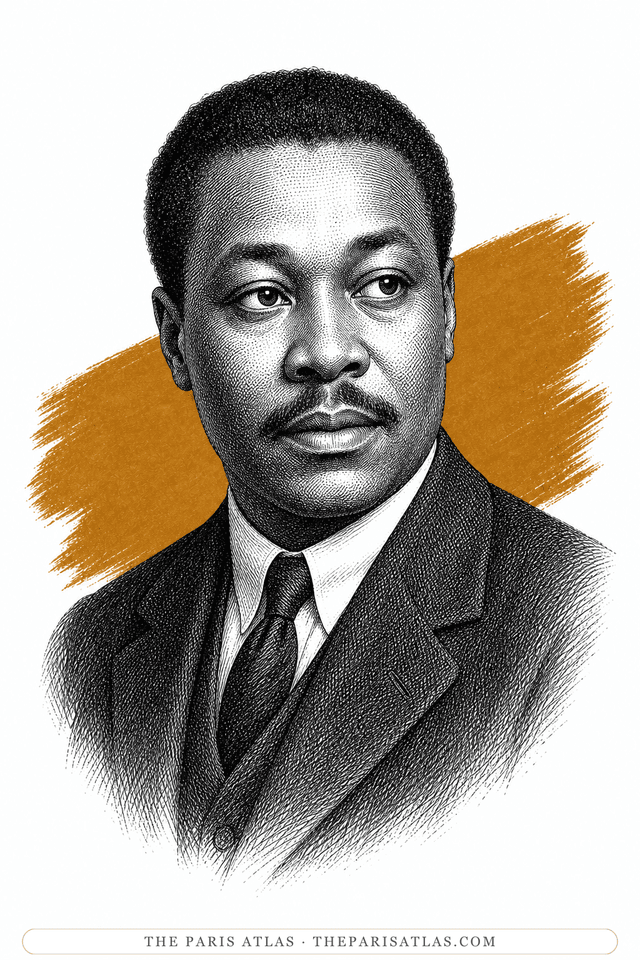
Jamaican-born poet and novelist, and one of the essential writers of the Harlem Renaissance. He arrived in Paris from Moscow in 1923 and stayed in France until 1928, writing Home to Harlem there — and forming a low opinion of the rich, white expatriate scene that dominates most accounts of the period. His Paris is the same years as Hemingway's and almost nothing like it.
View author
American novelist and composer whose expatriate fiction explores dislocation, unstable intimacy, fatalism, and North Africa.
View authorThe sources below include the primary text, editions, scholarship, archival materials, and other records that informed this page. They document Cocaine, its publication, and its place in literary history.


The primary text represented by this page, used for descriptions of the work’s contents and for any quoted passages shown here.

Publisher record for the English edition, translator, and framing of the novel’s Parisian drug culture.
Authoritative biographical record for Dino Segre, who wrote as Pitigrilli.
Library catalog evidence for edition and publication metadata.
Critical context for the novel’s style and modern English reception.
The primary text is the baseline reference for every book page. Additional references document publication history, interpretation, and historical context where that evidence is available.
 Explore more resources