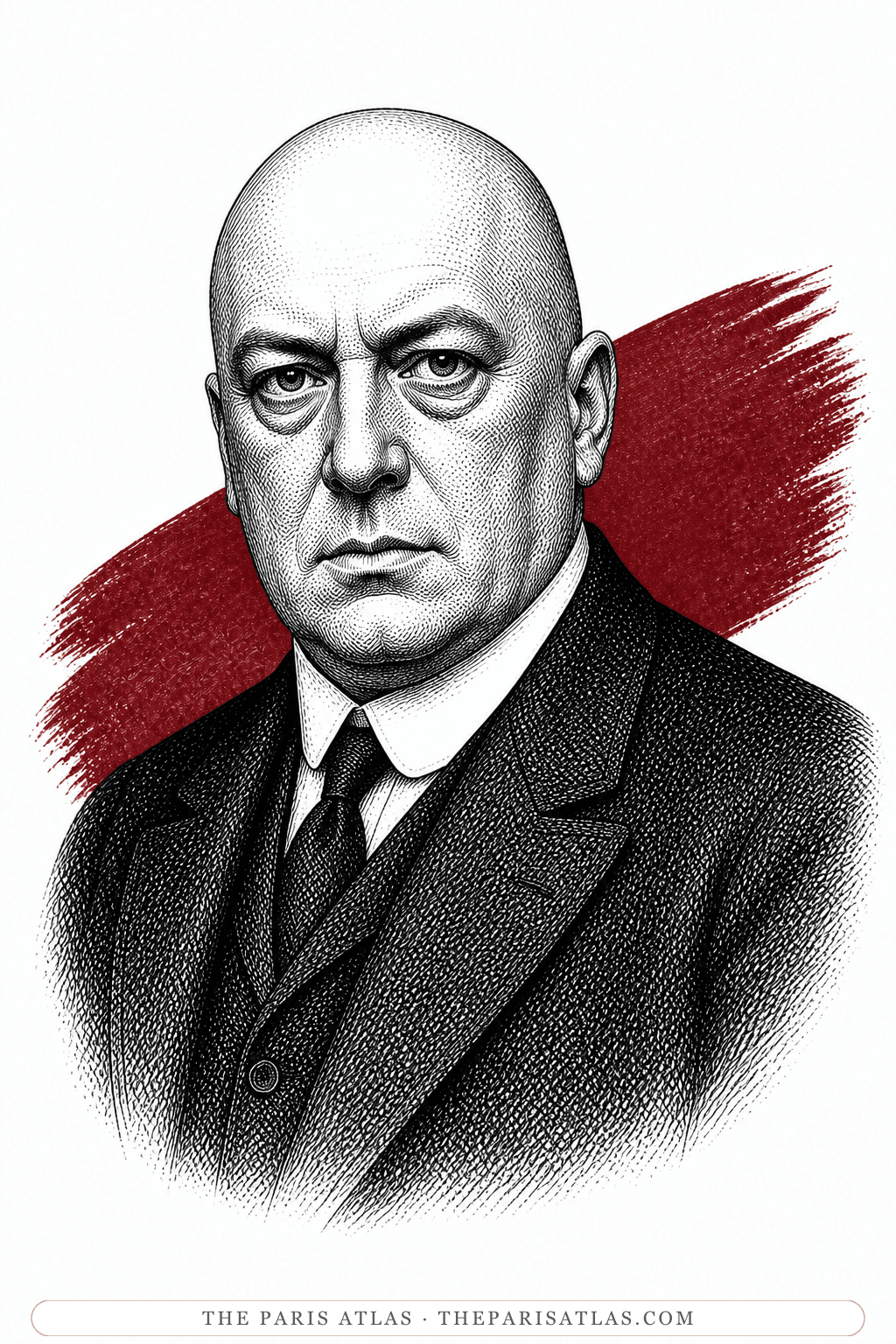

Cocaine
The closest companion for cocaine, sophistication, and early-1920s European decadence.
Read our take
Two lovers turn cocaine and heroin into a private romance before pleasure gives way to dependence, desperation, and spiritual crisis.
Peter and Lou begin with champagne, cocaine, heroin, hotels, and the conviction that intoxication has opened a more intense way of living. Their glamorous private world gradually contracts into addiction and loss of control.
Two lovers build a private world around drugs, sex, travel, and occult ideas, then discover how quickly ecstasy can become dependence.
Wolfe’s cheque changes Peter’s circumstances without settling his dissatisfaction. After the war, he has moved from aerial combat to unemployment and then inherited comfort; each condition seems to produce a different self. The solicitor’s deference also exposes how quickly money changes other people’s behaviour toward him. Yet the wealthy Peter is more bored than the struggling one. The opening separates freedom from immediate financial need from the harder problem of finding a purpose, leaving him receptive to experiences that promise to make life intense again.
The coin falls during Peter’s first evening at the Café Wisteria, before the drug-taking adventures that dominate the book. It should not be mistaken for proof of an intoxicated state. His surprise at this ordinary event occurs amid abrupt changes of mood and gaps in his account of the evening. The tiny movement interrupts a narrator who has been explaining his mind with great confidence. His attempt at self-analysis is already accompanied by moments he cannot readily explain.
The publisher’s synopsis describes the later movement from the couple’s drug-fuelled travels to dependence, followed by King Lamus’s intervention. That arc gives the opening restlessness a larger role: the novel will offer a doctrine of self-command as an answer to a life without direction. Readers can examine how Crowley constructs that answer without treating his fictional resolution through Magick as evidence of an effective treatment. The book’s spiritual argument belongs to its literary design, not to medical guidance.
Crowley combines drugs, romance, European decadence, occult thought, and the narrowing logic of addiction.
Peter and Lou’s romance changes as intoxication becomes dependency, making addiction a shared problem rather than an isolated spectacle.
The contrast between apparent freedom and declining control gives readers a central conflict to question throughout the novel.
1922
Collins publishes Crowley’s novel about intoxication, dependence, and the pursuit of self-command.
July 1923
The New York Times reviews the novel during its early American reception.
2010
Weiser Books publishes a new trade paperback edition in September.

The closest companion for cocaine, sophistication, and early-1920s European decadence.
Read our take
Another pair of lovers who make heroin part of their relationship before it destroys their private world.
Read our take
Crowley’s other major novel moves more deeply into ceremonial magic and occult rivalry.
Read our takeNo. It is a novel. The title describes its narrative presentation, not a claim that the book reproduces an unedited personal journal.
Peter and Lou are the central couple. Their pursuit of heightened experience leads from glamorous intoxication toward addiction and loss of control.
Cocaine and heroin are prominent in the couple’s experience. The novel should be read as literature, not as reliable advice about drug use or treatment.
Its early glamour is followed by contraction and dependence. The contrast between the couple’s imagined freedom and their loss of control drives the story.
Yes. The relationship between will, self-command, and experience connects it to Crowley’s wider concerns. Those ideas belong to the novel’s outlook, not to medical guidance.
Explore authors with a similar voice, perspective, and influence.
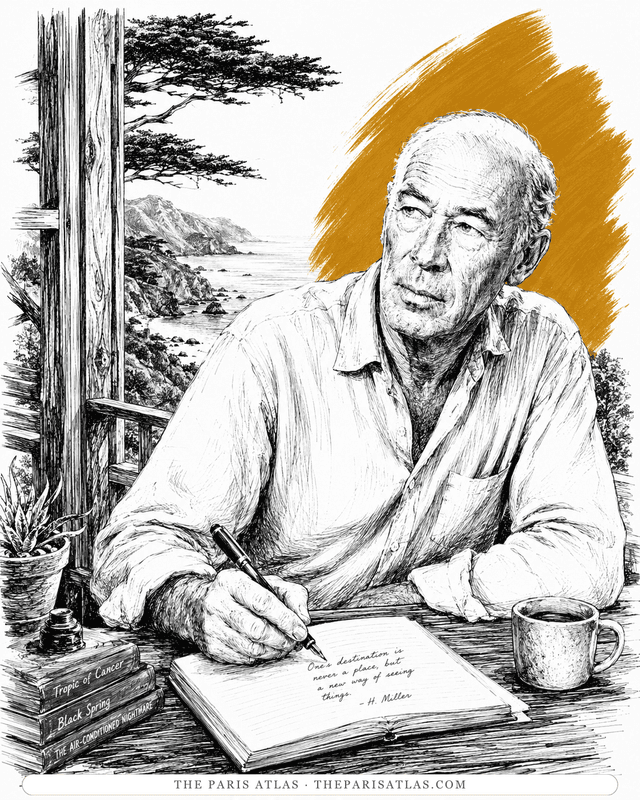
The Brooklyn dropout who arrived in Paris broke at thirty-eight and wrote the exuberant, banned books that ended American censorship.
View author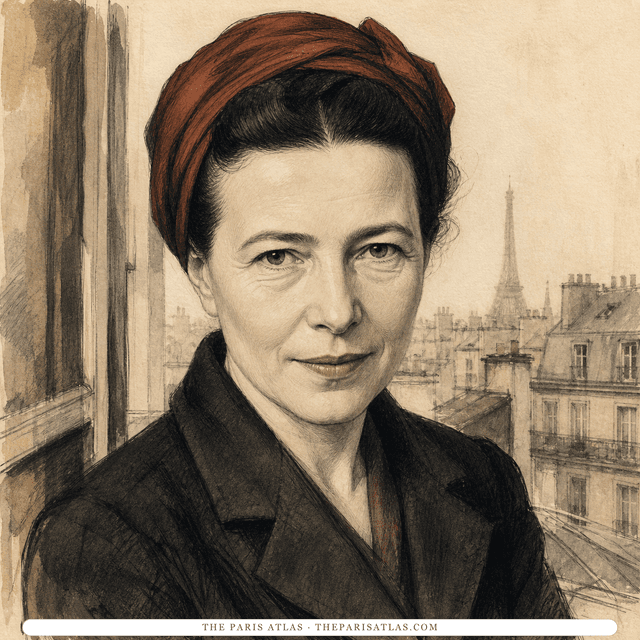
French writer and philosopher whose novels, memoirs, and social analysis examined freedom, gender, responsibility, aging, and the material conditions that shape a life.
View author
American novelist and composer whose expatriate fiction explores dislocation, unstable intimacy, fatalism, and North Africa.
View authorThe sources below include the primary text, editions, scholarship, archival materials, and other records that informed this page. They document The Diary of a Drug Fiend, its publication, and its place in literary history.

The primary text represented by this page, used for descriptions of the work’s contents and for any quoted passages shown here.

Official record used to verify names, dates, institutional details, or other factual information on this page.
Official record used to verify names, dates, institutional details, or other factual information on this page.
Archival evidence used to document the historical record connected to The Diary of a Drug Fiend.
Biographical evidence used to verify chronology, relationships, and historical context connected to The Diary of a Drug Fiend.
Web source consulted for documented facts and historical context presented on the The Diary of a Drug Fiend page.
Web source consulted for documented facts and historical context presented on the The Diary of a Drug Fiend page.
Primary text included as part of the documented record for The Diary of a Drug Fiend.
The primary text is the baseline reference for every book page. Additional references document publication history, interpretation, and historical context where that evidence is available.
 Explore more resources