
Factotum
The direct sequel in the life: the boy of this novel becomes the wanderer of that one.
Read our take
The childhood behind the persona: the beatings, the acne, the library, and the first drink — Bukowski's most sustained novel.
Ham on Rye, published by Black Sparrow Press in 1982, is Charles Bukowski's autobiographical novel of childhood and adolescence, and for many readers his best book. It gives Henry Chinaski — the fictional alter ego who narrates most of Bukowski's novels — a beginning: a Los Angeles boyhood in the Depression under a violent father, school years poisoned by poverty and disfiguring acne, the discovery of the public library, and the first drink. The macho persona of the later books is dismantled here by the simple act of showing where the armor came from. The man who appeared uninterested in vulnerability wrote an entire novel explaining it.
The novel runs from Chinaski's earliest memories through the end of adolescence: the father who beats him with a razor strop for missed blades of grass, the mother who does not intervene, the schoolyard hierarchies of Depression-era Los Angeles, and the catastrophic acne that isolates him just as adolescence begins.
Against all of it the boy finds two escapes that will organize the rest of the life: the public library, where he hunts for writers who sound alive, and alcohol, discovered in a friend's father's wine cellar and received like a revelation. The novel ends with Chinaski grown, jobless, and pointed at the wandering years of Factotum.
The novel covers Henry Chinaski's childhood and adolescence in Los Angeles through the Great Depression. He is beaten regularly by his father, isolated at school, and unable to play the games that would let him belong.
In his teens he develops acne so severe he is hospitalised and treated with a drill-like instrument that leaves scars. The disfigurement finishes what the beatings and the poverty began. Then he finds two things that work: alcohol, at a friend's house, and the public library, where he reads D. H. Lawrence and discovers that books can be written by people like him.
The book closes near the start of the Second World War, with Chinaski out of school, out of his father's house, and beginning the drifting years that Factotum picks up.
The opening gives sunlight and a hanging cloth more interest than the adults nearby. That choice establishes Henry's scale of attention before the novel explains his family. At the same time, the narrator reconstructs his age and location with qualifications: the memory preserves a feeling more securely than its circumstances. The break before the Christmas recollection refuses a smooth account of those early years. Safety beneath the table remains a particular remembered pleasure, not proof of a uniformly happy childhood or an uninterrupted record of the past.
Henry listens for the piano's faintest sounds while the adults talk. His pleasure is exploratory, not a performance seeking their approval. The father's loud interruption sets that private attention against a demand for silence; the grandmother's reply briefly protects it. Her permission matters because Henry cannot simply overrule his father himself. The complaint about tuning then gives the instrument two competing meanings: an imperfect possession to an adult, a source of discovery to the child. Continued play is a small freedom secured within the family's arguments.
The episodic method of the other novels tightens here into a real arc: a childhood, told start to finish, with the control the subject demands.
Every posture of the later books traces back to something on these pages — the authority-hatred to the strop, the solitude to the acne, the escape to the library and the bottle.
The public library offers Chinaski an alternative to the hostility of home and school, making reading part of his attempt to survive adolescence.
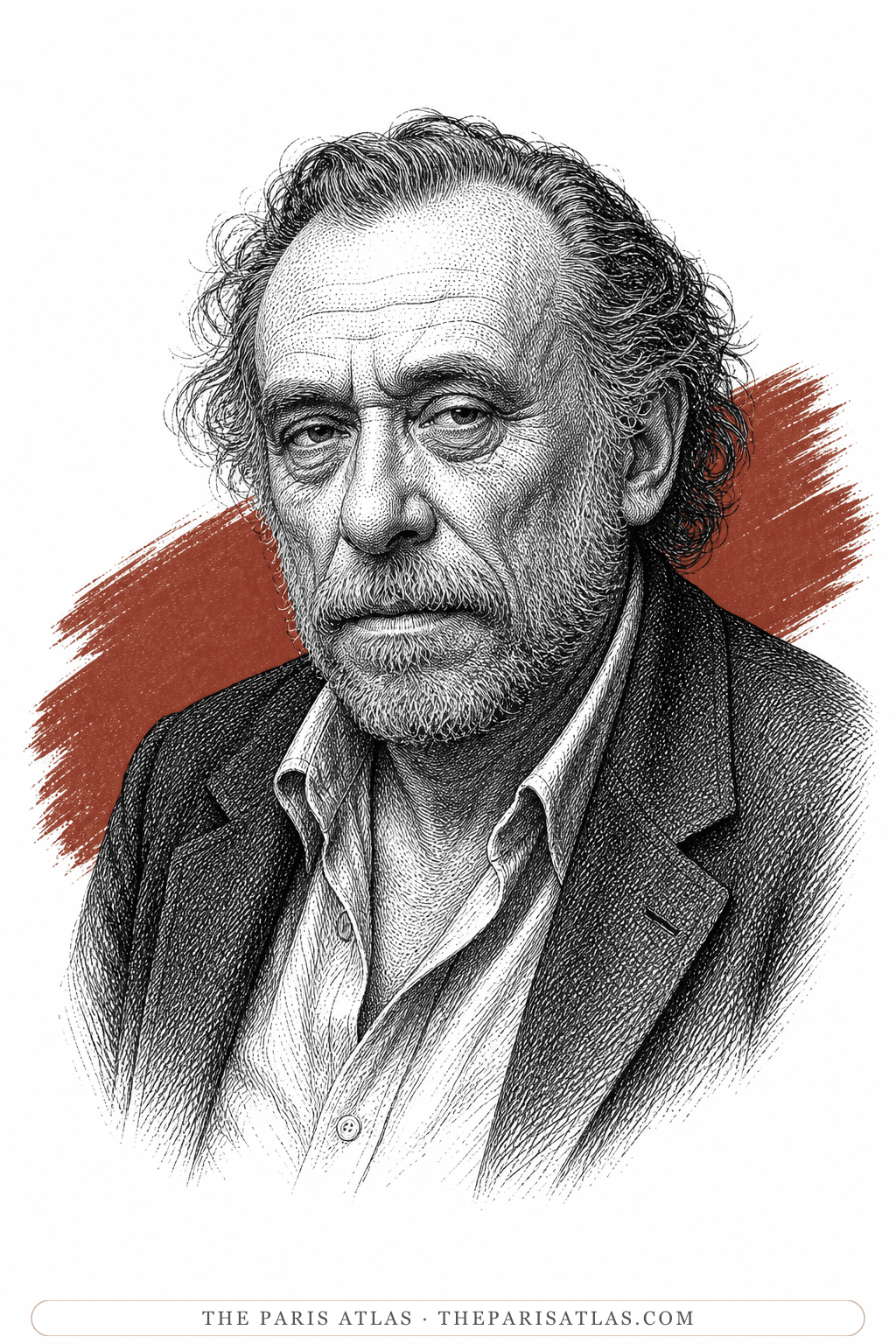
Bukowski's alter ego as a child and adolescent — beaten at home, isolated at school, and disfigured by acne before he finds drink and the public library.

Chinaski's father: unemployed through the Depression but pretending otherwise, and violent with the boy on a schedule. He is drawn from Bukowski's own father.

Chinaski's mother, who does not intervene. She is drawn from Bukowski's German-born mother.
1920s–1930s
Bukowski's real Los Angeles childhood — the beatings, the poverty, the acne — supplies the novel's material.
1982
Black Sparrow Press publishes Ham on Rye, Bukowski's fourth novel.
2007
Ecco publishes a paperback edition of Bukowski’s childhood novel.

The direct sequel in the life: the boy of this novel becomes the wanderer of that one.
Read our take

The Depression-era Los Angeles novel Bukowski discovered in the library years this book describes.
Read our takeCharles Bukowski's 1982 autobiographical novel follows his fictional alter ego Henry Chinaski from earliest childhood through adolescence in Depression-era Los Angeles: the violent father, the passive mother, poverty, school, disfiguring acne, the public library, and the first drink.
It is the most common answer among his readers and critics. It is his most sustained and controlled novel, and it explains the persona the other books perform.
Very. The beatings, the acne, and the library are documented parts of Bukowski's real childhood. As always, Chinaski is a fictional rearrangement rather than testimony — but this novel stays closest to the record.
Bukowski never fixed a single meaning. The sandwich is Depression-era ordinary — cheap lunch food — and readers have heard echoes of The Catcher in the Rye's adolescent narrator in it; the title lets both readings stand.
It works as a first book, and chronologically it is the beginning of Chinaski's story. Post Office is shorter and faster; Ham on Rye is deeper. Either door leads to the other.
Earliest in the story, last in the writing. It covers childhood and adolescence, and was published in 1982, eleven years after Post Office.
Yes. Bukowski was hospitalised as a teenager with severe acne and treated with a procedure that left permanent scars on his face.
Explore authors with a similar voice, perspective, and influence.
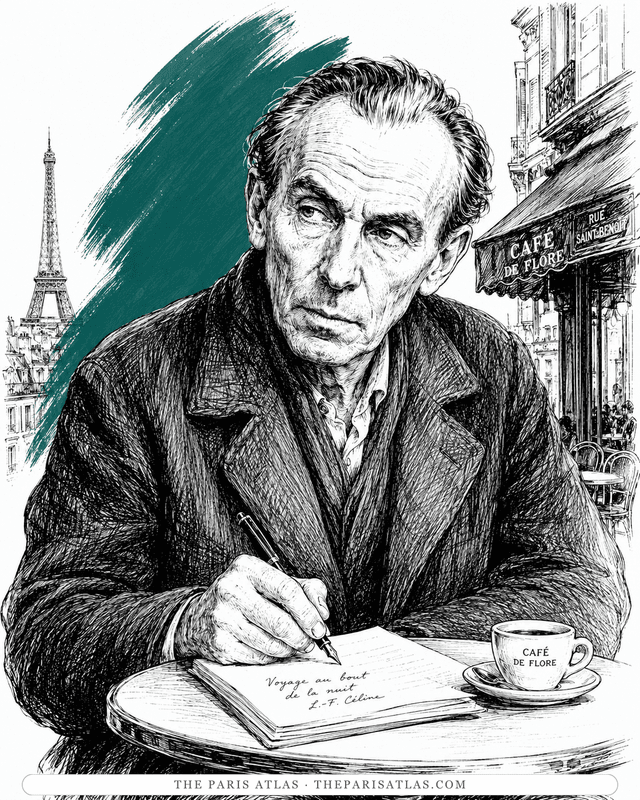
The doctor of the Paris slums who wrote the century's blackest, funniest novel — and changed the sound of French prose.
View author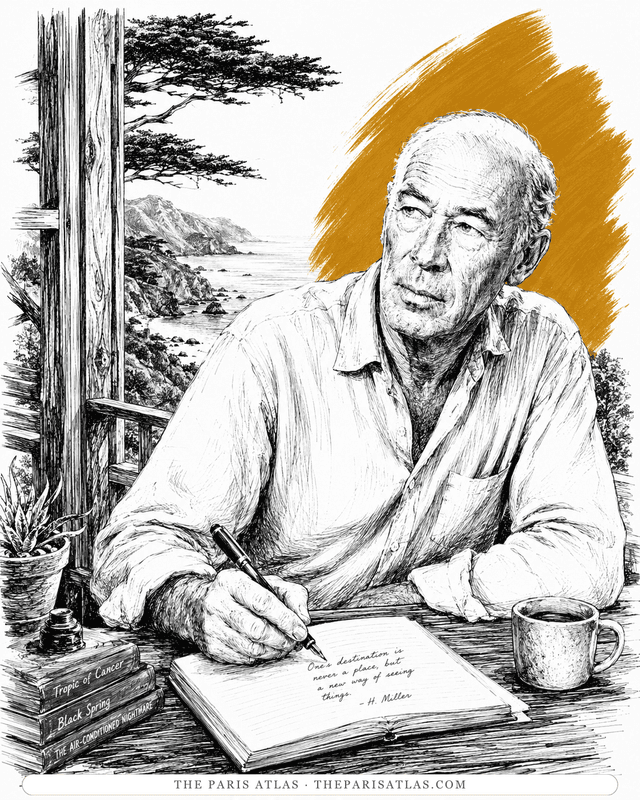
The Brooklyn dropout who arrived in Paris broke at thirty-eight and wrote the exuberant, banned books that ended American censorship.
View author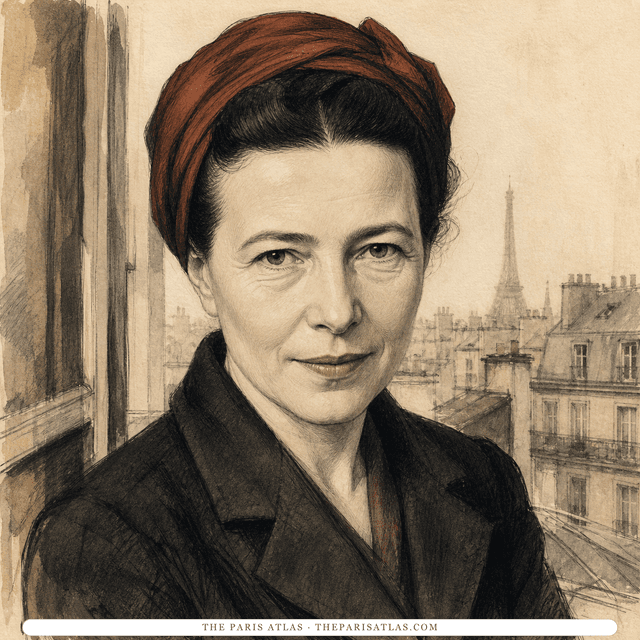
French writer and philosopher whose novels, memoirs, and social analysis examined freedom, gender, responsibility, aging, and the material conditions that shape a life.
View authorThe sources below include the primary text, editions, scholarship, archival materials, and other records that informed this page. They document Ham on Rye, its publication, and its place in literary history.


Biographical and bibliographic backbone: the career arc, the Black Sparrow relationship, and the book's place in it.
Publication dates, publishers, and chronology checked against the bukowski.net timeline.
Bibliographic details cross-checked against the Verdant Press checklist.

Official record used to verify names, dates, institutional details, or other factual information on this page.
Primary-text evidence for both opening scenes; citations use the sample's printed novel pagination.
The primary text is the baseline reference for every book page. Additional references document publication history, interpretation, and historical context where that evidence is available.
 Explore more resources