
The Bell Jar
Another semi-autobiographical account of a mental crisis shaped into precise fiction.
Read our take
by Osamu Dazai
A man performs the version of himself other people expect while feeling unable to understand them.
Ōba Yōzō believes he has never understood how to be a human being. He hides his fear behind jokes and charm, but drinking, destructive relationships, and drug dependence gradually overwhelm the performance.
Ōba Yōzō believes he has never understood how to be a human being. As a child, he discovers that making people laugh can hide his fear of them. He becomes the clown, the charming boy, and the entertaining student—anything that keeps others from seeing how alien he feels.[1]
As he grows older, performance stops protecting him. Drinking, relationships, political dabbling, failed work, and repeated self-destruction take over. Yōzō repeatedly depends on women while feeling ashamed of that dependence and unable to trust the ordinary social bonds they offer.[1]
The novel is semi-autobiographical and was Dazai’s final completed novel. Yōzō can describe his failures so elegantly that confession becomes another performance. That gap between insight and honest self-judgment is one reason the book remains unsettling.[1]
The novel opens with an unnamed narrator examining three photographs of Yōzō at different ages. His smiles seem increasingly unnatural because they do not express ordinary pleasure or connection. The images prepare the reader to question the public face presented in Yōzō’s notebooks.[1]
Yōzō’s account begins in childhood. He fears other people and cannot understand the rules of their behavior, so he learns to entertain them. Clowning keeps attention away from his private terror, although a schoolmate’s ability to see through the act makes him realize that the disguise is not perfect.[1]
As a student in Tokyo, Yōzō meets Horiki, an older art student who introduces him to heavy drinking, prostitutes, and bohemian nightlife. Yōzō also drifts into left-wing political circles. He is less committed to their ideas than grateful for a group that gives him a role and tolerates his secrecy.[1]
Yōzō forms a desperate bond with Tsuneko, a café hostess who shares his exhaustion and poverty. They attempt suicide together by drowning. Tsuneko dies, but Yōzō survives, leaving him ashamed, watched by his family, and even more convinced that he harms everyone who comes close to him.[1]
Shizuko later gives Yōzō a temporary home and helps him earn money as a cartoonist. He leaves her and her daughter, then marries Yoshiko, whose open trust briefly makes an ordinary life seem possible. That hope collapses after Yōzō witnesses another man sexually assaulting her and responds with helplessness, horror, and a loss of trust that he directs inward as well as toward the world.[1]
Yōzō’s drinking worsens, and he becomes dependent on morphine after seeking medical help. The people around him eventually intervene. Instead of receiving the rescue he imagines, he is taken to a psychiatric institution and becomes passive, physically diminished, and detached from the choices that once drove his performances.[1]
Yōzō understands his confinement as final proof that society has disqualified him from humanity. The notebooks end without a dramatic death. He has lost control of his money and movements and describes himself as having neither happiness nor unhappiness, only a life passing around him.
The framing narrator then learns that the woman who preserved the notebooks remembers Yōzō differently. To her, he was gentle, entertaining, and almost angelic rather than monstrous. Her view does not erase the damage he caused, but it shows that his self-condemnation is not the only available account of his life.
That contradiction is the final point. Yōzō is perceptive about his fear, addiction, and failures, yet he may be an unreliable judge of his entire human value. The book closes by asking readers to hold responsibility and compassion at the same time.
Yōzō’s clowning begins as protection and becomes the basic structure of his identity. Because every social success depends on hiding fear, being liked cannot reassure him that anyone knows or accepts the person underneath.
Yōzō interprets nearly every failure as evidence that he is fundamentally unfit for human life. Shame does not reliably lead him to repair harm. Instead, it often becomes another reason to drink, flee, or depend on someone else.
The book asks what happens when social behavior looks like a code everyone else learned naturally. Yōzō studies food, family, work, politics, and intimacy as performances whose ordinary purpose he cannot grasp.
Yōzō relies on women, alcohol, and drugs while despising himself for needing them. His dependence is practical and emotional, but he often describes it in ways that center his own humiliation rather than the cost paid by those supporting him.
Yōzō can identify many of his failures, which makes his confession sound authoritative. The framing material complicates that authority: insight into one’s worst actions is not the same as a complete or fair judgment of one’s worth.
Dazai used experiences that resemble parts of his own life, including addiction, political involvement, family conflict, and suicide attempts. Yet the photographs, notebooks, framing narrator, and careful sequence turn personal crisis into a constructed novel rather than an unedited confession.
The prose is plain, intimate, and controlled. Dazai rarely needs elaborate description because Yōzō’s direct self-accusations carry the emotional weight. The clarity makes his despair easier to follow and harder to dismiss as vague mood.
The voice can also be darkly funny. Yōzō understands the absurdity of his performances even when he cannot stop them. That combination of shame and comic self-awareness keeps the book from becoming a single unchanging note of despair.
Donald Keene’s translation is the classic English version and remains widely available from New Directions. Newer translations can shift the rhythm and emotional temperature of Yōzō’s voice, so an edition should always identify its translator rather than treating English wording as neutral.
The novel has inspired Japanese films, manga, and animated interpretations since 2009. These versions vary substantially in period, design, and plot emphasis. They should be understood as separate adaptations rather than combined into one canonical screen version.
Dazai shows the fear beneath Yōzō’s jokes, charm, and carefully managed public self.
The language remains direct even as Yōzō’s thinking becomes more isolated and self-destructive.
The last outside testimony forces readers to question whether Yōzō understands his failures but misjudges his whole value.
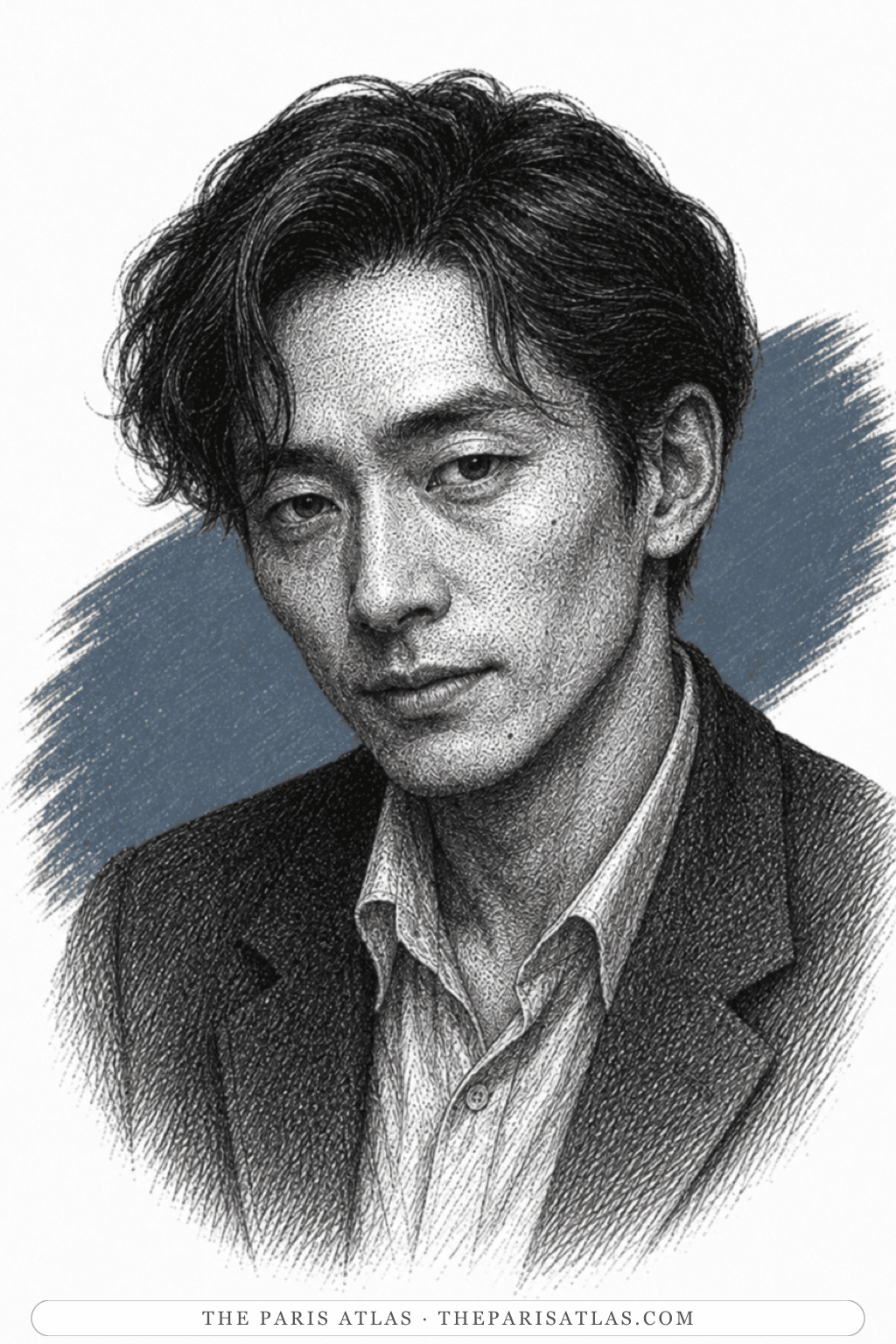
The notebook writer, who hides his terror of other people behind jokes before falling into addiction and passivity.

Yōzō’s older bohemian companion, who introduces him to nightlife and repeatedly encourages his worst forms of escape.

A café hostess whose brief bond with Yōzō leads to a double-suicide attempt that she does not survive.
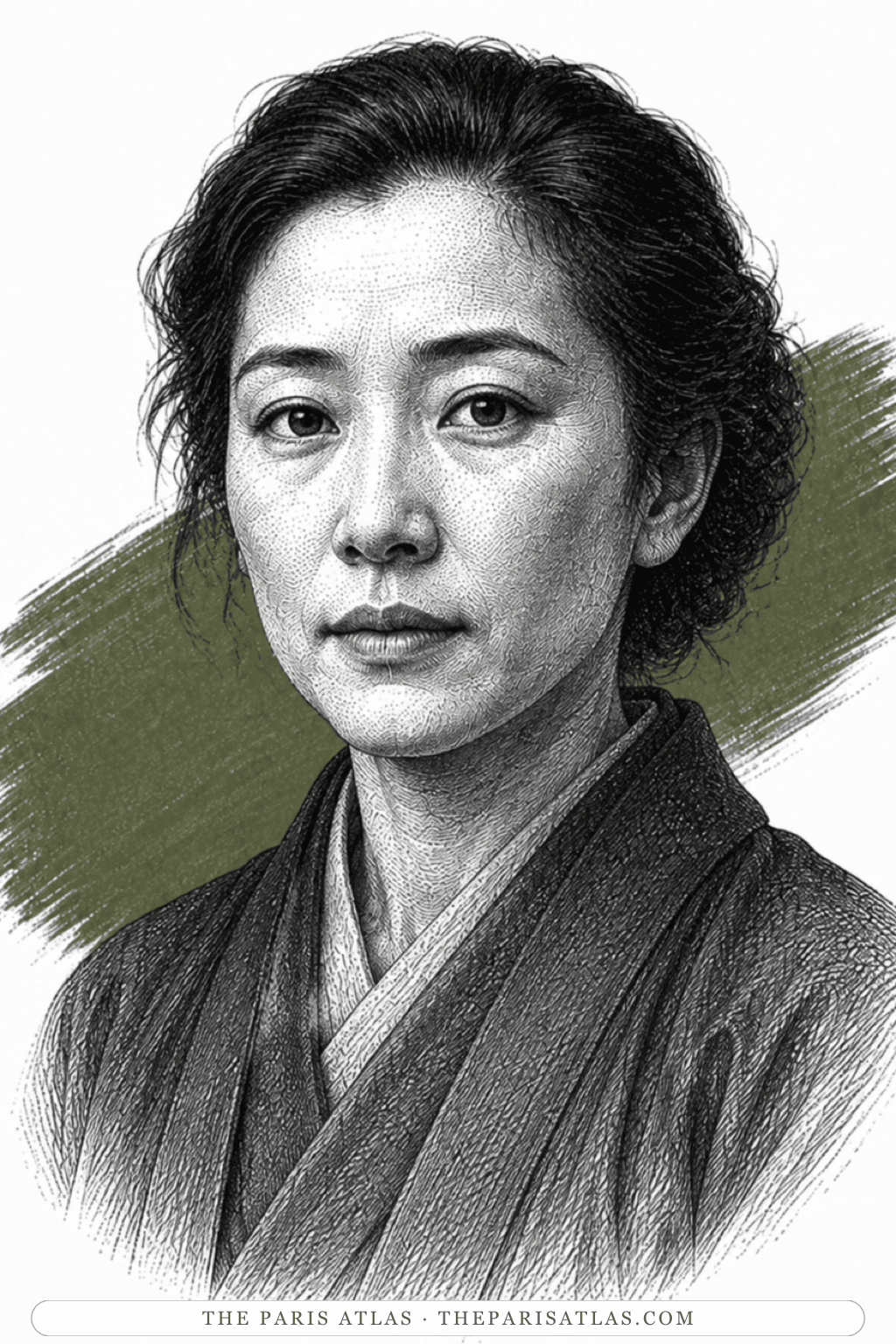
An adult woman who gives Yōzō temporary domestic stability and helps him support himself as a cartoonist.

The trusting young woman Yōzō marries, whose openness briefly makes stability seem possible.

The wealthy patriarch whose authority and expectations shape Yōzō’s early fear of exposure.

The unnamed observer who studies Yōzō’s photographs and receives the notebooks that contain his account.
1948
No Longer Human is serialized and published in Japan shortly before Dazai’s death.
1958
Donald Keene’s English translation is published.
1973
New Directions issues the long-running U.S. paperback edition.
2009 onward
Multiple manga, film, and animated adaptations extend the novel’s international popularity.
2022
New Directions issues a clothbound edition of Keene’s translation.


Another semi-autobiographical account of a mental crisis shaped into precise fiction.
Read our take


Yōzō is strongly autobiographical, but he remains a fictional character inside a carefully framed novel.
Yōzō believes his failures, shame, and inability to understand society have disqualified him from ordinary humanity.
Not within the notebooks. He ends institutionalized, dependent, and passive.
Yes. She dies in the double-suicide attempt while Yōzō survives.
She survives sexual assault, but the event devastates Yōzō’s already fragile trust and their marriage. The novel gives limited attention to her own later life.
No. It contains irony, absurdity, and dark humor alongside despair, especially when Yōzō recognizes the ridiculous parts of his own performance.
They suggest from the beginning that Yōzō’s public expressions do not match his internal life and frame the notebooks as material that must be interpreted.
The final outside perspective deliberately challenges Yōzō’s belief that he was simply a ruined or monstrous person, so the novel leaves no single account fully in control.
Explore authors with a similar voice, perspective, and influence.
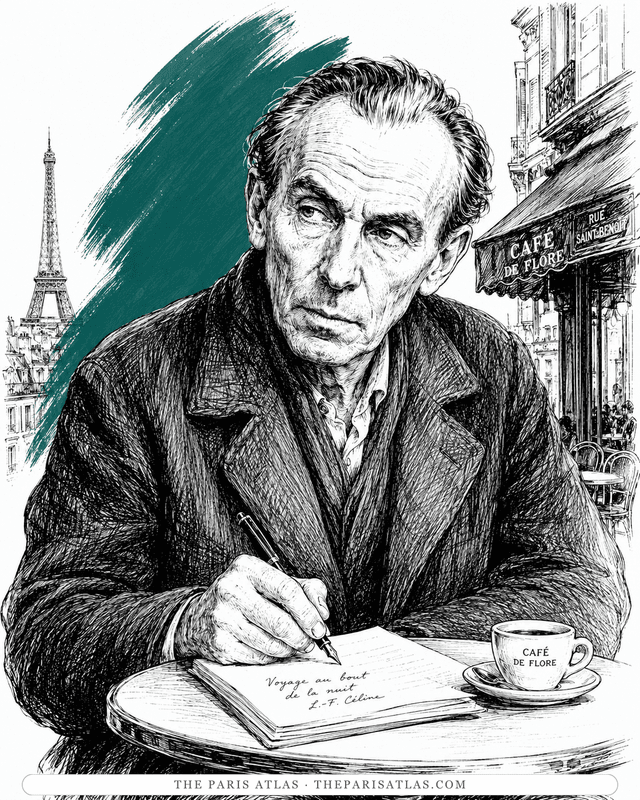
The doctor of the Paris slums who wrote the century's blackest, funniest novel — and changed the sound of French prose.
View author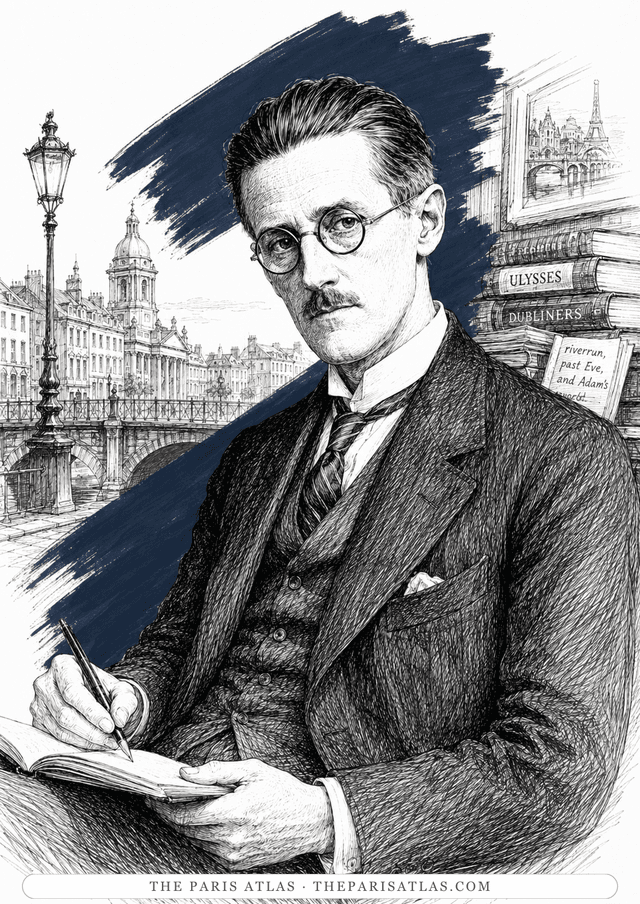
Dublin's great exile — he left Ireland at twenty-two, carried the city with him through Trieste, Zurich, and Paris, and rebuilt it entire in Ulysses.
View author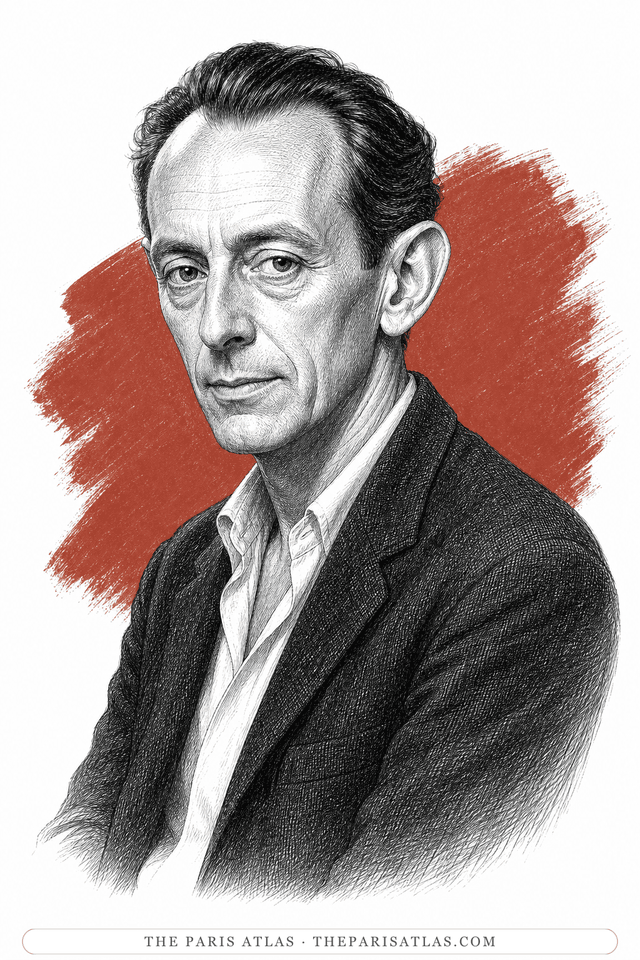
American novelist and composer whose expatriate fiction explores dislocation, unstable intimacy, fatalism, and North Africa.
View authorThe sources below include the primary text, editions, scholarship, archival materials, and other records that informed this page. They document No Longer Human, its publication, and its place in literary history.


Google Books catalogue record used to cross-check the title and edition metadata.
Internet Archive ISBN catalogue used to cross-check the edition and its availability in library holdings.
Library of Congress books catalogue used to cross-check the bibliographic record by ISBN.
Publisher record used to verify Keene’s translation, the 1973 edition, the protagonist’s clowning, the failed suicide, and the novel’s semi-autobiographical status.
Publisher record used to verify the 2022 clothbound edition and ISBN.
Publisher author page used to cross-check Dazai’s dates and the novel’s position as his final completed work.
The primary text is the baseline reference for every book page. Additional references document publication history, interpretation, and historical context where that evidence is available.
 Explore more resources