

On the Road
Kerouac’s larger road narrative uses the same pursuit of spontaneous rhythm.
Read our take
by Jack Kerouac
A jealous writer turns a brief bohemian affair into one rushing act of self-exposure.
Leo Percepied meets Mardou Fox in San Francisco’s bohemian world, falls intensely in love, and almost immediately begins fearing he will lose her. Their affair deteriorates under jealousy, drinking, and his projections, then becomes the book he writes after it ends.
The conventional plot is small: Leo and Mardou fall into an affair, his insecurity grows beside his affection, the relationship collapses, and he turns it into literature. Voice and emotional movement matter more than outward action.[1]
Kerouac based the novel closely on his relationship with Alene Lee while changing names and places. Leo’s rapid narration often reveals his selfishness more clearly than he understands it.[1]
Race is unavoidable and uncomfortable. Leo sometimes fetishizes Mardou, and the language records both the pressures surrounding an interracial relationship in the 1950s and the narrator’s own limits.[1]
Leo spends his nights with writers, artists, musicians, and drifters he calls the Subterraneans. Bars, apartments, and jazz rooms form a scene that defines itself against conventional American respectability, while Leo remains both participant and observer, already turning friends into material.[1]
He meets Mardou Fox and is immediately fascinated. Their attraction develops quickly, but she is younger, emotionally perceptive, and more grounded than the figure created by his romantic projections.[1]
The relationship becomes sexual and intimate. Instead of producing security, closeness intensifies Leo’s fear that he cannot sustain love and that another man will take Mardou away. His attention moves restlessly between affection and imagined competition.[1]
Race complicates every part of the affair. Leo repeatedly notices that Mardou is Black and Native American in the novel’s fictional construction, then filters her through ideas about difference, freedom, and bohemian authenticity that prevent him from seeing her plainly.[1]
Jealousy, drinking, and social tension erode the relationship. Yuri Gligoric becomes part of Leo’s fear of a rival. Mardou moves away from him emotionally, and Leo responds to the loss by writing the story the reader is now holding.[1]
Leo and Mardou do not reach a grand reconciliation. The affair ends because the intensity that first drew them together cannot survive his jealousy, possessiveness, and unstable life.
Leo is left with grief, self-accusation, and the compulsion to make literature from what happened. Writing lets him continue revisiting—and in one sense possessing—the relationship after he has lost it.
The ending therefore turns the novel back on itself. The failed affair becomes the book, leaving readers to decide whether that transformation is honest reckoning, another use of Mardou, or both.
Leo wants intimacy but repeatedly treats love as something he must secure against rivals. The more urgently he tries to confirm that Mardou belongs with him, the less room he leaves for her independent wishes.
Fear of losing Mardou makes loss more likely. Leo converts ambiguous gestures into evidence, rehearses pain before anything happens, and forces the relationship to carry the weight of his insecurity.
During their first evening together, Mardou introduces herself to Adam but does not offer Leo the same greeting. He supplies his own introduction and later treats the missed handshake as a prediction of their relationship. The gesture acquires its certainty from the telling, not from anything Mardou explains. Leo follows it with claims about the men she wants and complaints about his own failings. A small social slight becomes a whole theory of rejection, showing how his jealousy organizes memory around the outcome he already knows.
The interracial relationship challenges 1950s boundaries, but Leo’s narration sometimes exoticizes Mardou and treats racial difference as proof of bohemian authenticity. Readers must distinguish the woman’s actions from the meanings he imposes on them.
The Subterraneans reject conventional jobs, manners, and domestic expectations. Their alternative world can feel alive and freeing, yet it develops its own hierarchies, exclusions, gossip, and cruelties.
Kerouac disguises the autobiographical source only lightly. That closeness makes the transformation of private experience part of the subject: Leo cannot preserve the affair, but he can determine the form in which other people encounter it.
The opening also makes Leo’s control visible through delay. He announces that he will tell Mardou’s story, admits that his self-absorbed digressions leave other people waiting, and immediately turns to an elaborate introduction of Nicholas. The admission does not interrupt the habit it exposes. Even Leo’s wish to understand the group becomes a performance: he wants Nicholas to notice his sensitivity. His candor gives readers grounds to question him, but it does not automatically give Mardou more space to speak.
The prose borrows momentum, repetition, and improvisatory risk from jazz. Its speed gives the impression that feeling is being captured before Leo can organize it into a flattering account.
Kerouac’s spontaneous prose uses long sentences, dashes, slang, repetitions, sudden associations, and rhythmic acceleration. Thoughts seem to arrive before Leo has decided whether they make him look generous, foolish, loving, or cruel.
The lack of distance is thrilling and revealing. The syntax carries excitement, alcohol, conversation, desire, and panic in one stream, while readers often understand Leo’s jealousy and selfishness more clearly than he does.
The novel was written in English, and modern Grove editions preserve its rapid prose. Biographical introductions and annotations can help identify the fictionalized Beat circle, but they should not turn every character into a simple key to a real person.
Ranald MacDougall’s 1960 MGM film changes the setting, casting, and especially the racial identity of central characters. It should not be treated as a faithful visual version of Mardou or the novel’s social context.
Long rushing prose makes attraction and jealousy feel as if they are forming in front of the reader.
Leo’s candor exposes selfishness and racial projection that he cannot fully interpret.
The ending makes authorship part of the moral problem rather than a neutral record of it.

The young writer whose attraction to Mardou becomes inseparable from jealousy and the need to write.
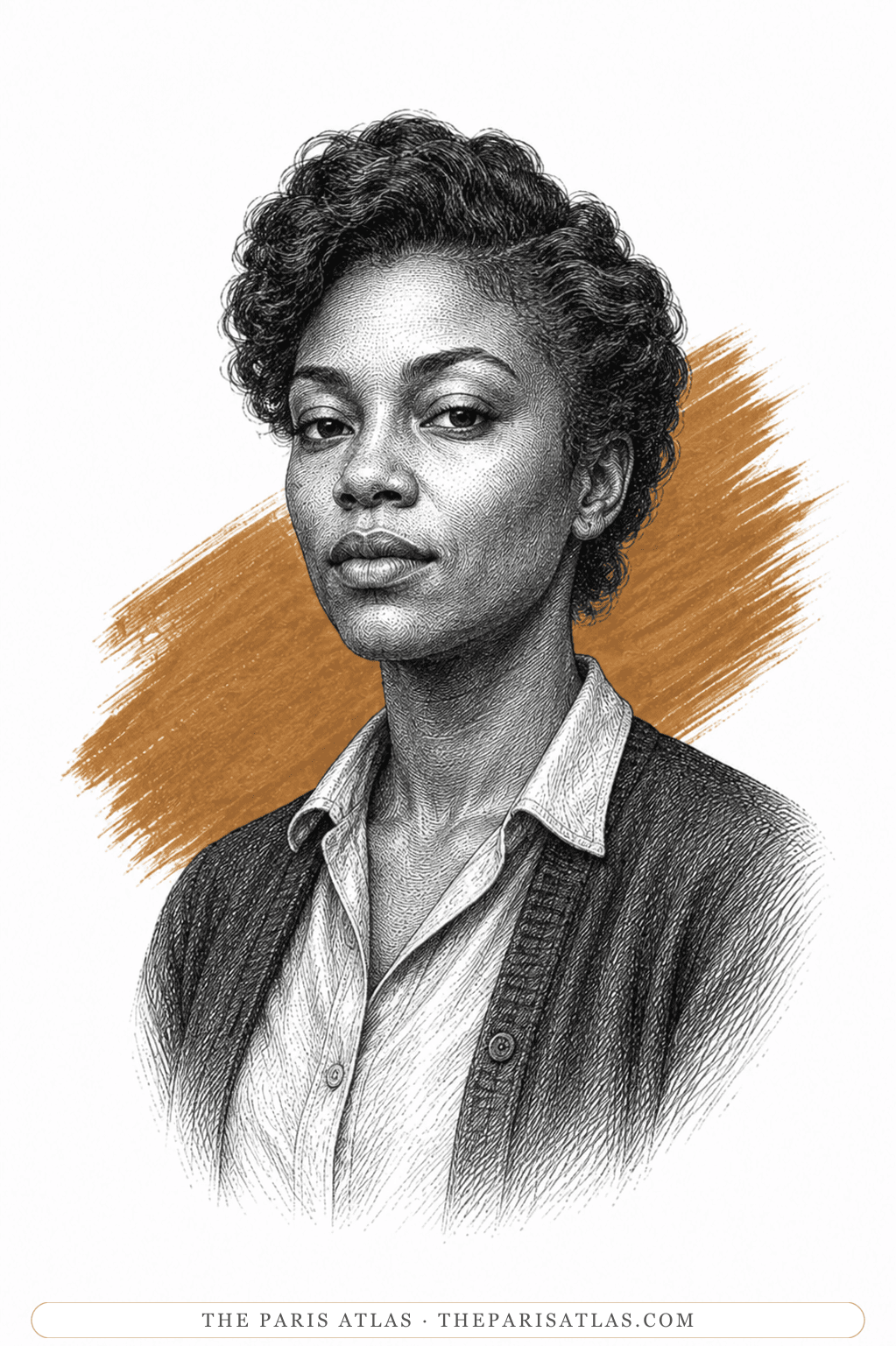
The intelligent young woman Leo loves but repeatedly sees through projection, fear, and racial fantasy.

A man in the bohemian circle who becomes the focus of Leo’s fear of romantic competition.

One of the fictionalized writers in the Subterraneans’ circle.
1953
Kerouac writes the novel rapidly after the relationship that inspired it.
1958
Grove Press publishes The Subterraneans.
1960
Ranald MacDougall directs a film adaptation that substantially changes character identities and setting.
Later decades
Grove editions keep the novel in print as part of the Beat canon.

Kerouac’s larger road narrative uses the same pursuit of spontaneous rhythm.
Read our take

Sexual self-exposure becomes a more comic and explicitly neurotic monologue.
Read our take

A tighter writer-lover antihero reveals different uses of autobiographical shame.
Read our takeLeo is a fictional alter ego based closely on Kerouac, not a documentary version of him.
Yes. The character was based substantially on Alene Lee.
No. Its fictional setting is San Francisco, although the real relationship had a different geographic context.
Kerouac’s method emphasizes speed, association, breath, repetition, and minimal retrospective smoothing.
No. Their relationship ends.
Yes. The interracial relationship and Leo’s racial assumptions are unavoidable parts of the book.
No. It makes major changes, particularly to race, casting, setting, and characterization.
Not by conventional standards. The novel’s voice and emotional movement are more important than a long chain of events.
Explore authors with a similar voice, perspective, and influence.
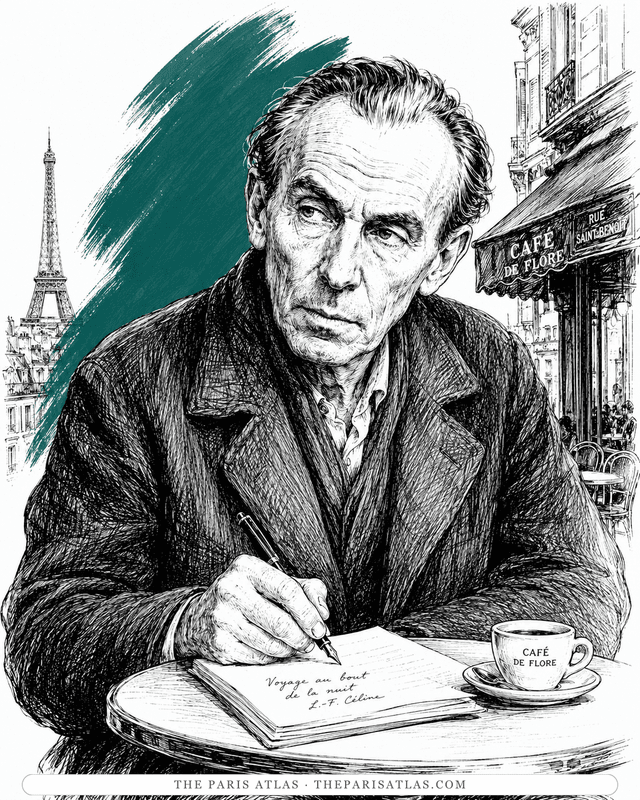
The doctor of the Paris slums who wrote the century's blackest, funniest novel — and changed the sound of French prose.
View author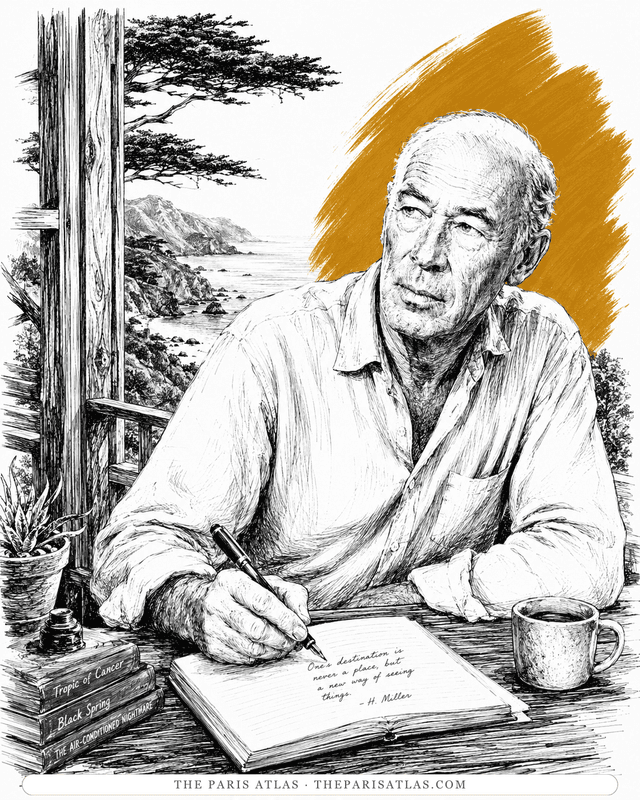
The Brooklyn dropout who arrived in Paris broke at thirty-eight and wrote the exuberant, banned books that ended American censorship.
View author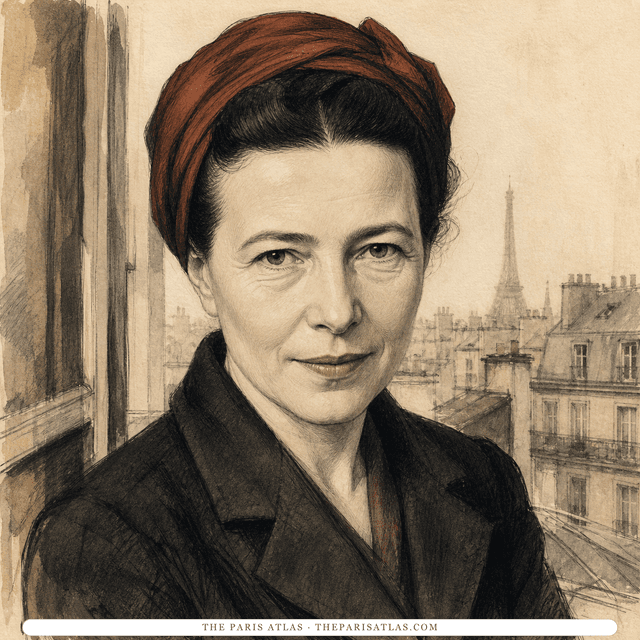
French writer and philosopher whose novels, memoirs, and social analysis examined freedom, gender, responsibility, aging, and the material conditions that shape a life.
View authorThe sources below include the primary text, editions, scholarship, archival materials, and other records that informed this page. They document The Subterraneans, its publication, and its place in literary history.


Google Books catalogue used to cross-check edition metadata.
Internet Archive catalogue used to cross-check library holdings.
Library of Congress catalogue used to cross-check the bibliographic record.
Publisher page supplied for the modern edition and official description.

Publisher history supplied for Grove and Black Cat context.
Library of Congress collection supplied for archival context.
The primary text is the baseline reference for every book page. Additional references document publication history, interpretation, and historical context where that evidence is available.
 Explore more resources