

Naked Lunch
William S. Burroughs’s hallucinatory, obscene, grotesquely comic assault on addiction and conventional narrative.
- 1959
- Hallucinatory
- Savage
- torrential
- filthy
- dark
- experimental
- challenging
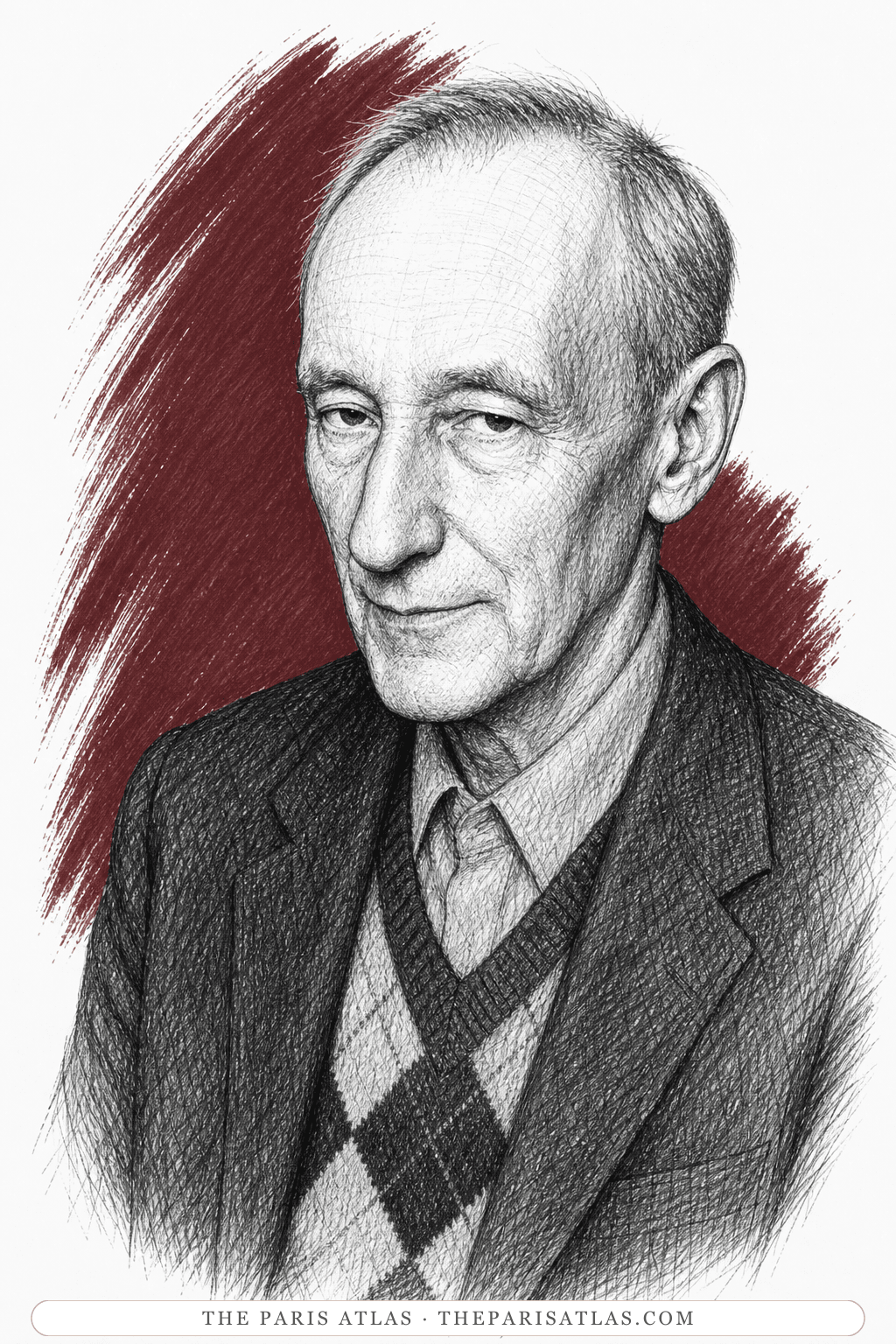
About William S. Burroughs
The story, briefly
Spoiler-freeDrugs, sex, violence, hallucination, grotesque comedy, and unstable scenes replace ordinary plot in Burroughs’s most notorious book. It carries literary transgression beyond Miller into a fractured world that barely obeys narrative logic.
The story, in more detail
Naked Lunch does not behave like a conventional novel. It has no stable beginning, middle, or end. Even William Lee, its nearest thing to a central character, changes as the book moves through drug routines, police states, sexual fantasies, grotesque comedy, medical horror, and the surreal territory called Interzone.[1]
The book grew from manuscripts Burroughs wrote while living in Tangier and elsewhere during the 1950s. He assembled it from routines and fragments instead of building one continuous plot. Addiction, bureaucracy, sexuality, violence, and control keep changing form, as though the same nightmare were passing through different machines.[1]
Burroughs can be appalling, hilarious, obscene, precise, and visionary. Obscenity trials made the book central to Beat Generation mythology, but scandal is only part of its importance. Its fractured logic, black comedy, and attacks on systems of control influenced later experimental fiction, music, film, cyberpunk, and counterculture.[1]
The full plot
William Lee, a recurring Burroughs alter ego, moves through an unstable world of drug addiction and pursuit. He appears in scenes of narcotics enforcement, withdrawal, medical treatment, hustling, and flight. Rather than follow one itinerary, the narrative repeatedly breaks apart and restarts.[1]
The book enters Interzone, a surreal city and political territory modeled partly on Tangier. Rival organizations compete for power. Agents, doctors, addicts, bureaucrats, sexual predators, and hybrid creatures inhabit a world in which every institution can become another form of control.[1]
Dr. Benway emerges as one of the most memorable figures. He is a physician, manipulator, and specialist in coercion whose medical procedures turn treatment into grotesque theater. His routines parody psychiatry, government, medicine, and the desire to regulate behavior.[1]
Other fragments introduce Mugwumps and creatures whose bodies produce addictive secretions. Sex works like an economy, while official groups become hard to distinguish from criminal syndicates. Addiction becomes a model for political power: a controller creates the need and then owns the person who needs relief.[1]
The fragments never converge into a conventional climax. Instead, Burroughs accumulates images of dependency, mutation, surveillance, exploitation, and escape. The final movement returns more recognizably to Lee and the narcotics-police world, but the boundaries between events, memory, fantasy, and performance remain unstable.[1]
How it ends — spoilers ahead
The Interzone material is never resolved into one explanation. William Lee escapes a threat involving narcotics agents and realizes that ordinary systems of communication and authority cannot protect him.
The closing pages emphasize disappearance and mobility rather than victory. Lee survives by remaining difficult to locate and refusing a stable identity.
That ending follows the book’s larger logic. In a world where control fixes identity, appetite, and behavior into systems, escape requires staying in motion.
Themes and analysis
Addiction as a model of power
Burroughs treats addiction as more than a private medical problem. A dealer who creates need resembles a state, corporation, doctor, or ideology that makes dependence profitable.
In the opening section, a dealer attracts customers by humming a tune that passersby take up without noticing him. They mistake the borrowed melody for something arising in their own minds. This small fantasy makes dependence harder to locate than an order or a threat: the controlling signal feels like a private impulse. The later language of frequencies extends the image, making pursuit and appetite seem to travel through the same invisible channels.
Control
Nearly every institution in the book becomes a technology for controlling bodies. Medicine, police power, sex, language, and bureaucracy overlap because each can define what people need and how they must behave.
The unstable body
Bodies mutate, leak, merge, transform, and become commodities. Physical disgust supports Burroughs’s attack on the comforting idea that identity is clean, separate, or stable.
Language and fragmentation
The book refuses orderly narration because Burroughs distrusts orderly systems. Fragments interrupt one another like transmissions picked up on different frequencies.
Sexuality and taboo
Explicit homosexual and heterosexual material appears beside grotesque fantasy. The book also includes sexual violence, racial and homophobic slurs, hostile portrayals of women, and disturbing sexual material involving minors.
Burroughs uses prohibited and disturbing material to attack respectable categories. That purpose does not make every passage satirically effective, and the method can still repel readers.
Satire
Much of the book is brutally funny. Institutions sound ridiculous because Burroughs exaggerates their logic only slightly before allowing it to become monstrous.
Writing style
Burroughs mixes hard-boiled slang, medical terminology, carnival-barker patter, science fiction, pornography, bureaucratic jargon, and surreal routines. Individual sentences can be extremely precise even when the surrounding narrative is disorienting.
Readers should not expect to solve a continuous plot. The book works through recurrence, rhythm, grotesque imagery, and voice. It feels closer to a sequence of intercepted transmissions than to a realist novel.
The subway escape also exposes storytelling as a transaction. Lee recognizes that the well-dressed passenger wants an encounter with a colourful outsider, so he supplies a theatrical farewell to the policeman and a stream of lurid anecdotes. The passenger imagines retelling the meeting to his friends; Lee sees an opportunity to extract money. Each is preparing a story for an audience. The hard-boiled voice is therefore not simply a transparent report of danger: it is also a performance whose apparent authenticity can be sold.
Editions and translations
The Olympia Press and early Grove texts differ from later restored editions. The Restored Text, edited by James Grauerholz and Barry Miles, incorporates corrections, manuscript material, and supporting essays. Edition choice matters because the book has an unusually complicated textual history.
Major adaptations
David Cronenberg’s 1991 film Naked Lunch is not a literal adaptation. It combines elements of the book with episodes from Burroughs’s life and the process of writing. It should be treated as an interpretation, not as a substitute for the book’s plot.
Why we recommend it
Transgression after Miller
Burroughs pushes sex, the body, drugs, grotesque comedy, and formal disobedience beyond the limits Miller helped break.
Addiction as political machinery
Dependence becomes a way to understand institutions that create needs and then profit from controlling them.
A radically fractured form
The book abandons conventional plot for routines, voices, repetitions, and transmissions.
What this book explores
The people in its pages
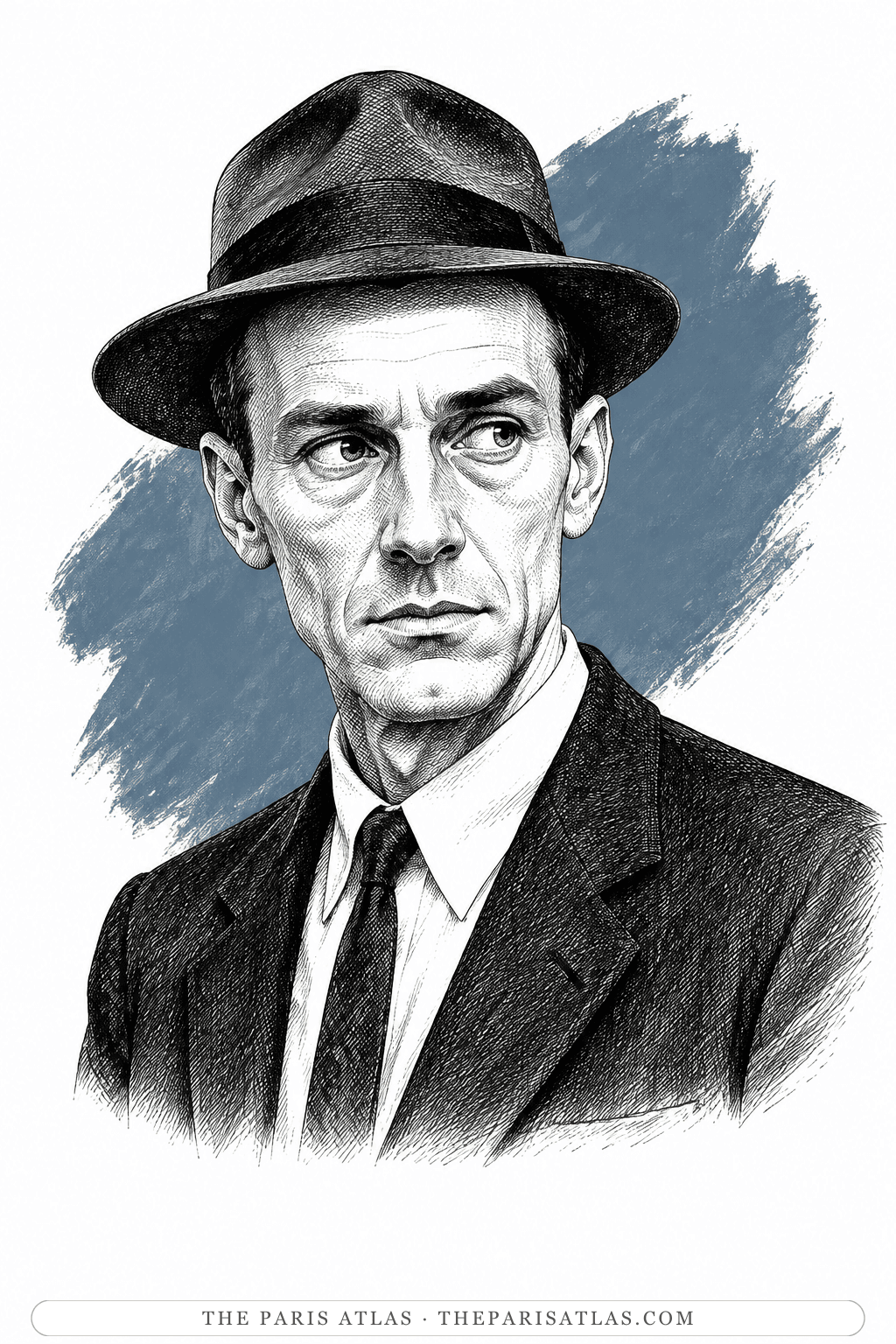
William Lee
Burroughs’s recurring alter ego and the unstable book’s nearest thing to a protagonist.
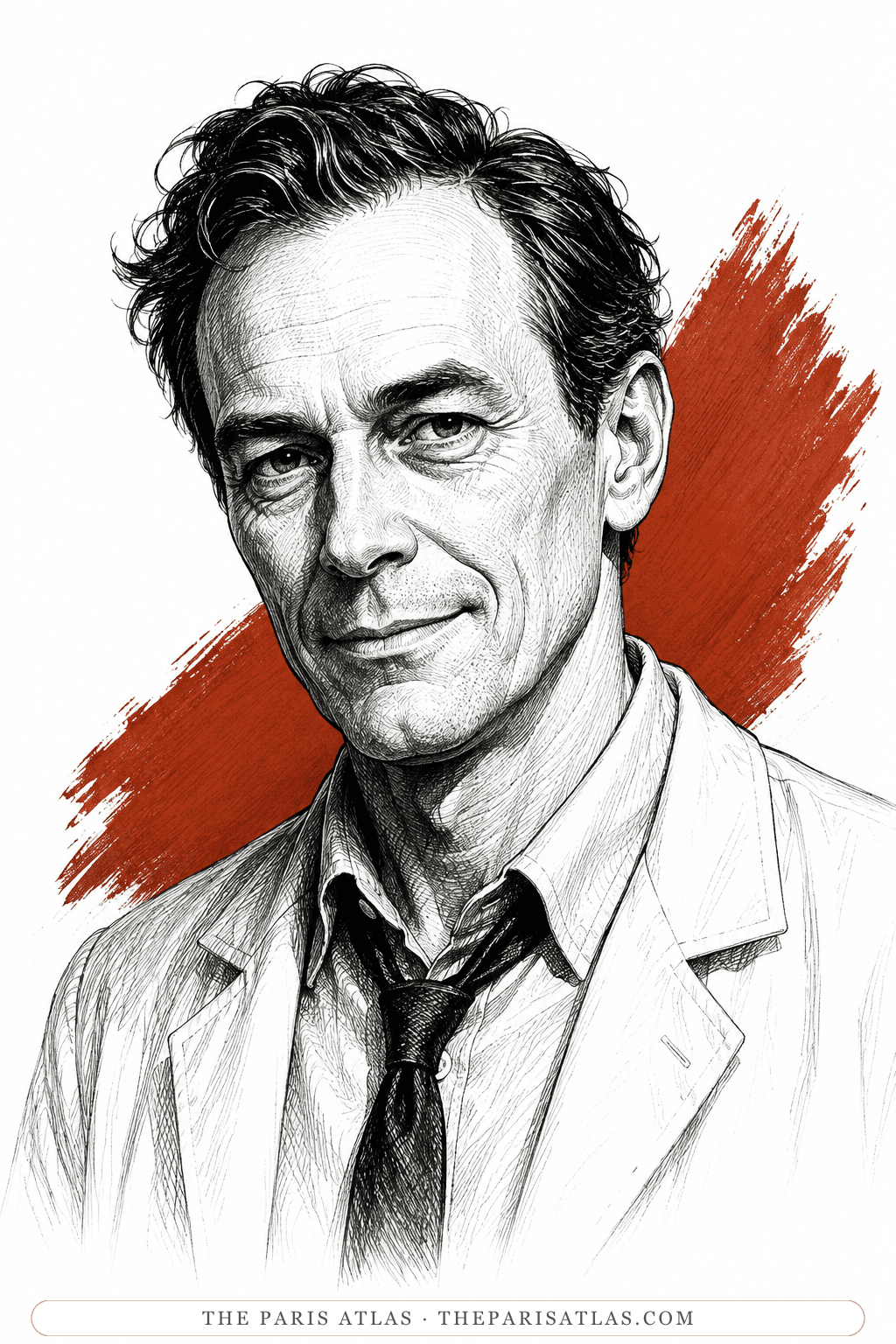
Dr. Benway
A sinister physician who turns treatment, psychology, and expertise into grotesque systems of control.
Also in the book
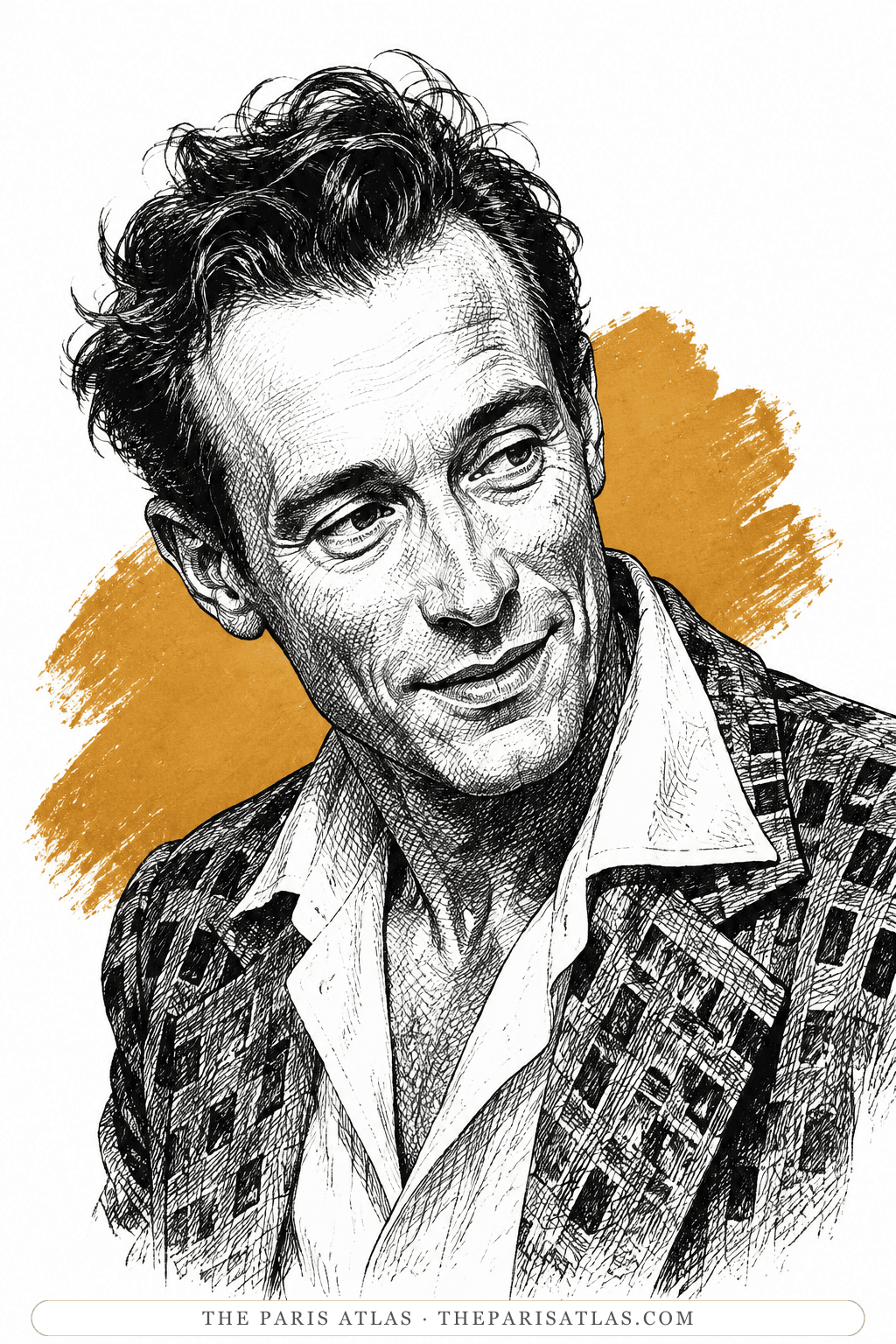
A. J.
A wealthy, anarchic figure whose disruptive energy unsettles Interzone’s competing systems.
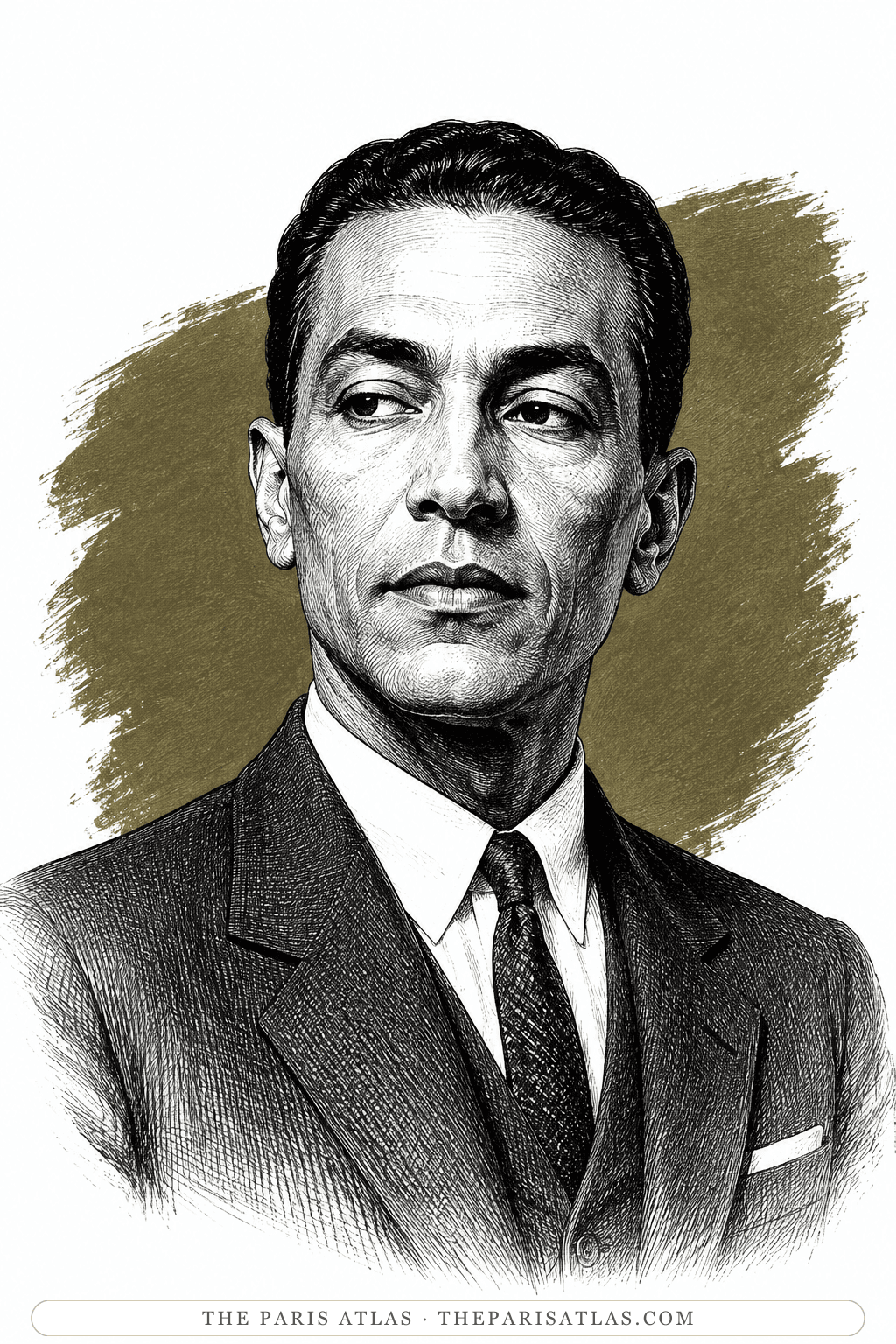
Hassan
An Interzone power broker associated with one faction and with extreme sexual spectacle.

Clem and Jody
Two figures in the drug routines who belong to the book’s underworld of addicts, hustlers, and operators.
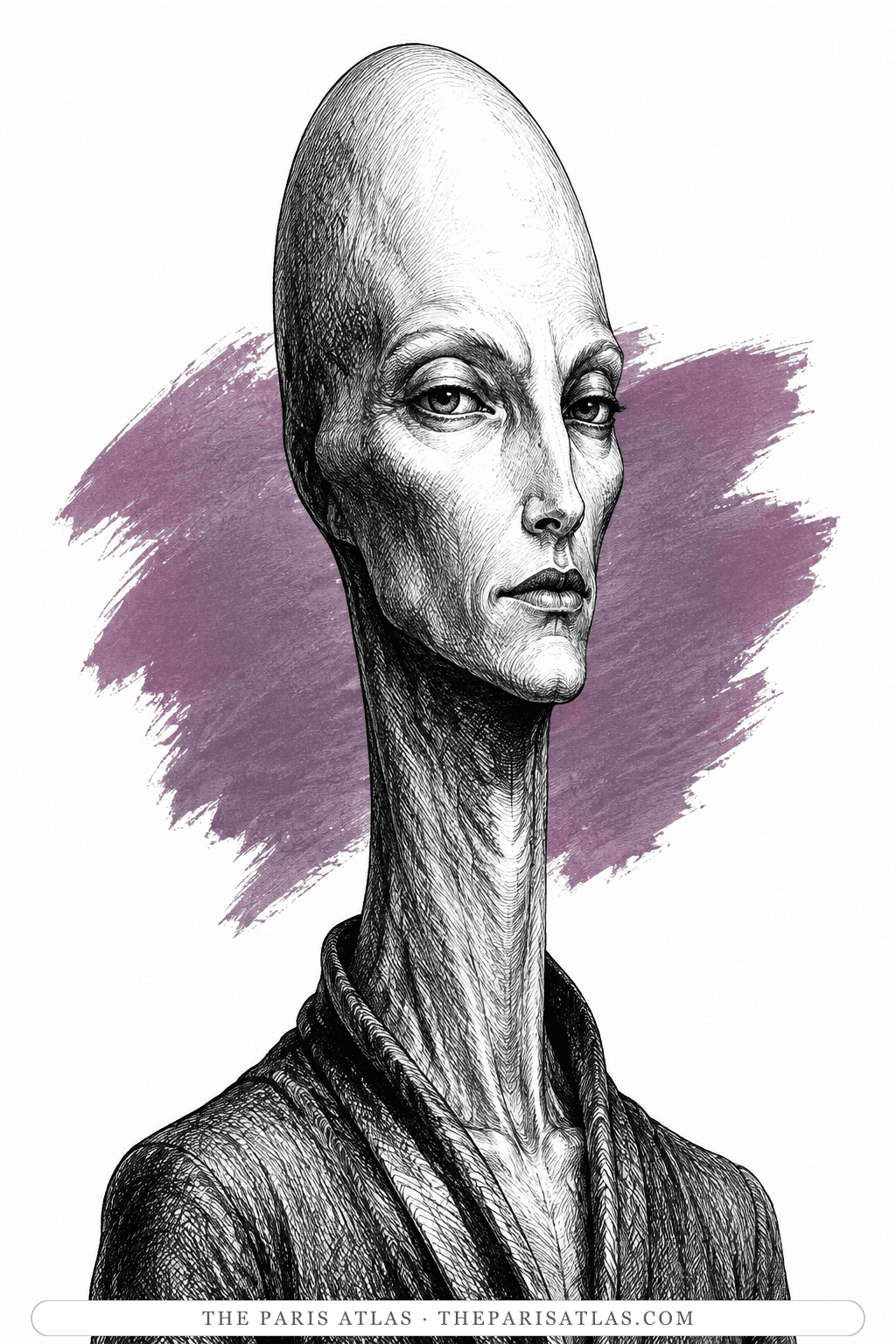
The Mugwumps
Humanlike creatures whose addictive bodily secretions make the book’s link between appetite and control literal.
Bring it to book club
- What does addiction allow Burroughs to say about political power?
- Why might a fragmented structure suit this material better than a linear plot?
- Is Dr. Benway frightening because he is absurd or because his logic resembles real institutions?
- How does humor change the effect of the book’s violence?
- What is gained and lost when characters function as types or routines rather than rounded individuals?
- How does Interzone transform Tangier into a fictional system?
- Does transgression remain politically effective once readers become accustomed to it?
- What does the ending suggest about escape?
Timeline
1959
Olympia Press publishes The Naked Lunch in Paris.
1962
Grove Press publishes the first American edition as Naked Lunch.
1960s
Obscenity prosecutions and court cases make the book a major free-speech test.
1991
David Cronenberg releases a film inspired by the novel and Burroughs’s life.
2001/2003 onward
Restored-text editions edited by James Grauerholz and Barry Miles reexamine the manuscript history.
2013
Grove issues a major restored-text paperback edition.
Book editions
Paperback
- Paperback
- Olympia Press
- 1959
Hardcover
- Hardcover
- Grove Press
- 1962

- Paperback
- Grove Press
- 2013
- 9780802122070
Reader reviews
Readers may also like

On the Road
The companion Beat landmark, with movement and friendship replacing addiction and disintegration.
Read our take

Junky
The clear, autobiographical addiction narrative that precedes Burroughs’s experimental breakthrough.
Read our take


Journey to the End of the Night
A model for black comedy, corrosive voice, and disgust with respectable institutions.
Read our take
Slaughterhouse-Five
A more accessible novel that also uses fragmentation and absurdity to confront systems of violence.
Read our takeNaked Lunch: frequently asked questions
Is Naked Lunch supposed to have a plot?
Not in the conventional sense. It is assembled from routines, fragments, recurring figures, and shifting locations.
Who is William Lee?
He is a fictional alter ego Burroughs used across several books and is closely based on Burroughs himself.
What is Interzone?
It is a fictional territory modeled partly on Tangier’s International Zone. It functions as a political, sexual, and bureaucratic nightmare-space.
Why is Dr. Benway important?
He embodies institutional control disguised as medicine or expertise.
Was Naked Lunch banned?
It became the subject of major obscenity cases in the United States. Those legal battles helped establish broader legal protection for literary works.
Is it part of the Beat Generation?
Yes, though Burroughs’s style and interests differ sharply from Kerouac’s or Ginsberg’s.
Does the movie tell the same story?
No. Cronenberg combines the novel with Burroughs’s life and other writings.
Is the book autobiographical?
Parts draw heavily on Burroughs’s experience of addiction, travel, sexuality, and the drug underworld, but the book transforms that material into surreal fiction.
If you like William S. Burroughs
Explore authors with a similar voice, perspective, and influence.
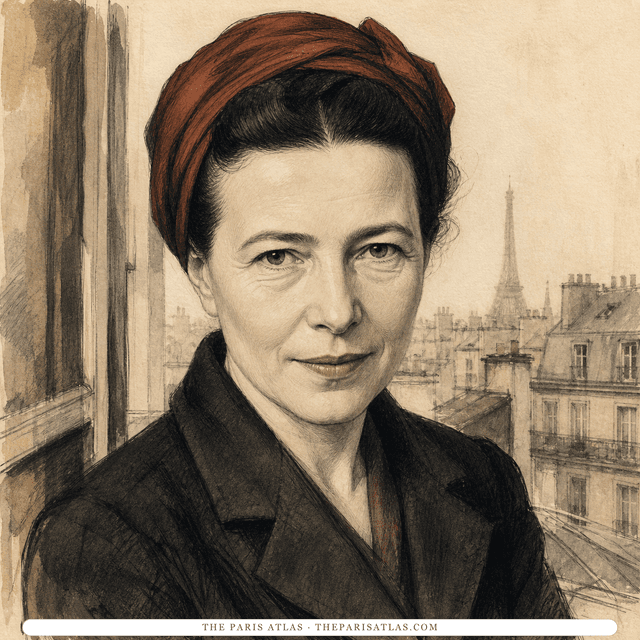
Simone de Beauvoir
French writer and philosopher whose novels, memoirs, and social analysis examined freedom, gender, responsibility, aging, and the material conditions that shape a life.
View author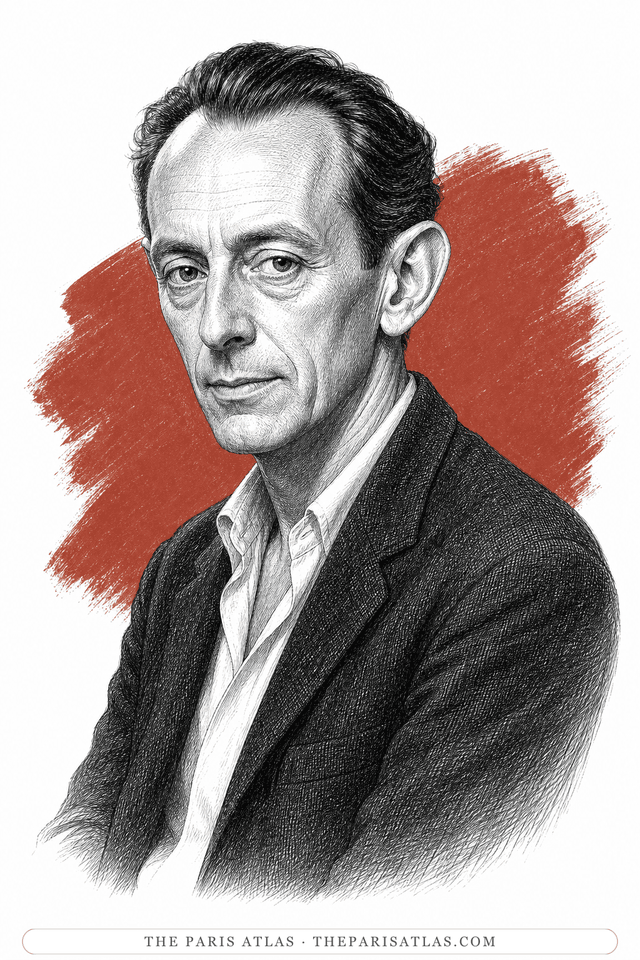
Paul Bowles
American novelist and composer whose expatriate fiction explores dislocation, unstable intimacy, fatalism, and North Africa.
View author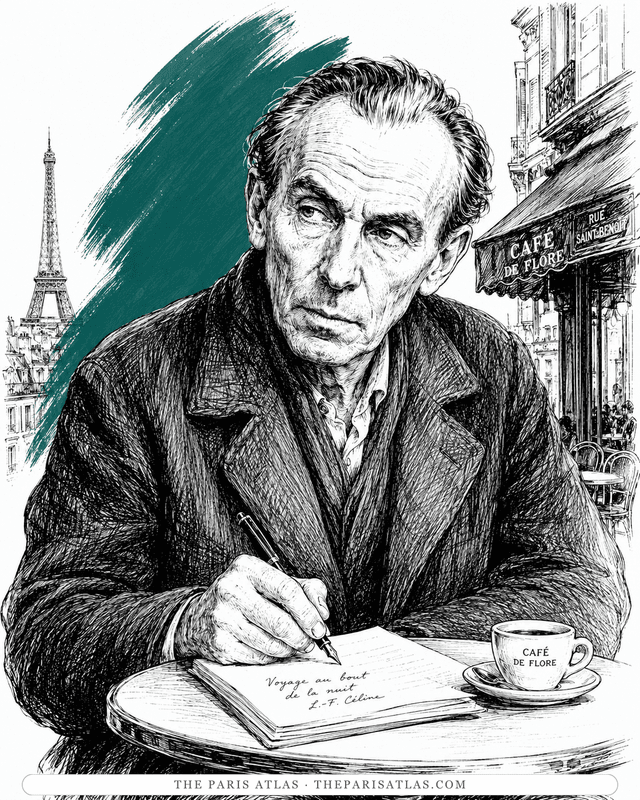
Louis-Ferdinand Céline
The doctor of the Paris slums who wrote the century's blackest, funniest novel — and changed the sound of French prose.
View author
References
References
The sources below include the primary text, editions, scholarship, archival materials, and other records that informed this page. They document Naked Lunch, its publication, and its place in literary history.


2Naked Lunch: The Restored Text — Grove edition
Official recordGrove Atlantic, 2013Used forPublisher record for the restored text, editors, date, and ISBN.
3Naked Lunch — Grove Press catalog record
Official recordWorldCatUsed forLibrary catalog evidence for Grove Press publication history.

4Ulysses Unlocked
PeriodicalThe Harvard Gazette, 2014Used forInstitutional account of the Boston obscenity trial and its reversal.
5Naked Lunch: The First Fifty Years
Exhibition catalogueColumbia University LibrariesUsed forUniversity exhibition evidence for the manuscript and publication history.
i
Why these sources are here
The primary text is the baseline reference for every book page. Additional references document publication history, interpretation, and historical context where that evidence is available.
 Explore more resources