
Big Sur
How Jack appears in its pages: The narrator, a famous writer who calls himself the King of the Beatniks and hides in a cabin on the coast to escape his fame and his drinking. Kerouac's stand-in.
French-Canadian American novelist and poet whose rhythmic spontaneous prose made roads, jazz, friendship and spiritual longing central to Beat literature—and whose two Paris journeys culminated in Satori in Paris.
Jack Kerouac (12 March 1922 – 21 October 1969), born Jean-Louis Lebris de Kérouac, was an American novelist, poet, and essayist whose autobiographical fiction helped define the Beat Generation and profoundly altered the popular image of the American writer. His best-known novel, ***On the Road*** (1957), transformed a series of journeys across the United States and Mexico into a lyrical account of friendship, movement, jazz, spiritual longing, and the search for experience outside conventional postwar life.
Kerouac developed a highly rhythmic prose method he called “spontaneous prose,” attempting to reproduce the immediacy of memory, speech, jazz improvisation, and thought. Although popular mythology sometimes portrays him as a writer who simply typed whatever came into his head, his surviving manuscripts show a far more complicated process involving notebooks, earlier drafts, extensive reading, experimentation, and revision. The New York Public Library's archive preserves numerous versions of his work and demonstrates that even On the Road, supposedly created in a single uninterrupted burst, developed over years.[1]
His other major works include The Town and the City (1950), Visions of Cody, The Subterraneans (1958), The Dharma Bums (1958), Doctor Sax (1959), Mexico City Blues (1959), Lonesome Traveler (1960), Big Sur (1962), Visions of Gerard (1963), Desolation Angels (1965), *Satori in Paris (1966), and Vanity of Duluoz* (1968).
Much of Kerouac's fiction belongs to what he called the Duluoz Legend, an enormous autobiographical sequence in which the same friends, lovers, family members, journeys, and experiences recur under fictional names. His ambition was not simply to publish separate novels but eventually to assemble his life into one continuous literary record.
Kerouac was born in Lowell, Massachusetts, on 12 March 1922, the youngest child of Leo Alcide Kerouac, a printer, and Gabrielle-Ange Lévesque Kerouac, who worked at times in shoe factories. Both parents came from French-Canadian families originating in Quebec. Lowell then contained a large Franco-American population, concentrated in neighborhoods often known collectively as “Little Canada.”
Kerouac's household language was French. He spoke French before English and did not become comfortable in English until he entered school. Within the family he was known as Ti Jean, “Little Jean.” This linguistic dividedness became one of the deepest elements of his identity. The celebrated American writer of On the Road grew up hearing stories, prayers, jokes, arguments, and family history in French-Canadian speech rather than standard literary English.[2]
His parents were Roman Catholics, and religion saturated his childhood. Catholic churches, saints, confession, heaven, sin, suffering, angels, death, and visions recur throughout his mature writing even during the years when he was most intensely studying Buddhism.
The most important childhood trauma was the death of his older brother Gerard.
Gerard suffered from rheumatic fever and died in 1926 at only nine years old, when Jack was four. Kerouac subsequently idealized him as a saintlike figure and guardian angel. Decades later he devoted *Visions of Gerard* to his brother's short life, blending childhood memory, Catholic mysticism, grief, and the belief that Gerard continued to accompany him spiritually.[3]
His sister Caroline, usually called Nin, survived into adulthood and remained another important figure in his family life.
Kerouac was an unusually gifted athlete as a teenager.
At Lowell High School he distinguished himself in football and track. His football ability offered a possible route out of the mill city and ultimately earned him an opportunity to attend Columbia University in New York.
Before Columbia, he spent a preparatory year at the Horace Mann School, where he played football, wrote for student publications, encountered New York's cultural world, and became increasingly serious about becoming a writer.
He entered Columbia in 1940.
The plan quickly unraveled.
Kerouac broke his leg during his first football season. His relationship with coach Lou Little deteriorated, his interest in formal study weakened, and he increasingly devoted himself to independent reading. One of his great discoveries during this period was Thomas Wolfe, whose enormous autobiographical novels convinced Kerouac that one's own family, city, friendships, wanderings, and memories could supply the material for an entire literary career.
Kerouac left Columbia in 1941 without graduating.
During the Second World War, Kerouac moved between jobs, ships, school, and military service.
In 1942, he joined the Merchant Marine and sailed aboard the S.S. Dorchester to Greenland. He left the ship months before it was torpedoed by a German U-boat in February 1943 with catastrophic loss of life.
He then enlisted in the U.S. Naval Reserve.
Kerouac adapted badly to military discipline. His surviving service record, now held by the U.S. National Archives, documents extensive psychiatric evaluation. Navy doctors ultimately described him using the period diagnosis “Constitutional Psychopathic State, Schizoid Personality” and deemed him unsuitable for service. He was officially discharged on 30 June 1943.[4][5]
The language of that diagnosis belongs to 1940s military psychiatry and should not simply be translated into a modern psychiatric diagnosis. What the records clearly establish is that Kerouac disliked military hierarchy intensely, wanted solitude in which to read and write, and was judged poorly suited to naval service.
He returned to the Merchant Marine for part of the war.
In New York during the mid-1940s, Kerouac entered the circle that would eventually become associated with the Beat Generation.
Among the people he met were:
Allen Ginsberg William S. Burroughs Lucien Carr Herbert Huncke Edie Parker Joan Vollmer
The friendships mixed literature with drugs, nightlife, crime, philosophy, sexual experimentation, and a fascination with people living outside respectable society.
In 1944, Lucien Carr killed David Kammerer and turned to Kerouac and Burroughs afterward. The resulting investigation drew Kerouac into the case as a material witness and led indirectly to his marriage to Edie Parker, whose family helped arrange money for his bail. The marriage was brief.
Kerouac and Burroughs later transformed the Carr-Kammerer case into the jointly written novel *And the Hippos Were Boiled in Their Tanks*, which remained unpublished until 2008.
Kerouac's father Leo died in 1946.
The loss affected him deeply and helped drive the writing of *The Town and the City*, an expansive autobiographical novel heavily influenced by Thomas Wolfe. It contrasts the intimacy of a New England family and town with the disorienting possibilities of New York.
Harcourt Brace published the book in 1950, under the name John Kerouac.
Reviews were respectable, but sales were disappointing. Kerouac was technically a published novelist, yet still far from the literary fame he believed awaited him.
In December 1946, Kerouac met Neal Cassady.
Few relationships mattered more to his writing.
Cassady had grown up around Denver's skid-row and reform-school world and possessed a combination of physical energy, sexual charisma, speed, talk, recklessness, and curiosity that fascinated Kerouac. He became the model for Dean Moriarty in On the Road and later Cody Pomeray in Visions of Cody.
Beginning in 1947, Kerouac made a series of journeys westward—hitchhiking, riding buses, traveling in cars, working temporary jobs, crossing the United States repeatedly, and eventually traveling into Mexico.
These journeys supplied the experiences behind On the Road.
Cassady also influenced how Kerouac wrote. A famously long, uninhibited letter from Cassady showed Kerouac a form of personal narration that seemed to move directly from experience into language. Kerouac began trying to reproduce something similar in fiction.
In April 1951, while living in Manhattan with his second wife, Joan Haverty, Kerouac created the famous scroll version of *On the Road*.
He taped sheets of paper together so that he could type continuously without stopping to insert new pages and produced a manuscript of roughly 175,000 words in approximately three weeks.[1]
The story became central to Kerouac's legend: the wild writer, fueled by coffee and Benzedrine, spontaneously producing a masterpiece in one gigantic rush.
But the legend is only partly true.
Kerouac had already been working on versions of the book for years. He kept extensive journals during his journeys, attempted different narrative approaches, and later revised the text. The New York Public Library's exhibition of the surviving manuscripts explicitly shows that the published On the Road emerged from a long creative process, not simply twenty-one days of improvisation.
The scroll matters because it represents a breakthrough in form and voice, not because Kerouac had never thought about the book before.
Kerouac married Joan Haverty in November 1950.
The marriage collapsed rapidly, around the period in which he completed the scroll manuscript. Haverty was pregnant with their daughter, Jan Kerouac, when the couple separated.
Jan was born in 1952 and later became a writer herself.
Kerouac's relationship with his daughter was distant and troubled. He resisted financial and paternal responsibility for years and met her only rarely. The contrast between Kerouac's literary celebration of friendship, compassion, and family memory and the instability of his own domestic relationships forms one of the more uncomfortable contradictions in his biography.
During the early 1950s Kerouac developed the literary method he called spontaneous prose.
One important moment came when his friend Ed White suggested that instead of trying to compose conventional literary paragraphs, Kerouac should make verbal “sketches” of what he saw, as though drawing directly from life.
Kerouac later told White that this suggestion had helped start an entirely new method for him.[6]
Spontaneous prose attempted to preserve:
the rhythm of speech the momentum of thought the improvisational movement of jazz the detail of immediate perception the emotional force of memory
Kerouac frequently used long sentences connected by dashes, abrupt changes of subject, repeated sounds, slang, compressed descriptions, and bursts of lyricism.
Jazz—particularly bebop—was crucial.
Rather than constructing prose as a perfectly balanced architectural object, Kerouac increasingly imagined the sentence as something closer to a saxophone solo: a sustained breath moving through variations while maintaining an underlying rhythm.
Kerouac also helped give his generation its name.
The word beat had circulated in the underworld slang Kerouac heard from Herbert Huncke, where it could mean exhausted, down, poor, or beaten.[7]
During a conversation with novelist John Clellon Holmes in 1948, Kerouac applied the word to an entire generation. Holmes later recalled Kerouac telling him that theirs was a “Beat Generation.”[8]
Kerouac later expanded its meaning.
For him, “beat” did not simply mean defeated. He increasingly connected it with beatific—blessedness or spiritual illumination. In 1954 he associated that interpretation with a religious experience in a church in Lowell.
This spiritual dimension is important because the popular stereotype of the “beatnik”—beret, bongos, coffeehouse, drugs—was precisely the caricature Kerouac eventually came to hate.
During the mid-1950s Kerouac began an intensive study of Buddhism.
He read sutras, biographies of the Buddha, Buddhist philosophy, and Zen texts, sometimes with extraordinary discipline. He wrote thousands of pages of Buddhist notes and eventually produced Some of the Dharma, Wake Up: A Life of the Buddha, and *The Scripture of the Golden Eternity*.[9]
His Buddhism never entirely replaced Catholicism.
Instead, the two traditions often coexist uneasily in his work: Buddha beside Christ, bodhisattvas beside saints, reincarnation beside heaven, emptiness beside the soul.
Scholarly work on Kerouac's religion describes his spiritual life as a continuing negotiation between the Catholic world of his childhood and his later Buddhist search for relief from suffering.
His friendship with poet Gary Snyder, who had studied Asian religions seriously, intensified this interest. Snyder became the model for Japhy Ryder in *The Dharma Bums*.
In the summer of 1956, Kerouac spent approximately two months alone as a fire lookout on Desolation Peak in Washington State.
He expected solitude to produce spiritual enlightenment.
Instead, the experience was more ambiguous. There were moments of immense beauty and contemplation, but also loneliness, boredom, fear, and disappointment.
The mountain experience eventually entered *The Dharma Bums and Desolation Angels*.
This combination—expecting revelation and encountering ordinary suffering instead—would recur throughout Kerouac's life.
Kerouac's connection to Paris is stronger than a single late-life vacation.
He made at least two documented Paris visits, the first in 1957 and the second, much more important one, in 1965. The second journey became an entire book, *Satori in Paris*.
Kerouac traveled overseas in early 1957, before On the Road made him famous.
He went first to Tangier, where William S. Burroughs was working on the mass of manuscript material that would become Naked Lunch. Kerouac helped type portions of Burroughs's “Interzone” material.
A photograph by Allen Ginsberg preserved by the National Gallery of Art provides unusually precise evidence for what happened next. Ginsberg's handwritten caption records that Kerouac left Tangier for Paris around 5 April 1957.[10]
The Cambridge Companion to Jack Kerouac likewise places Kerouac traveling through Tangier, Paris, and England that spring.[11]
And Kerouac himself wrote to Ed White later that April about what he had seen.
In Paris he visited the Louvre, where he examined paintings by Vincent van Gogh and Rembrandt at extremely close range. His surviving letter contains an unmistakable first-person statement: he had gone to Paris and visited the Louvre.[12]
So 1965 was not Kerouac's first Paris trip.
That distinction is worth preserving on Paris Atlas.
Kerouac returned to France on 1 June 1965, aged forty-three.[13]
This time his purpose was intensely personal.
Kerouac had grown up hearing that his family descended from an old Breton line. His father repeatedly reinforced the family's identification with Brittany, and Kerouac had developed increasingly elaborate stories about the origins of the Kerouac name.
He arrived in Paris intending to investigate the genealogy himself before traveling west into Brittany.
The journey lasted only about ten days.[13]
Rather than producing genealogical certainty, it produced confusion, missed connections, conversations, libraries, bars, trains, cognac, exhaustion, and a strange mixture of pride and homesickness.
That was enough material for another Kerouac book.
One of Kerouac's most important Paris stops was the old Bibliothèque Nationale on rue de Richelieu.
He went there hoping to consult genealogical and historical records relating to French officers, Brittany, and the supposed noble Kerouac line.
The experience was characteristically Kerouacian.
Instead of describing archival research in an orderly way, he notices librarians, rules, handwriting, scholars, French manners, and the prohibition on smoking.
Academic analysis of Satori in Paris confirms that the genealogical search begins in Paris and specifically identifies Kerouac's research at the Bibliothèque Nationale, Archives Nationales, and Bibliothèque Mazarine.[14][15]
Kerouac also searched the Archives Nationales.
Again, he failed to establish the aristocratic lineage he expected.
That failure is actually central to Satori in Paris. Kerouac had constructed an elaborate idea of himself as “Jean-Louis Lebris de Kérouac,” a descendant returning to ancestral France, yet the French archives continually refused to confirm the identity he wanted.
The book therefore becomes about more than genealogy.
It becomes a book about what happens when personal mythology encounters archival evidence.
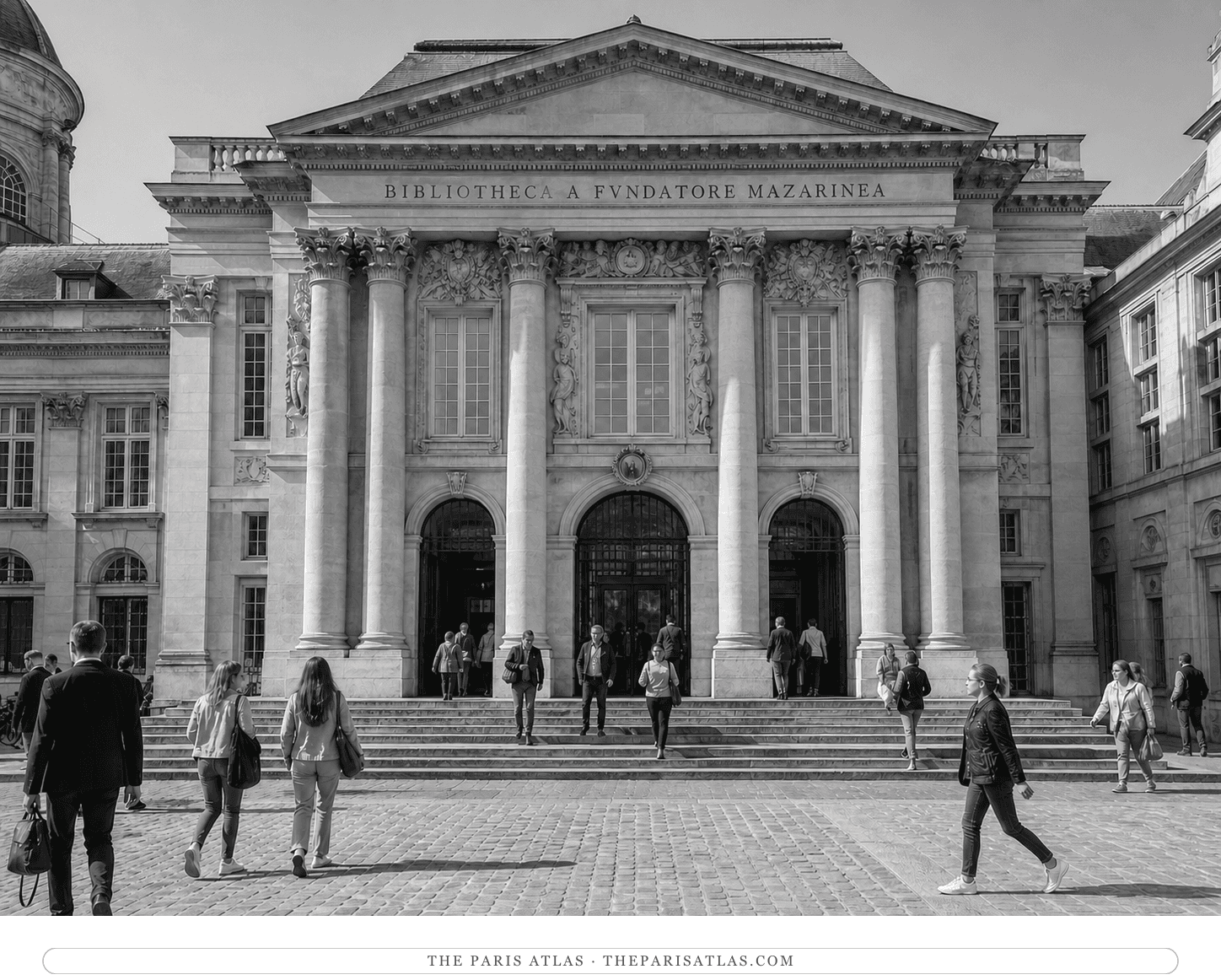
Kerouac continued his search at the Bibliothèque Mazarine, one of the oldest public libraries in France.
He again came away without the proof he sought.
These three institutions give Paris Atlas an unusually good series of book → author → research location relationships:
Jack Kerouac → Bibliothèque Nationale Jack Kerouac → Archives Nationales Jack Kerouac → Bibliothèque Mazarine *All three → Satori in Paris***
Kerouac's Paris was not limited to libraries.
*Satori in Paris* repeatedly shifts between research and sensory impressions of the city.
He remembers the straight avenues of trees in the Tuileries Garden and crossing the Seine while exhausted, nervous, sleep-deprived, and affected by cognac.
The city's physical sensations become possible candidates for the “satori”—the sudden illumination named in the book's title.
Another particularly strong location is the Church of Saint-Germain-des-Prés.
Kerouac heard a performance of *Mozart's Requiem** there. In Satori in Paris*, he wonders whether this experience might have been part of the elusive spiritual awakening he was trying to identify.
The moment combines several strands of his life perfectly:
Paris + Catholicism + music + Buddhism + spiritual uncertainty.
Kerouac could call the experience “satori,” a Zen term, while describing an illumination that may have occurred during Mozart's Catholic funeral mass inside one of Paris's oldest churches.
Kerouac's journey west to Brittany also connects him with Montparnasse.
He moved through the neighborhood, drank in bars, encountered strangers, and departed from Gare Montparnasse for Brittany.
From there he traveled toward Brest, where the genealogical search became increasingly chaotic.
For a writer whose reputation rests on trains, roads, departures, and temporary encounters, Gare Montparnasse is a particularly appropriate Kerouac location.
Kerouac hoped to establish that his ancestor had belonged to an aristocratic Breton family.
He failed.
In Brest he met a bookseller named Le Bris whom he briefly imagined might be connected to his family, but this too proved to be a false lead.
The irony is that researchers eventually solved the puzzle decades after Kerouac's death.
Historian Patricia Dagier and journalist Hervé Quéméner concluded that the ancestral figure was Urbain-François Le Bihan de Kervoac, the son of a Breton notary from the Huelgoat/Berrien area.[13]
According to their research, he had left Brittany under scandalous circumstances, reached New France, changed details of his identity, and represented himself as more aristocratic than he really was.[13]
Kerouac's cherished noble ancestry was therefore largely a family myth.
But the actual ancestor was arguably even more Kerouacian: a restless young Breton who changed his name, crossed the Atlantic, reinvented himself, and left descendants obsessed with reconstructing his story.
Back in the United States, Kerouac almost immediately began writing about the journey.
In an October 1965 letter to his old friend Ed White, preserved and later sold by Christie's, Kerouac stated:
“Yes I went to Paris, came back all excited and wrote a novel about it.”[16]
That novel became *Satori in Paris, published by Grove Press in 1966*.[17]
The title uses the Zen Buddhist word satori, generally referring to sudden awakening or illumination. Yet the book refuses to identify exactly when or how Kerouac's illumination occurred.
Was it a taxi driver?
The Requiem at Saint-Germain-des-Prés?
The Tuileries?
The Seine?
A conversation?
Fear in Brest?
The point may ultimately be that travel itself disrupted Kerouac's ideas about who he was.
Rather than recovering a fixed ancestral identity, he encountered another sequence of temporary human connections.
Paris belongs to Kerouac's biography for several independent reasons:
He passed through and explored Paris in 1957.
He visited the Louvre during that first trip.
He returned on 1 June 1965 specifically to research his ancestry.
He conducted research at three major Paris libraries and archives.
He visited Saint-Germain-des-Prés and the Tuileries.
He passed through Montparnasse on his journey toward Brittany.
*The trip directly produced Satori in Paris.*
His surviving letter explicitly describes returning home excited and writing a book about Paris.
Unlike Burroughs, he was not a long-term Paris resident. But unlike a casual visitor, he turned Paris into literature.
For years, publishers rejected On the Road.
Viking Press finally published it on 5 September 1957.[18]
The response changed Kerouac's life almost immediately.
The novel's combination of travel, youth, jazz, friendship, sex, drugs, religious yearning, and dissatisfaction with middle-class convention made Kerouac the public face of a movement that had previously existed largely among a small group of friends.
The book became a bestseller.
Kerouac became famous.
And fame proved disastrous.
The quiet, often shy writer suddenly found strangers arriving at his home, journalists demanding explanations of “Beat,” television appearances, parties, fans, and young people treating his novels as lifestyle manuals.
He increasingly resented the role.
After the success of On the Road, publishers began releasing books Kerouac had already written.
*The Subterraneans* appeared in 1958, based on his relationship with Alene Lee and the interracial bohemian world of mid-1950s New York.
*The Dharma Bums* also appeared in 1958, turning Kerouac's friendship with Gary Snyder into a novel about Buddhism, mountain climbing, solitude, and the possibility of a spiritual American counterculture.
Then came *Doctor Sax, Mexico City Blues, and Maggie Cassidy* in 1959.
To the public it seemed that Kerouac had suddenly become astonishingly prolific.
In reality, many of these books had been written earlier during years when publishers refused to take them.
Kerouac considered himself a poet as well as a novelist.
*Mexico City Blues* consists of 242 “choruses,” deliberately invoking jazz structure. Instead of conventional chapters or poems, Kerouac imagines language as sequences of improvisation.[19]
He also experimented extensively with haiku.
Traditional Japanese haiku became another model for spontaneous writing: brief perception, minimal explanation, and the attempt to capture an instant before analytical thought interfered.
His poetry helped move Beat writing away from the page as a silent, formal object and toward poetry as breath, voice, rhythm, performance, and improvisation.
Thomas Wolfe was perhaps the most important influence on the young Kerouac.
Wolfe demonstrated that the writer's own family and hometown could become the material for a giant autobiographical fictional universe. The Town and the City shows the influence particularly strongly.
Kerouac inherited from Walt Whitman the idea of the American continent itself as poetic material: roads, rivers, workers, cities, strangers, landscapes, voices, and movement.
The National Park Service lists Whitman among his important early influences.
At the New School in New York, Kerouac attended Alfred Kazin's classes on William Blake.
Blake's visions, angels, prophetic language, and fusion of poetry with religion suited Kerouac's own mystical temperament.
Cassady was simultaneously a friend, character, muse, and stylistic influence.
His conversational energy and long letters helped Kerouac imagine prose as something moving with the speed of thought.
Kerouac treated bebop musicians as models of artistic freedom.
The improvisational work of jazz musicians suggested that great art might emerge not only from careful planning but from trained spontaneity—the artist knowing the form so deeply that variation becomes instinctive.
Buddhist scriptures profoundly changed the philosophical vocabulary of Kerouac's work during the 1950s.
Suffering, emptiness, compassion, impermanence, meditation, and enlightenment join the Catholic themes that had been with him since childhood.
Kerouac's influence spread far beyond Beat literature.
The Library of Congress identifies *On the Road as one of the books that shaped American culture and specifically notes its influence on Bob Dylan, Tom Waits, and Hunter S. Thompson, as well as films such as Easy Rider*.
The Poetry Foundation identifies later writers including:
Ken Kesey Charles Bukowski Tom Robbins Richard Brautigan
and connects Kerouac's subjective, autobiographical prose to the development of New Journalism, including work by Hunter S. Thompson and Tom Wolfe.
His influence can also be detected in Thomas Pynchon and Don DeLillo, particularly in the idea of using the American continent, movement, popular culture, and marginal lives as material for ambitious fiction.
Musicians were equally affected.
Bob Dylan later described On the Road as life-changing. Kerouac also became a major reference for Tom Waits, The Doors, and later generations of rock musicians.
By the early 1960s, the mythology of Kerouac as the joyful king of the road no longer resembled his actual life.
He was drinking heavily.
He disliked celebrity.
Strangers appeared at his home.
The counterculture increasingly treated him as a founding prophet while moving politically and socially in directions he did not always share.
In 1960, Kerouac traveled to Lawrence Ferlinghetti's cabin at Big Sur, hoping that solitude would restore him.
Instead, prolonged drinking, anxiety, insomnia, and psychological instability culminated in a breakdown.
He transformed the experience into *Big Sur*, written in 1961 and published the following year.
The book is one of his bleakest works because the reader encounters the once-restless traveler discovering that movement can no longer save him.
Library of America describes it as an unusually frank self-portrait of a man whose mind begins coming apart even amid spectacular natural beauty.
Kerouac became increasingly alienated from the youth culture that claimed him.
The antiwar movement, hippies, psychedelic culture, and increasingly radical politics of the 1960s did not fit neatly with his own mixture of Catholicism, individualism, patriotism, resentment of authority, and increasingly conservative political views.[20]
This caused tension with Allen Ginsberg, whose public activism became more intense.
One striking record survives from September 1968, when Kerouac appeared with Ed Sanders and sociologist Lewis Yablonsky on William F. Buckley Jr.'s television program *Firing Line* for a discussion called “The Hippies.”
Kerouac was visibly intoxicated and tried simultaneously to acknowledge a connection between Beats and hippies while distancing himself from the politics and mythology attached to both.
The appearance is painful partly because the youthful figure associated with limitless roads was then only forty-six.
Kerouac's mother Gabrielle, or “Mémère,” remained the central domestic relationship of his adult life.
After she suffered a stroke, Kerouac increasingly organized his life around caring for her.
In 1966, he married Stella Sampas, the sister of his childhood friend Sebastian Sampas, who had been killed during World War II.
Kerouac returned for a period to Lowell and wrote *Vanity of Duluoz*, which revisited his school years, Columbia, wartime experiences, and the formation of the early Beat circle.
The man who had spent decades traveling repeatedly returned, physically and imaginatively, to the same Franco-American city from which he had begun.
By his late forties, Kerouac's health had deteriorated severely because of prolonged heavy drinking.
On 20 October 1969, while at home in St. Petersburg, Florida, he suddenly began vomiting blood.
He was taken to St. Anthony's Hospital with a severe esophageal hemorrhage. Doctors attempted transfusions and surgery, but advanced liver damage prevented normal clotting.[21]
Kerouac never regained consciousness.
He died at approximately 5:15 a.m. on 21 October 1969, aged only forty-seven. Contemporary reporting described his death as the result of a massive hemorrhage. More detailed accounts identify bleeding esophageal varices associated with cirrhosis caused by long-term alcohol abuse.
His funeral was held at St. Jean Baptiste Church in Lowell, returning him to the Catholic and Franco-American community of his childhood.
He was buried at Edson Cemetery.
Kerouac's public image has often simplified him.
The popular Kerouac is the young man with a backpack, cigarette, jazz record, notebook, and endless highway ahead.
The actual writer was considerably stranger.
He was a French-speaking Catholic child fascinated by saints.
A football player who wanted to become a novelist.
A merchant sailor.
A failed Navy recruit.
A jazz obsessive.
A Buddhist student who never stopped thinking like a Catholic.
A traveler who repeatedly returned to his mother.
A writer celebrated as spontaneous whose archive reveals obsessive documentation and revision.
A supposed prophet of the 1960s counterculture who became deeply uncomfortable with the movement built partly from his books.
And a writer famous for freedom who spent his final years increasingly trapped by celebrity, alcoholism, family obligations, nostalgia, and his own legend.
His literary achievement lies partly in allowing those contradictions to remain visible.
Kerouac tried to turn his entire existence into literature: Lowell, New York, Denver, San Francisco, Mexico, Tangier, Paris, Brittany, mountains, bars, churches, trains, friends, lovers, arguments, dreams, deaths, and drunken nights.
The individual books were intended as fragments of something larger.
He called it the Duluoz Legend.
What finally emerged was one of the most extensive acts of autobiographical mythmaking in twentieth-century American literature.
Jean-Louis Lebris de Kérouac is born in Lowell, Massachusetts, on 12 March.
His nine-year-old brother Gerard dies of rheumatic fever, profoundly affecting four-year-old Jack.
Grows up speaking French in Lowell's Franco-American Catholic community.
Becomes a football and track star at Lowell High School and begins writing seriously.
Moves to New York to attend Horace Mann School as preparation for Columbia.
Enters Columbia University on a football scholarship.
Breaks his leg during his first football season.
Leaves Columbia after conflicts over football and declining interest in formal study.
Joins the Merchant Marine and sails to Greenland aboard the S.S. Dorchester.
Enlists in the U.S. Naval Reserve.
Discharged from the Navy as unsuitable for military service following psychiatric evaluation.
Meets Allen Ginsberg and William S. Burroughs; becomes involved in the aftermath of Lucien Carr's killing of David Kammerer; marries Edie Parker.
Co-writes And the Hippos Were Boiled in Their Tanks with Burroughs.
Father Leo Kerouac dies.
Meets Neal Cassady in New York.
Begins the major cross-country journeys that feed into On the Road.
Meets John Clellon Holmes; during their discussions Kerouac begins using the idea of a “Beat Generation.”
Sells his first novel to Harcourt Brace.
The Town and the City is published.
Marries Joan Haverty.
Types the famous scroll draft of On the Road.
Daughter Jan Kerouac is born.
Develops his theory of “spontaneous prose” and writes Visions of Cody.
Intensively studies Buddhism and writes spiritual texts, journals, poetry, and fiction.
Writes much of Mexico City Blues.
Writes Visions of Gerard and Tristessa; spends the summer as a fire lookout on Desolation Peak.
Travels to Tangier and assists Burroughs with manuscript material for Naked Lunch.
Travels from Tangier to Paris, visits the Louvre, and continues through Europe.
Viking publishes *On the Road*, making Kerouac internationally famous.
Writes The Dharma Bums.
The Subterraneans and The Dharma Bums are published.
Doctor Sax, Mexico City Blues, and Maggie Cassidy appear.
Tristessa, Lonesome Traveler, and The Scripture of the Golden Eternity are published.
Writes Big Sur following a severe breakdown in California.
Big Sur is published.
Visions of Gerard is published.
Desolation Angels appears.
Arrives in Paris to research his Breton ancestry.
Conducts genealogical research at the Bibliothèque Nationale, Archives Nationales, and Bibliothèque Mazarine before traveling through Brittany.
Returns to America and rapidly writes *Satori in Paris*.
Writes Ed White that he went to Paris, returned excited, and wrote a novel about it.
Satori in Paris is published by Grove Press.
Marries Stella Sampas; his mother suffers a debilitating stroke.
Returns to Lowell and works on Vanity of Duluoz.
Neal Cassady dies in Mexico.
Vanity of Duluoz is published.
Appears intoxicated on William F. Buckley Jr.'s Firing Line discussion “The Hippies.”
Suffers a severe esophageal hemorrhage at his home in St. Petersburg, Florida.
Dies at St. Anthony's Hospital aged forty-seven.
Funeral held at St. Jean Baptiste Church in Lowell; buried at Edson Cemetery.
Jack Kerouac Commemorative is dedicated in Lowell.
The fiftieth anniversary of On the Road produces major archival exhibitions and renewed scholarly attention to the original scroll and Kerouac's writing process.
How Jack appears in its pages: The narrator, a famous writer who calls himself the King of the Beatniks and hides in a cabin on the coast to escape his fame and his drinking. Kerouac's stand-in.

How Jack appears in its pages: Kerouac himself, aged forty-three, in France to find the noble Breton family he believes he comes from.

How Jack appears in its pages: The narrator, a broke young writer who reads Buddhist books, rides freight trains and tries to learn to meditate. Kerouac's stand-in.
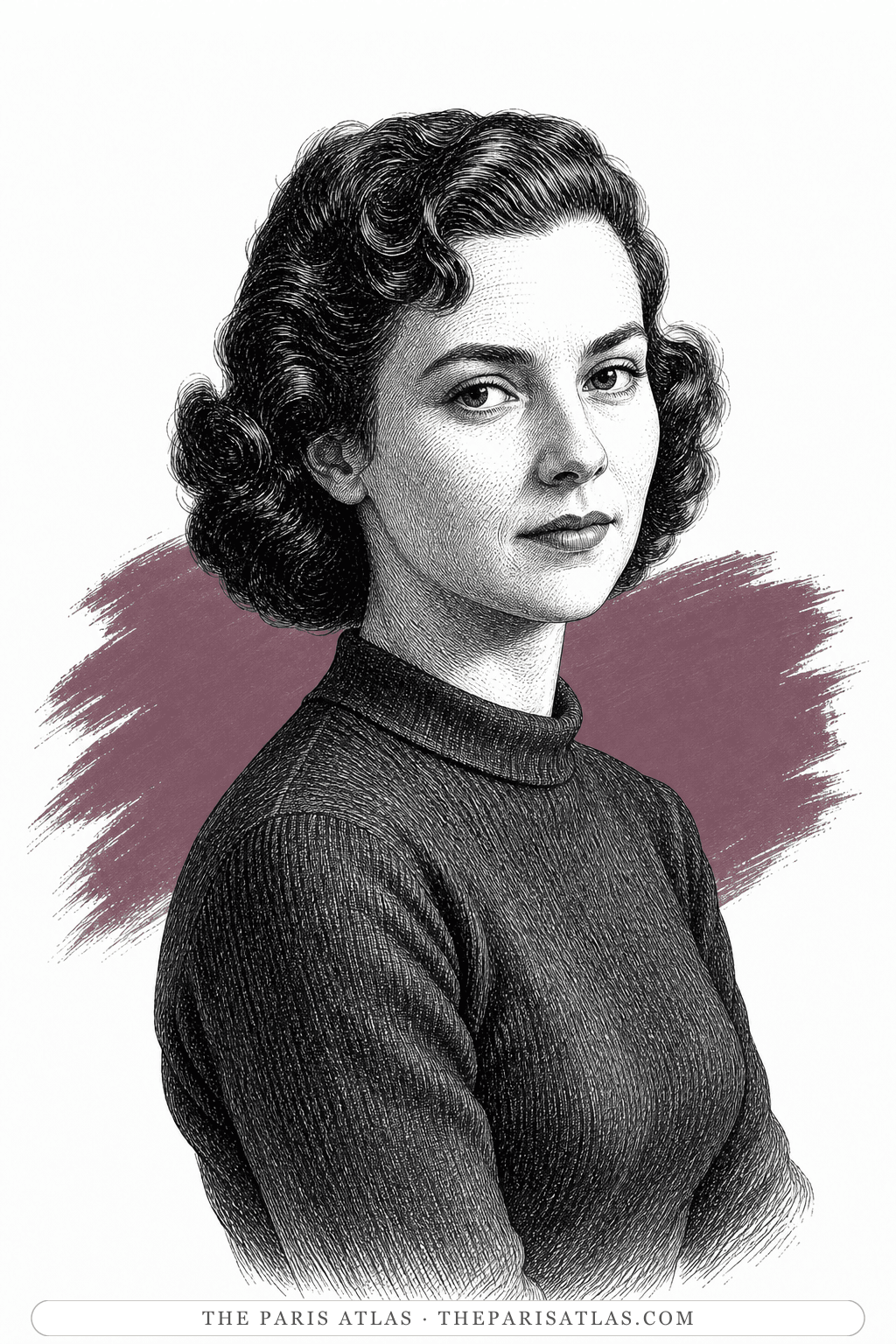
Married to · 1944–1948
Kerouac married Parker after her family helped arrange bail while he was held as a material witness in the Carr case; the marriage was brief.
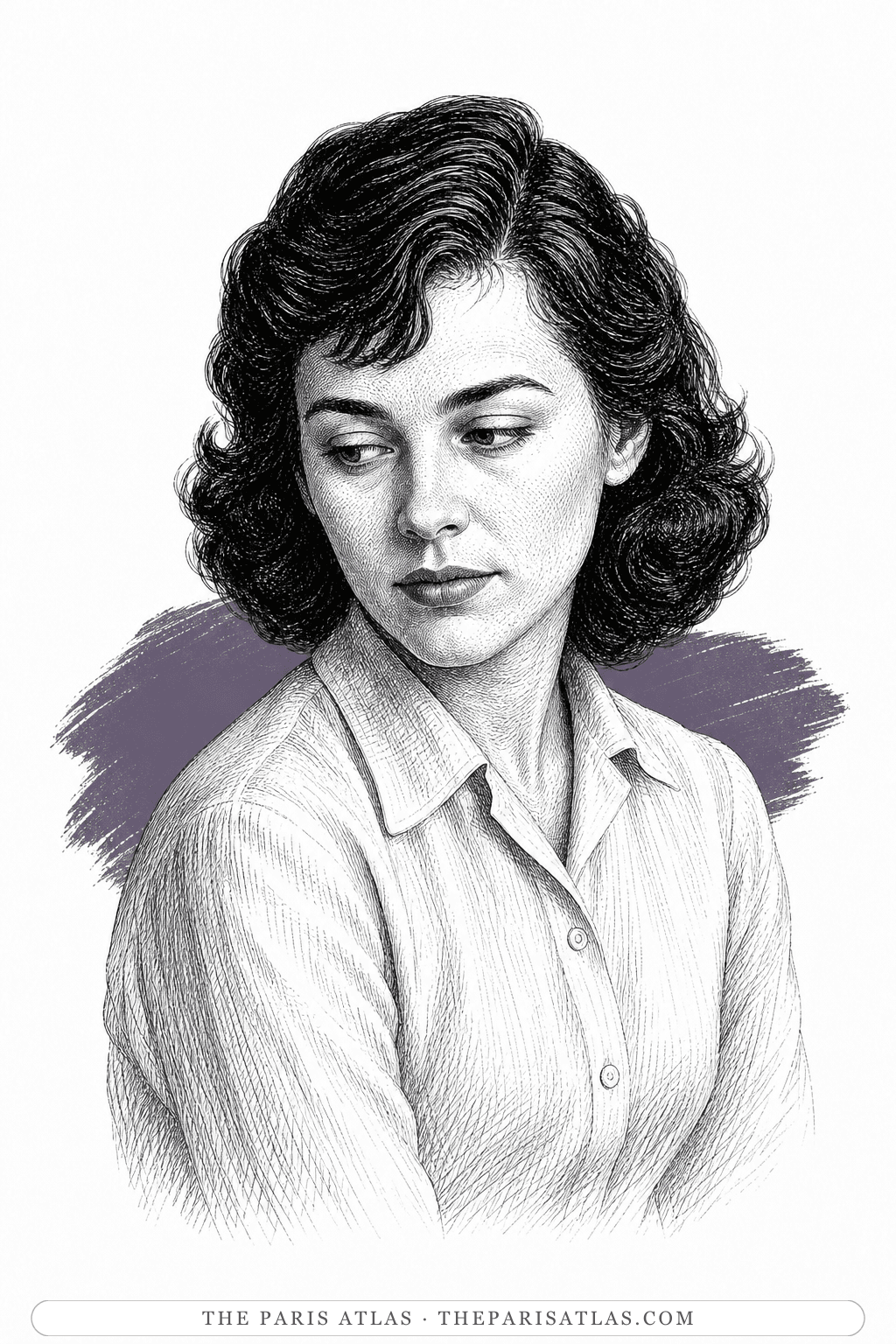
Married to · 1950–1951
Haverty was Kerouac's second wife and the mother of Jan Kerouac; they separated around the period in which he completed the On the Road scroll.
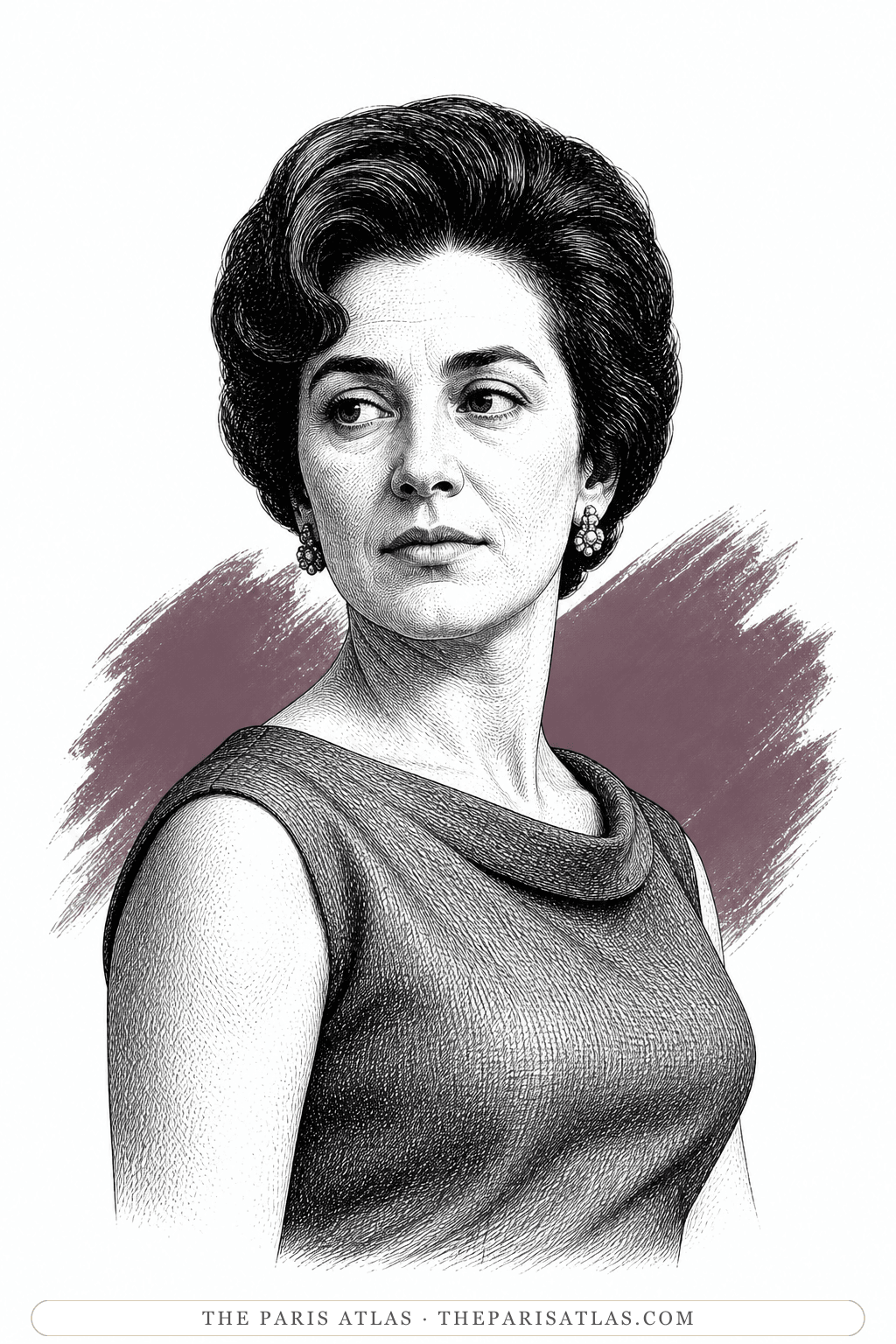
Married to · 1966–1969
Kerouac married his Lowell childhood acquaintance Stella Sampas in 1966; she shared his final years while he cared for his mother.
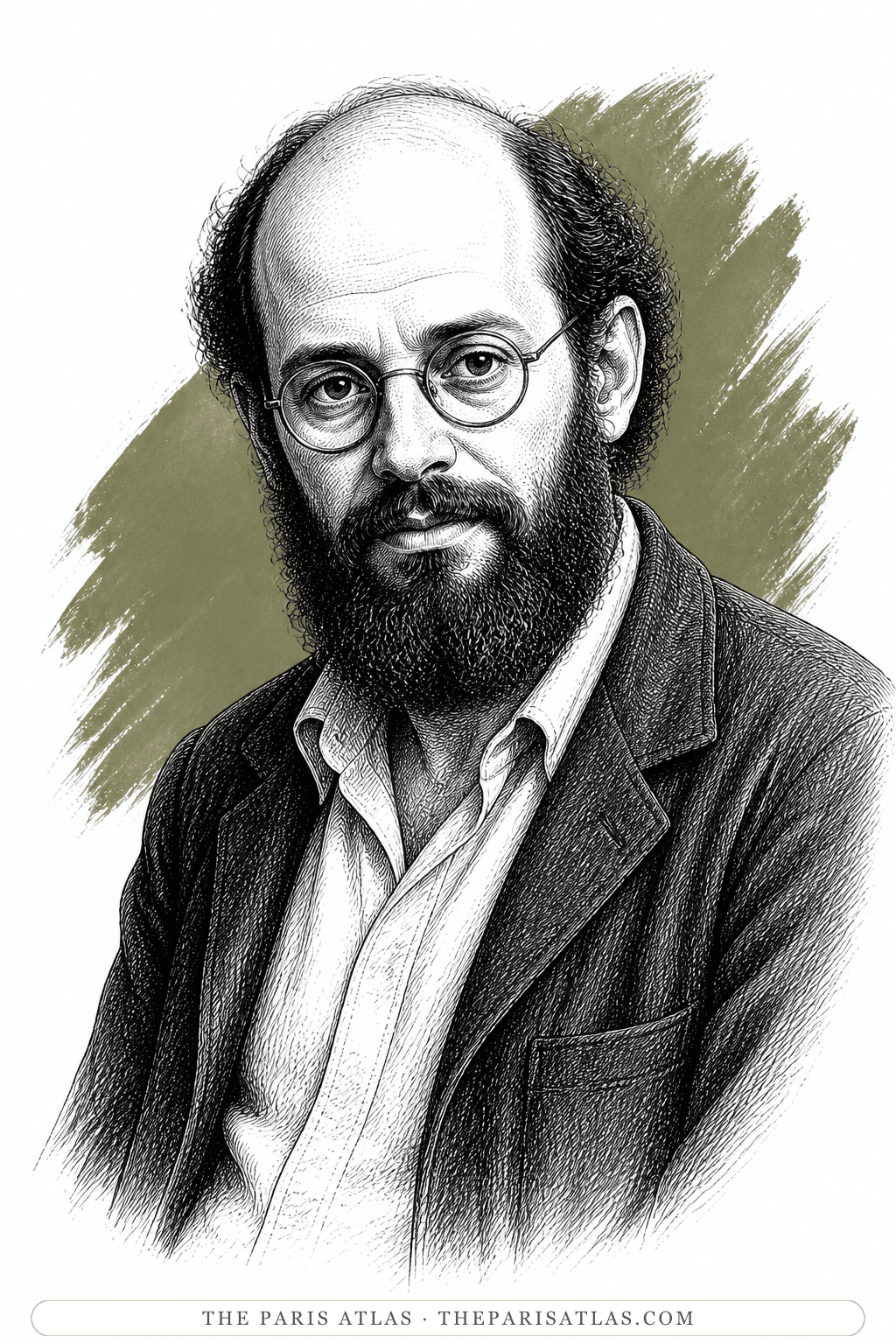
Met · 1944
Kerouac and Ginsberg met in New York in 1944 and became central figures in the early Beat circle.
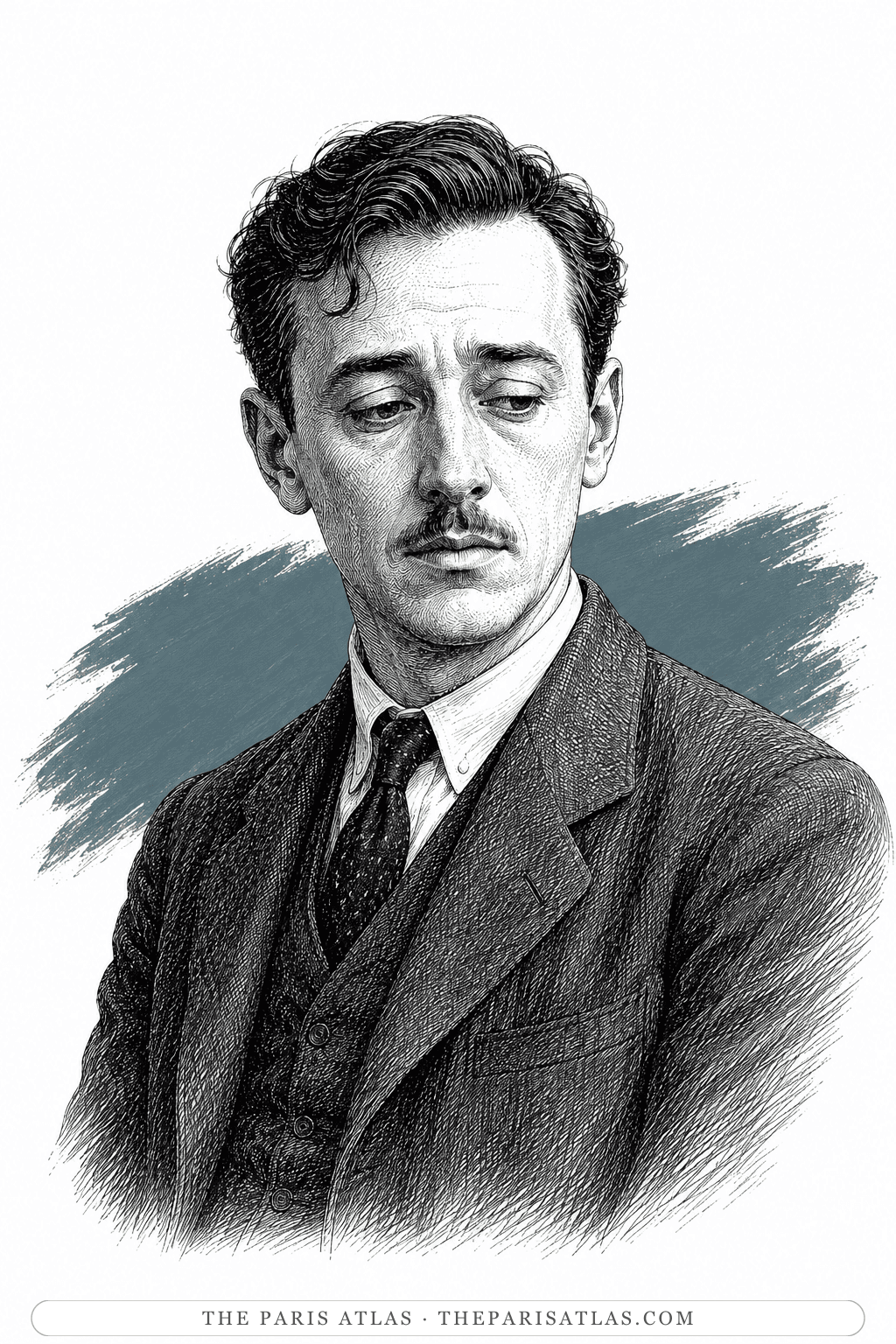
Met
White was Kerouac's longtime friend and correspondent; his suggestion that Kerouac make verbal sketches from life helped catalyze spontaneous prose.
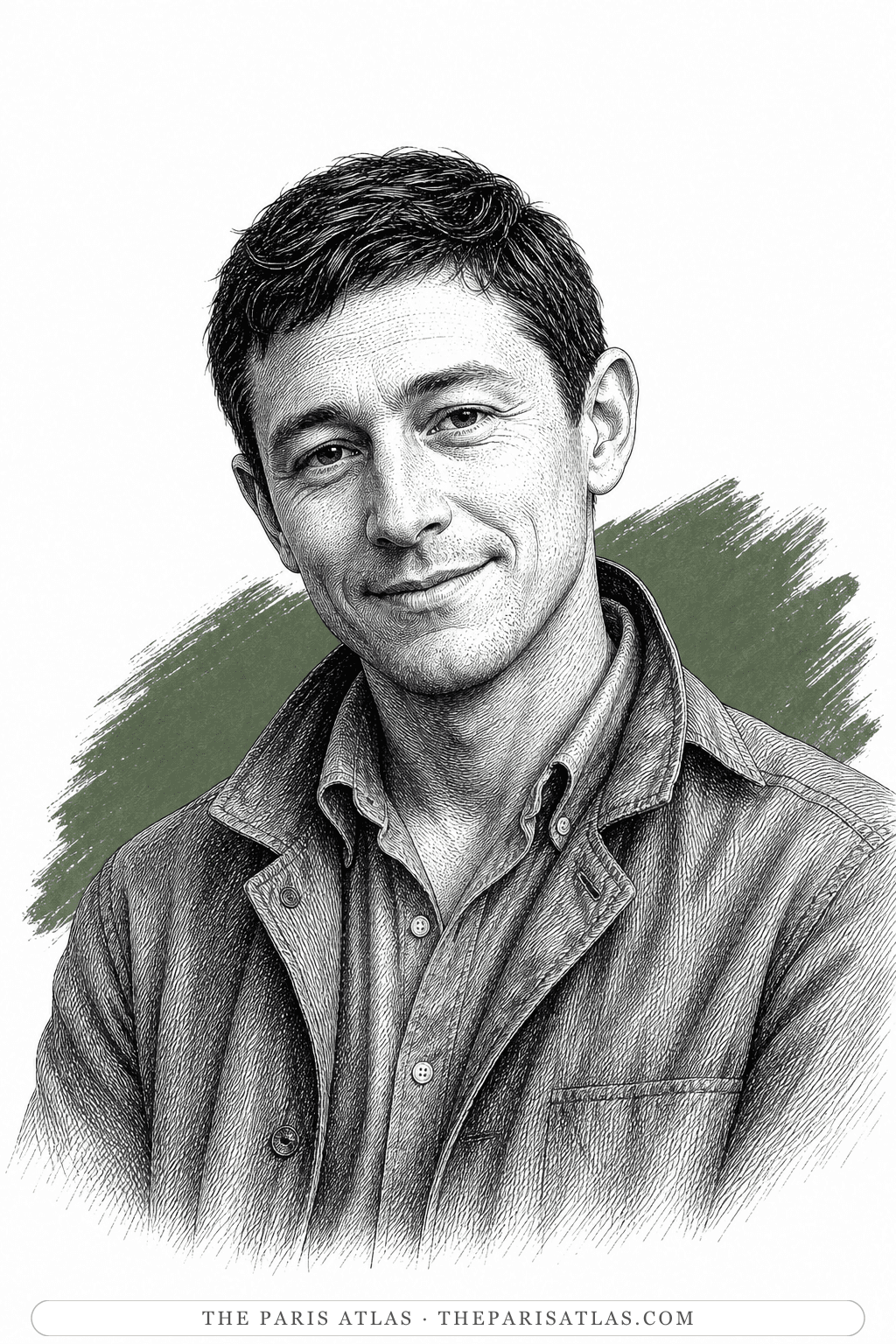
Met · 1955
Snyder's serious study of Asian religions intensified Kerouac's Buddhism and inspired Japhy Ryder in The Dharma Bums.
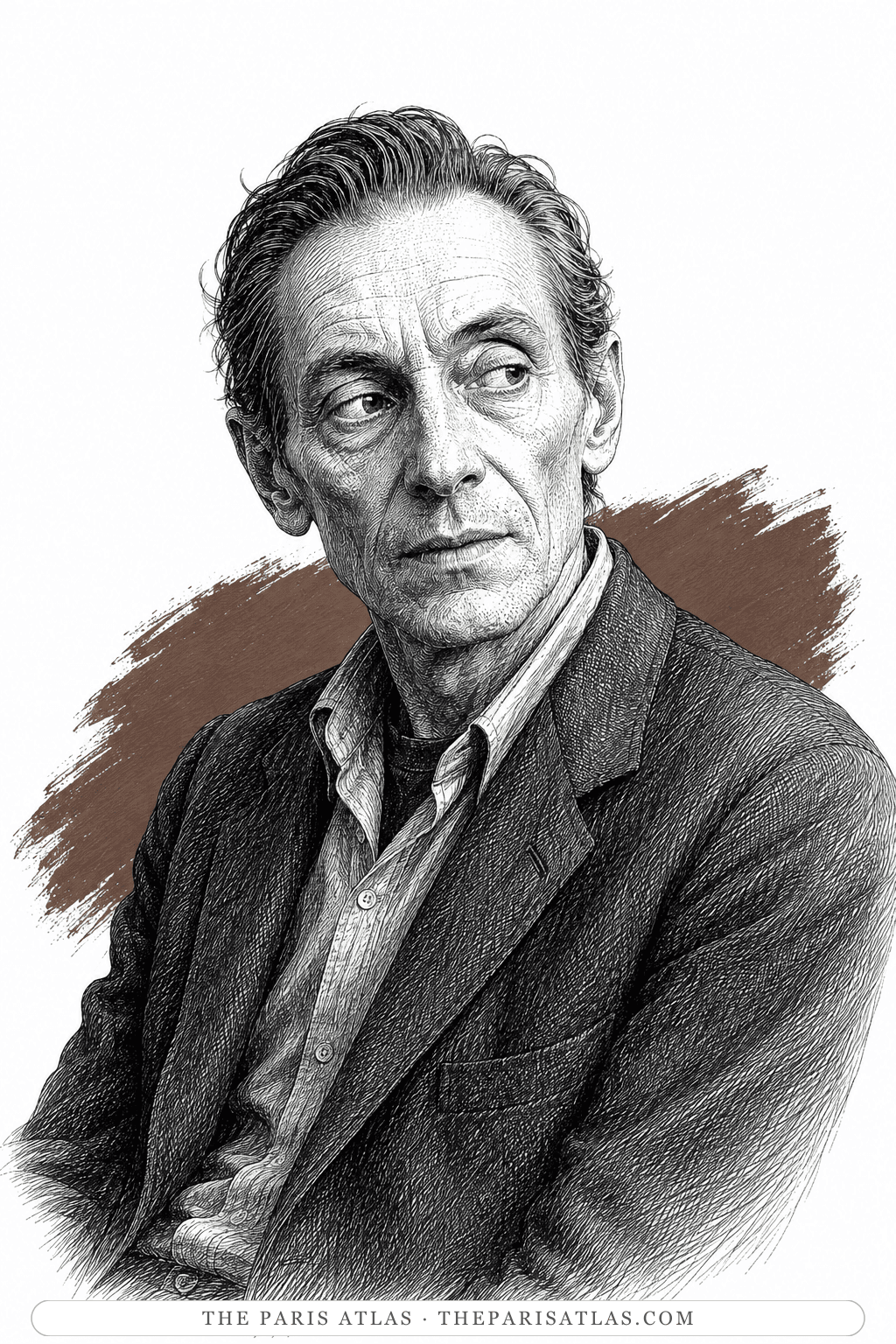
Met · 1944
Huncke belonged to Kerouac's early Beat circle and supplied the underworld meaning of “beat” that Kerouac later expanded into a generational idea.
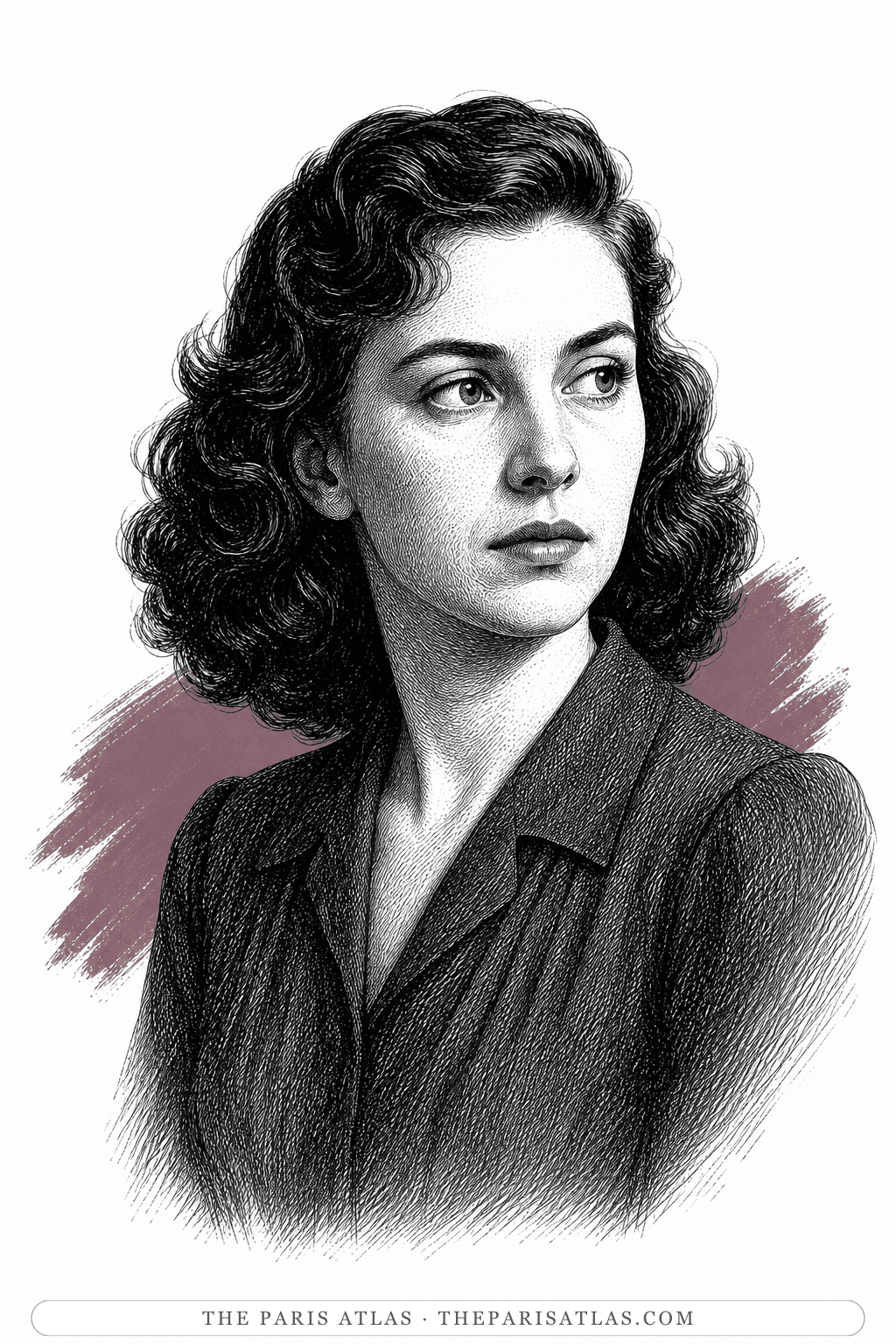
Met · 1944
Vollmer was a central member of the New York circle in which Kerouac, Burroughs, Ginsberg and Carr formed their early friendships.
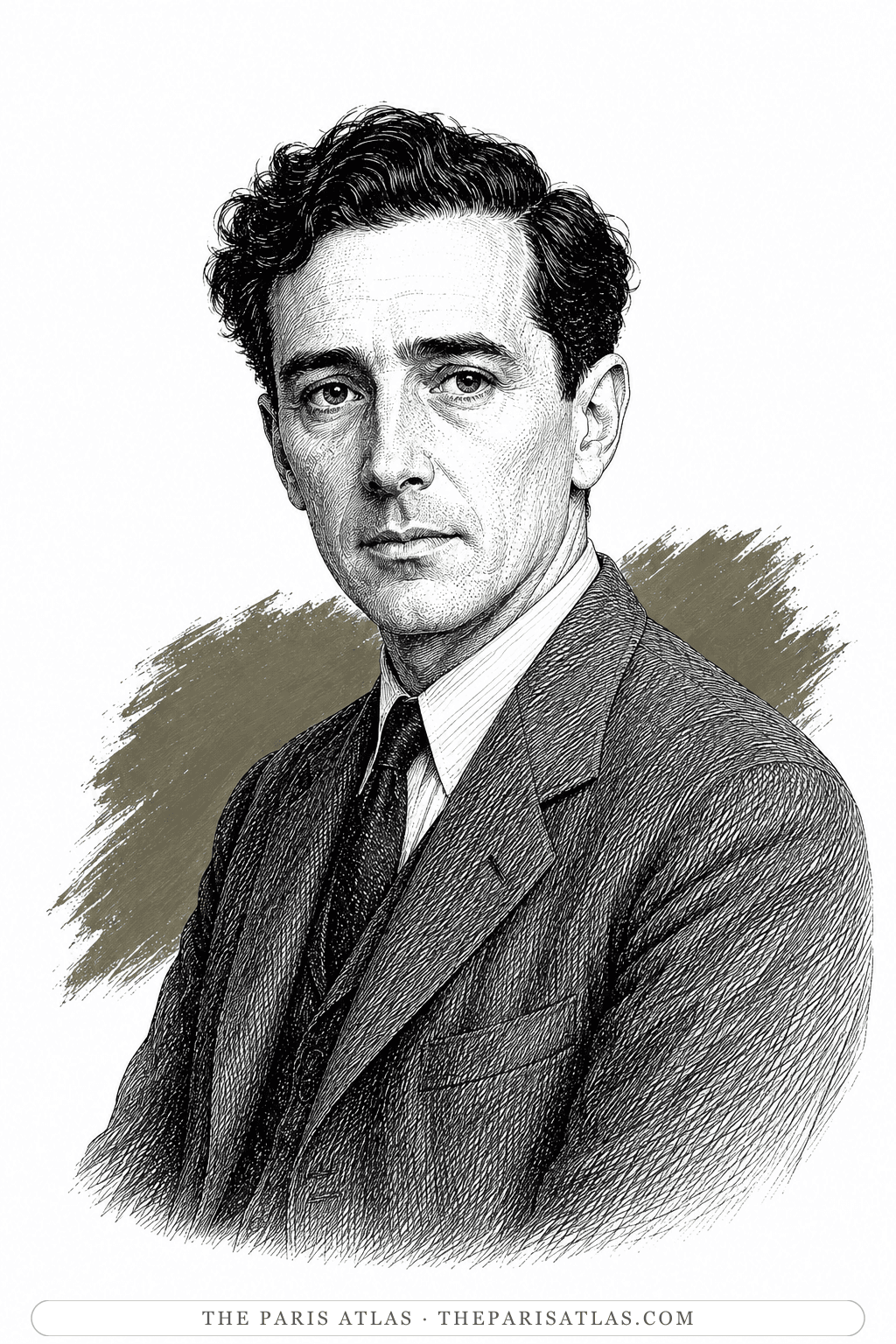
Met · 1948
During conversations with Holmes beginning in 1948, Kerouac applied the term “Beat Generation” to their contemporaries.
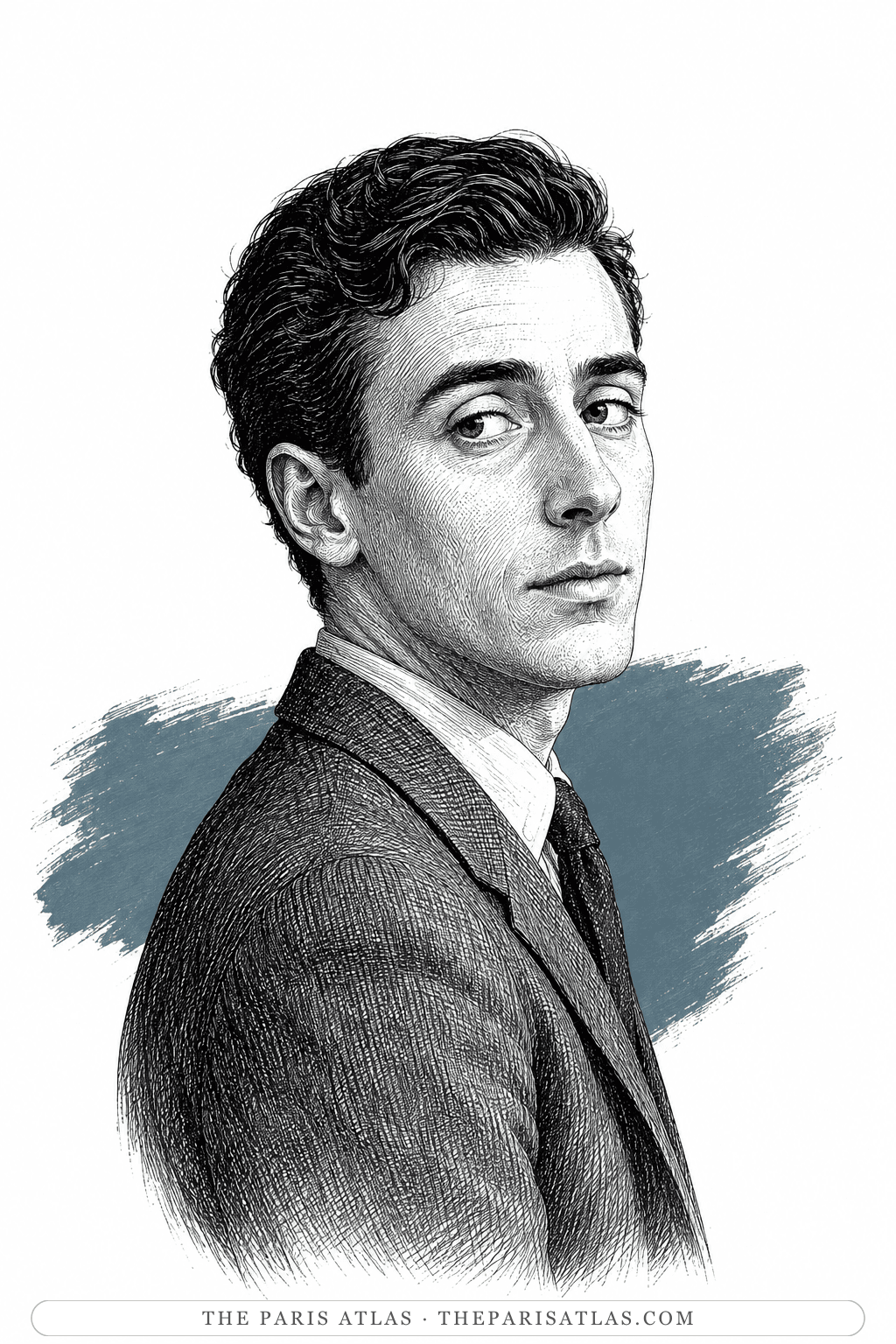
Met · 1944
Carr belonged to Kerouac's formative New York circle; the aftermath of Carr's killing of David Kammerer drew Kerouac into the investigation.
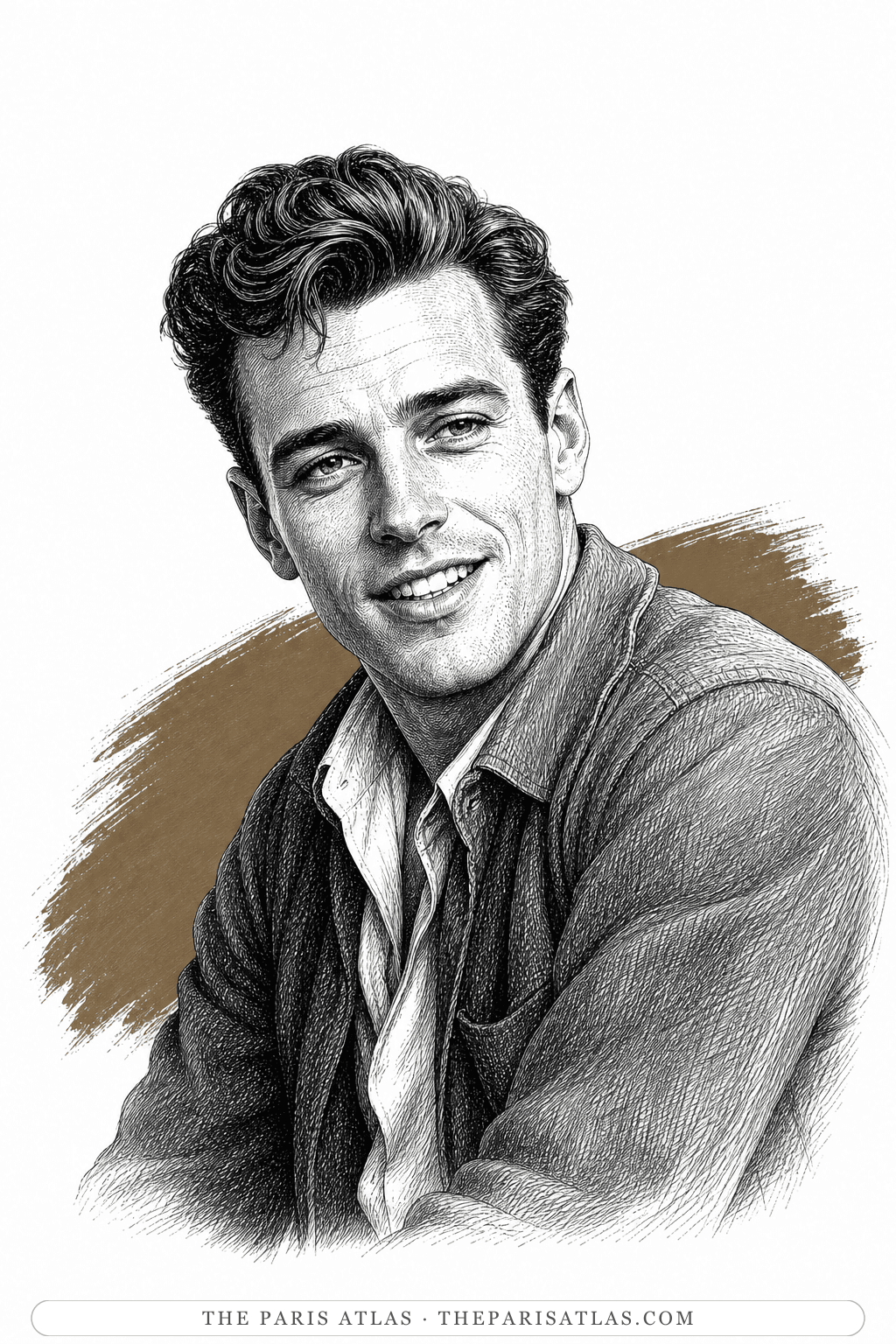
Met · 1946
Cassady became Kerouac's traveling companion, muse and the model for Dean Moriarty and Cody Pomeray; his talk and letters also influenced Kerouac's prose rhythm.
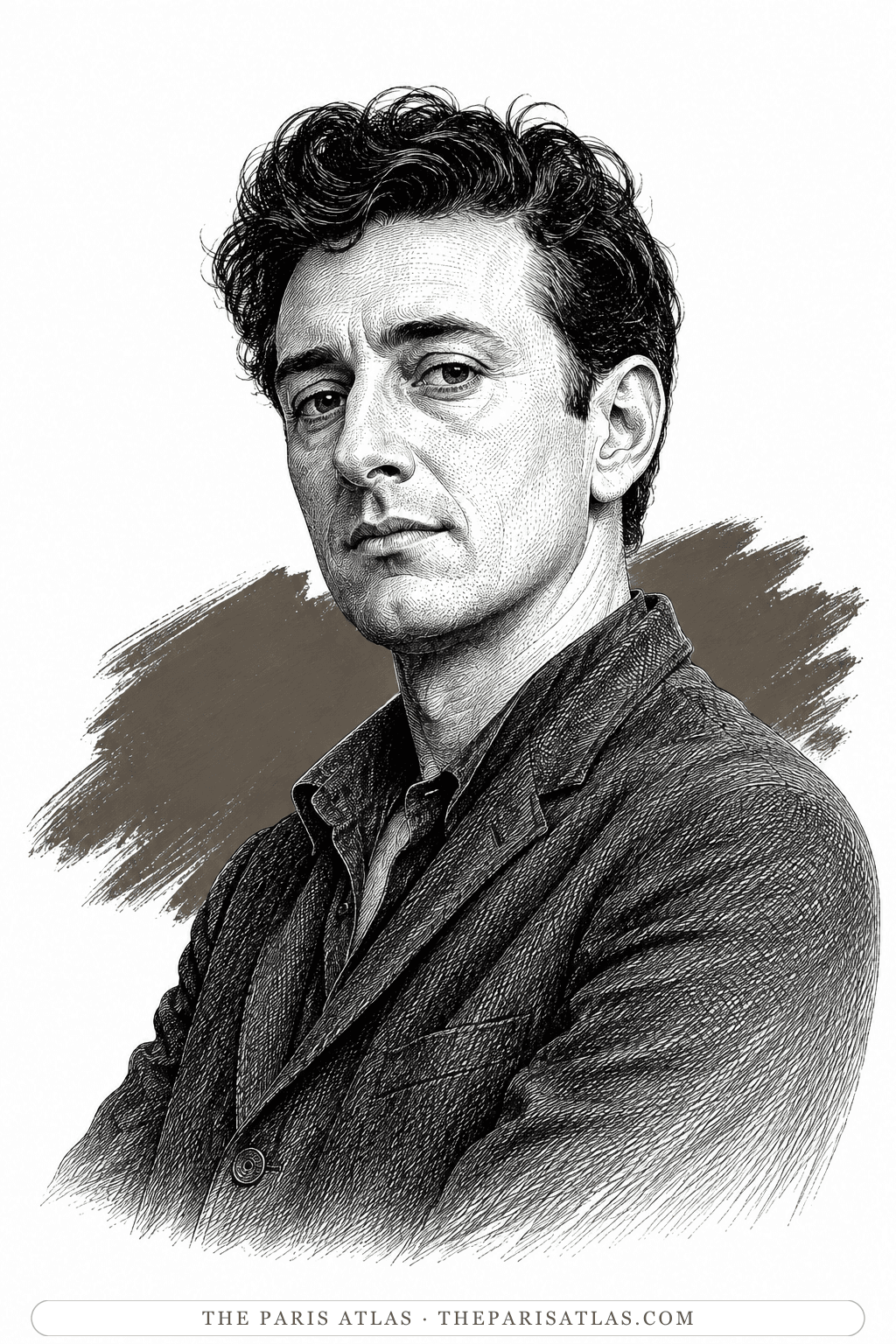
Collaborated with · 1959
Leslie, a Kerouac acquaintance since the late 1940s, co-directed Pull My Daisy from Kerouac's play with Kerouac's narration.
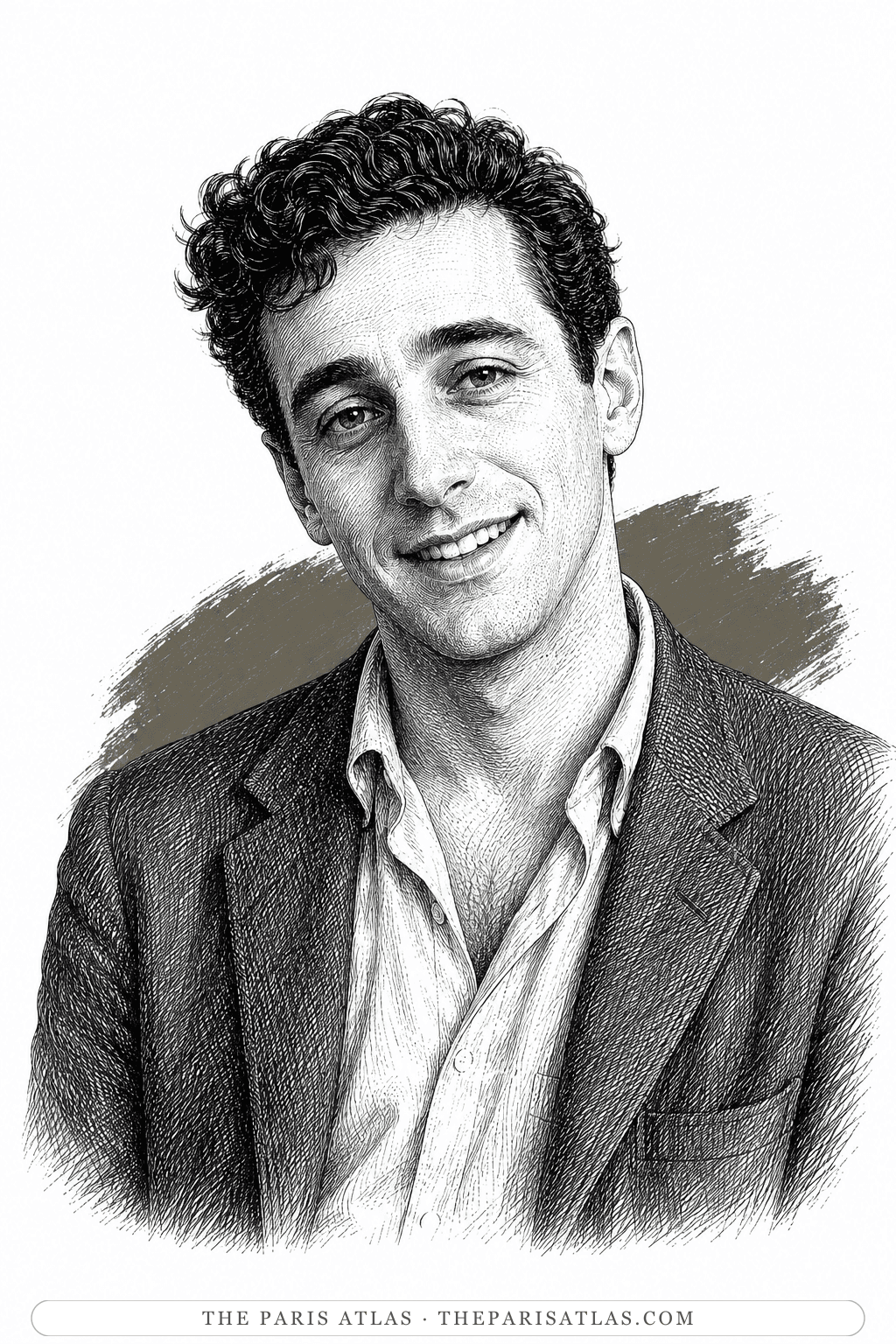
Collaborated with · 1956
Kerouac and Amram became friends after improvising poetry and music together in 1956, developed public jazz-poetry performances, and collaborated on Pull My Daisy.
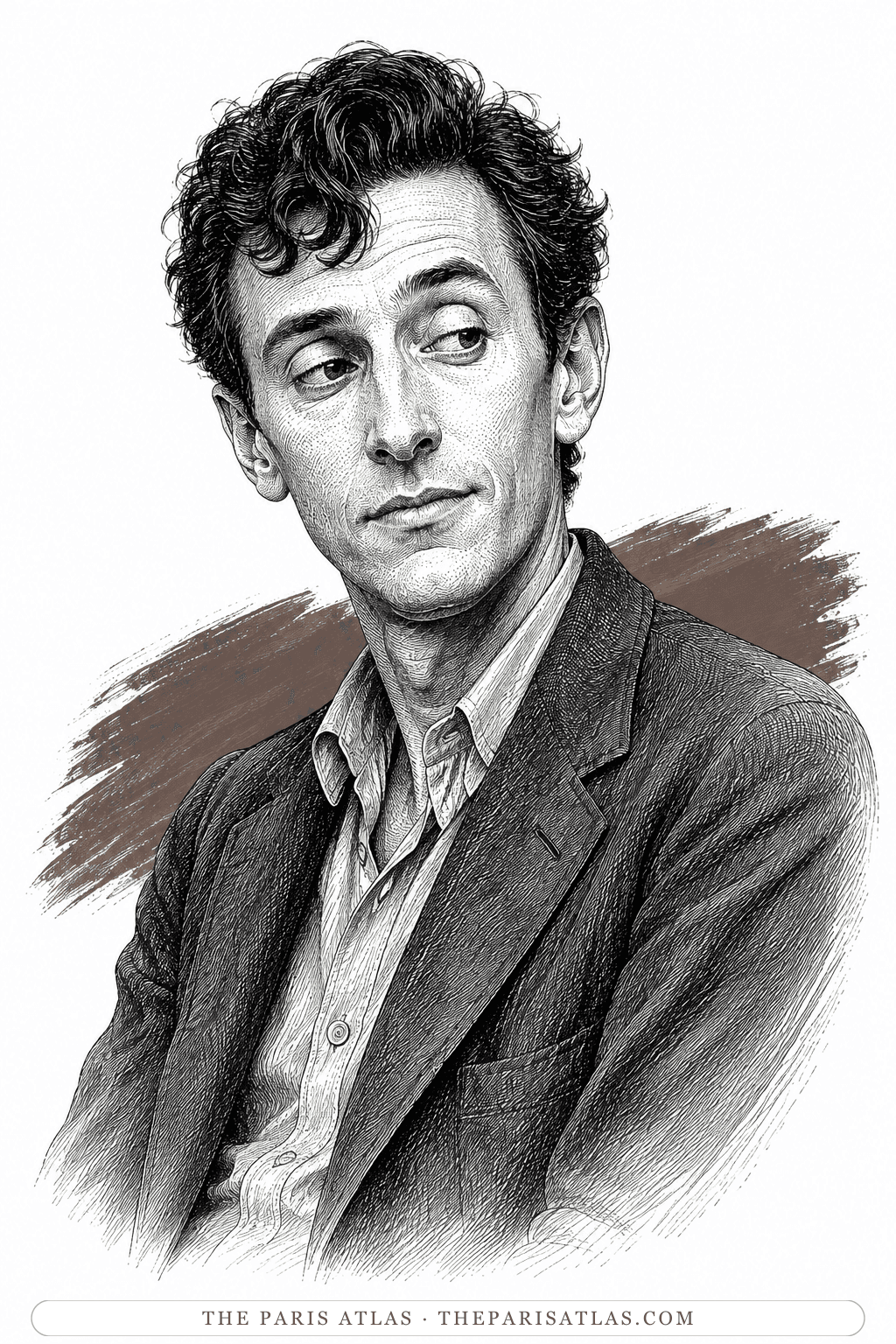
Collaborated with · 1959
Rivers acted in Pull My Daisy, the Beat film adapted from Kerouac's play and completed with Kerouac's narration.
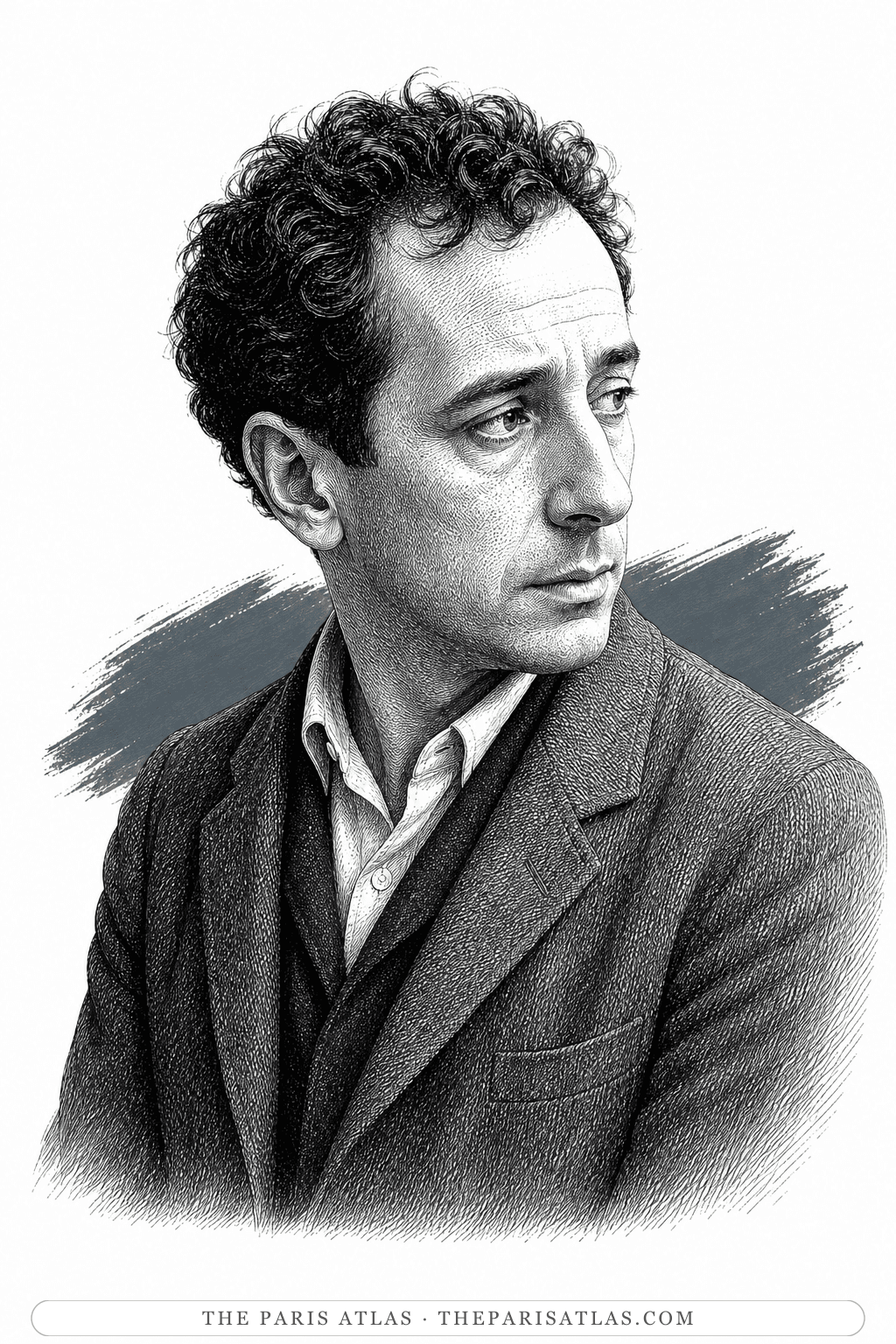
Collaborated with · 1958
Kerouac wrote the introduction to Frank's The Americans and supplied the spontaneous narration for Frank and Alfred Leslie's Pull My Daisy.
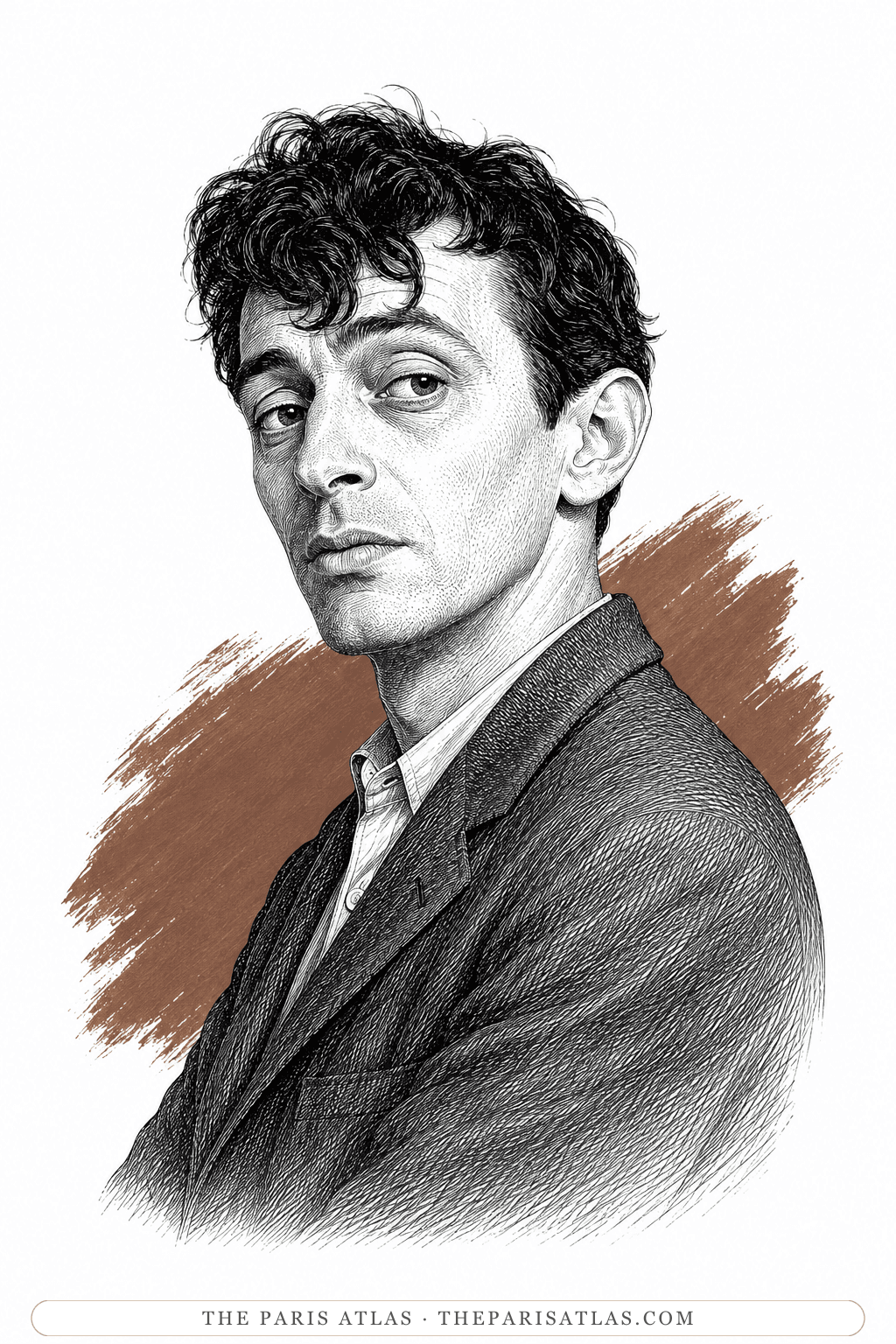
Met · 1956
Corso belonged to Kerouac's immediate Beat circle and traveled through Mexico City with Kerouac, Ginsberg and Peter Orlovsky in 1956.
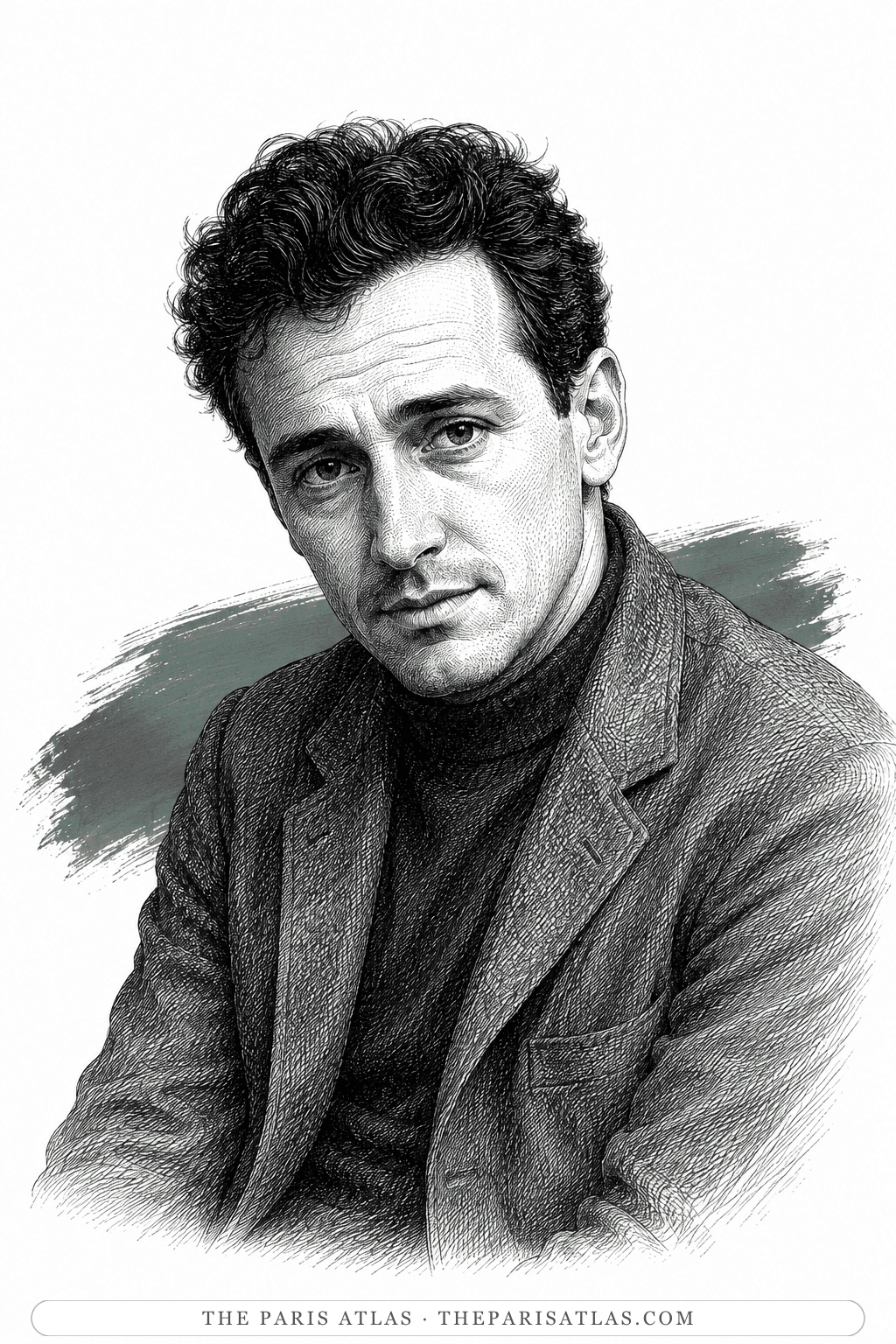
Met · 1955
Kerouac met Ferlinghetti in 1955 and later stayed at the poet-publisher's Big Sur cabin, the setting behind Big Sur.
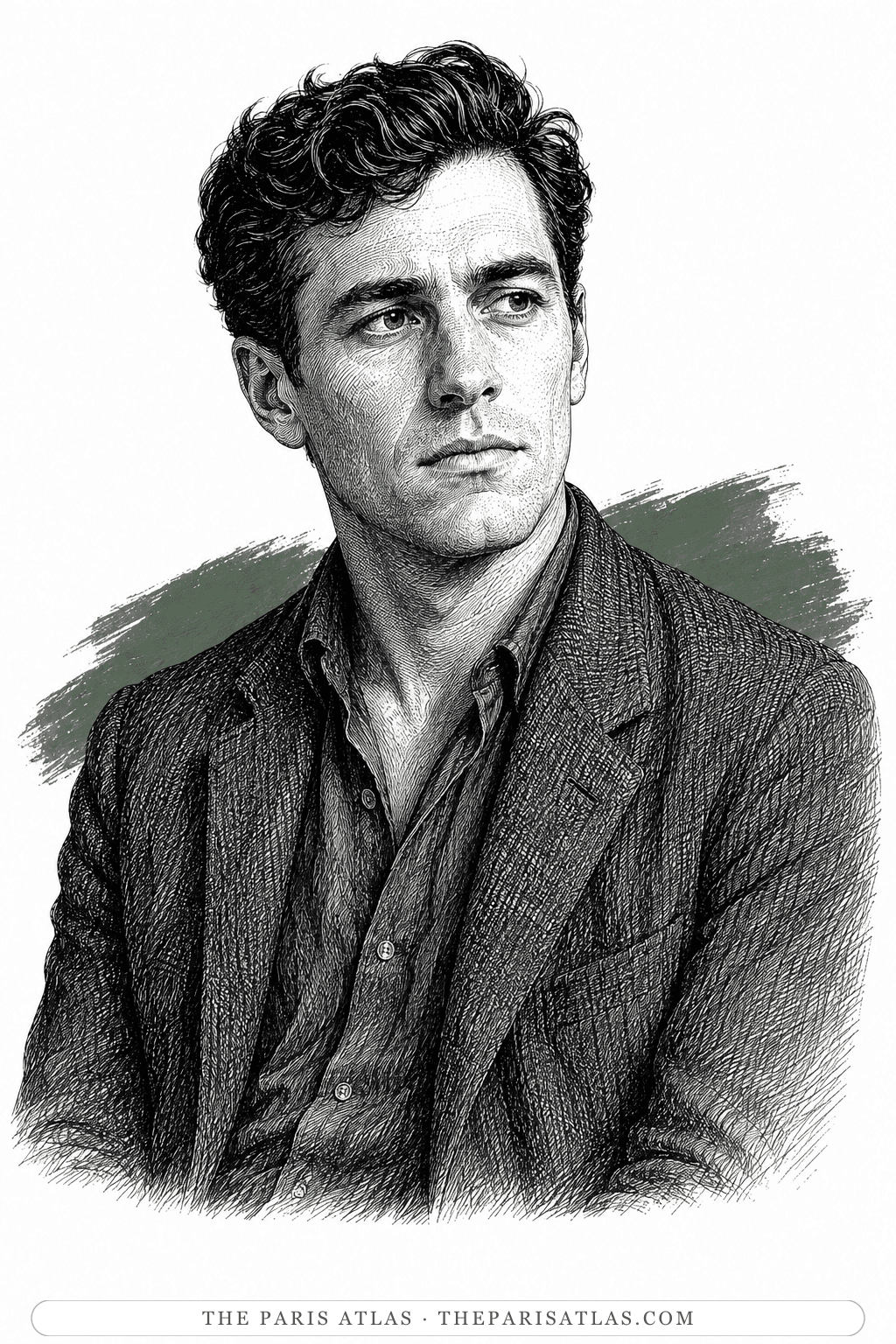
Met · 1955
Kerouac met McClure in 1955, witnessed his Six Gallery reading and later fictionalized him as Pat McLear in Big Sur.
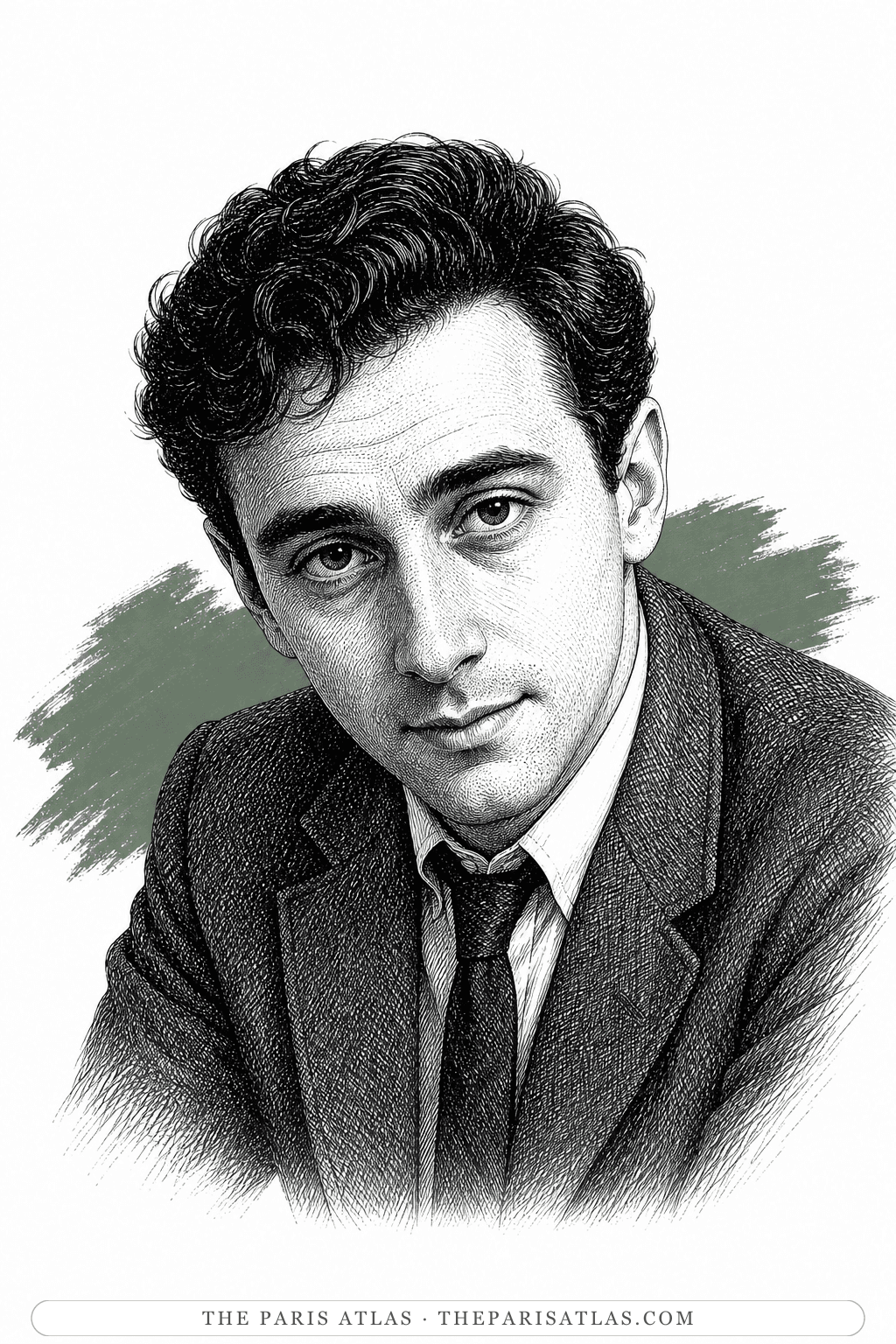
Met · 1956
Orlovsky traveled with Kerouac, Ginsberg and Corso in Mexico in 1956 and later appeared in Pull My Daisy.
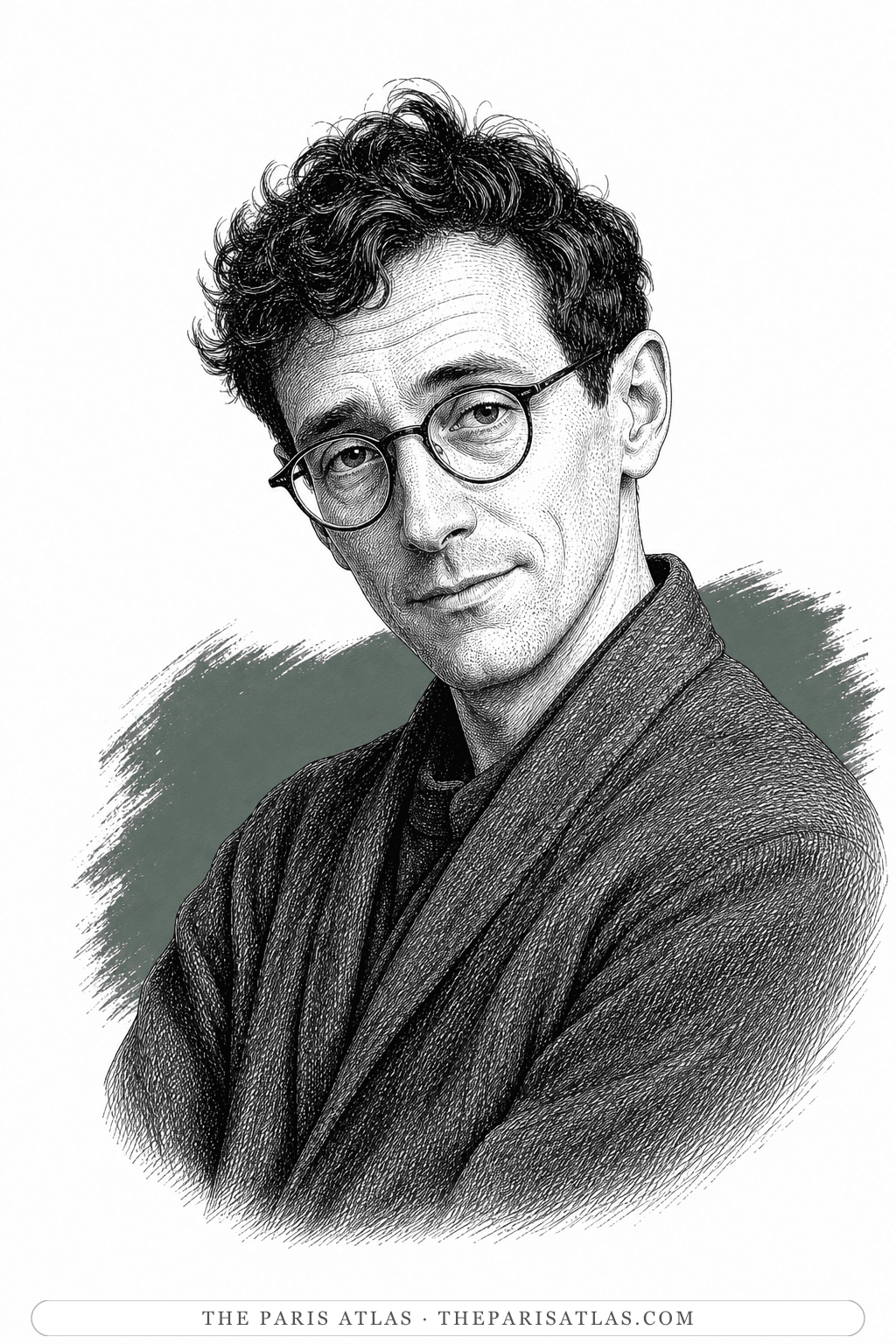
Met · 1955
Kerouac met Whalen in 1955; the poet became a friend and appeared as Warren Coughlin in The Dharma Bums and Ben Fagan in Big Sur.
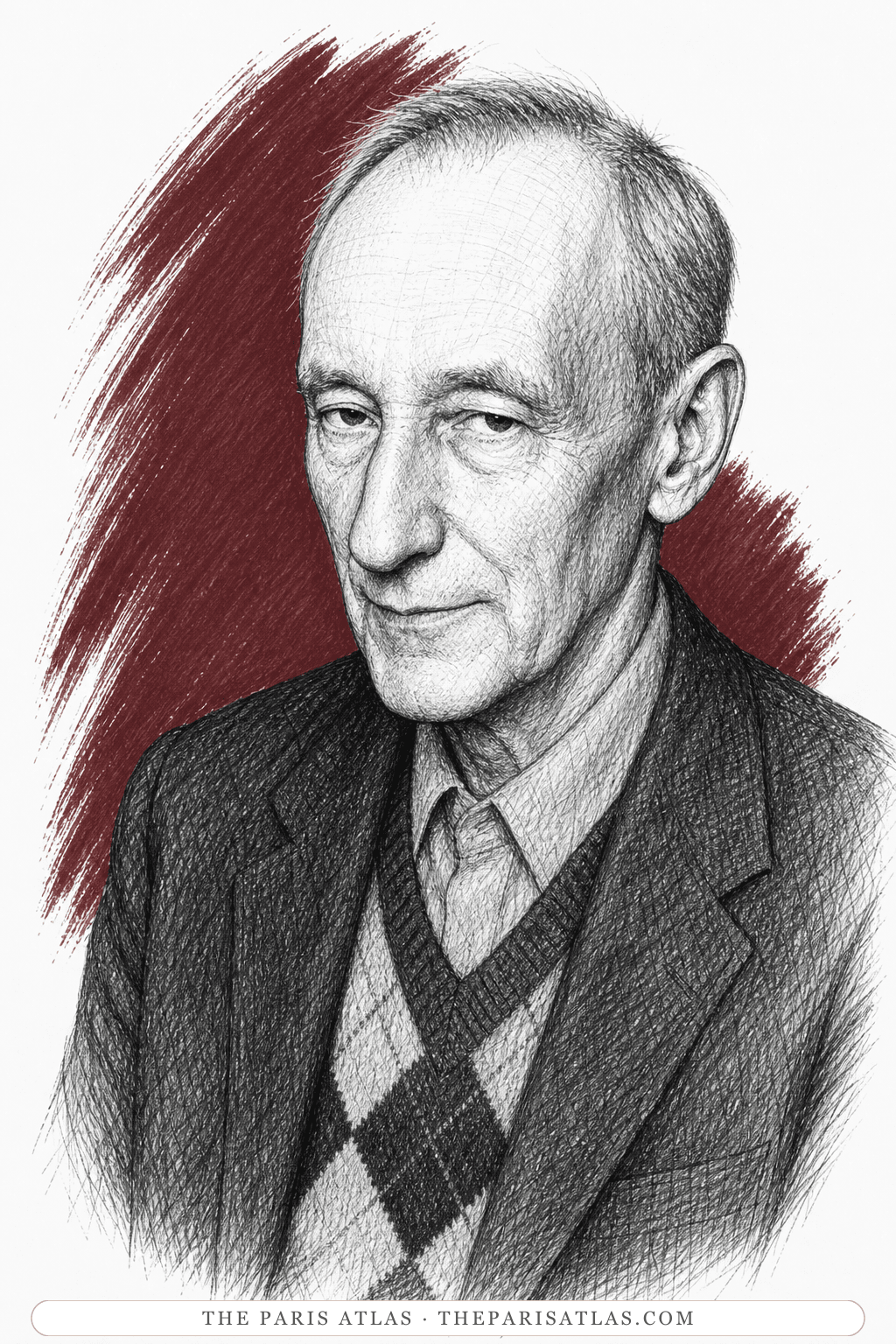
Collaborated with · 1945
Burroughs and Kerouac co-wrote And the Hippos Were Boiled in Their Tanks; Kerouac later helped type and organize the material that became Naked Lunch.
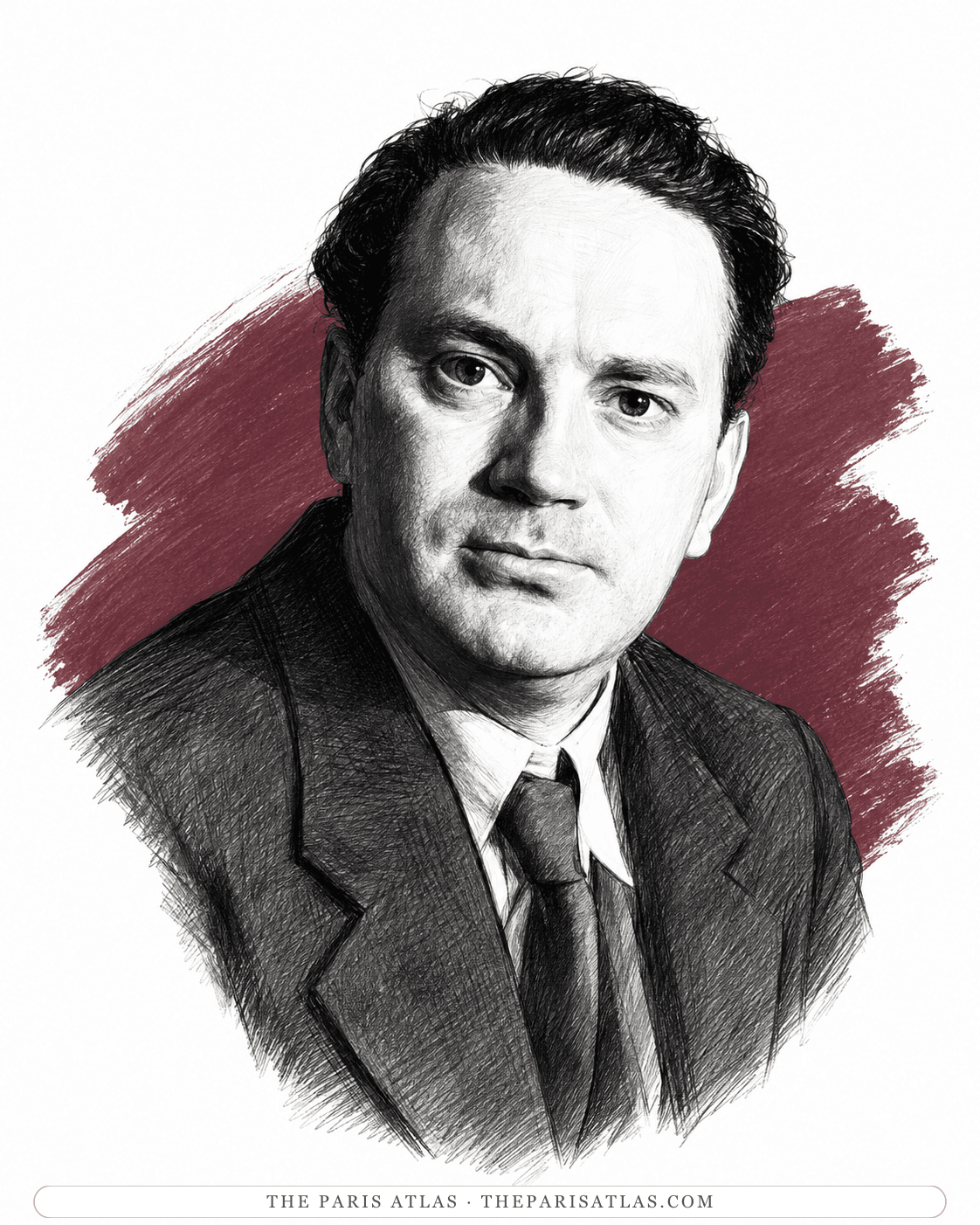
Wolfe's expansive autobiographical novels convinced the young Kerouac that his own family, hometown, friendships and wanderings could become a continuous literary universe.
Reading Cassady's headlong, unpunctuated letters convinced Kerouac to abandon the mannered style of The Town and the City and write in a rush of mad ecstasy, the spontaneous prose that produced On the Road. Cassady was both the method and the subject: the model for Dean Moriarty in On the Road and Cody Pomeray in the later books.

Jack Kerouac turns highways, jazz, friendship, poverty, and restless movement across America into the defining Beat novel.

A jealous writer turns a brief bohemian affair into one rushing act of self-exposure.
Jack Kerouac's follow-up to On the Road trades the highway for mountain trails, and a restless young writer tries to learn Buddhism from a poet who climbs peaks.
Three years after On the Road made him famous, Jack Kerouac hides in a friend's cabin on the California coast to dry out, and his mind comes apart there.
Jack Kerouac flies to Paris in 1965 to prove he descends from Breton nobility. He finds closed archives, long nights in bars and, maybe, a moment of awakening in a taxi.

Kerouac consulted the Bibliothèque Mazarine during his June 1965 search for records of his supposed Breton ancestry, later recounted in Satori in Paris.
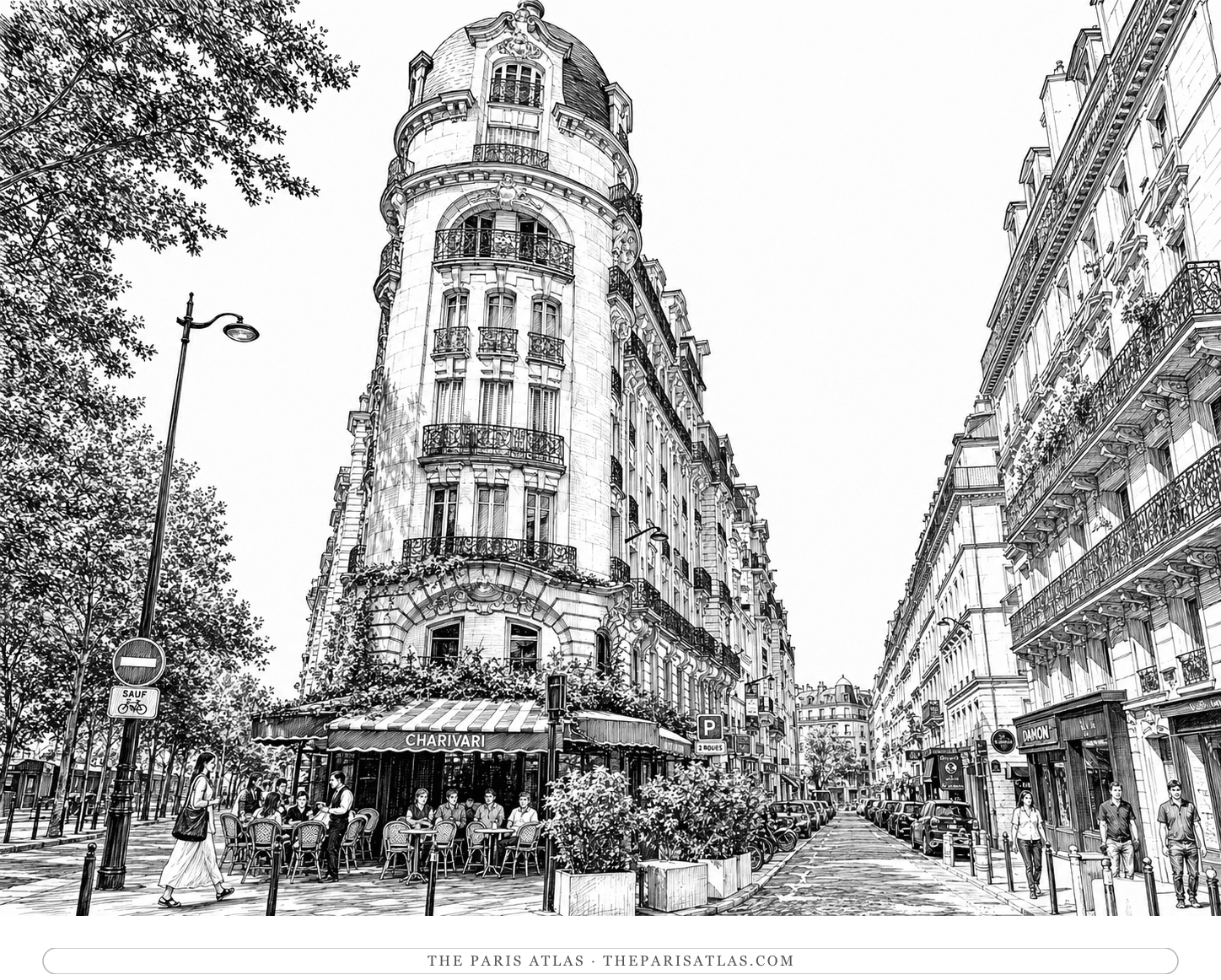
Visit the place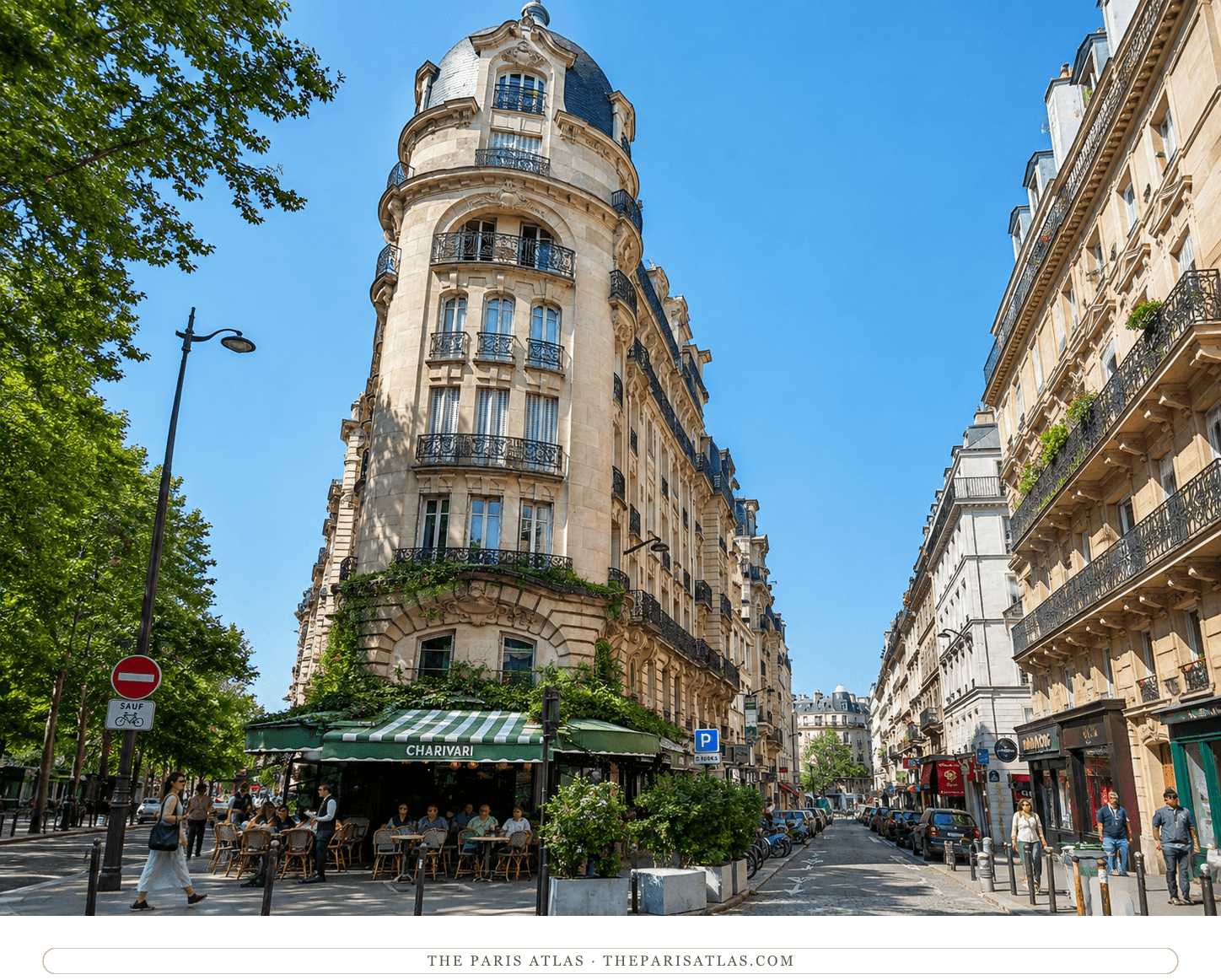
Kerouac moved through Montparnasse, drank in its bars and departed from Gare Montparnasse for Brittany during the June 1965 journey behind Satori in Paris.
Visit the place
Kerouac visited the quarter and heard Mozart's Requiem in the Church of Saint-Germain-des-Prés, an experience he considered as a possible moment of satori.
Visit the placeMarried to · 1944–1948
Kerouac married Parker after her family helped arrange bail while he was held as a material witness in the Carr case; the marriage was brief.
Married to · 1950–1951
Haverty was Kerouac's second wife and the mother of Jan Kerouac; they separated around the period in which he completed the On the Road scroll.
Married to · 1966–1969
Kerouac married his Lowell childhood acquaintance Stella Sampas in 1966; she shared his final years while he cared for his mother.
Met · 1944
Kerouac and Ginsberg met in New York in 1944 and became central figures in the early Beat circle.
Met
White was Kerouac's longtime friend and correspondent; his suggestion that Kerouac make verbal sketches from life helped catalyze spontaneous prose.
Met · 1955
Snyder's serious study of Asian religions intensified Kerouac's Buddhism and inspired Japhy Ryder in The Dharma Bums.
Met · 1944
Huncke belonged to Kerouac's early Beat circle and supplied the underworld meaning of “beat” that Kerouac later expanded into a generational idea.
Met · 1944
Vollmer was a central member of the New York circle in which Kerouac, Burroughs, Ginsberg and Carr formed their early friendships.
Met · 1948
During conversations with Holmes beginning in 1948, Kerouac applied the term “Beat Generation” to their contemporaries.
Met · 1944
Carr belonged to Kerouac's formative New York circle; the aftermath of Carr's killing of David Kammerer drew Kerouac into the investigation.
Met · 1946
Cassady became Kerouac's traveling companion, muse and the model for Dean Moriarty and Cody Pomeray; his talk and letters also influenced Kerouac's prose rhythm.
Visited · 1965
Kerouac consulted the Bibliothèque Mazarine during his June 1965 search for records of his supposed Breton ancestry, later recounted in Satori in Paris.
Visited · 1965
Kerouac moved through Montparnasse, drank in its bars and departed from Gare Montparnasse for Brittany during the June 1965 journey behind Satori in Paris.
Visited · 1965
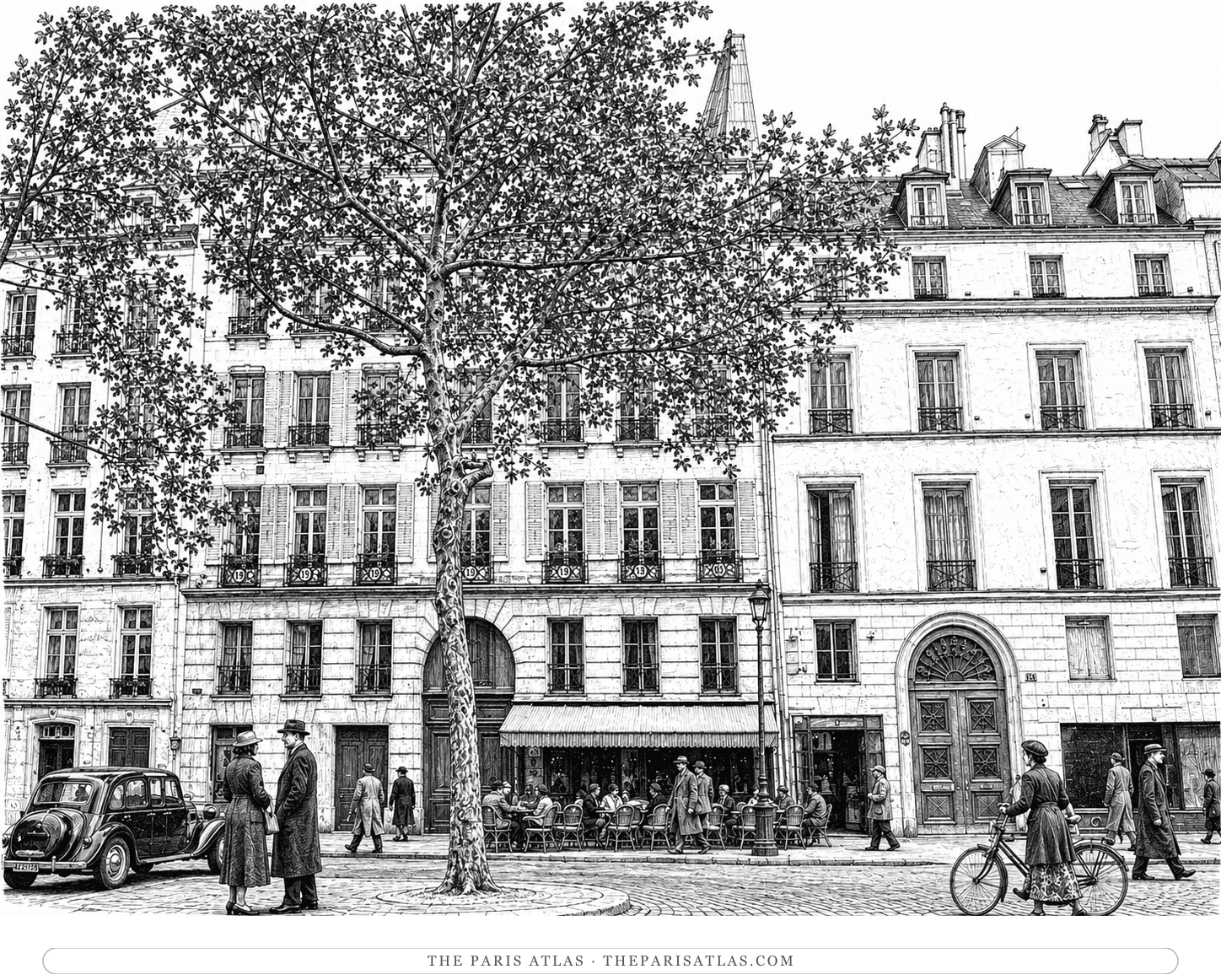
Kerouac visited the quarter and heard Mozart's Requiem in the Church of Saint-Germain-des-Prés, an experience he considered as a possible moment of satori.
Collaborated with · 1959
Leslie, a Kerouac acquaintance since the late 1940s, co-directed Pull My Daisy from Kerouac's play with Kerouac's narration.
Collaborated with · 1956
Kerouac and Amram became friends after improvising poetry and music together in 1956, developed public jazz-poetry performances, and collaborated on Pull My Daisy.
Collaborated with · 1959
Rivers acted in Pull My Daisy, the Beat film adapted from Kerouac's play and completed with Kerouac's narration.
Collaborated with · 1958
Kerouac wrote the introduction to Frank's The Americans and supplied the spontaneous narration for Frank and Alfred Leslie's Pull My Daisy.
Met · 1956
Corso belonged to Kerouac's immediate Beat circle and traveled through Mexico City with Kerouac, Ginsberg and Peter Orlovsky in 1956.
Met · 1955
Kerouac met Ferlinghetti in 1955 and later stayed at the poet-publisher's Big Sur cabin, the setting behind Big Sur.
Met · 1955
Kerouac met McClure in 1955, witnessed his Six Gallery reading and later fictionalized him as Pat McLear in Big Sur.
Met · 1956
Orlovsky traveled with Kerouac, Ginsberg and Corso in Mexico in 1956 and later appeared in Pull My Daisy.
Met · 1955
Kerouac met Whalen in 1955; the poet became a friend and appeared as Warren Coughlin in The Dharma Bums and Ben Fagan in Big Sur.
Collaborated with · 1945
Burroughs and Kerouac co-wrote And the Hippos Were Boiled in Their Tanks; Kerouac later helped type and organize the material that became Naked Lunch.
Influenced by
Wolfe's expansive autobiographical novels convinced the young Kerouac that his own family, hometown, friendships and wanderings could become a continuous literary universe.
Influenced by
Reading Cassady's headlong, unpunctuated letters convinced Kerouac to abandon the mannered style of The Town and the City and write in a rush of mad ecstasy, the spontaneous prose that produced On the Road. Cassady was both the method and the subject: the model for Dean Moriarty in On the Road and Cody Pomeray in the later books.
The sources below include biographies, scholarly essays, interviews, and primary materials that informed this page. They reflect both the historical record and ongoing critical conversations about Jack Kerouac and their work.

National Park Service biography covering Kerouac's French-Canadian childhood, education, religion and Lowell life.

Library of America record and contextual material for *Visions of Cody*, *Visions of Gerard* and *Big Sur*.

National Archives account of Kerouac's enlistment, psychiatric evaluation and 1943 discharge.
Digitized official military personnel file documenting Kerouac's Navy service.
Digital archive of Kerouac manuscripts, notebooks, correspondence and photographs.
Archival finding aid documenting Huncke's place in Kerouac's circle and the Times Square underworld absorbed into Beat writing.
Scholarly account of Kerouac, John Clellon Holmes and the naming of the Beat Generation.
Scholarly analysis of Kerouac's Buddhist studies and continuing Catholic framework.
Allen Ginsberg photograph and handwritten caption documenting Kerouac's departure from Tangier for Paris in April 1957.
Scholarly chronology confirming Kerouac's 1957 and 1965 European journeys.
Primary April 1957 letter documenting Kerouac's earlier Paris visit and his close examination of paintings in the Louvre.
Scholarship on French-American identity and the Bibliothèque Nationale, Archives Nationales and Bibliothèque Mazarine in *Satori in Paris*.
Study of Kerouac's genealogical research in Paris libraries and its treatment in *Satori in Paris*.
Primary October 1965 letter in which Kerouac says he returned from Paris excited and wrote a novel about the trip.
Publisher record for *Satori in Paris* and its account of Kerouac's ancestry journey.
Library of Congress recognition of *On the Road* and its influence on American culture, writers and musicians.
Biographical account of Kerouac as poet and novelist and his influence on later writers.
Archival record of Kerouac's 1968 *Firing Line* appearance discussing the hippies.
Contemporary report identifying the massive hemorrhage associated with Kerouac's death.
Primary archival finding aid providing Kerouac's biography, chronology, relationships, manuscripts and later life.
Harry Ransom Center archive and biographical chronology for Kerouac's writing career.
Ginsberg's photograph and caption documenting Kerouac, Corso and Peter Orlovsky together in Mexico City in 1956.
Biographical source for Ferlinghetti's friendship with Kerouac and their San Francisco literary circle.
Amram's first-person account of meeting Kerouac, their friendship, jazz-poetry performances and *Pull My Daisy*.
Library of Congress history of *Pull My Daisy* and Kerouac's collaborations with Frank, Leslie, Amram and the film's artists and poets.
Leslie's Smithsonian oral history documenting his acquaintance with Kerouac and work on *Pull My Daisy*.
Museum record identifying the directors, cast, artists, composer and Kerouac's narration for *Pull My Daisy*.
Account of Kerouac witnessing McClure at the Six Gallery and later fictionalizing him in *Big Sur*.
Biographical account of Whalen's friendship with Kerouac and fictional appearances in *The Dharma Bums* and *Big Sur*.
Primary publication record for Kerouac's defining novel.
These references anchor the page in the documented record and in the scholarly conversations around Jack Kerouac. Every claim on this page traces back to one or more of the works listed here.
 Explore more resources