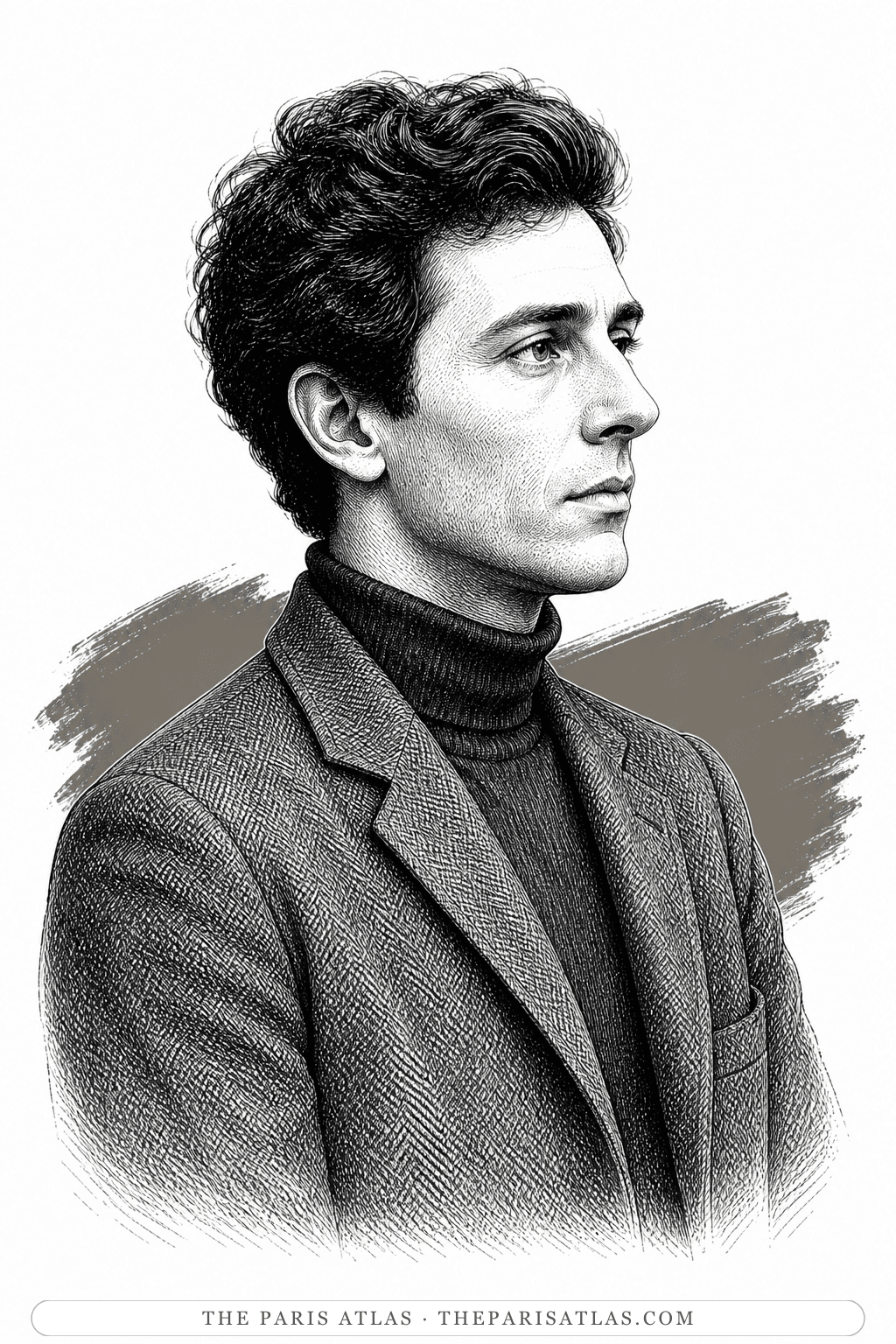
Antony Balch
- Filmmaker
Collaborated with · 1959
Balch worked with Burroughs and Gysin on cut-up film and multimedia experiments that began around the Beat Hotel circle.
American Beat novelist, essayist, performer and visual artist who completed Naked Lunch at the Beat Hotel in Paris and made cut-up writing a defining avant-garde method.
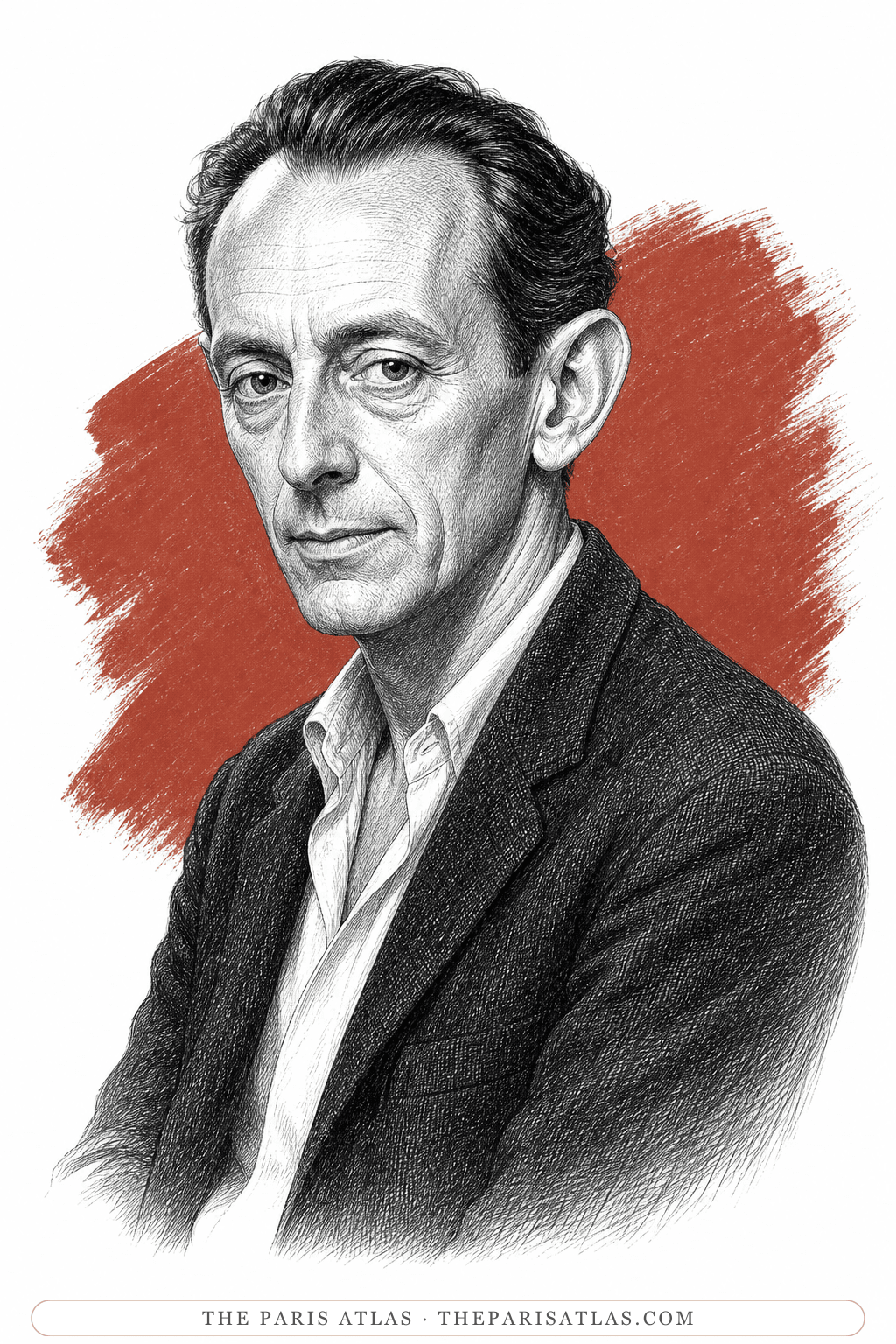
William S. Burroughs (5 February 1914 – 2 August 1997) was an American novelist, essayist, performer, and visual artist whose experimental fiction made him one of the central figures of the Beat Generation and one of the most influential American avant-garde writers of the twentieth century. His best-known works include Junky (1953), *Naked Lunch* (1959), The Soft Machine (1961), The Ticket That Exploded (1962), Nova Express (1964), The Wild Boys (1971), Cities of the Red Night (1981), The Place of Dead Roads (1983), and The Western Lands (1987). His novel Queer, written in the early 1950s, remained unpublished until 1985.
Burroughs occupied an unusual position within the Beats. He was older than Jack Kerouac and Allen Ginsberg, came from a comparatively affluent Midwestern family, had graduated from Harvard, and initially appeared more like a reserved banker than a countercultural revolutionary. Yet his writing eventually became more formally radical than that of almost any of his Beat contemporaries. Addiction, sexuality, criminality, bureaucracy, surveillance, language, technology, bodily transformation, and systems of social control became recurring subjects in a body of work that moved from the documentary realism of Junky to the fragmented nightmare landscapes of Naked Lunch and the cut-up novels.
Burroughs's influence eventually extended far outside literature. Novelists including Kathy Acker, J. G. Ballard, and William Gibson drew from his methods and imagery, while musicians including David Bowie, Lou Reed, Patti Smith, Kurt Cobain, Laurie Anderson, and members of Sonic Youth treated him as a major cultural ancestor. By the final decades of his life, the once-obscure expatriate writer had become an unlikely icon linking the Beat Generation to punk, experimental music, postmodern fiction, performance art, and contemporary visual culture.
William Seward Burroughs was born in St. Louis, Missouri, on 5 February 1914, the younger son of businessman Mortimer Perry Burroughs and Laura Lee Burroughs.
The family was prosperous. Burroughs's paternal grandfather, also named William Seward Burroughs, had developed the first commercially successful adding machine and founded the company that eventually became associated with the Burroughs name. The younger Burroughs therefore grew up with considerably more financial security than Kerouac, Ginsberg, or many of the writers who later surrounded him. A family allowance continued to support him through much of his early adulthood and made possible the geographical restlessness that became characteristic of his life.
He nevertheless remembered childhood as emotionally uncomfortable. He felt alienated from the respectable social world into which he had been born and recognized his attraction to other boys while still young. According to the New York Public Library's biographical account of his papers, Burroughs later said that he knew early both that he was homosexual and that he wanted to become a writer.
As a teenager he attended the experimental Los Alamos Ranch School in New Mexico as well as schools in St. Louis. His first known published writing appeared in the John Burroughs Review in 1929, when he was fifteen.
One book he encountered as an adolescent became particularly important: *You Can't Win, the 1926 memoir of itinerant thief, addict, and former prisoner Jack Black. The book's unemotional description of crime, drugs, prisons, and people living outside respectable society offered an important precedent for the voice Burroughs later used in Junky*. The British Library identifies Black's memoir as a major influence on him.[1]
Burroughs entered Harvard University in 1932 and graduated with a degree in English literature in 1936.[2]
He was never especially nostalgic about the university. Harvard represented to him many of the institutions—wealth, hierarchy, conventional respectability, social conformity—that he would spend much of his writing life distrusting. Nevertheless, his education was wide-ranging, and his later work contains references to literature, anthropology, psychology, medicine, history, science, crime fiction, and esoteric thought.
After graduation, Burroughs traveled in Europe and briefly studied medicine in Vienna. During this period he married Ilse Klapper, a German Jewish woman attempting to escape Nazi persecution and immigration restrictions. The marriage was primarily intended to assist her and was later dissolved.
Burroughs returned to the United States and experimented with graduate study in psychology, anthropology, and archaeology, but no academic career held him for long. His working life was similarly irregular. At various times he worked as an exterminator, private detective, bartender, and advertising copywriter. These occupations later supplied material for his fiction, particularly the exterminators, detectives, bureaucrats, doctors, criminals, and con men who populate his books.
During the Second World War he was drafted into the U.S. Army but received a psychological discharge in 1942.
The decisive turn came after Burroughs returned to New York City in 1943.
His friend Lucien Carr introduced him to a group of young writers and intellectuals centered around Columbia University. Among them were Allen Ginsberg and Jack Kerouac.[3]
Burroughs was nearly a decade older than both men and initially functioned almost as an eccentric mentor. Kerouac and Ginsberg were fascinated by his reading, knowledge of crime and drugs, disdain for conventional careers, and dark sense of humor. Kerouac in particular absorbed Burroughs's enthusiasm for writers and thinkers outside the usual college canon.
Burroughs and Kerouac collaborated in 1945 on the novel *And the Hippos Were Boiled in Their Tanks*, based on the killing of David Kammerer by their friend Lucien Carr. The manuscript remained unpublished until 2008.
During these New York years Burroughs also became increasingly involved with heroin and with people living around Times Square's criminal and drug subcultures. One of the most important figures was Herbert Huncke, a thief, hustler, addict, and gifted storyteller whose street language became another important component of Burroughs's developing literary voice.
Burroughs began using heroin around 1944. Addiction would recur through much of his life. Rather than treating drugs merely as a subject, however, Burroughs eventually constructed an entire theory around addiction: the addict's relationship with a drug became for him a model of control, in which a system creates a need and then governs the person through that need. He later extended the model to money, politics, sex, advertising, language, and social institutions.[4]
In New York, Burroughs became closely involved with Joan Vollmer, an intelligent and unconventional member of the same circle.
Although Burroughs's primary sexual relationships were with men, he and Vollmer formed a domestic partnership. Their son, William S. "Billy" Burroughs Jr., was born in 1947. Vollmer also had a daughter from an earlier marriage.
The household was unstable. Both adults were heavily involved with drugs: Burroughs with opiates and Vollmer with amphetamines and alcohol.
After Burroughs encountered legal trouble in Louisiana, the family moved to Mexico City in 1949. There Burroughs studied Spanish and Mesoamerican subjects while continuing to write.
During the Mexico years Burroughs wrote the book that became *Junky*.
Published in 1953 under the pseudonym William Lee, Junky is remarkably different from the experimental work for which Burroughs later became famous. Its prose is terse, factual, and almost clinical. Burroughs describes drugs, withdrawal, dealing, arrests, doctors, police, addicts, and the mechanics of acquiring narcotics without much attempt to moralize.[5]
The method owes something to hard-boiled detective fiction and to Jack Black's You Can't Win. It also established one of Burroughs's most characteristic techniques: presenting extreme experience in a cool, emotionally controlled voice.
The detachment makes the material more disturbing rather than less.
The central traumatic event of Burroughs's life occurred in Mexico City on 6 September 1951.
During a gathering with friends, Burroughs fired a handgun and shot Joan Vollmer in the head, fatally wounding her.
The exact circumstances became confused almost immediately. Contemporary police reporting and later biographies describe Burroughs attempting a drunken William Tell-style trick, placing a glass on Vollmer's head and attempting to shoot it. Burroughs and his lawyers subsequently offered other versions, including the claim that the weapon had discharged accidentally. What is certain is that Burroughs fired the shot and Vollmer died from it.[6]
He was arrested for homicide, released on bond, and eventually left Mexico. A Mexican court later convicted him in absentia of homicide.[6]
The killing haunted Burroughs for the remainder of his life.
When Queer was finally published in 1985, he wrote in its introduction that Joan's death had forced him into the struggle that became his writing. He described having to “write my way out” of what he called the “Ugly Spirit.” Burroughs went so far as to say that he believed he might never have become a writer without her death.[7]
The statement should not be allowed to aestheticize the tragedy: Vollmer, twenty-eight years old, was a real person whose life ended because Burroughs fired a gun. But the event unquestionably became central to the way Burroughs understood his own work.
Shortly after Vollmer's death Burroughs wrote *Queer*.
The novel follows the Burroughs-like William Lee through Mexico City as he obsessively pursues a younger man named Eugene Allerton. Unlike the emotionally flat narrator of Junky, Lee is needy, theatrical, lonely, manipulative, comic, and painfully exposed.
The book remained unpublished until 1985, partly because its explicit homosexual subject matter was considered commercially difficult during the 1950s.
Burroughs subsequently traveled through South America searching for yagé, or ayahuasca, which he imagined might possess telepathic or consciousness-altering properties. His letters to Allen Ginsberg about the journey eventually became *The Yage Letters*, published in 1963.
In 1954, Burroughs settled in Tangier, Morocco, then an international zone.
Tangier provided both freedom and isolation. Burroughs lived cheaply, used heroin heavily, associated with expatriates, criminals, sex workers, writers, and drug dealers, and produced enormous quantities of manuscript material.
This chaotic body of writing became known among his friends as the “word hoard.”[8]
The material contained comic routines, drug hallucinations, science-fiction episodes, grotesque medical scenes, political satire, pornography, talking bodies, secret agents, bureaucracies, aliens, viruses, and imaginary locations including Interzone.
Burroughs did not initially possess a conventional novel.
When Kerouac, Ginsberg, and others visited Tangier in 1957, they helped type, sort, and organize the mass of material. Columbia University's archive of the surviving manuscripts emphasizes how collaborative the process of extracting Naked Lunch from this material became.[8]
Burroughs then moved to Paris.
Burroughs's Paris period is one of the strongest writer-place relationships associated with the postwar city.
He actually lived in Paris, completed important work there, participated in one of the most famous expatriate artistic communities of the twentieth century, developed new literary techniques there, and saw his masterpiece first published there.
Burroughs moved from Tangier to Paris in 1958 and took a room at:
9 rue Gît-le-Cœur Paris 6e
The inexpensive Left Bank lodging house later became universally known as the Beat Hotel.
This address is unusually well documented.
Columbia University's Naked Lunch: The First Fifty Years exhibition preserves manuscript pages Burroughs sent to Lawrence Ferlinghetti in April 1958. On the material Burroughs himself gives his address as:[9]
9 Rue Gît-le-Cœur, Paris.
That is effectively primary-source confirmation of his residence.
The Centre Pompidou describes the building as one of the principal centers of Beat Generation activity between 1957 and 1963 and a laboratory for literary, visual, and sonic experimentation.[10]
Burroughs was surrounded there by an extraordinary group of writers and artists.
Among the residents and regular members of the community were:
Allen Ginsberg Gregory Corso Peter Orlovsky Brion Gysin Ian Sommerville Harold Norse Sinclair Beiles
Columbia specifically identifies Ginsberg, Corso, Gysin, Orlovsky and Sommerville among the residents surrounding Burroughs, while later scholarship on the Beat Hotel documents Norse and Beiles as part of the same network.[8]
The significance of the building lies precisely in this concentration.
The Beats did not merely sleep there. They read one another's manuscripts, experimented with writing and recording, shared drugs, ideas, lovers, books and artistic techniques, and transformed the hotel into an informal avant-garde workshop.[11][12]
The building therefore connects:
*Burroughs → Ginsberg → Corso → Orlovsky → Gysin → Norse → Sommerville → Naked Lunch → cut-ups → Beat Generation*
in a single Paris location.
Burroughs continued assembling and revising *Naked Lunch* while living at the hotel.
The Centre Pompidou explicitly states that Burroughs worked on Naked Lunch there, while Columbia's archive documents the mutable Paris manuscripts he was sending to publishers during 1958.[10]
A commemorative plaque now affixed to the building records the connection. It names Brion Gysin, Harold Norse, Gregory Corso, Allen Ginsberg, Peter Orlovsky, Ian Sommerville, and William Burroughs and states that Burroughs completed Le Festin Nu—Naked Lunch—there in 1959.[13]
That makes *9 rue Gît-le-Cœur → William S. Burroughs → Naked Lunch*** one of the strongest place-work links available for Paris Atlas.
Paris also changed the actual mechanics of Burroughs's writing.
Burroughs had known the painter and writer Brion Gysin in Tangier, but their collaboration became especially intense at the Beat Hotel.
In 1959, Gysin accidentally sliced through layers of newspaper while cutting a mount for an artwork. He noticed that the rearranged fragments produced unexpected combinations of words and began deliberately experimenting with the process.
Burroughs immediately recognized its possibilities.
The cut-up technique involved physically cutting existing texts into sections and rearranging them to produce new combinations. Burroughs expanded the principle beyond paper, applying similar methods to tape recordings, photographs, film, and eventually theories about how language constructs consciousness.
The Centre Pompidou specifically identifies the Beat Hotel as the place where Gysin, Burroughs, and filmmaker Antony Balch developed cut-up experiments.
Burroughs did not invent cut-up from nothing—Gysin introduced the immediate technique, and both recognized precedents in Dada and collage—but Burroughs made it one of the defining literary methods of the 1960s.
The Paris circle expanded when Burroughs met the young mathematician and electronics enthusiast Ian Sommerville.
Sommerville became both a close personal companion and an important technical collaborator. Working with Burroughs and Gysin, he explored tape recorders, repetition, feedback, and altered perception.
Sommerville and Gysin also developed the Dreamachine, a rotating cylinder that produces flickering light designed to induce visual effects when viewed with closed eyes. Columbia University preserves a Dreamachine with Burroughs provenance, while the Centre Pompidou credits Gysin and Sommerville with its invention.
The Beat Hotel was therefore functioning almost like an experimental media laboratory decades before literary writers routinely worked across text, sound, film, and visual art.
Paris was also the city in which Burroughs finally became the author of a major published book.
American publishers had refused Naked Lunch. Even Maurice Girodias's Olympia Press initially rejected the manuscript.
But excerpts began appearing in literary magazines, generating controversy and attention. Girodias reconsidered.
In July 1959, Olympia Press published *The Naked Lunch in Paris as No. 76 of its Traveller's Companion Series*. Columbia University's copy and publication records confirm Paris, Olympia Press, and July 1959 as the book's first publication.
The original edition's publishing information gives Olympia Press's address as:
7 rue Saint-Séverin Paris 5e
making that another possible Burroughs-related literary location, although its connection is as publisher, rather than residence.
Thus Paris supplied both sides of the story:
9 rue Gît-le-Cœur — where Burroughs lived and worked
and
*Olympia Press — where Naked Lunch first became a book.*
Before the Beat Hotel, Burroughs had already produced extraordinary material.
But Paris was where several elements converged:
the Tangier “word hoard” became the published Naked Lunch;
Burroughs became part of an international Beat community;
his collaboration with Brion Gysin intensified;
cut-up became central to his future work;
experiments expanded from prose into tape, photography, and film;
Olympia Press made him an internationally published avant-garde novelist.
Paris therefore was not merely somewhere Burroughs passed through.
It was one of the principal creative laboratories of his career.
Naked Lunch does not behave like a conventional novel.
There is no stable plot that progresses from beginning to end. Characters mutate, disappear, and reappear. Locations dissolve into one another. The book moves among addiction narratives, political satire, science fiction, grotesque comedy, sexual fantasy, bureaucratic nightmares, and imaginary routines.
Burroughs's recurring alter ego William Lee passes through a world governed by competing systems of control.
The central idea is addiction.
Heroin addiction represents the purest version: the addict requires a substance, the supplier controls access to the substance, and everything else becomes subordinate to obtaining it.
Burroughs then expands the pattern.
Governments can create dependence. Corporations can create dependence. Sex can create dependence. Advertising can create dependence. Language itself can create dependence.
In later work he would describe “the word” almost as an invasive organism capable of programming human behavior.
The Paris publication did not immediately make Naked Lunch freely available in the United States.
Grove Press published the American edition in 1962. The book was subsequently challenged as obscene in Massachusetts.
The legal battle culminated in 1966, when the Supreme Judicial Court of Massachusetts ruled that Naked Lunch could not constitutionally be declared obscene because evidence demonstrated that a substantial group regarded it as possessing literary value. The case became one of the important late twentieth-century American decisions concerning literary censorship.
The controversy helped transform Burroughs from an expatriate underground writer into an internationally recognized cultural figure.
After Naked Lunch, Burroughs pushed the cut-up method much further.
Three books emerged from this period:
*The Soft Machine (1961) The Ticket That Exploded (1962) Nova Express* (1964)
They are often grouped as the Nova Trilogy.
Burroughs cut apart pages of his own writing and other texts, rearranged them, rewrote the results, and combined fragments from different sources.
The goal was not randomness alone.
Burroughs believed ordinary prose reproduces habitual patterns of thought. By physically interrupting sentences and forcing unrelated fragments together, the writer might expose hidden associations or escape linguistic conditioning.
The New York Public Library notes that Burroughs himself connected the procedure with the juxtapositions in *T. S. Eliot's The Waste Land***.
The books can be extremely difficult to read, but their importance lies partly in the method they introduced. Cut-up anticipated later practices of sampling, remixing, collage, appropriation, digital editing, and recombinant art.
Burroughs did not possess a single writing style.
His earliest published prose is almost aggressively plain.
Junky uses clipped, hard-boiled declarative sentences. Events are observed rather than emotionally explained.
Naked Lunch explodes that restraint. The voice becomes theatrical, grotesque, hallucinatory, satirical, obscene, and surreal.
Then the cut-up books fracture syntax itself.
Across these changes, however, certain traits remain recognizable.
Burroughs had an extraordinary ear for voices. Policemen, doctors, carnival barkers, addicts, bureaucrats, advertising men, criminals, Southern sheriffs, scientists, secret agents, judges, and con artists suddenly begin speaking through the prose.
The New Yorker has traced this ability to sources as diverse as T. S. Eliot, Raymond Chandler, and Herbert Huncke.
His humor is usually extremely dark. Institutions become absurd machines. Human bodies malfunction. Doctors behave like criminals, criminals like businessmen, and governments like parasitic organisms.
Burroughs was especially interested in the moment when ordinary language ceases to feel stable.
If one subject unifies Burroughs's entire career, it is control.
He distrusted systems that claimed authority over the body or mind.
These included:
drug addiction government police psychiatry organized religion bureaucracy advertising corporate power sexual repression language itself
Burroughs's political thinking could be idiosyncratic, contradictory, conspiratorial, or deliberately provocative. He did not create a coherent political program.
Instead, his fiction repeatedly asks the same question:
Who controls whom—and by what mechanism?
Several writers were particularly important to Burroughs.
*You Can't Win gave the adolescent Burroughs a model of criminal autobiography written without conventional moral judgment. Its thieves, addicts, wanderers, and prison inmates anticipate the social world of Junky*.
Burroughs admired Eliot's ability to juxtapose fragments and voices, particularly in *The Waste Land*. He later interpreted his own cut-ups partly within that tradition.
The deadpan toughness, underworld settings, slang, and cynical humor of American detective fiction helped shape Burroughs's narrative voice.
Huncke mattered not merely as a literary influence but as a living source of language, stories, criminal knowledge, and street speech.
The English writer Denton Welch became another important personal favorite. Burroughs admired Welch's extremely precise observation and eventually dedicated The Place of Dead Roads to him.
The radical collage methods of Dada, Surrealism, and particularly Brion Gysin were equally crucial to Burroughs's later work.
Burroughs is usually grouped with Jack Kerouac and Allen Ginsberg as one of the three central writers of the Beat Generation, but he remained stylistically distinct from them.
Kerouac pursued spontaneous autobiographical narrative.
Ginsberg sought prophetic and ecstatic poetry.
Burroughs produced something colder: a literature of systems, drugs, mutation, surveillance, bureaucracy, viruses, crime, science fiction, and control.
Ginsberg and Kerouac nevertheless played indispensable roles in his career. Their editorial labor helped turn the Naked Lunch word hoard into a publishable manuscript, and their continued advocacy ensured that Burroughs remained connected to a larger literary movement.
Around 1960, Burroughs increasingly based himself in London while continuing to move between Paris, Tangier, and other European cities.
He sought treatment there for heroin addiction using apomorphine, a method associated with physician John Dent.
The European years produced not only cut-up books but recordings, photographs, films, essays, scrapbooks, and collaborations.
Burroughs increasingly ceased to think of writing as something confined to printed pages.
Words could be recorded.
Recordings could be cut apart.
Film could be rearranged.
Photographs could be recombined.
Reality itself began to look to him like material capable of editing.
Burroughs gradually moved away from the dense cut-up style.
*The Wild Boys: A Book of the Dead* appeared in 1971 and imagined a revolutionary tribe of young men existing outside conventional society.
Later books developed increasingly elaborate alternative histories and science-fiction mythologies.
*Cities of the Red Night (1981), The Place of Dead Roads (1983), and The Western Lands* (1987) are frequently grouped as a late trilogy.
Pirates, gunslingers, viruses, time travel, immortality, secret organizations, and alternate worlds move through these books.
The late Burroughs was still experimental, but narrative had returned.
Burroughs returned to New York during the mid-1970s and eventually lived at 222 Bowery in a windowless former YMCA locker room nicknamed “the Bunker.”
The downtown cultural world came to him.
Artists, musicians, writers, and filmmakers visited regularly, including Patti Smith, Debbie Harry, Chris Stein, Richard Hell, Joe Strummer, and others associated with the emerging punk scene.
Burroughs found punk considerably more interesting than the hippie culture that had preceded it.
The relationship was reciprocal.
Punk musicians recognized in Burroughs an older figure who had already spent decades writing about social control, drugs, sexual transgression, violence, alienation, and the destruction of conventional language.
Burroughs's relationship with his son Billy was complicated and often distant.
Billy became a writer himself, publishing the autobiographical novels Speed and Kentucky Ham. He also developed severe alcoholism and eventually suffered catastrophic liver disease.
He received a liver transplant in 1976 but resumed drinking and died in 1981, aged only thirty-three.
The younger Burroughs's life was marked profoundly by the instability of his childhood, including his mother's death and long separations from his father.
His death added another layer of loss to Burroughs's later years.
In 1981, Burroughs moved to Lawrence, Kansas, where he would remain for the rest of his life.
The choice initially seemed unlikely. After New York, Mexico City, Tangier, Paris, and London, a quiet Midwestern college town appeared almost anomalous.
But Burroughs liked the privacy.
He could write, keep cats, collect firearms, and work on visual art without the constant pressure of metropolitan life. University of Kansas collections now preserve extensive Burroughs materials and document the importance of Lawrence to his final creative period.
During his later years Burroughs increasingly identified as a visual artist.
His work included painting, collage, stencils, spray paint, and unusual methods of chance composition.
The most famous became his shotgun paintings.
Burroughs placed containers of paint in front of pieces of plywood or other surfaces and fired a shotgun at them, allowing the impact to distribute paint unpredictably across the surface.
The method may sound like a late-life eccentricity, but it continued ideas that had occupied him since the Beat Hotel: chance, interruption, violence, collaboration with mechanical processes, and the artist surrendering some control over the final result.
The Spencer Museum of Art at the University of Kansas mounted Ports of Entry: William S. Burroughs and the Arts in 1996–97, described as the first retrospective exhibition of his visual work.
Burroughs's literary influence is unusually broad.
Kathy Acker openly regarded him as one of her major influences. Like Burroughs, she appropriated and disrupted existing texts, mixed autobiography with pornography and political critique, and refused conventional distinctions between respectable and disreputable material.
J. G. Ballard and William Gibson absorbed Burroughs's fusion of technology, bodily transformation, corporations, media, addiction, and dystopian systems. The New Yorker identifies all three—Ballard, Gibson, and Acker—as especially clear examples of his literary influence.
Burroughs also helped normalize forms of prose that behave like collage rather than conventional narrative.
His legacy can therefore be detected in postmodern fiction, cyberpunk, experimental poetry, zines, sampling culture, and digital literature.
Burroughs may have had an even stranger afterlife in music.
David Bowie adopted the cut-up technique for lyric writing after becoming fascinated with Burroughs. Bowie and Burroughs met for a famous 1974 conversation, and Bowie subsequently applied cut-up methods while creating *Diamond Dogs*.
Lou Reed admired Burroughs's street language and drug writing.
Patti Smith treated him as a literary elder.
Laurie Anderson recorded and performed with him.
Kurt Cobain collaborated with Burroughs on *The “Priest” They Called Him* in the early 1990s.
His admirers also included musicians associated with the Beatles, Rolling Stones, R.E.M., Blondie, Sonic Youth, Joy Division, and industrial music.
Even band names reveal his reach:
Soft Machine Steely Dan The Insect Trust
all derive their names from Burroughs's writing.
Burroughs also appeared in films, music videos, documentaries, and performances.
Director David Cronenberg adapted Naked Lunch into a 1991 film that combined the novel with episodes from Burroughs's biography, including the death of Joan Vollmer.
Burroughs himself appeared memorably in *Gus Van Sant's Drugstore Cowboy*** (1989), playing an elderly priest and former addict.
The stiff suit, hat, deep Midwestern voice, and impassive delivery eventually became almost as recognizable as his books.
By the 1980s, Burroughs had moved from the literary underground into institutional recognition.
In 1983, he was elected to the American Academy of Arts and Letters.
Universities collected his papers.
Museums exhibited his visual art.
Major writers openly acknowledged his influence.
A man whose most famous book had once been prosecuted as obscene had become part of the American literary canon.
The transformation never made Burroughs particularly respectable in the conventional sense.
That may have been part of the point.
William S. Burroughs died in Lawrence, Kansas, on 2 August 1997, aged eighty-three.
He had suffered a heart attack the previous day and died at Lawrence Memorial Hospital.
He was buried at Bellefontaine Cemetery in St. Louis, returning after death to the city in which his life had begun.
His death came only several months after Allen Ginsberg's death in April 1997. Jack Kerouac had died nearly three decades earlier, in 1969.
With Burroughs's death, the central trio associated with the beginnings of the Beat Generation was gone.
William S. Burroughs remains difficult to fit into any single category.
He was a Beat writer who often seemed unlike the Beats.
He was a novelist who tried to dismantle the novel.
He was a writer who distrusted words.
He was an addict who turned addiction into a theory of political power.
He was a Harvard graduate from an affluent Midwestern family who spent decades among criminals, expatriates, queer outsiders, avant-garde artists, and underground musicians.
He was also responsible for the death of Joan Vollmer, an event that cannot be separated from his biography even though he spent the remainder of his life trying to understand it through literature.
His greatest innovation may have been his refusal to treat language as neutral.
Words, for Burroughs, did things.
They commanded.
They advertised.
They infected.
They repeated themselves.
They shaped desire.
They created identities.
And once that possibility was accepted, cutting language apart became more than a literary game. It became, in Burroughs's imagination, an attempt to see who had written the script—and whether the script could be changed.
The experiments that began most visibly in a cheap Paris hotel at 9 rue Gît-le-Cœur eventually moved far beyond literature.
That is why Burroughs's Paris period matters so much.
The Beat Hotel was not simply somewhere he lived.
It was one of the places where twentieth-century experimental writing began turning into the culture of remix, sampling, collage, multimedia, and artistic recombination that followed.
Born William Seward Burroughs on 5 February in St. Louis, Missouri.
Publishes his first known piece of writing in the John Burroughs Review.
Enters Harvard University.
Graduates from Harvard with a degree in English literature.
Travels in Europe and studies medicine briefly in Vienna.
Marries Ilse Klapper, helping her escape Nazi persecution and immigration difficulties.
Pursues graduate study in psychology, anthropology, and archaeology.
Drafted into the U.S. Army and subsequently receives a psychological discharge.
Returns to New York and enters the circle surrounding Lucien Carr.
Meets Allen Ginsberg and Jack Kerouac.
Begins using heroin.
Meets Herbert Huncke; collaborates with Kerouac on And the Hippos Were Boiled in Their Tanks.
Establishes a household with Joan Vollmer.
Their son, William “Billy” Burroughs Jr., is born.
Moves with Vollmer and the children to Mexico City.
Writes much of what becomes Junky.
Shoots and fatally wounds Joan Vollmer during a gathering in Mexico City.
Writes Queer in the aftermath of Vollmer's death.
Junky is published under the name William Lee.
Travels through South America searching for yagé; correspondence with Ginsberg later becomes The Yage Letters.
Moves to Tangier.
Produces the enormous “word hoard” from which Naked Lunch develops.
Kerouac, Ginsberg, and other friends assist in typing and organizing the Naked Lunch material in Tangier.
Moves to Paris and lives at the Beat Hotel, 9 rue Gît-le-Cœur.
Sends manuscript material to Lawrence Ferlinghetti bearing 9 rue Gît-le-Cœur as his Paris address.
Lives and works among Allen Ginsberg, Gregory Corso, Peter Orlovsky, Brion Gysin, and the wider Beat Hotel circle.
Brion Gysin introduces Burroughs to the cut-up technique in Paris.
Olympia Press publishes *The Naked Lunch* in Paris.
Increasingly relocates to London while continuing to move between London, Paris, and Tangier.
Publishes *The Soft Machine*.
Publishes *The Ticket That Exploded; Grove Press publishes the first American edition of Naked Lunch*.
The Yage Letters appears.
Publishes *Nova Express*.
Massachusetts's highest court rules that Naked Lunch cannot constitutionally be declared obscene.
Continues cut-up, tape, film, photography, and multimedia experiments.
Publishes *The Wild Boys*.
Returns increasingly to New York.
Establishes himself at the Bowery “Bunker” and becomes associated with younger punk and downtown artists.
Teaches and participates at the Jack Kerouac School of Disembodied Poetics in Colorado; helps care for his seriously ill son Billy.
Billy Burroughs dies aged thirty-three.
Burroughs moves to Lawrence, Kansas, and publishes *Cities of the Red Night*.
Publishes *The Place of Dead Roads* and is elected to the American Academy of Arts and Letters.
*Queer* is finally published, more than thirty years after it was written.
Publishes *The Western Lands*.
Becomes increasingly active as a visual artist and collaborator with musicians and filmmakers.
Appears in Gus Van Sant's Drugstore Cowboy.
David Cronenberg's film adaptation of Naked Lunch is released.
Collaborates with Kurt Cobain on *The “Priest” They Called Him*.
The Spencer Museum of Art mounts *Ports of Entry: William S. Burroughs and the Arts*, the first major retrospective of his visual art.
Allen Ginsberg dies in April.
William S. Burroughs dies in Lawrence, Kansas, following a heart attack, aged eighty-three.
A commemorative plaque is installed at 9 rue Gît-le-Cœur identifying Burroughs and the other Beat Hotel writers and recording that he completed Naked Lunch there.
Collaborated with · 1959
Balch worked with Burroughs and Gysin on cut-up film and multimedia experiments that began around the Beat Hotel circle.
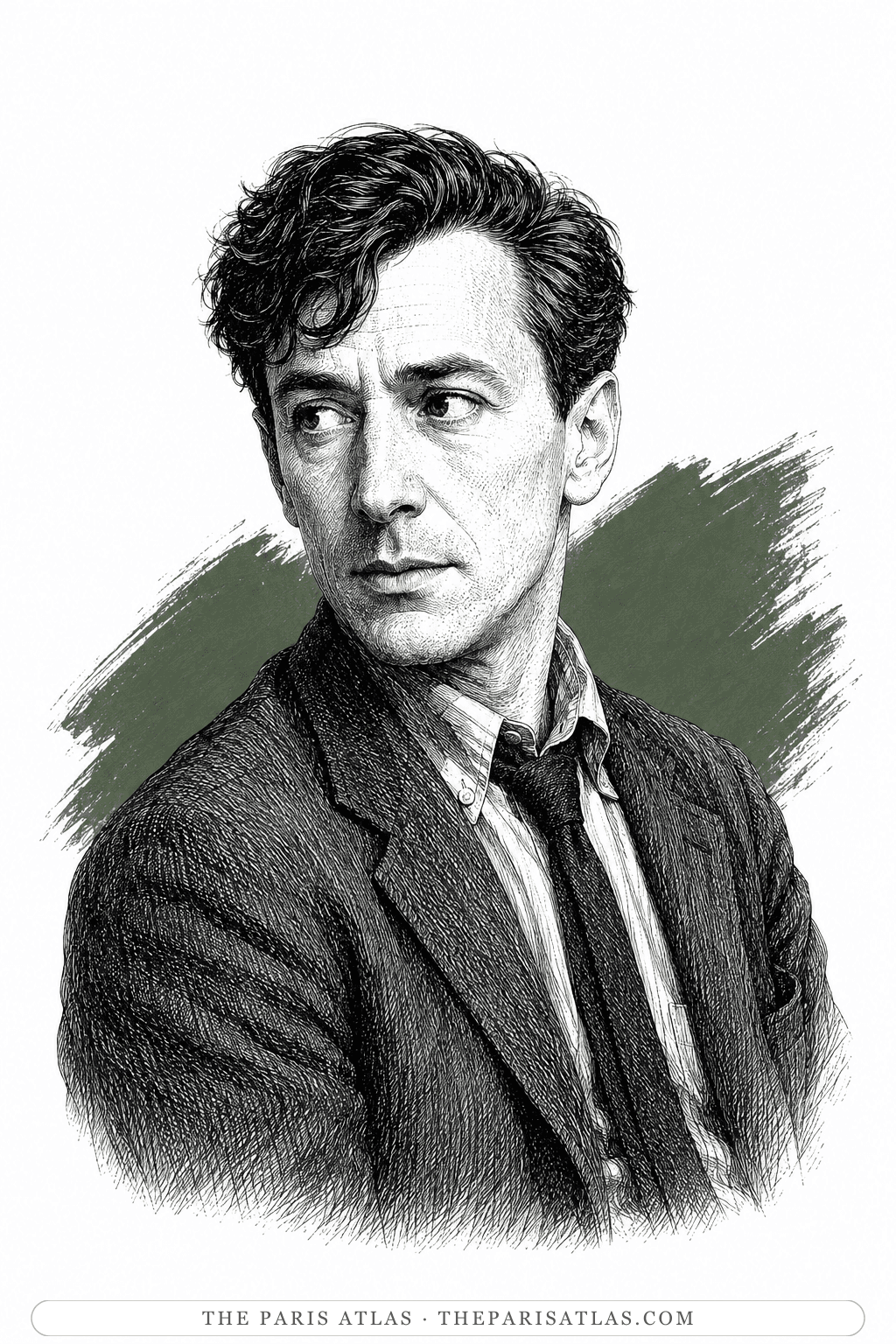
Collaborated with · 1959
At the Beat Hotel, Gysin introduced Burroughs to cut-up writing and the two extended the method through text, recording, film and visual experiments.
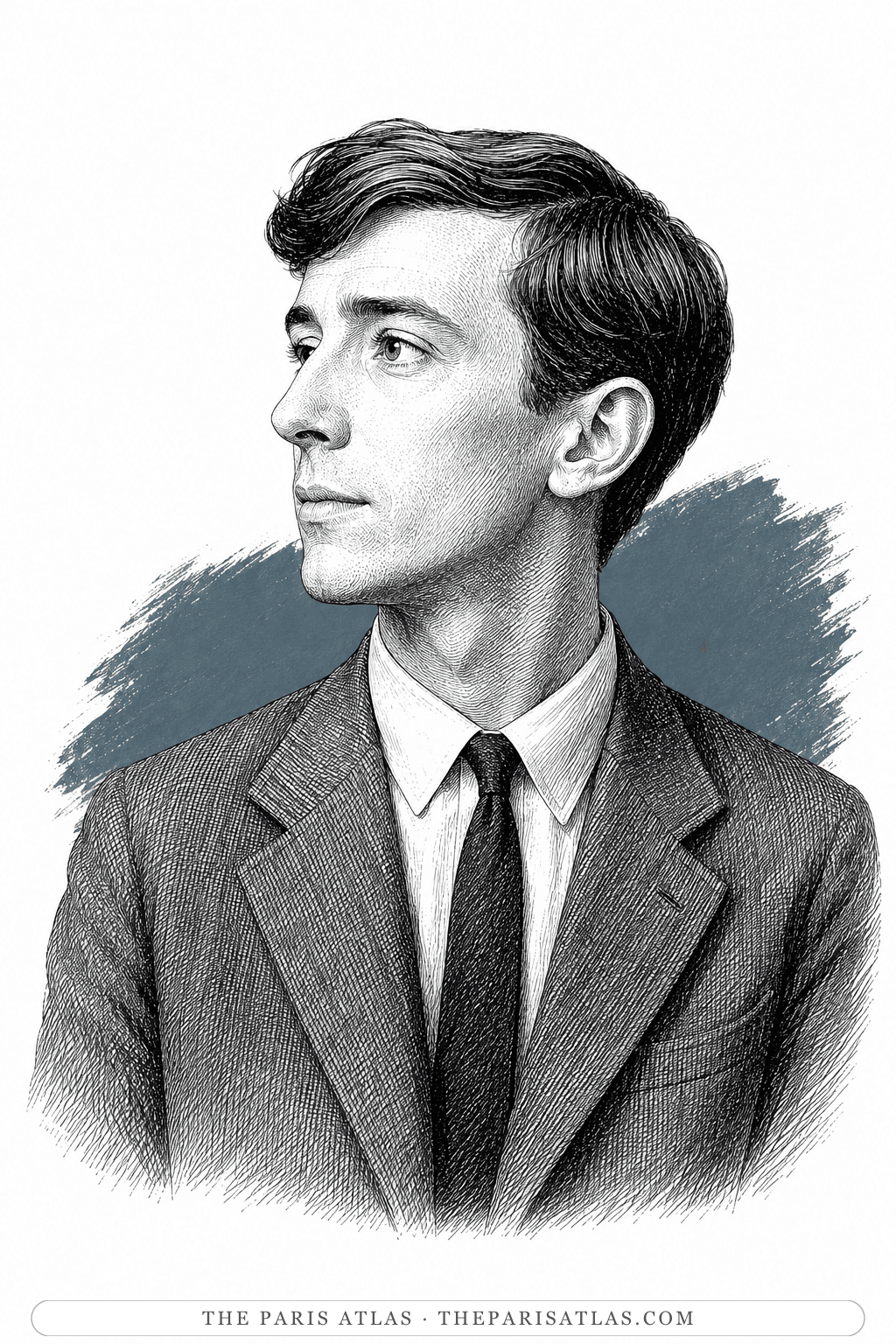
Collaborated with · 1958
Sommerville became Burroughs's close companion and technical collaborator in tape, feedback, flicker and altered-perception experiments.
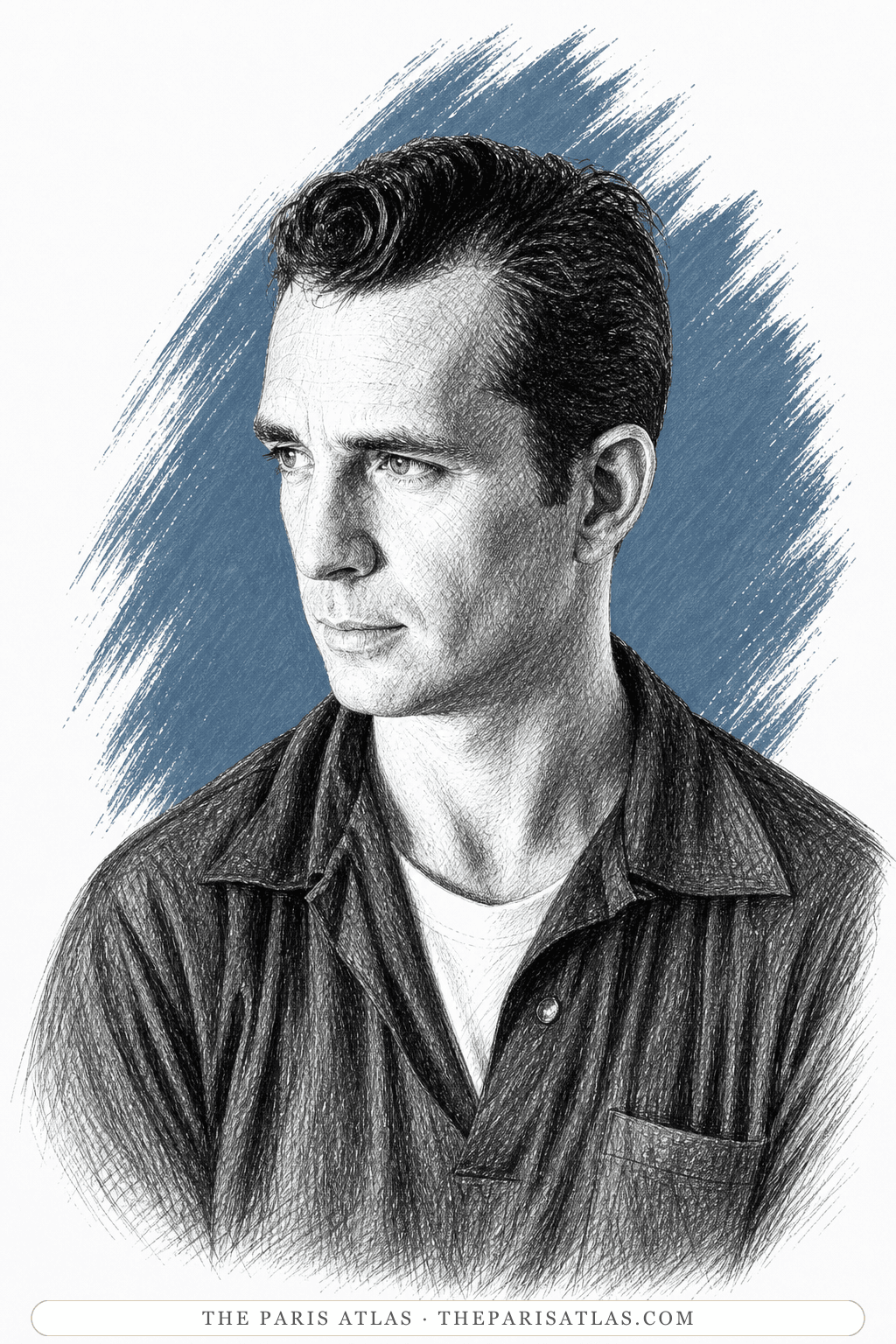
Collaborated with · 1945
Burroughs and Kerouac co-wrote And the Hippos Were Boiled in Their Tanks; Kerouac later helped type and organize the material that became Naked Lunch.
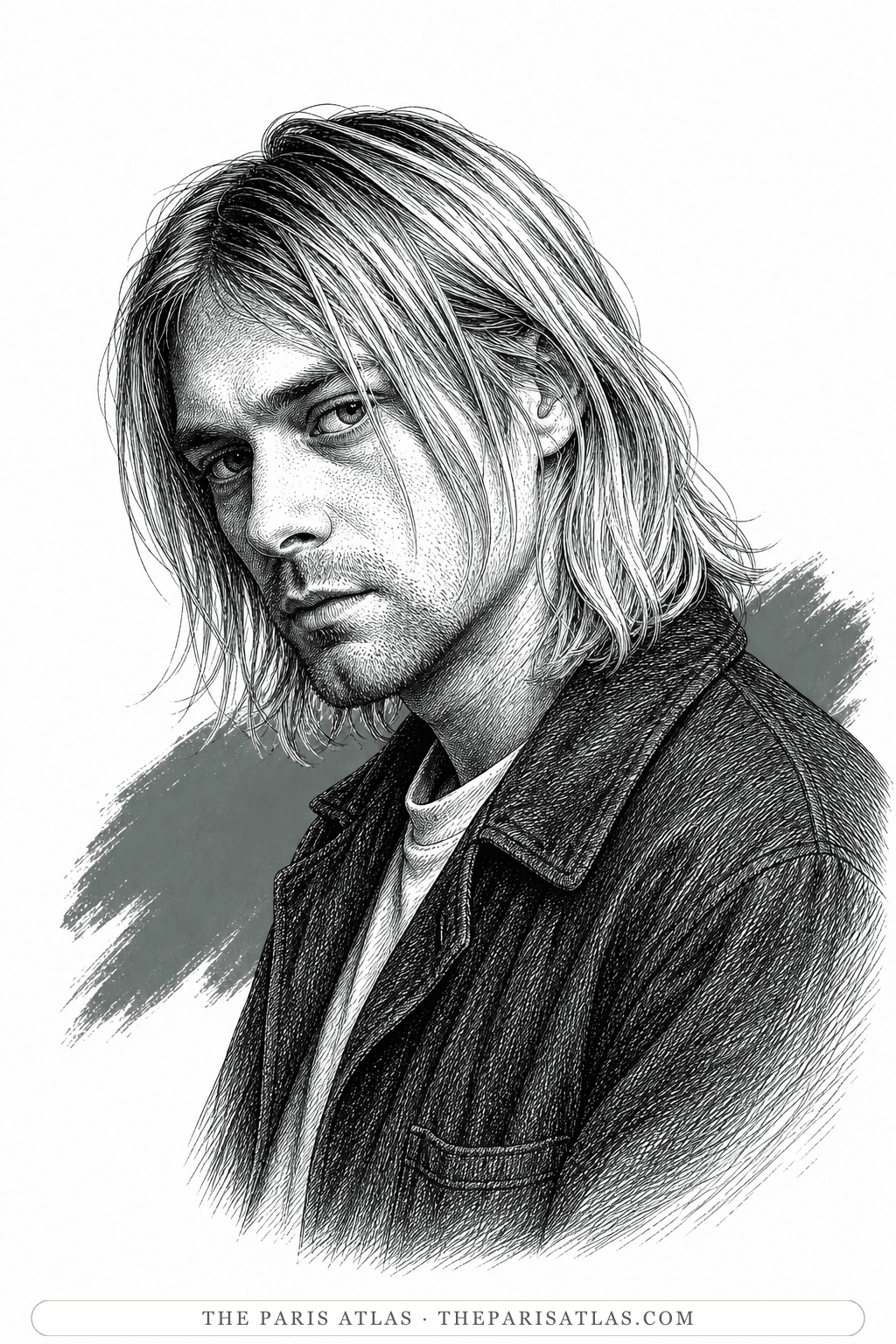
Collaborated with · 1992
Burroughs and Cobain collaborated on the spoken-word and guitar recording The “Priest” They Called Him.
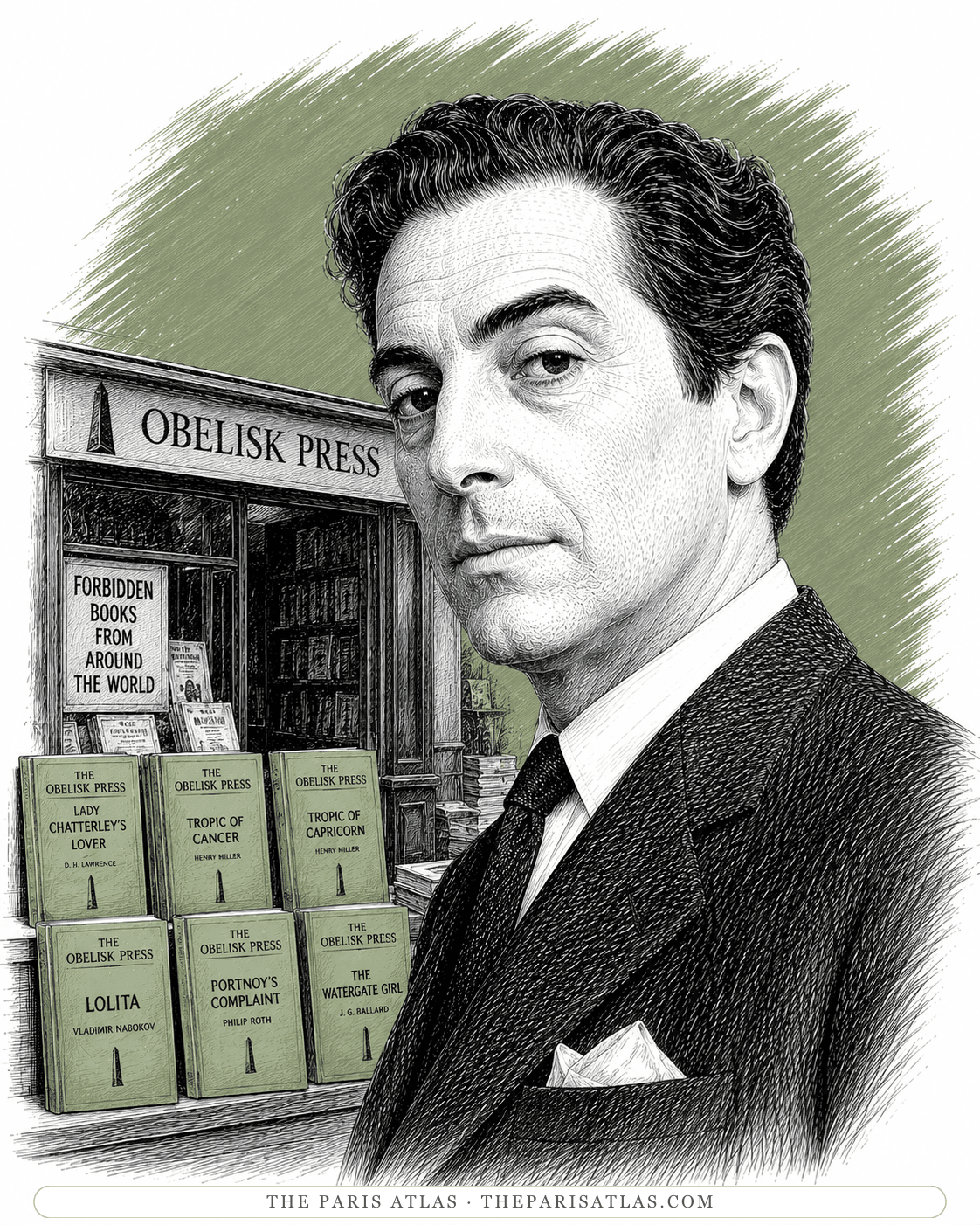
Collaborated with · 1959
After initially rejecting the manuscript, Girodias published the first edition of The Naked Lunch through Olympia Press in Paris in July 1959.
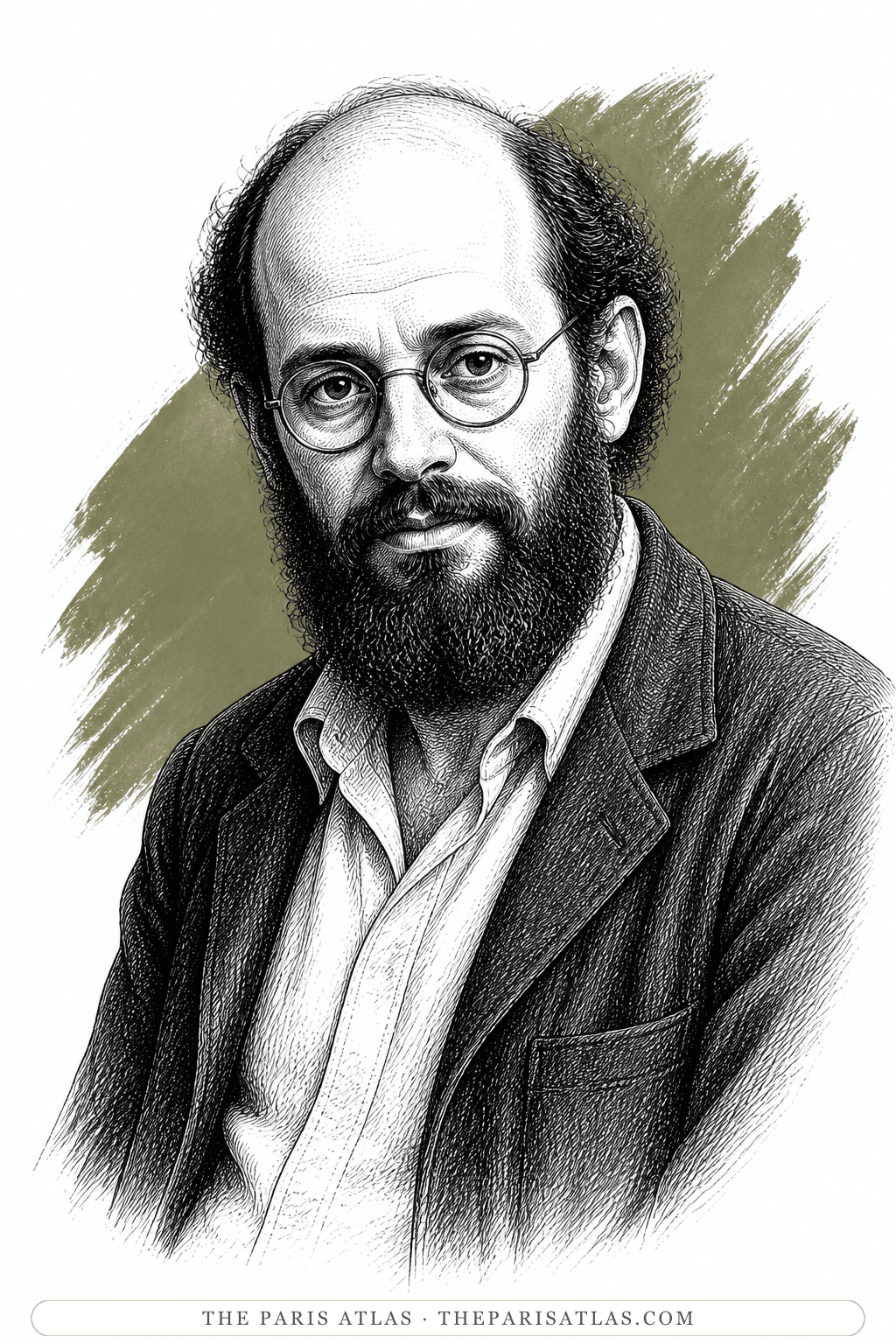
Met · 1943
Ginsberg became one of Burroughs's closest Beat colleagues, helping organize the Tangier word hoard and joining the Paris Beat Hotel community.
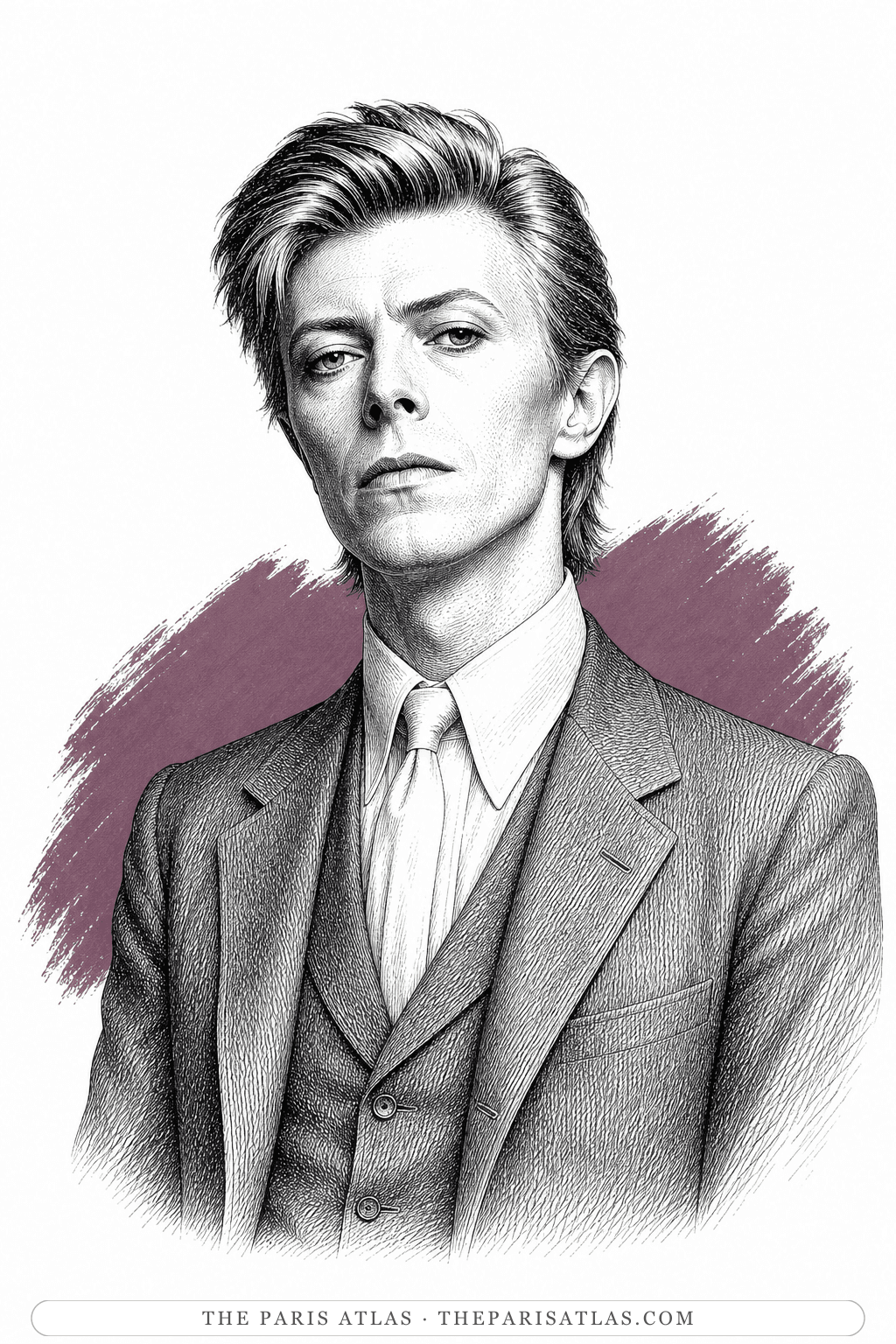
Met · 1973
Burroughs and Bowie met in London on 17 November 1973 for a conversation published by Rolling Stone in February 1974; Bowie subsequently applied cut-up methods to his songwriting.
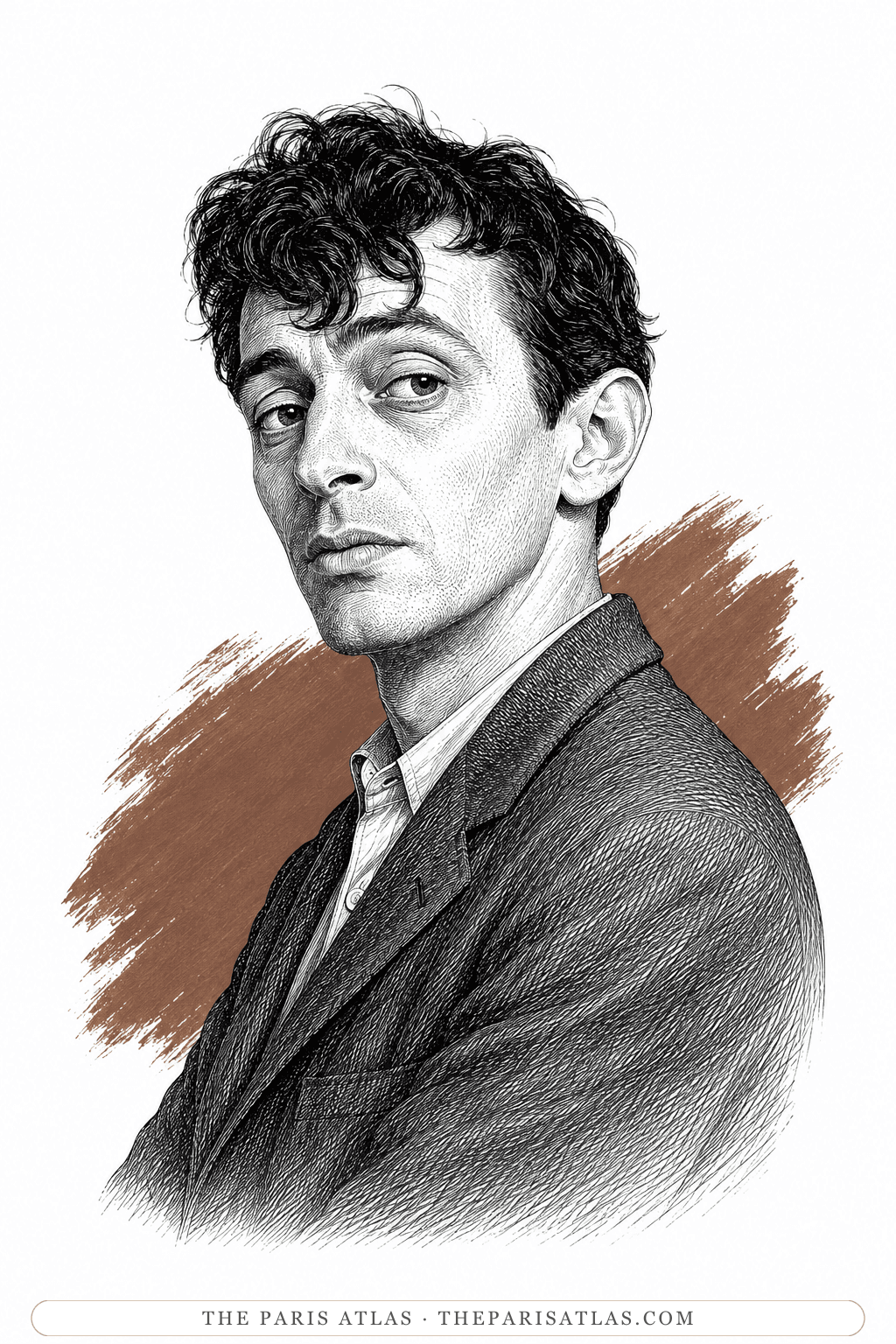
Met · 1958
Corso belonged to the community of residents and collaborators surrounding Burroughs at the Beat Hotel.
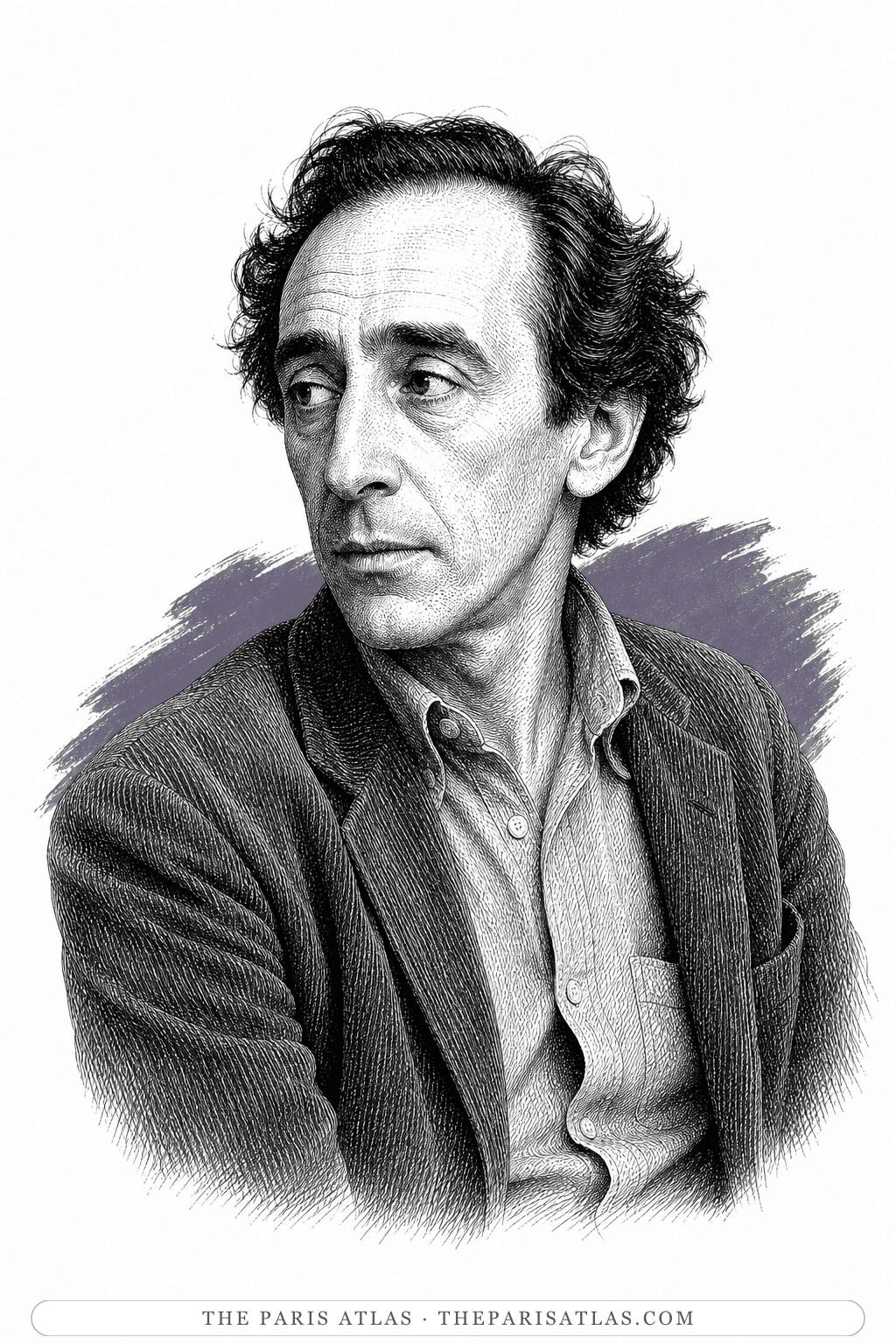
Met · 1959
Norse lived and wrote within the Beat Hotel's cut-up community alongside Burroughs.
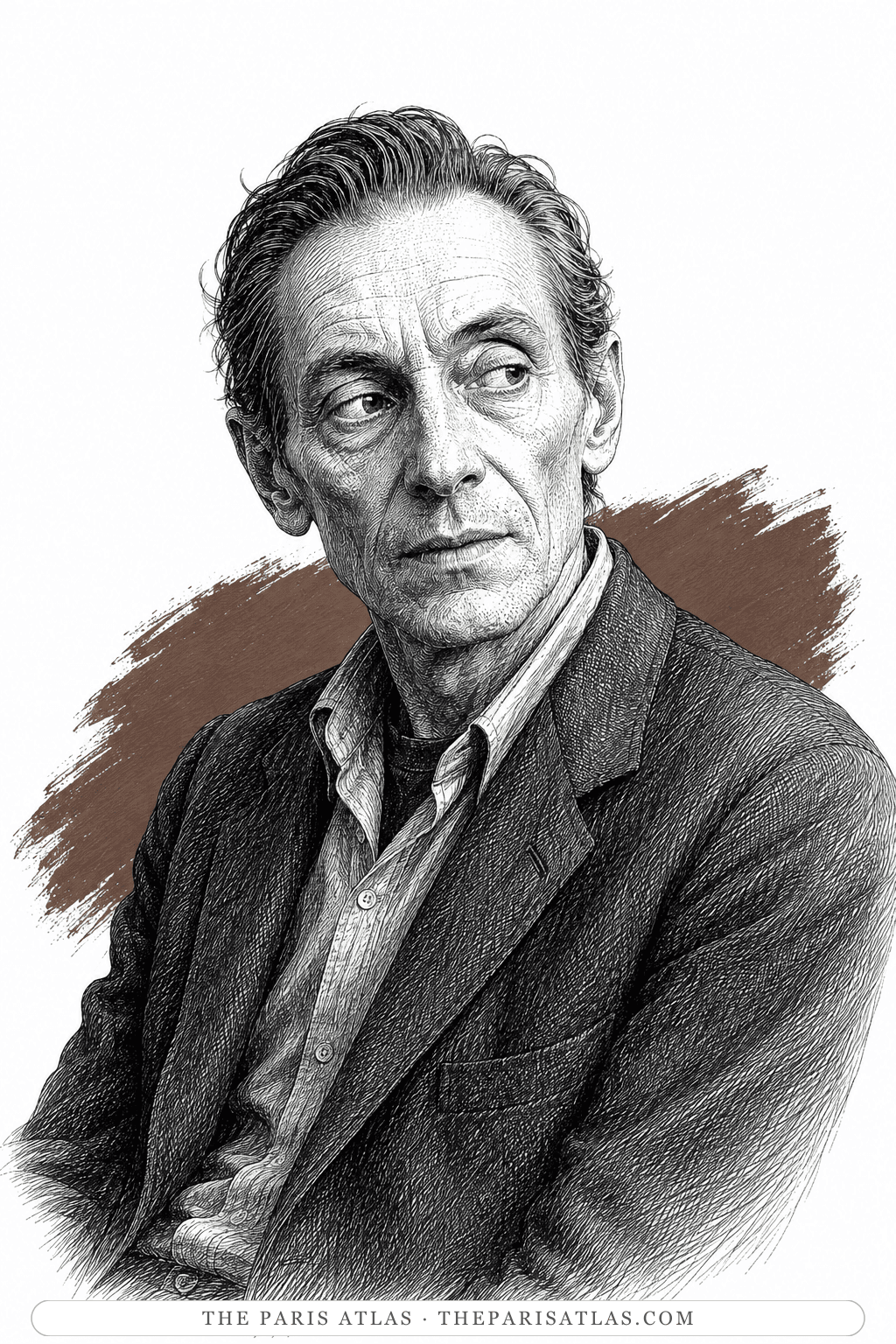
Met · 1945
Huncke supplied Burroughs with street language, criminal knowledge and stories that became important to his early literary voice.
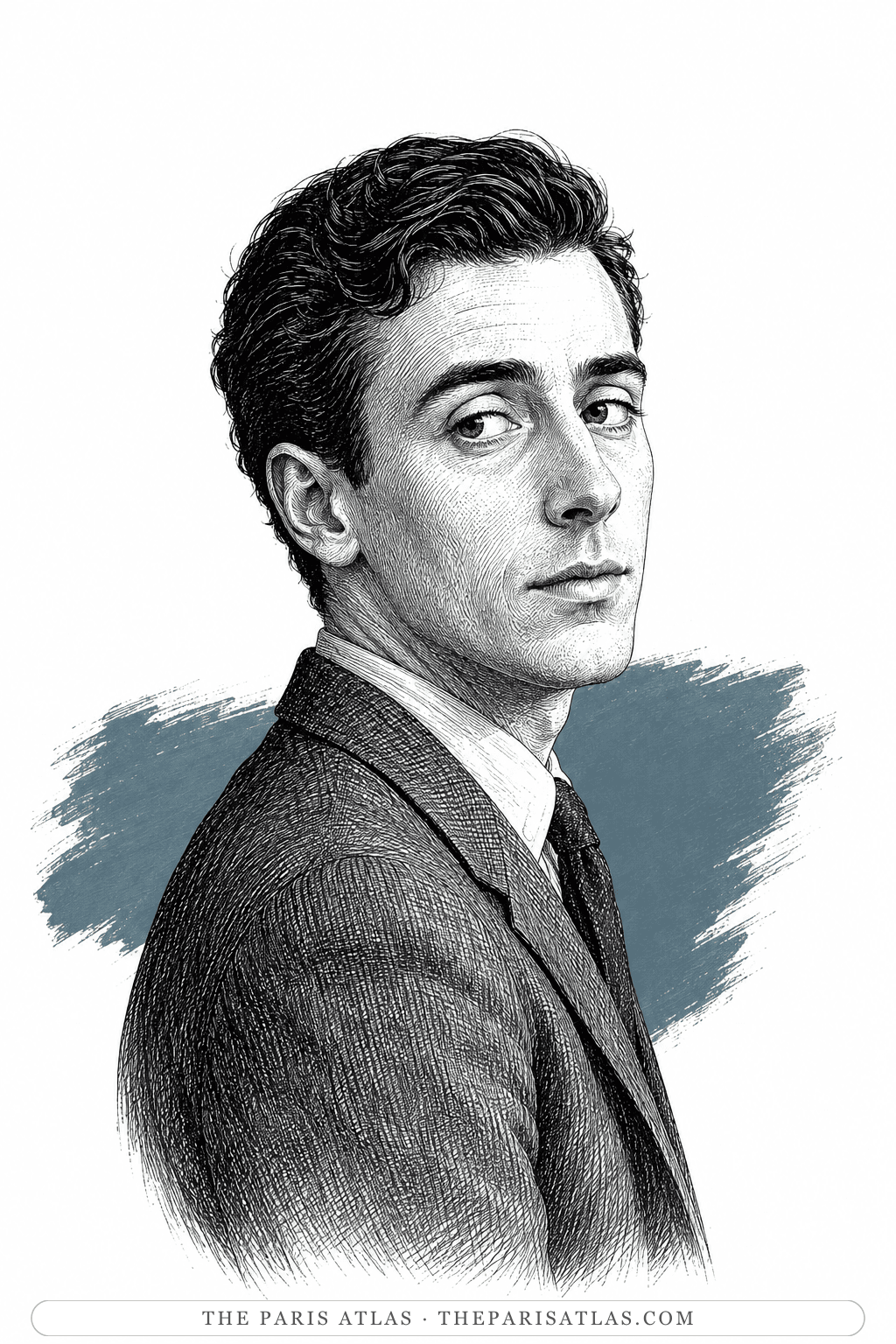
Met · 1943
Carr brought Burroughs into the New York circle in which he met Allen Ginsberg and Jack Kerouac.
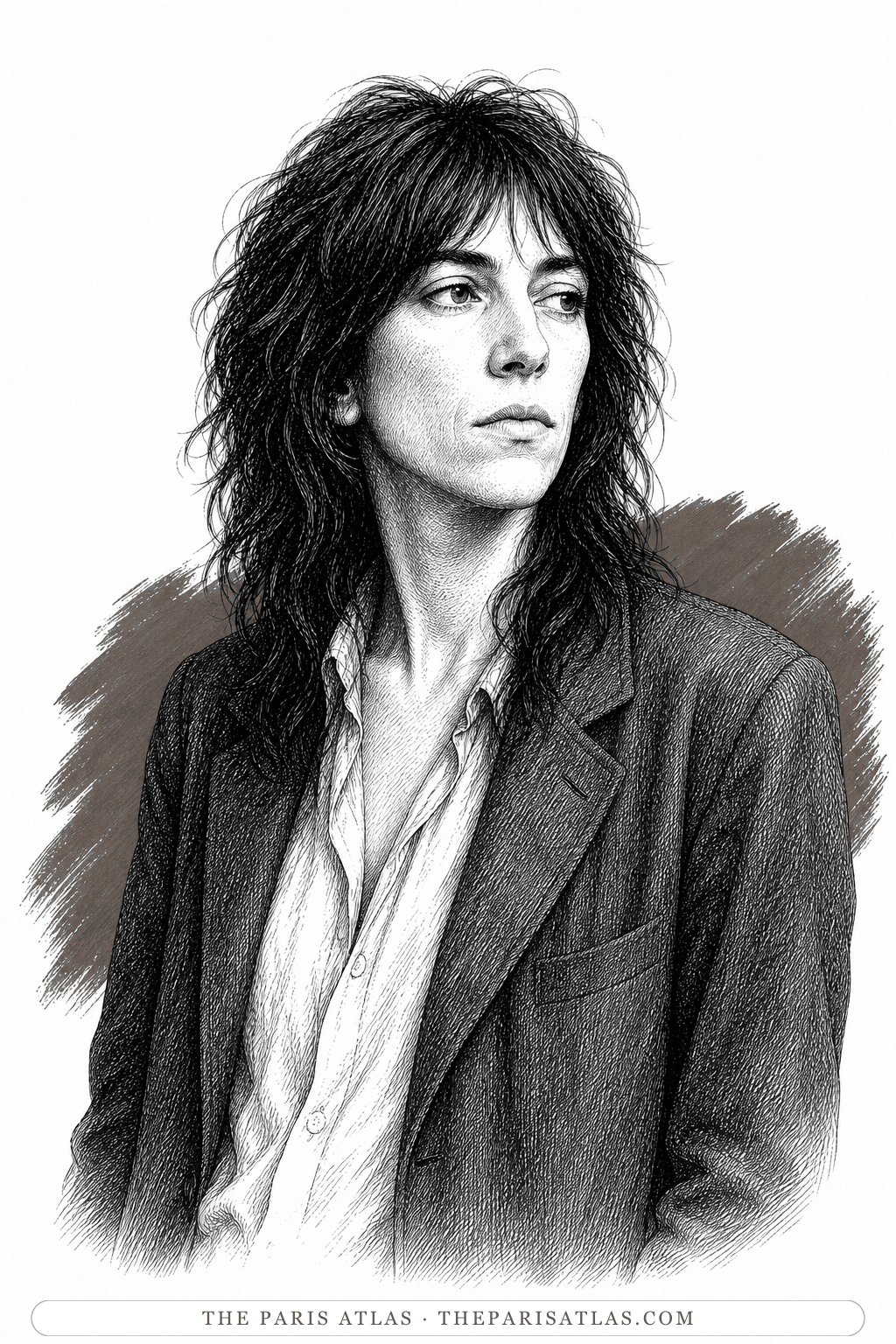
Met · 1974
Smith treated Burroughs as a literary elder, belonged to his downtown inner circle and remained his friend until his death.
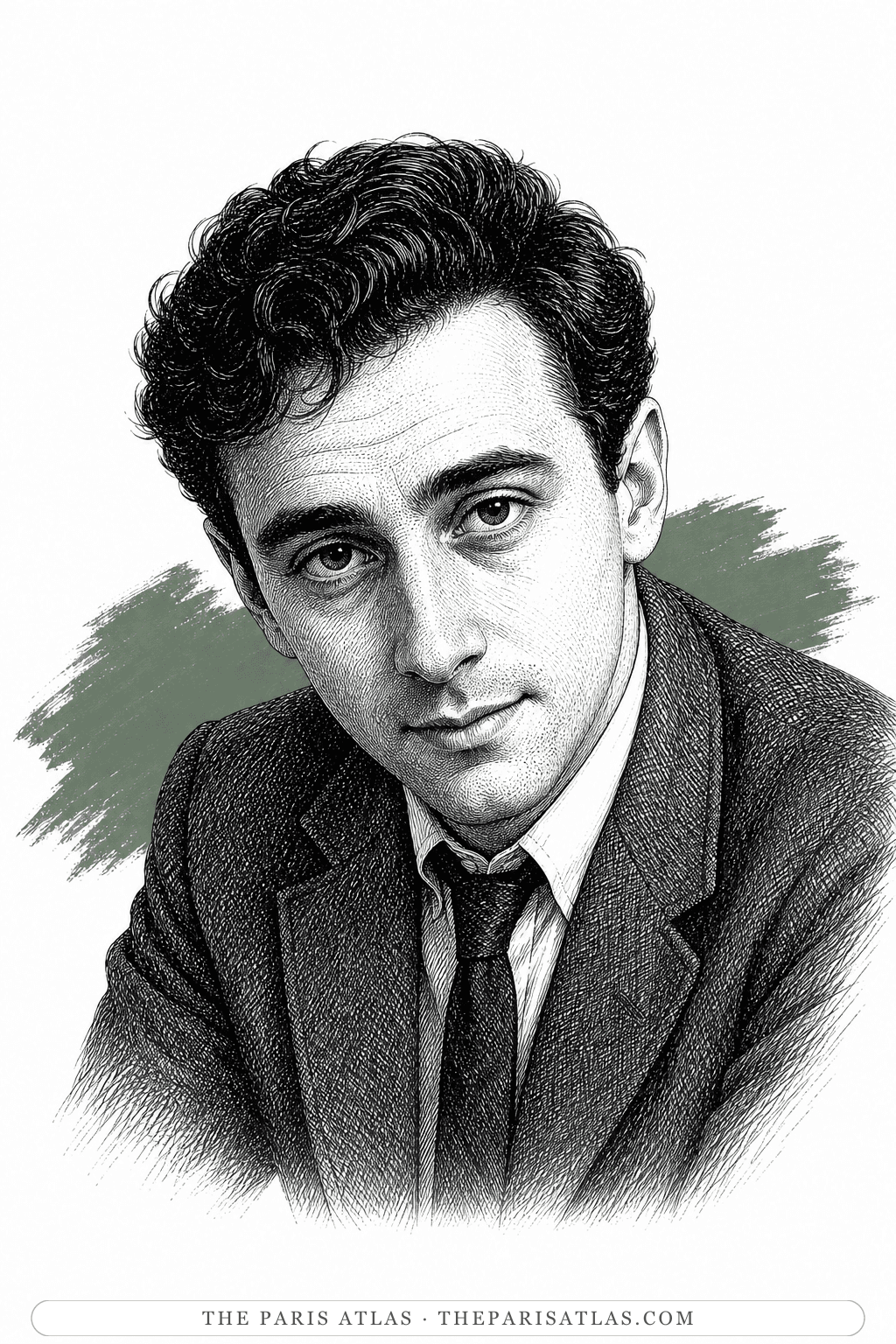
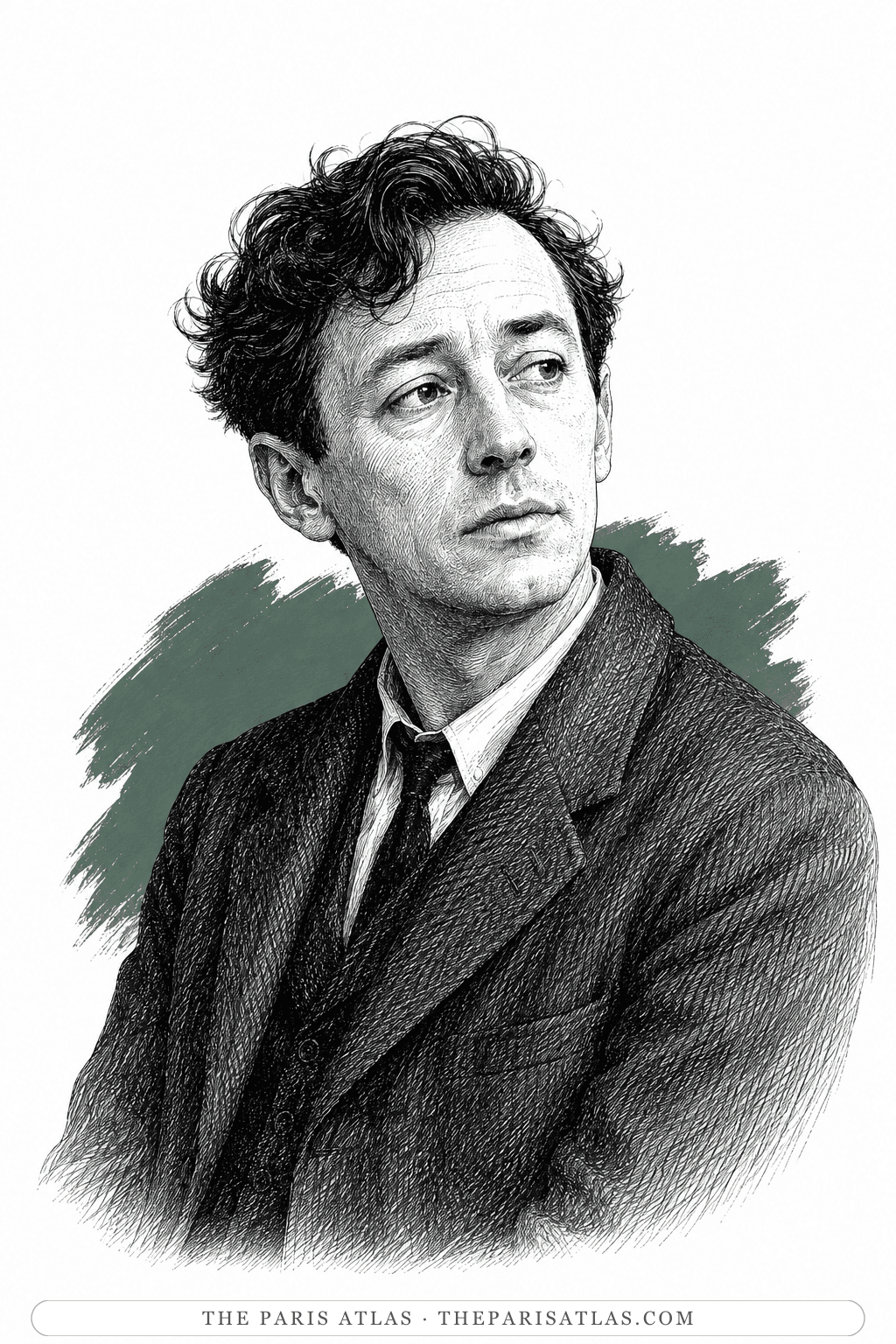
Met · 1959
Beiles participated in the Beat Hotel literary network and cut-up experiments surrounding Burroughs.
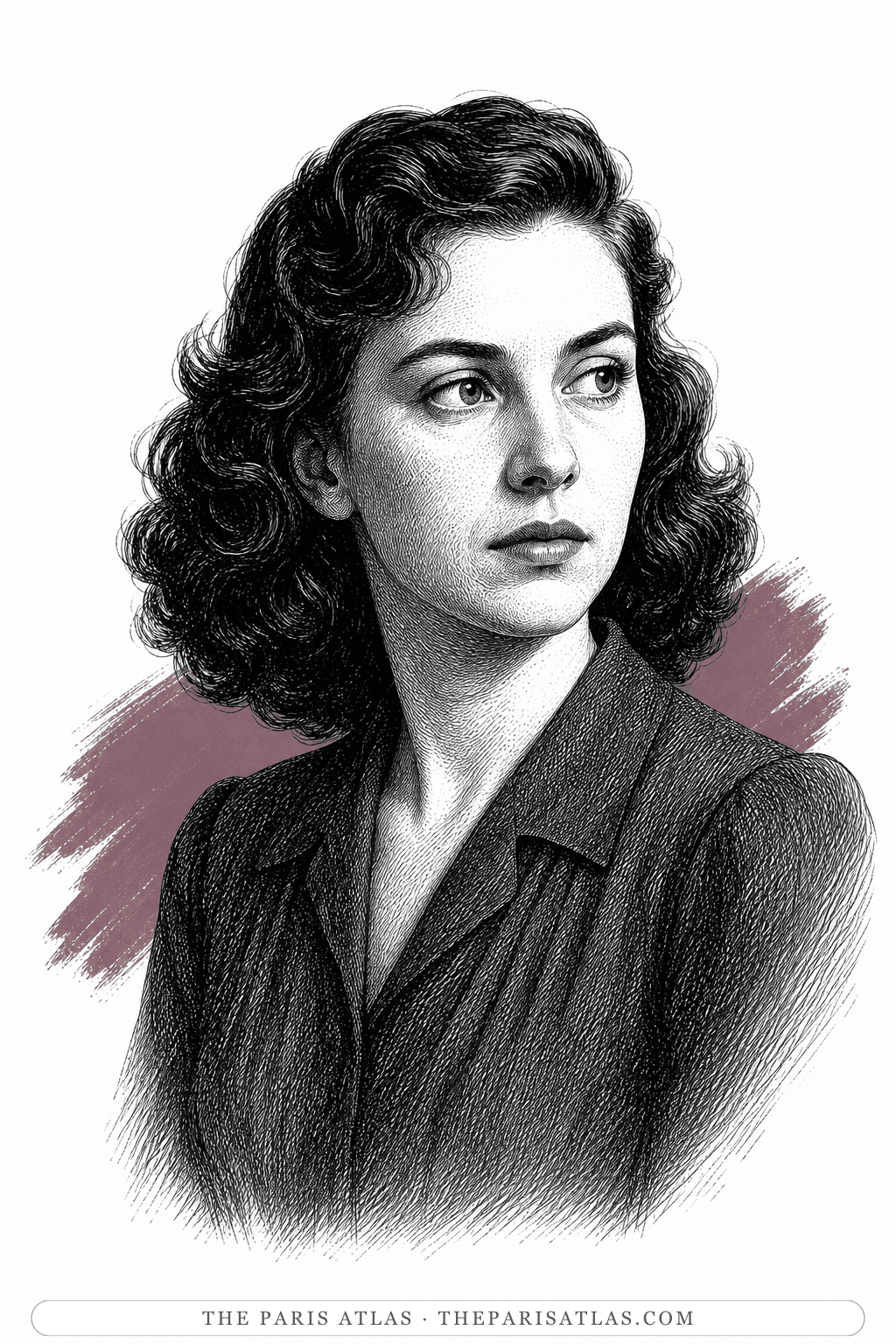
Partner of · 1946–1951
Burroughs and Vollmer formed a domestic partnership and had a son; Burroughs fatally shot her in Mexico City in 1951.
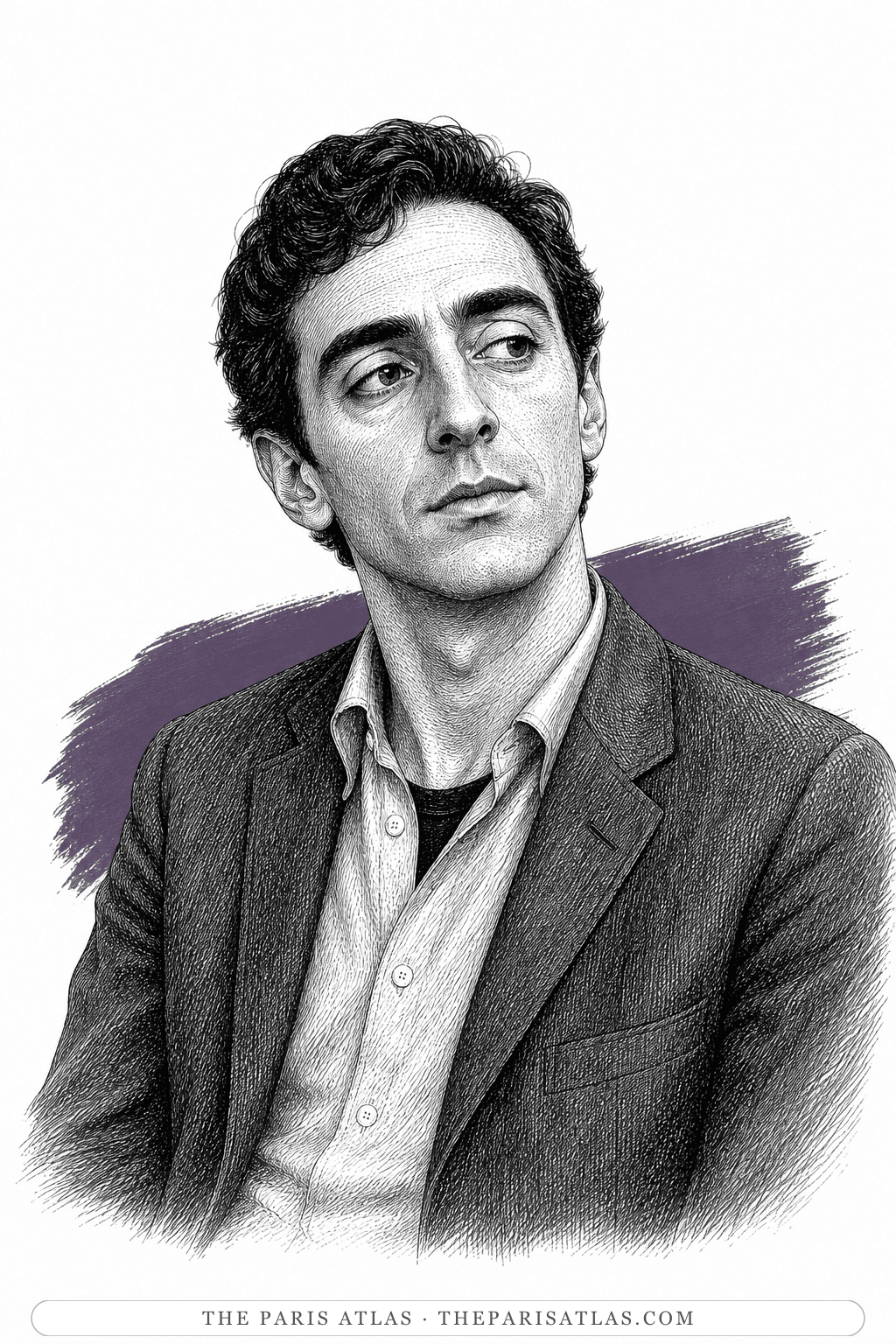
Collaborated with
Giorno was Burroughs's close friend, recording and performance collaborator, and Bowery neighbor; he also helped Burroughs obtain the Bunker at 222 Bowery.
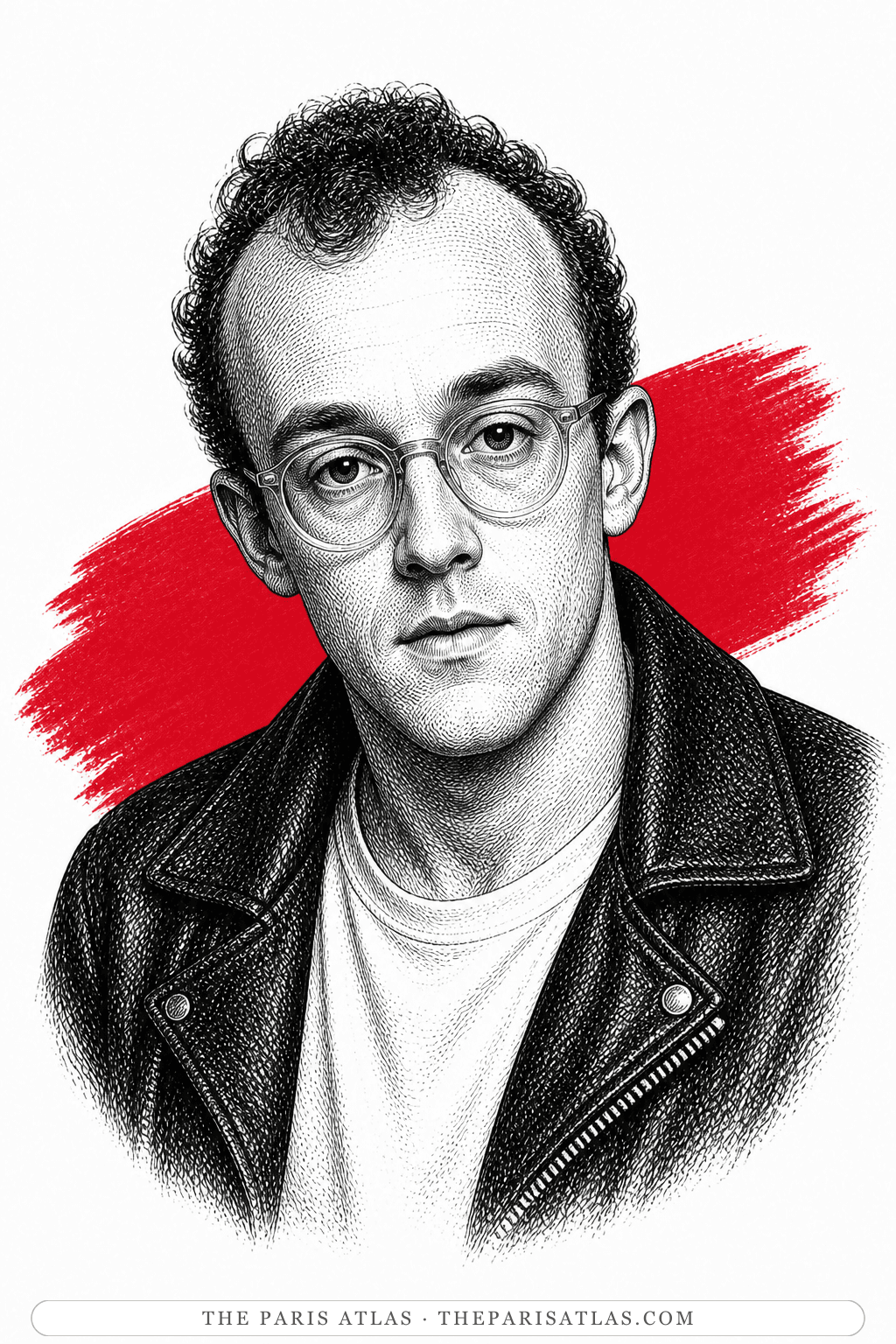
Collaborated with · 1983
Burroughs met Haring in 1983 and later supplied the texts for their collaborative print portfolios Apocalypse and The Valley.
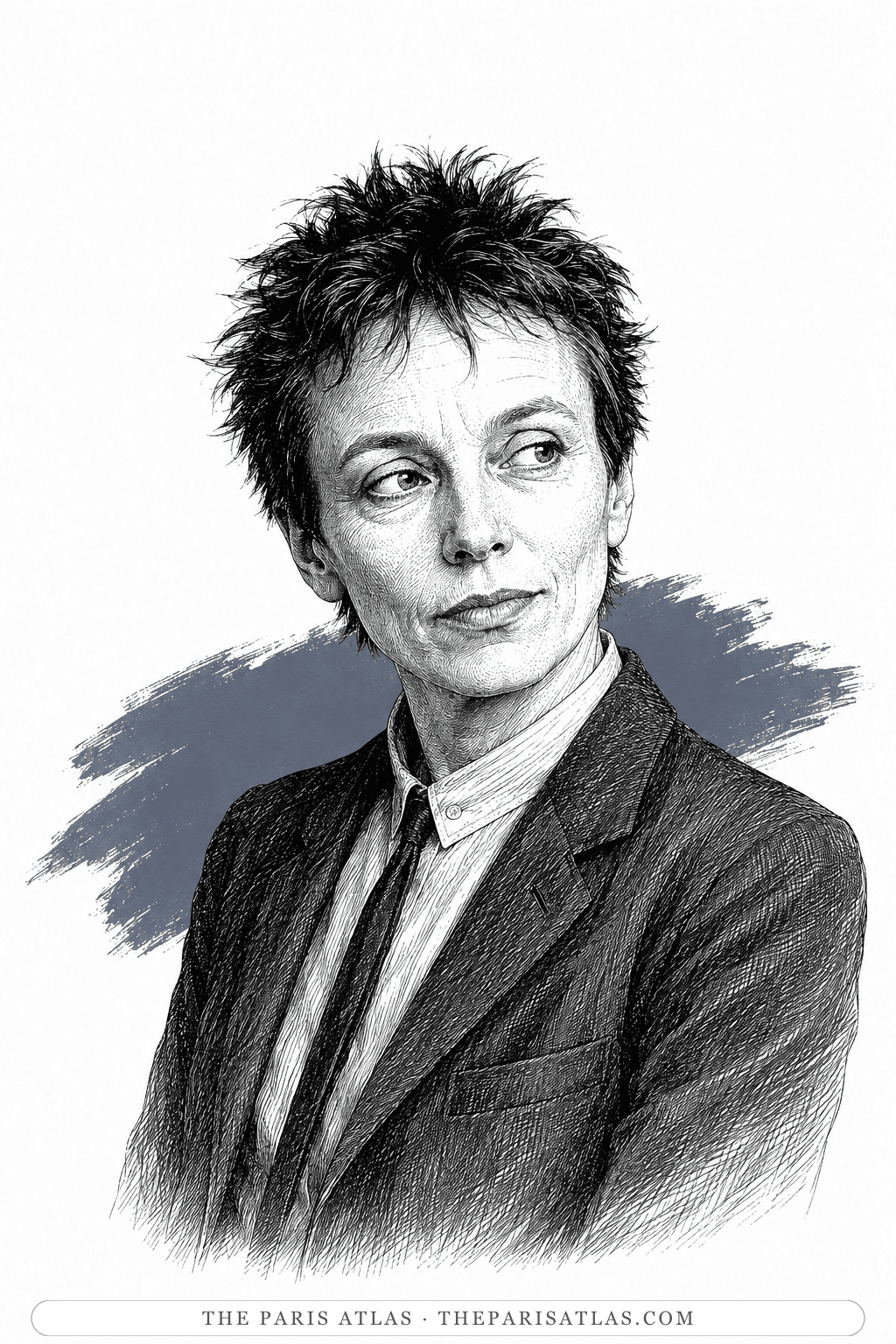
Collaborated with · 1981
Anderson, Burroughs and John Giorno collaborated on the 1981 double album You're the Guy I Want to Share My Money With.
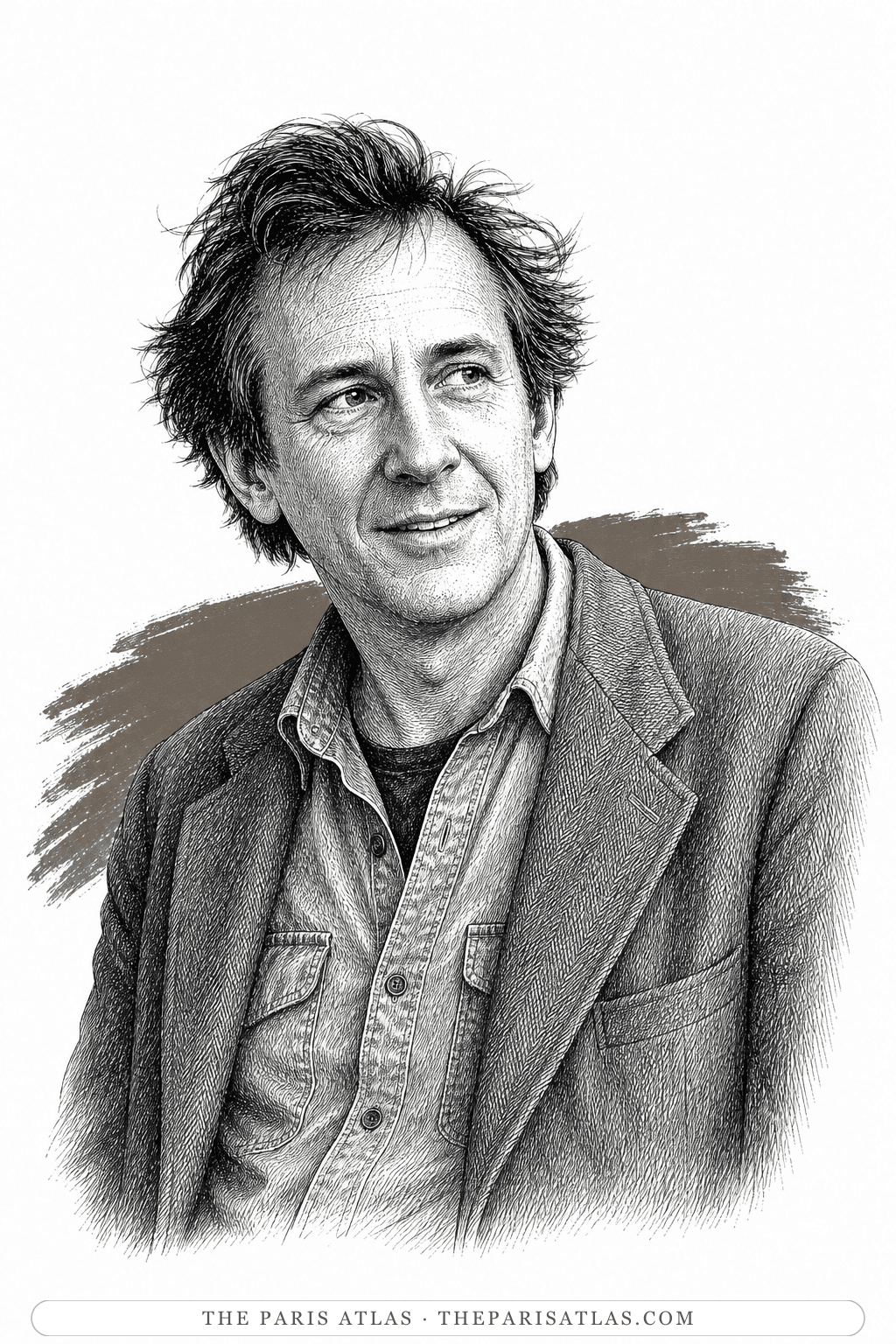
Collaborated with · 1981
Burroughs supplied text that Rauschenberg embossed into the six-lithograph series American Pewter with Burroughs.
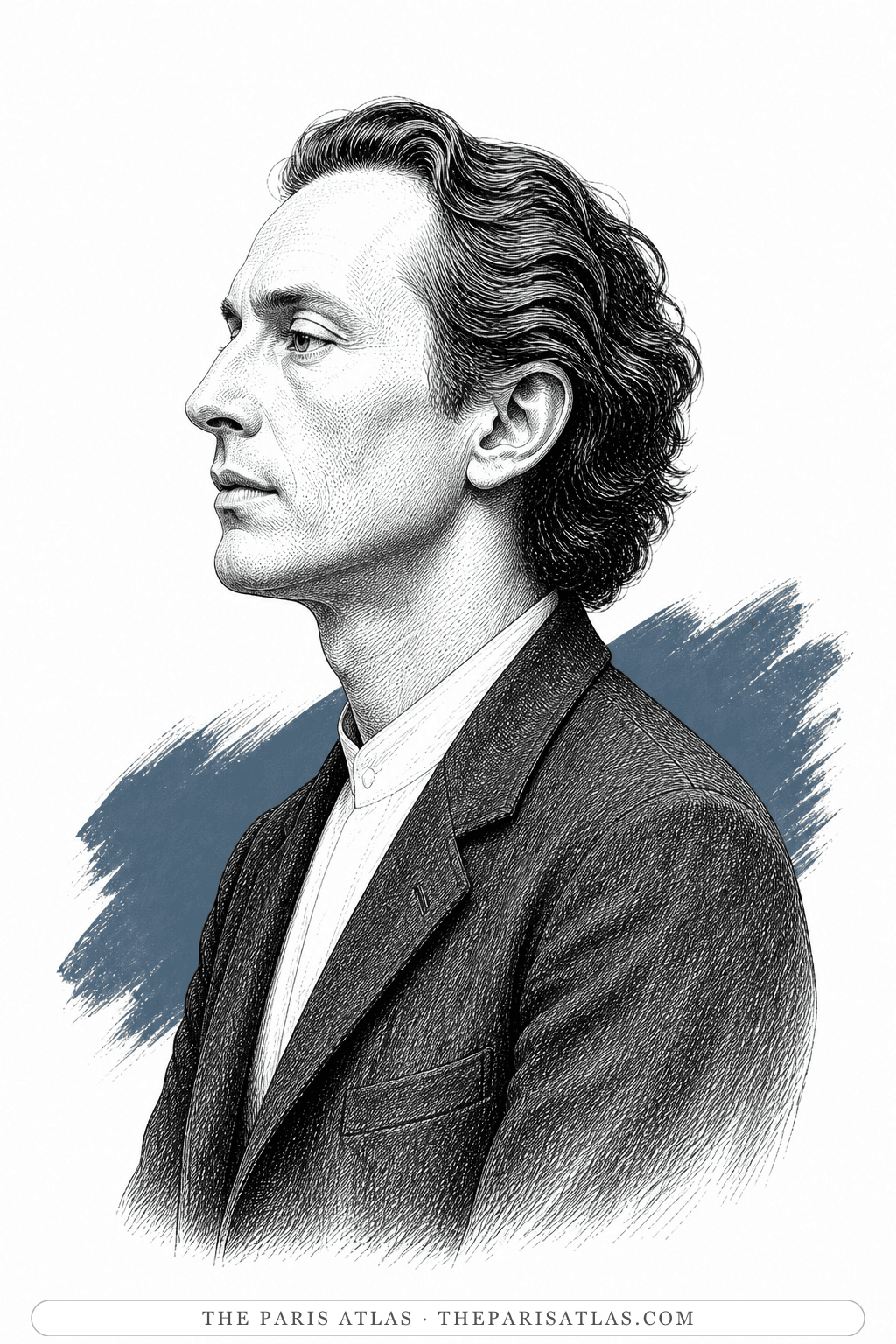
Collaborated with
The Onassis Foundation identifies Burroughs among Wilson's cross-disciplinary artistic collaborators.
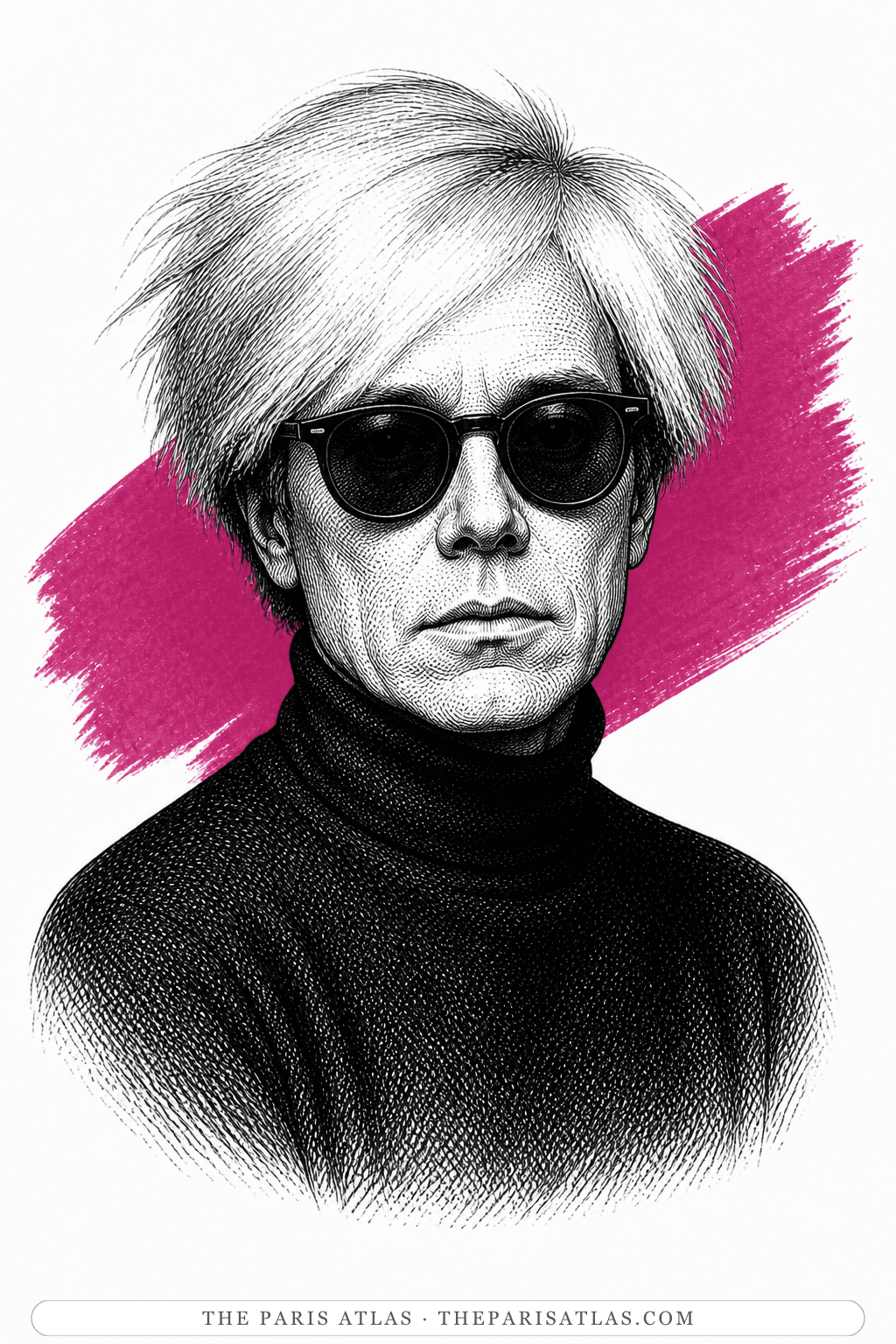
Met · 1980
Burroughs and Warhol were personal acquaintances in the Bowery art world and were photographed together with Mick Jagger at 222 Bowery in 1980.
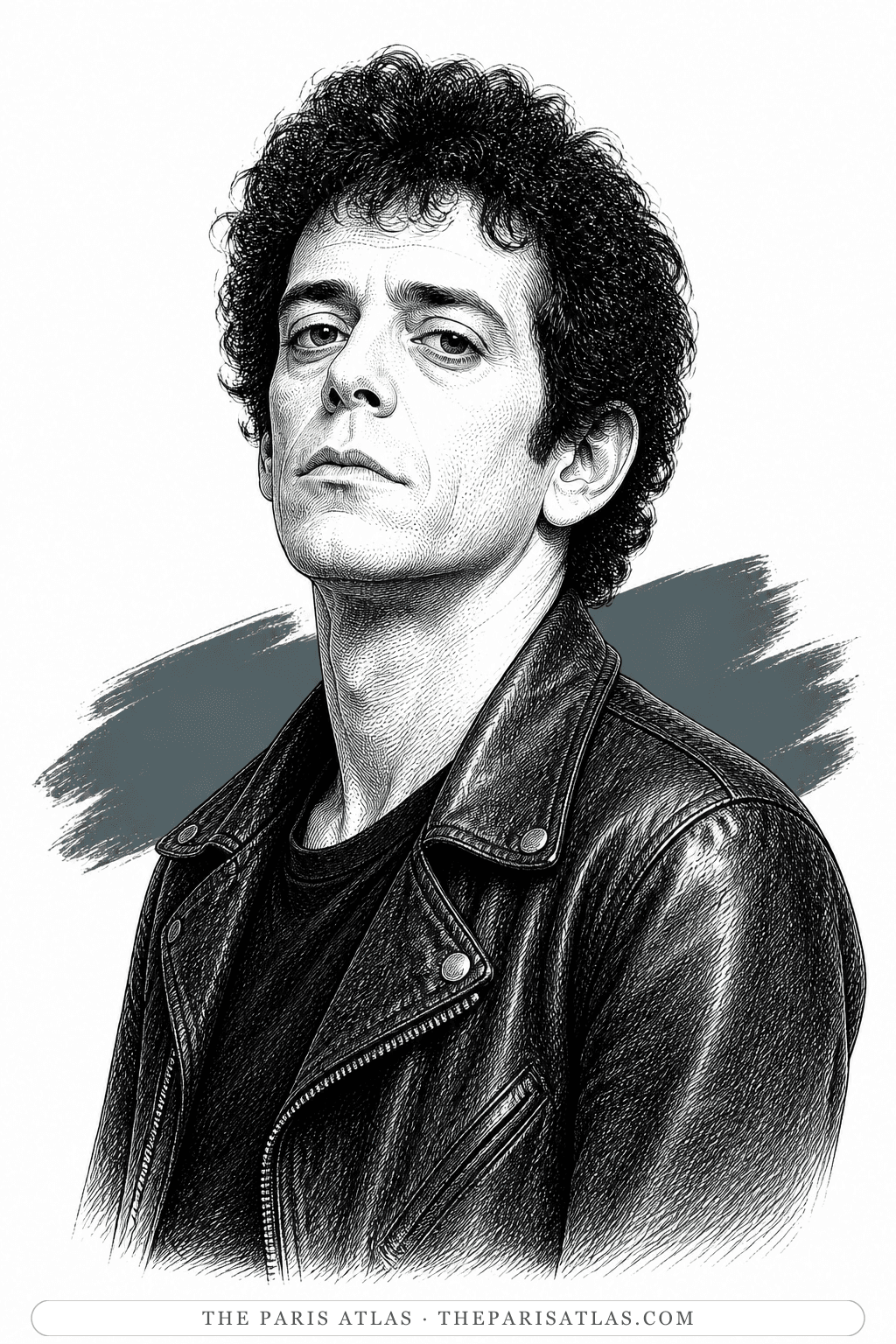
Met · 1979
After years of admiration and mutual connections, Reed met Burroughs face-to-face at the writer's Bowery Bunker in 1979 for a recorded conversation.
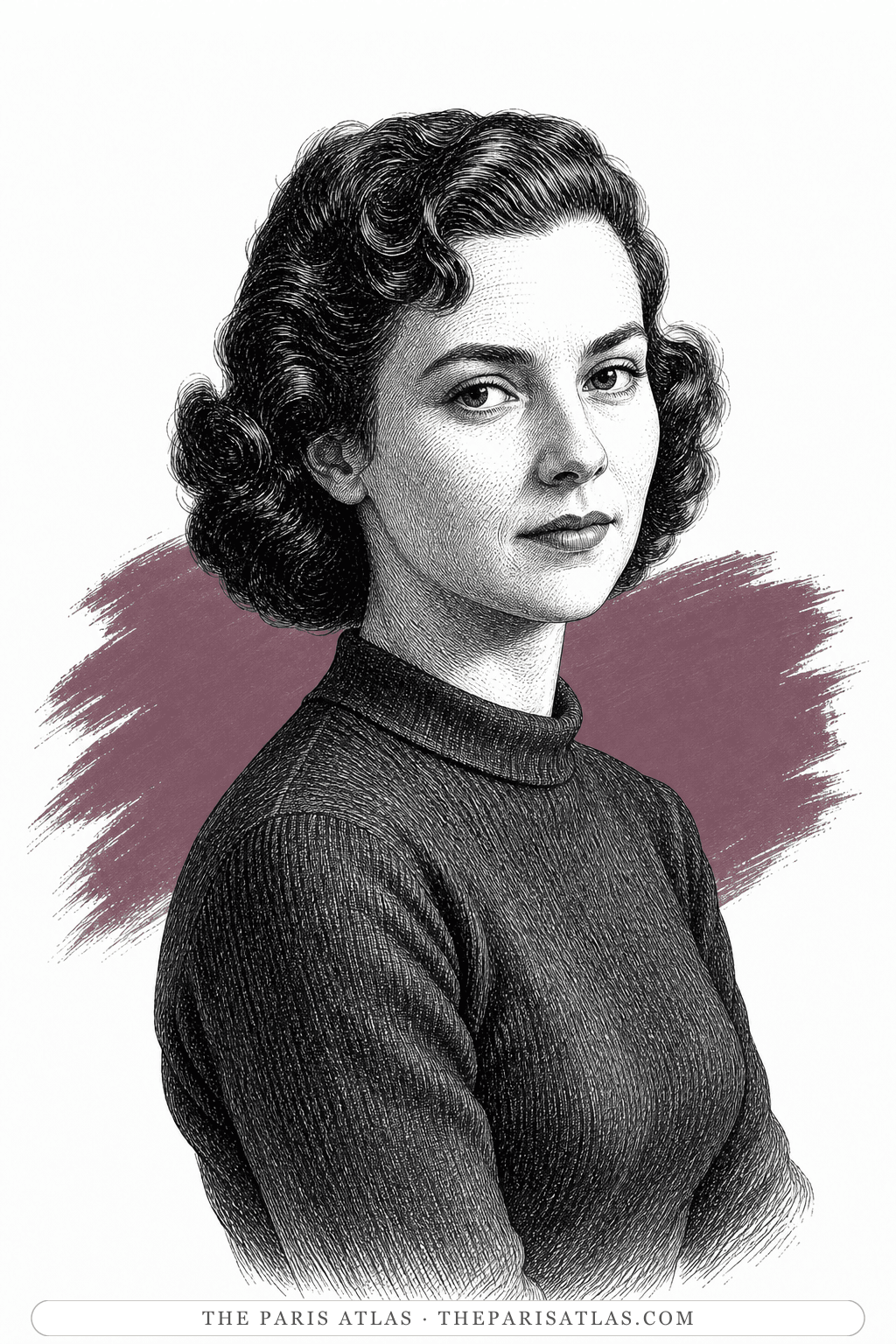
Met · 1944
Burroughs was visiting the apartment Parker shared with Joan Vollmer by early 1944, brought into the household by Lucien Carr. He and Kerouac later wrote Parker into And the Hippos Were Boiled in Their Tanks as Janie.
Met · 1953
Paul Bowles recalled first seeing William S. Burroughs in a Tangier back street in the rain in 1953. Their friendship developed in the winter of 1955–56, and they met regularly for roughly two years while Burroughs was assembling material for Naked Lunch. Bowles’s own essay distinguishes the first sighting from the closer relationship.

Heroin without romance: finding it, paying for it, using it, withdrawing, and arranging life around the next dose.

William S. Burroughs’s hallucinatory, obscene, grotesquely comic assault on addiction and conventional narrative.
Collaborated with · 1959
Balch worked with Burroughs and Gysin on cut-up film and multimedia experiments that began around the Beat Hotel circle.
Collaborated with · 1959
At the Beat Hotel, Gysin introduced Burroughs to cut-up writing and the two extended the method through text, recording, film and visual experiments.
Collaborated with · 1958
Sommerville became Burroughs's close companion and technical collaborator in tape, feedback, flicker and altered-perception experiments.
Collaborated with · 1945
Burroughs and Kerouac co-wrote And the Hippos Were Boiled in Their Tanks; Kerouac later helped type and organize the material that became Naked Lunch.
Collaborated with · 1992
Burroughs and Cobain collaborated on the spoken-word and guitar recording The “Priest” They Called Him.
Collaborated with · 1959
After initially rejecting the manuscript, Girodias published the first edition of The Naked Lunch through Olympia Press in Paris in July 1959.
Met · 1943
Ginsberg became one of Burroughs's closest Beat colleagues, helping organize the Tangier word hoard and joining the Paris Beat Hotel community.
Met · 1973
Burroughs and Bowie met in London on 17 November 1973 for a conversation published by Rolling Stone in February 1974; Bowie subsequently applied cut-up methods to his songwriting.
Met · 1958
Corso belonged to the community of residents and collaborators surrounding Burroughs at the Beat Hotel.
Met · 1959
Norse lived and wrote within the Beat Hotel's cut-up community alongside Burroughs.
Met · 1945
Huncke supplied Burroughs with street language, criminal knowledge and stories that became important to his early literary voice.
Met · 1943
Carr brought Burroughs into the New York circle in which he met Allen Ginsberg and Jack Kerouac.
Met · 1974
Smith treated Burroughs as a literary elder, belonged to his downtown inner circle and remained his friend until his death.
Met · 1959
Beiles participated in the Beat Hotel literary network and cut-up experiments surrounding Burroughs.
Partner of · 1946–1951
Burroughs and Vollmer formed a domestic partnership and had a son; Burroughs fatally shot her in Mexico City in 1951.
Collaborated with
Giorno was Burroughs's close friend, recording and performance collaborator, and Bowery neighbor; he also helped Burroughs obtain the Bunker at 222 Bowery.
Collaborated with · 1983
Burroughs met Haring in 1983 and later supplied the texts for their collaborative print portfolios Apocalypse and The Valley.
Collaborated with · 1981
Anderson, Burroughs and John Giorno collaborated on the 1981 double album You're the Guy I Want to Share My Money With.
Collaborated with · 1981
Burroughs supplied text that Rauschenberg embossed into the six-lithograph series American Pewter with Burroughs.
Collaborated with
The Onassis Foundation identifies Burroughs among Wilson's cross-disciplinary artistic collaborators.
Met · 1980
Burroughs and Warhol were personal acquaintances in the Bowery art world and were photographed together with Mick Jagger at 222 Bowery in 1980.
Met · 1979
After years of admiration and mutual connections, Reed met Burroughs face-to-face at the writer's Bowery Bunker in 1979 for a recorded conversation.
Met · 1944
Burroughs was visiting the apartment Parker shared with Joan Vollmer by early 1944, brought into the household by Lucien Carr. He and Kerouac later wrote Parker into And the Hippos Were Boiled in Their Tanks as Janie.
Met · 1953
Paul Bowles recalled first seeing William S. Burroughs in a Tangier back street in the rain in 1953. Their friendship developed in the winter of 1955–56, and they met regularly for roughly two years while Burroughs was assembling material for Naked Lunch. Bowles’s own essay distinguishes the first sighting from the closer relationship.
The sources below include biographies, scholarly essays, interviews, and primary materials that informed this page. They reflect both the historical record and ongoing critical conversations about William S. Burroughs and their work.

British Library bibliography documenting Burroughs's works and Jack Black's *You Can't Win* as a major influence.

Account of Burroughs at Harvard, his addiction and the development of *Junky* and *Naked Lunch*.

Documentary background on Burroughs within the formation of the Beat Generation.
Extensive archival biography and chronology covering Burroughs's childhood, Beat circle, manuscripts, Paris years, cut-ups, major works and death.
Discussion of *Junky*, Joan Vollmer's death and Burroughs's 1985 introduction to *Queer*.
Burroughs's own account of Vollmer's death and his claim that he had to ‘write his way out’ of the Ugly Spirit.
Primary manuscript evidence bearing Burroughs's address at 9 rue Gît-le-Cœur in April 1958.
Detailed French institutional history of the Beat Hotel at 9 rue Gît-le-Cœur.
Scholarly history of Harold Norse, cut-up writing and the community at 9 rue Gît-le-Cœur.
Transcription and photographic documentation of the Beat Hotel commemorative plaque.
Collection record confirming Olympia Press's first Paris edition of *The Naked Lunch* in July 1959.
Centre Pompidou account of Gysin, Burroughs and the development of cut-up techniques in Paris.
The 1966 judicial decision holding that *Naked Lunch* could not constitutionally be declared obscene.
Archival record for Burroughs materials preserved at the University of Kansas.
Archive documenting Burroughs's personal library and his Lawrence years.
Museum record for the first retrospective exhibition of Burroughs's visual art.
Extended obituary covering Burroughs's life, work, addiction, expatriate years and influence.
Obituary documenting Burroughs's final illness, heart attack and death in Lawrence.
Critical biography covering Burroughs's voices, style and influence on Ballard, Gibson and Acker.
Biographical source identifying Burroughs as a major influence on Kathy Acker.
Account of Burroughs's meeting with David Bowie and Bowie's adoption of cut-up methods.
Survey of Burroughs's influence on Bowie, Patti Smith, Lou Reed, Kurt Cobain and other musicians.
Smithsonian archival biography documenting Burroughs and Gysin as close friends and longtime collaborators.
Account of the November 1973 Bowie–Burroughs meeting and the conversation published by Rolling Stone in 1974.
Published conversation and retrospective evidence for Burroughs's long friendship with Patti Smith.
Burroughs's first-person account of meeting Haring and collaborating on *Apocalypse* and *The Valley*.
Scholarly account of Laurie Anderson's encounter and artistic work with Burroughs.
University Press account of Burroughs's personal and artistic relationships with Lou Reed, Patti Smith and Kurt Cobain.
The Rauschenberg Foundation's record of the artists' 1981 collaborative lithograph suite.
Official biography identifying Burroughs among Robert Wilson's artistic collaborators.
Museum record crediting Burroughs, Laurie Anderson and John Giorno as collaborators on the 1981 double album.
Institutional history documenting Burroughs's close friendship with Giorno and his Bowery encounters with Lou Reed and Andy Warhol.
Primary publication record for Burroughs's defining Paris-published novel.
These references anchor the page in the documented record and in the scholarly conversations around William S. Burroughs. Every claim on this page traces back to one or more of the works listed here.
 Explore more resources