
Grace Turner
Robbie's mother and the Tallis charlady, who never abandons belief in her son.
To defend her son's innocence against the family that supported but never fully accepted him.
The book

At a glance
- Robbie Turner
- Tallis family charlady
- Cottage on the estate
Who they are in the book
Spoiler-freeGrace is Robbie's mother and works for the Tallis family. Her son has been educated with Jack Tallis's financial support, but the household still treats them through class difference.
She refuses the family's accusation and stands by Robbie when patrons and police turn against him.
How Grace Turner Is Portrayed
- Working clothesHer labor supports the estate that judges her son.
- Upright resistanceShe does not perform gratitude when Robbie is accused.
- Protective motherHer loyalty remains direct and public.
- Class boundaryEducation has not removed the family's power over them.
Grace remains convinced of Robbie's innocence while the accusation leads to prison and war service.
If you like Atonement


If you like Ian McEwan
Explore authors with a similar voice, perspective, and influence.
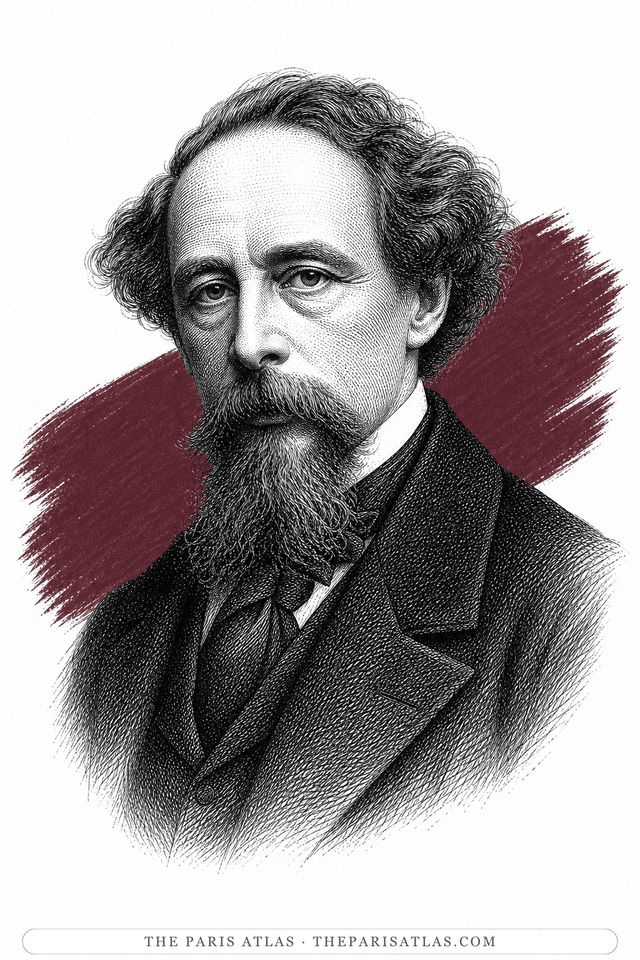
Charles Dickens
The most popular English novelist of the nineteenth century, who was never a Paris resident in the ordinary sense but kept coming back for twenty-five years: one winter in a rented mansion on the rue de Courcelles, a second winter on the Champs-Élysées writing Little Dorrit, repeated compulsive visits to the Paris Morgue — the riverside building where the city displayed its unidentified dead to the public — and a novel of the French Revolution, A Tale of Two Cities, that has shaped how English readers picture Paris ever since.
View author
Louis-Ferdinand Céline
The doctor of the Paris slums who wrote the century's blackest, funniest novel — and changed the sound of French prose.
View author
Martha Gellhorn
War correspondent who covered the Spanish Civil War, D-Day, and conflicts across five more decades; Hemingway's third wife, 1940–1945.
View author