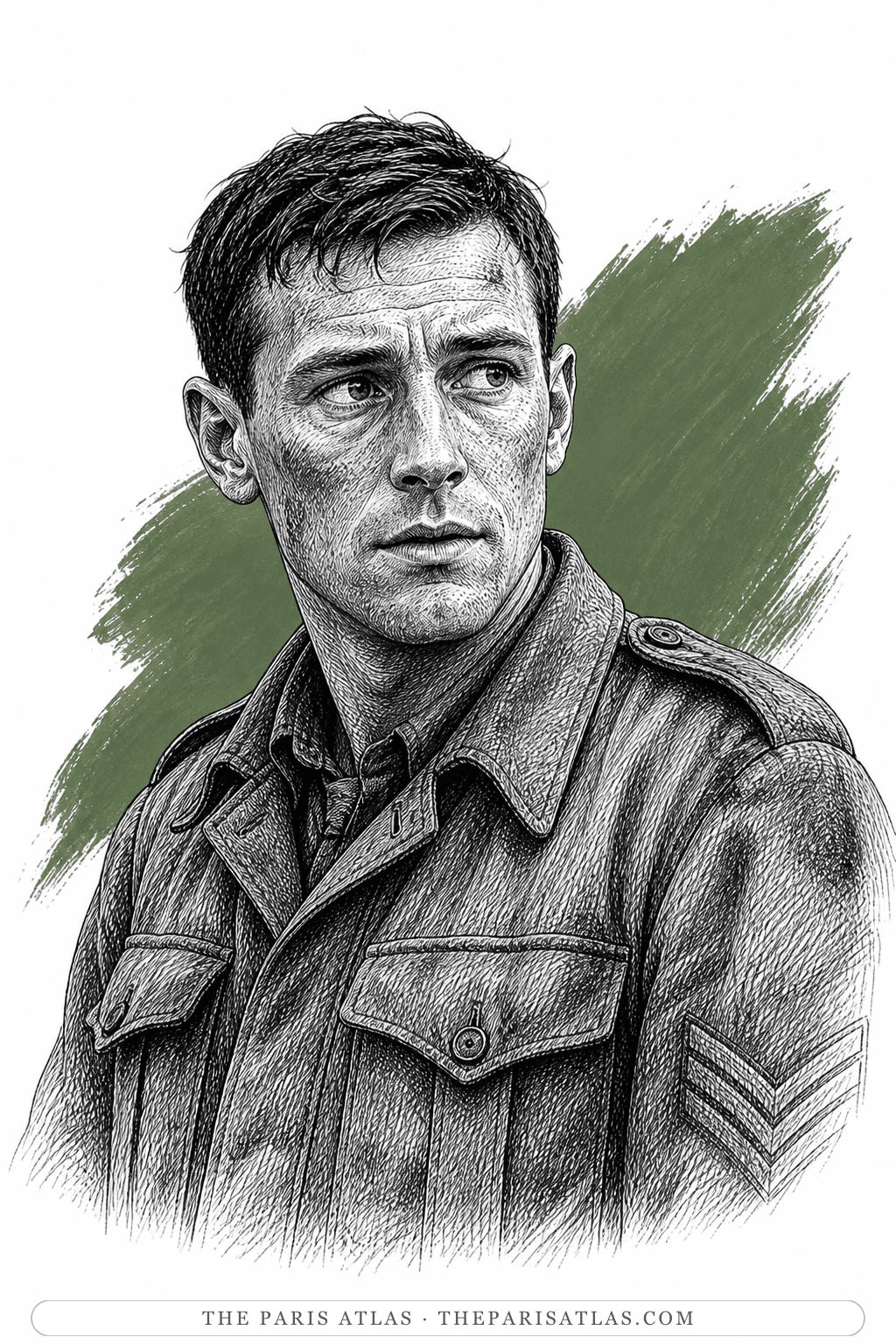
Corporal Nettle
The soldier who retreats with Robbie and later provides information about the journey.
To get the group to Dunkirk alive through a collapsing military retreat.
The book

At a glance
- Corporal
- Robbie Turner and Corporal Mace
- Retreat toward Dunkirk
Who they are in the book
Spoiler-freeNettle is one of the two corporals retreating with Robbie across France. Practical cooperation keeps the small group moving through confusion.
He watches Robbie's injury and shares the work of navigation, food, shelter, and survival. Later information from him helps Briony construct the account.
How Corporal Nettle Is Portrayed
- Worn uniformRetreat has replaced parade order.
- Practical vigilanceRoads and aircraft demand constant attention.
- Support for RobbieHe notices fever and slowing movement.
- Surviving witnessHis later account carries knowledge beyond Robbie's death.
Nettle survives and later supplies Briony with information. Robbie dies before evacuation.
If you like Atonement


If you like Ian McEwan
Explore authors with a similar voice, perspective, and influence.
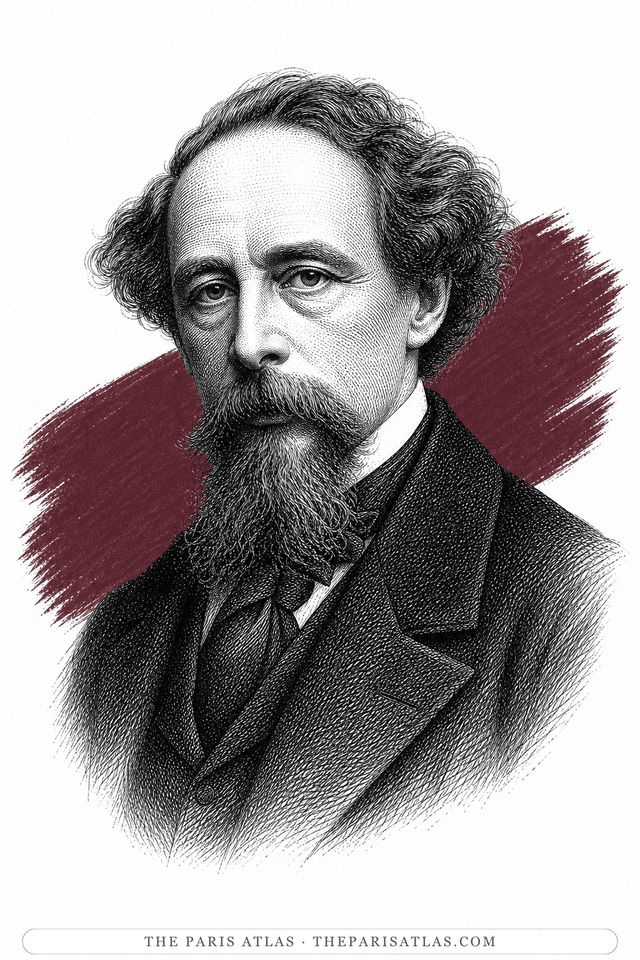
Charles Dickens
The most popular English novelist of the nineteenth century, who was never a Paris resident in the ordinary sense but kept coming back for twenty-five years: one winter in a rented mansion on the rue de Courcelles, a second winter on the Champs-Élysées writing Little Dorrit, repeated compulsive visits to the Paris Morgue — the riverside building where the city displayed its unidentified dead to the public — and a novel of the French Revolution, A Tale of Two Cities, that has shaped how English readers picture Paris ever since.
View author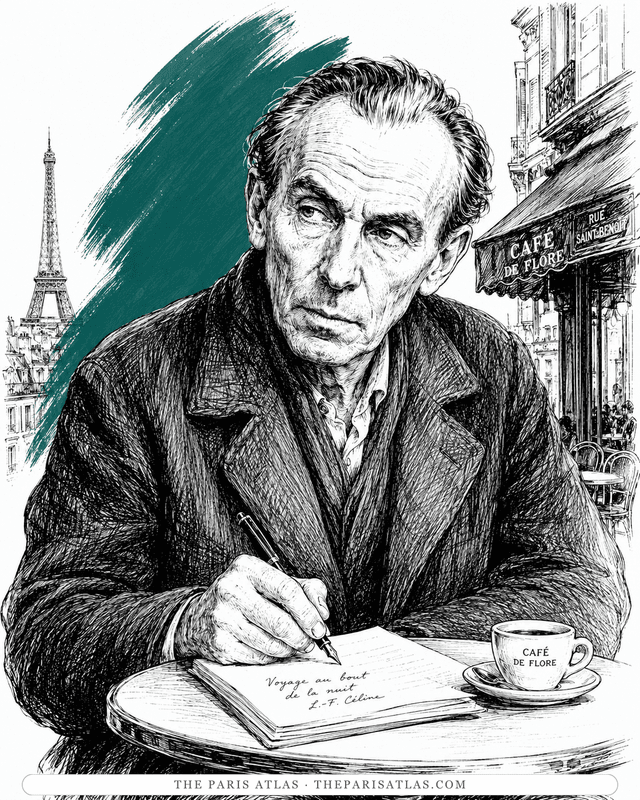
Louis-Ferdinand Céline
The doctor of the Paris slums who wrote the century's blackest, funniest novel — and changed the sound of French prose.
View author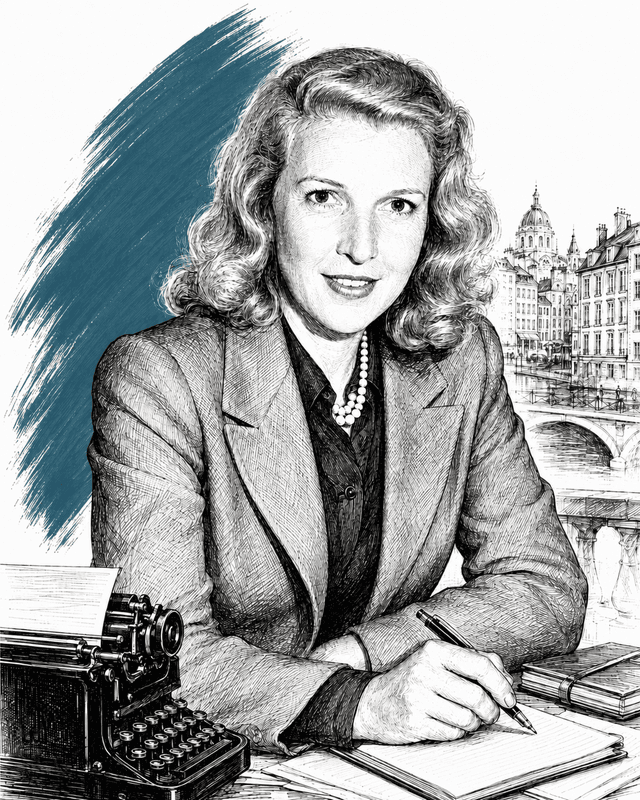
Martha Gellhorn
War correspondent who covered the Spanish Civil War, D-Day, and conflicts across five more decades; Hemingway's third wife, 1940–1945.
View author