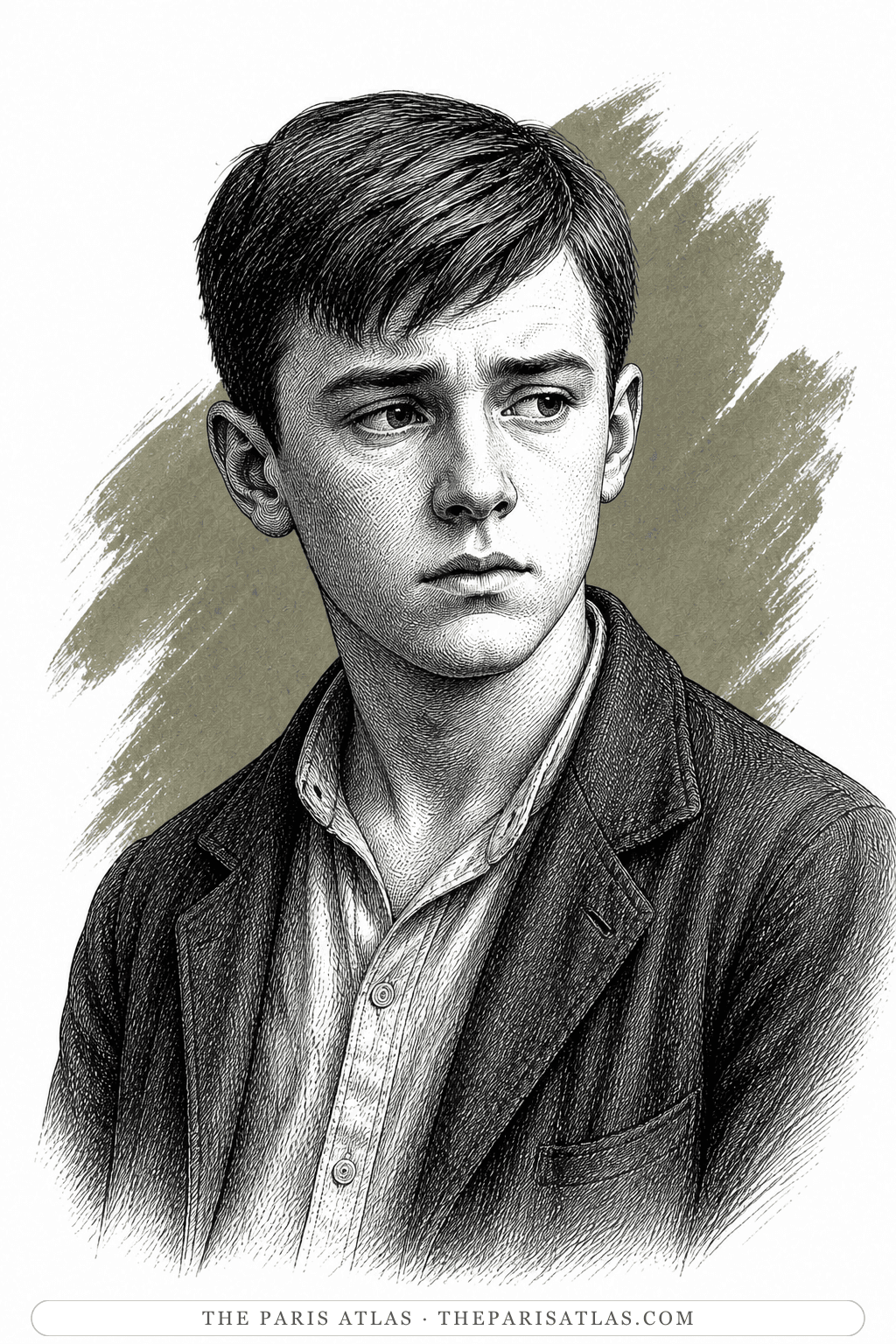
Danny Hardman
The teenage servant suspected by Cecilia and Robbie, showing how class suspicion can move downward.
To do his work without becoming the household's convenient explanation for a crime.
The book

At a glance
- Teenage estate servant
- Tallis estate
- Wrongly suspected by some characters
Who they are in the book
Spoiler-freeDanny is a teenage servant connected to the Tallis estate. After the assault, Cecilia and Robbie consider him as a possible attacker because he occupied the grounds and a lower social position.
He is innocent. His small role shows that recognizing prejudice against Robbie does not automatically prevent suspicion from being redirected toward someone with even less power.
How Danny Hardman Is Portrayed
- Estate dutiesHis presence on the grounds has an ordinary reason.
- Social distanceThe family knows his role more than his inner life.
- Search-party shadowNight makes class suspicion easier.
- Innocent warinessThe profile must not visually imply guilt.
Danny did not assault Lola. Paul Marshall did. The suspicion directed at Danny exposes another layer of class prejudice.
If you like Atonement


If you like Ian McEwan
Explore authors with a similar voice, perspective, and influence.
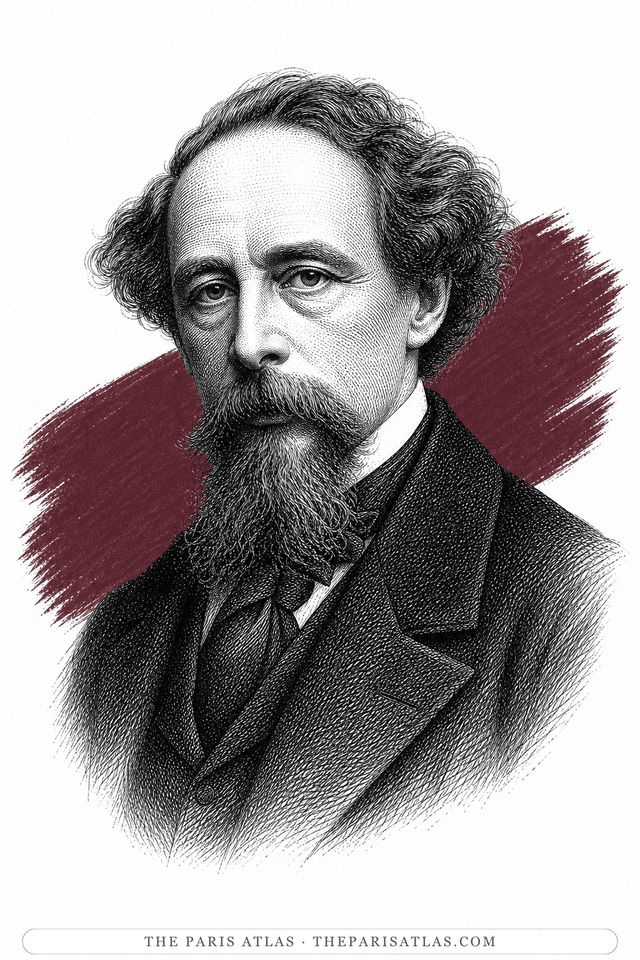
Charles Dickens
The most popular English novelist of the nineteenth century, who was never a Paris resident in the ordinary sense but kept coming back for twenty-five years: one winter in a rented mansion on the rue de Courcelles, a second winter on the Champs-Élysées writing Little Dorrit, repeated compulsive visits to the Paris Morgue — the riverside building where the city displayed its unidentified dead to the public — and a novel of the French Revolution, A Tale of Two Cities, that has shaped how English readers picture Paris ever since.
View author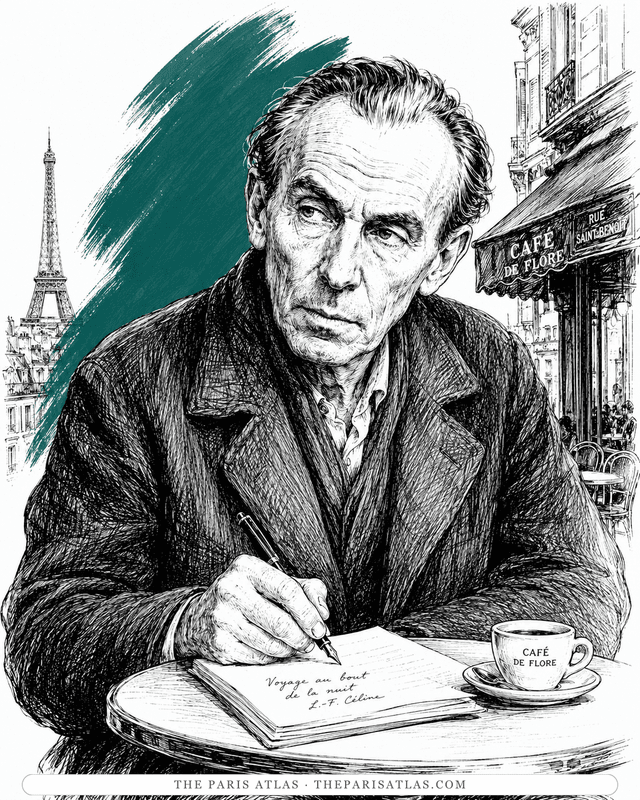
Louis-Ferdinand Céline
The doctor of the Paris slums who wrote the century's blackest, funniest novel — and changed the sound of French prose.
View author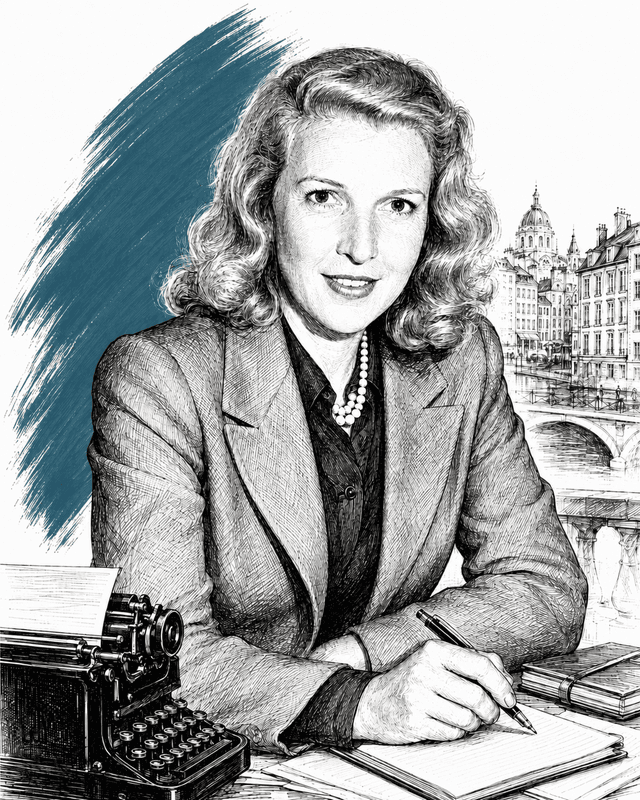
Martha Gellhorn
War correspondent who covered the Spanish Civil War, D-Day, and conflicts across five more decades; Hemingway's third wife, 1940–1945.
View author