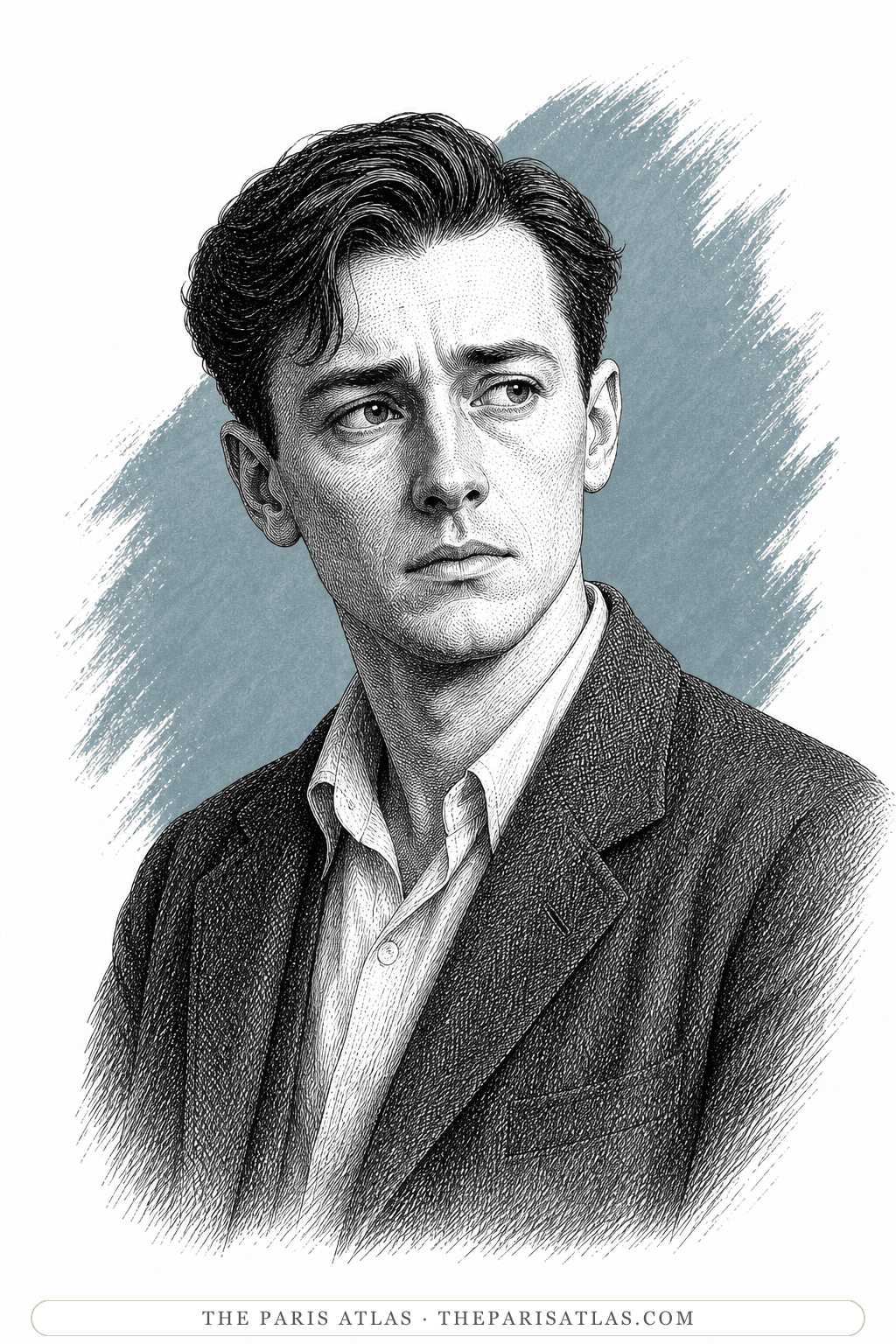
Robbie Turner
Grace's gifted son, preparing for medicine before Briony's accusation destroys his future.
To love Cecilia, become a doctor, and restore the life and name taken by the accusation.
The book

At a glance
- Grace Turner
- Cambridge graduate
- Medicine
- Cecilia Tallis
Who they are in the book
Spoiler-freeRobbie is Grace Turner's son and grew up near the Tallis children. Jack Tallis funded his education, and Robbie earns a Cambridge degree before planning to study medicine.
His social position is unstable: educated beside the family but still treated as the charlady's son. One mistaken letter makes that class unease look like danger.
He loves Cecilia and carries her letters through prison and the retreat to Dunkirk. His hope for medical work and ordinary life gives the accusation a concrete cost.
How Robbie Turner Is Portrayed
- Gifted studentEducation gives ability without secure status.
- Fountain tensionPride and attraction make him awkward.
- Mistaken letterA private draft becomes public evidence.
- Prison disciplineConfinement interrupts his medical future.
- Wounded retreatHe walks through France with an infected side.
- Cecilia's lettersHer words organize his will to survive.
Robbie dies of septicemia at Bray Dunes on 1 June 1940. He never reaches the evacuation or reunites with Cecilia after the retreat.
If you like Atonement


If you like Ian McEwan
Explore authors with a similar voice, perspective, and influence.
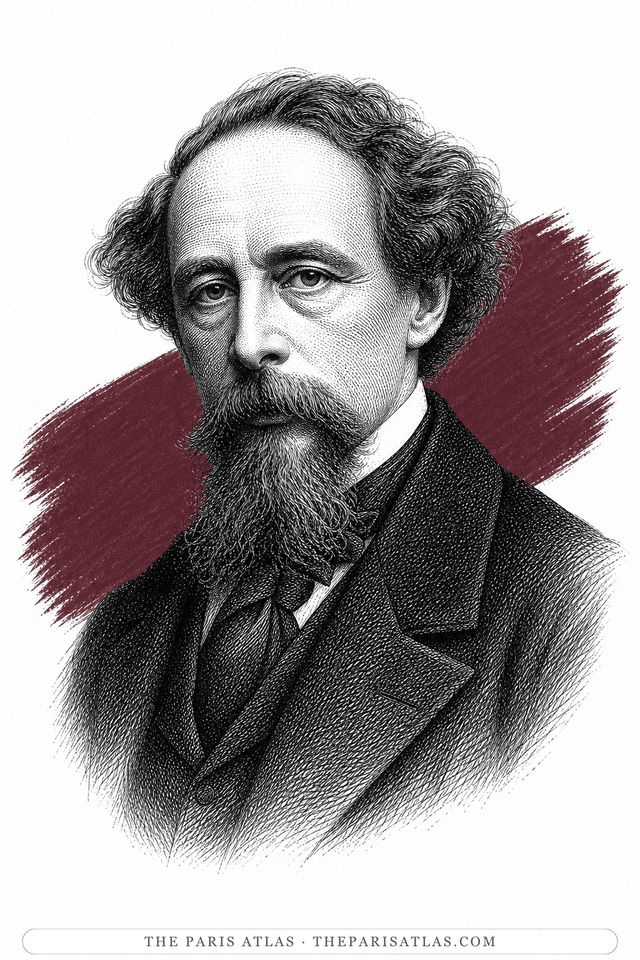
Charles Dickens
The most popular English novelist of the nineteenth century, who was never a Paris resident in the ordinary sense but kept coming back for twenty-five years: one winter in a rented mansion on the rue de Courcelles, a second winter on the Champs-Élysées writing Little Dorrit, repeated compulsive visits to the Paris Morgue — the riverside building where the city displayed its unidentified dead to the public — and a novel of the French Revolution, A Tale of Two Cities, that has shaped how English readers picture Paris ever since.
View author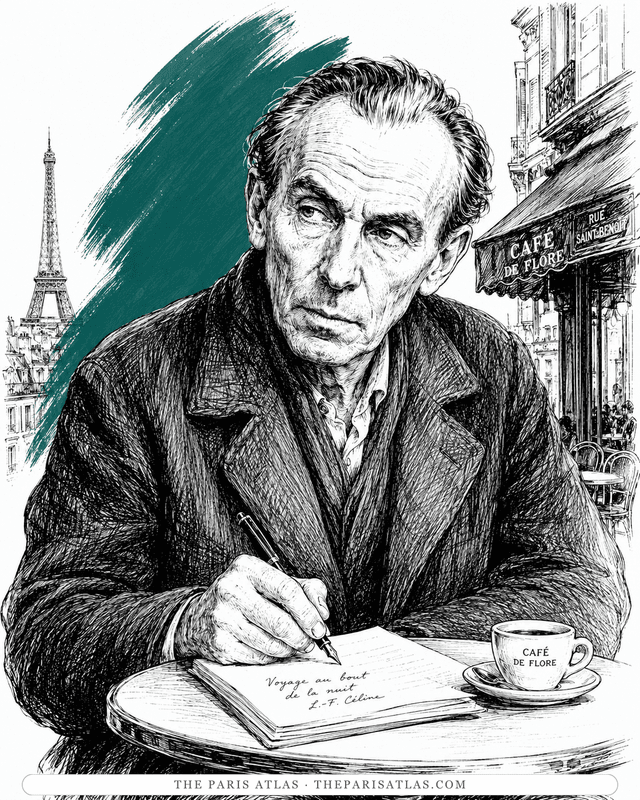
Louis-Ferdinand Céline
The doctor of the Paris slums who wrote the century's blackest, funniest novel — and changed the sound of French prose.
View author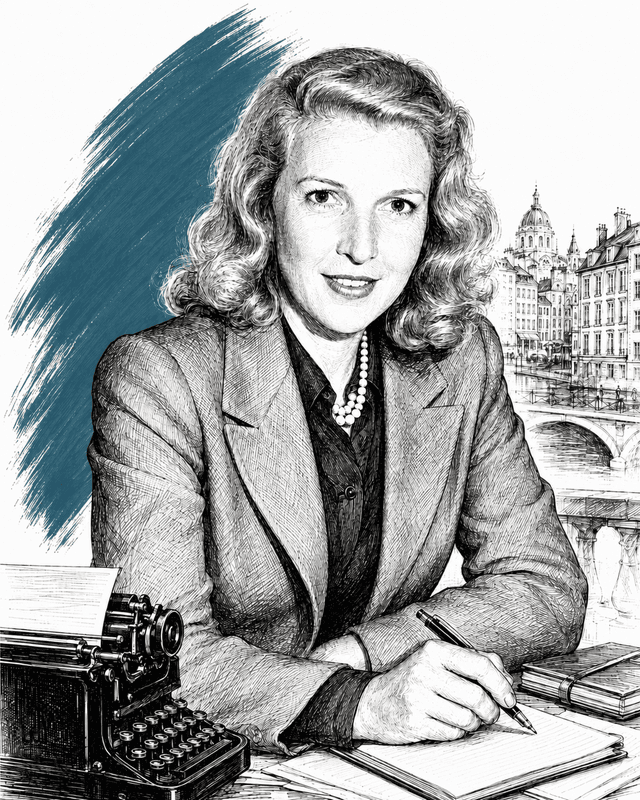
Martha Gellhorn
War correspondent who covered the Spanish Civil War, D-Day, and conflicts across five more decades; Hemingway's third wife, 1940–1945.
View author