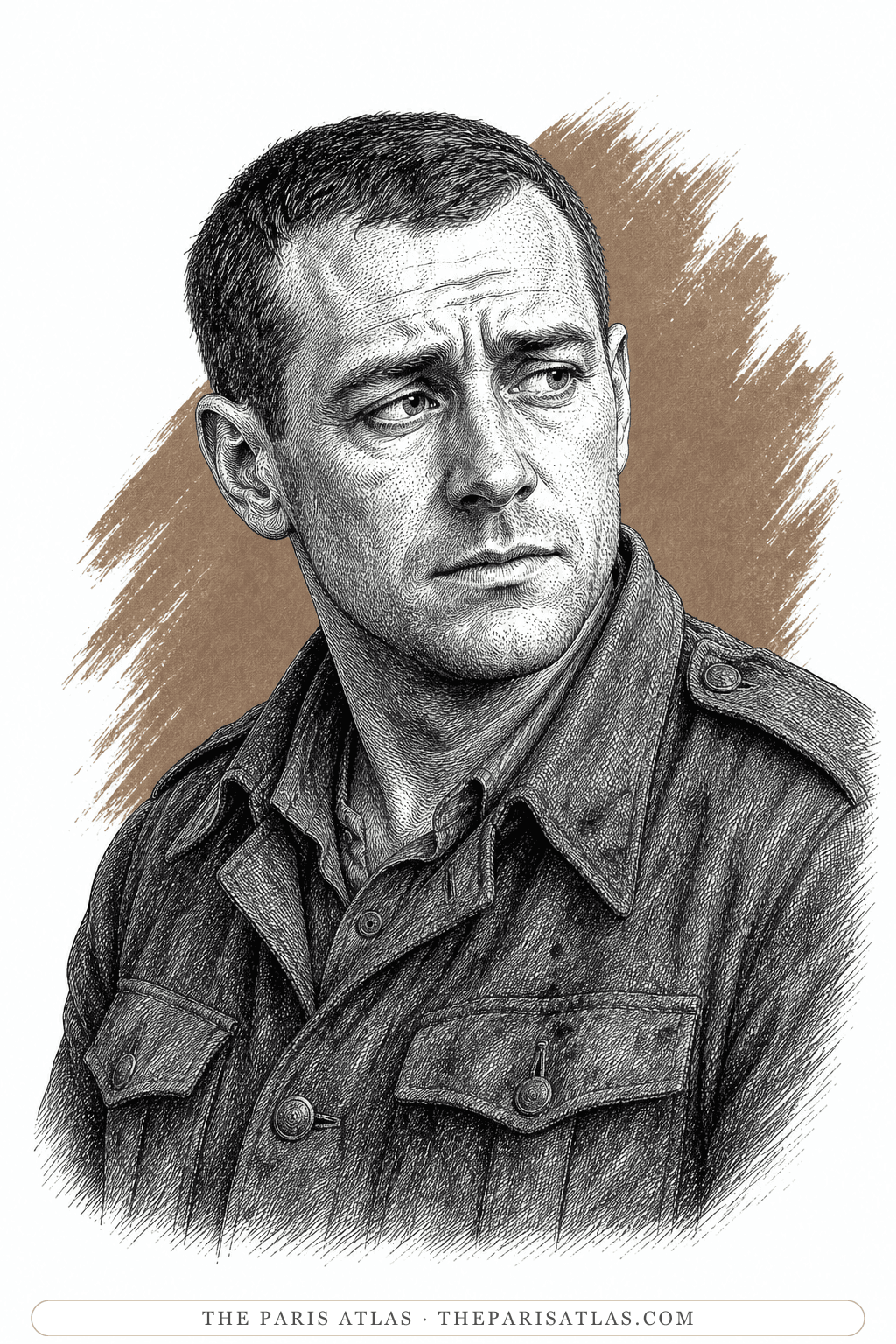
Corporal Mace
The second soldier in Robbie's retreat group, part of the cooperation that keeps them moving.
To survive the retreat and keep his companions moving toward evacuation.
The book

At a glance
- Corporal
- Robbie Turner and Corporal Nettle
- France, 1940
Who they are in the book
Spoiler-freeMace travels with Robbie and Nettle during the retreat. He belongs to the ordinary soldiering that keeps a small group alive without turning any one man into a solitary hero.
Shared food, directions, alertness, and endurance give his supporting role real weight.
How Corporal Mace Is Portrayed
- Field gearEquipment is reduced to what can still be carried.
- Shared provisionsFood becomes a group resource.
- Road exhaustionContinuous movement shapes his body and speech.
- Mutual protectionSurvival depends on attention to companions.
Mace remains part of the group moving toward Dunkirk while Robbie's infection worsens.
If you like Atonement


If you like Ian McEwan
Explore authors with a similar voice, perspective, and influence.
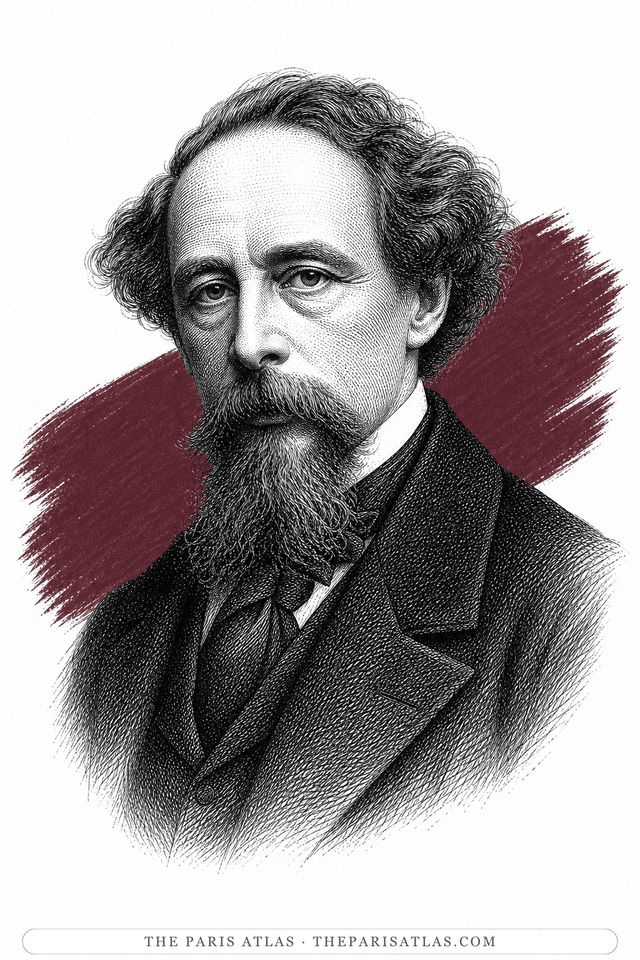
Charles Dickens
The most popular English novelist of the nineteenth century, who was never a Paris resident in the ordinary sense but kept coming back for twenty-five years: one winter in a rented mansion on the rue de Courcelles, a second winter on the Champs-Élysées writing Little Dorrit, repeated compulsive visits to the Paris Morgue — the riverside building where the city displayed its unidentified dead to the public — and a novel of the French Revolution, A Tale of Two Cities, that has shaped how English readers picture Paris ever since.
View author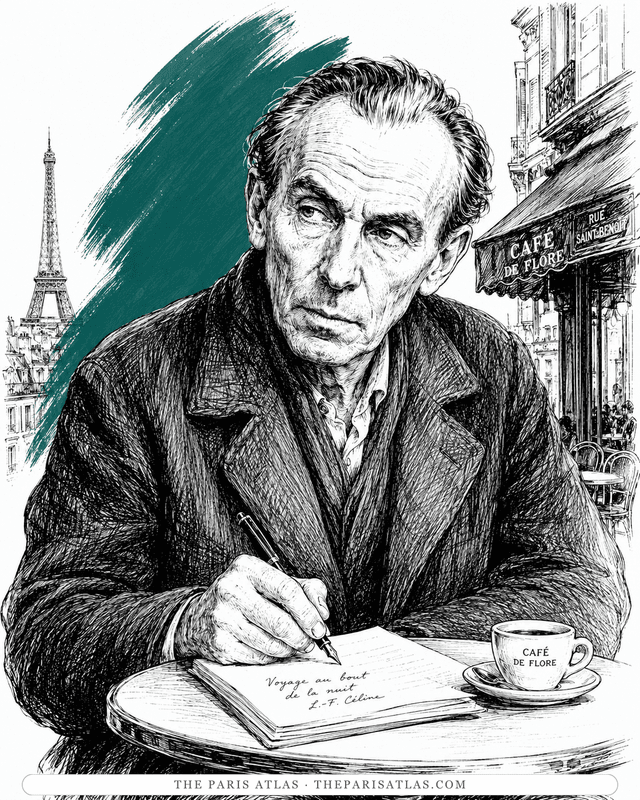
Louis-Ferdinand Céline
The doctor of the Paris slums who wrote the century's blackest, funniest novel — and changed the sound of French prose.
View author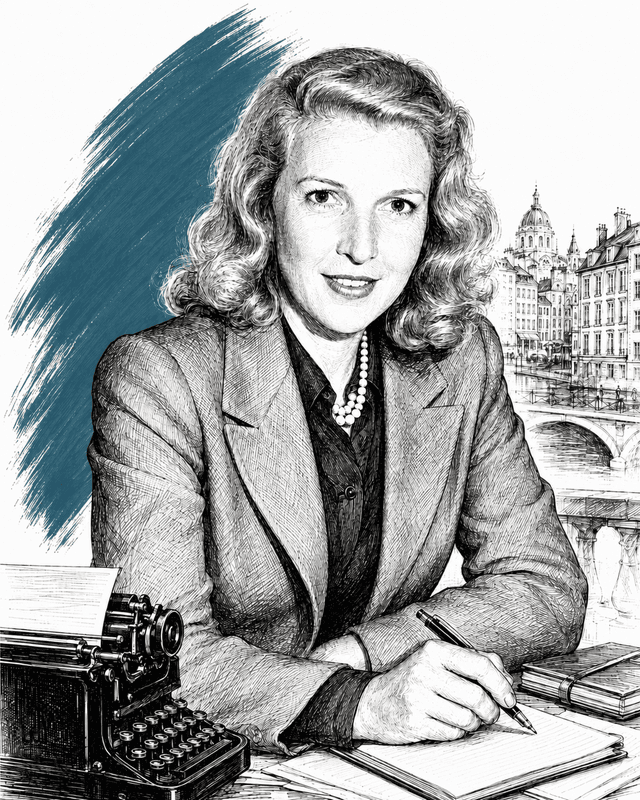
Martha Gellhorn
War correspondent who covered the Spanish Civil War, D-Day, and conflicts across five more decades; Hemingway's third wife, 1940–1945.
View author