
Vera Wassilijovna
Vera is Wassilij’s daughter and a representative of the younger Soviet generation shaped by official language.
The book

Who they are in the book
Spoiler-freeVera is Wassilij’s daughter and a representative of the younger Soviet generation shaped by official language. She accepts the prosecution’s version of Rubashov and presses her father to respond correctly. Her fate is not given. Her role is to show how the regime’s narrative enters ordinary homes and separates generations.
If you like Darkness at Noon


If you like Arthur Koestler
Explore authors with a similar voice, perspective, and influence.
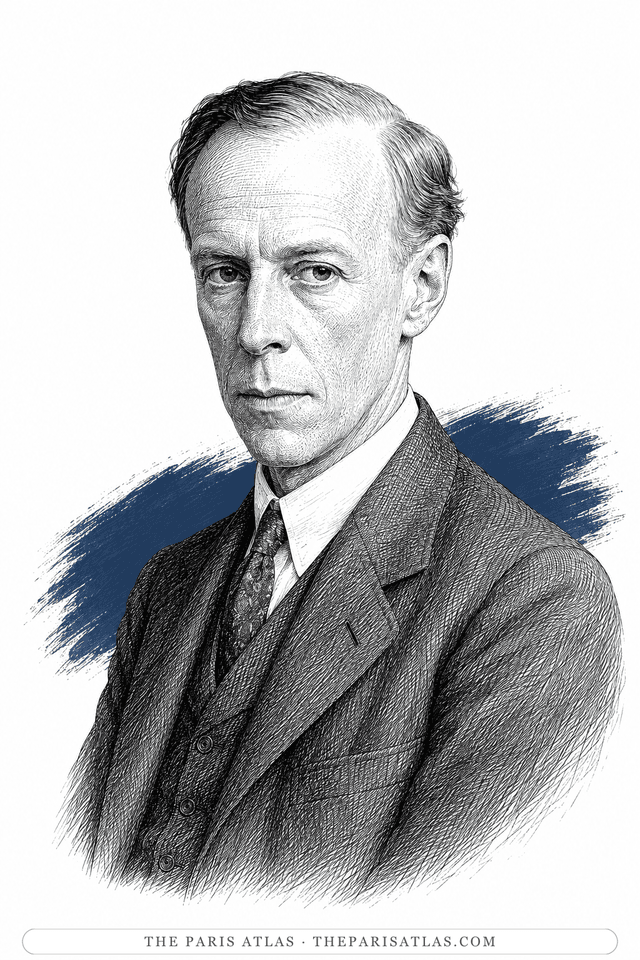
Sinclair Lewis
American novelist who satirised small-town conformity in Main Street and Babbitt, refused the Pulitzer Prize in 1926, and in 1930 became the first American to win the Nobel Prize in Literature.
View author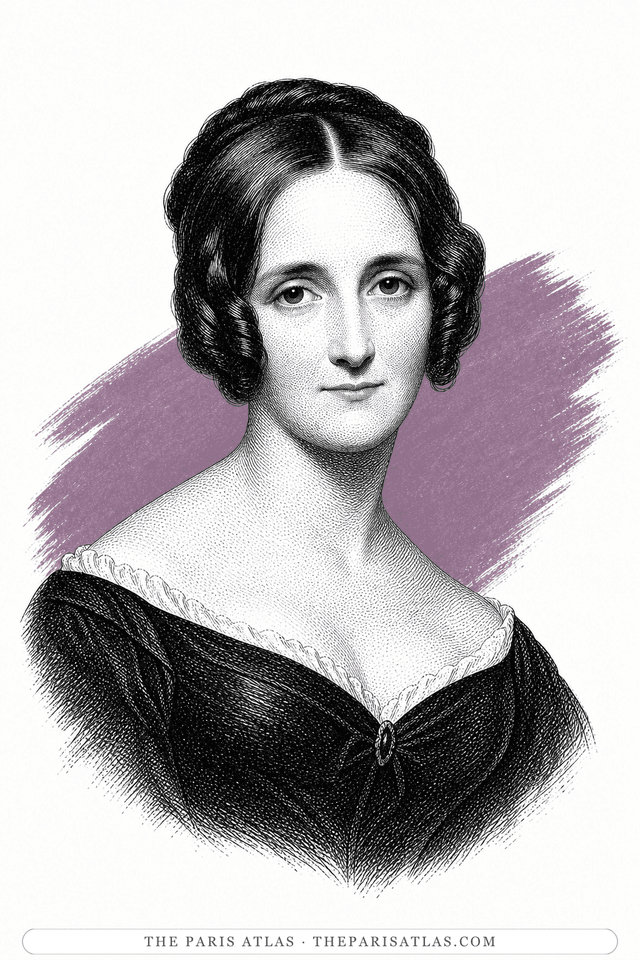
Mary Shelley
The author of Frankenstein, who first saw Paris at sixteen as a runaway. In the summer of 1814 she crossed from England to Calais with the poet Percy Bysshe Shelley and her stepsister Claire Clairmont, spent a week trapped in an expensive Paris hotel with no money, then bought a donkey and walked south-east across a France still wrecked by the Napoleonic wars. That journey became her first published book. Two years later, on a lake in Switzerland, she began her second.
View author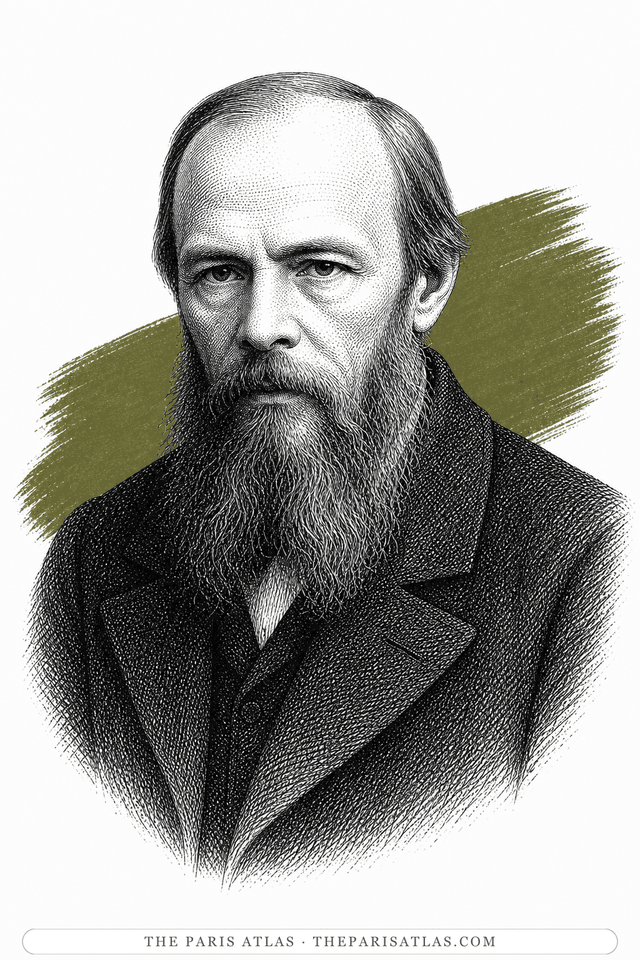
Fyodor Dostoevsky
The Russian novelist who came to Paris twice in the 1860s, hated it with unusual precision, and wrote the result up as Winter Notes on Summer Impressions, a short, savage account of the French bourgeoisie that stands as the sharpest case ever made against the city by a writer passing through it.
View author