
Animal Farm
Both show power changing language until violence becomes administrative necessity and loyal citizens help repeat the official story.
Read our take
by Basma Abdel Aziz
An endless queue waits before a bureaucracy that controls permits, medicine, information, and official reality.
After a failed uprising, the Gate governs daily life while citizens wait for permission and official truth drifts further from what everyone can see.
Yehya Gad el-Rab Saeed is an ordinary sales representative who makes the mistake of watching a public uprising from the edge of the crowd. Security forces shoot him, leaving a bullet lodged in his pelvis. Removing it should be a medical decision. Instead, the bullet becomes political evidence, and doctors are forbidden to operate without permission from a mysterious authority known as the Gate.
The Gate controls permits, records, employment, medicine, and the official account of what happened during the uprising, now called the Disgraceful Events. It never opens. Yehya joins the enormous line outside with his friend Nagy and waits for authorization that may save his life. Around them, the queue develops businesses, arguments, religious meetings, romances, rivalries, and its own exhausted daily routine.
Basma Abdel Aziz turns waiting into a form of government. The novel is set in an unnamed Middle Eastern city, but its bureaucracy, surveillance, propaganda, and medical intimidation draw closely on the political atmosphere of post-revolutionary Egypt. The story remains painfully human because nobody begins as a heroic rebel. People resist, conform, bargain, preach, investigate, and look away in small decisions while Yehya’s body records a truth the state needs everyone to deny.
After the failed uprising known officially as the Disgraceful Events, a new center of authority called the Gate takes control of public life. Yehya, a thirty-eight-year-old sales representative who was not an organizer, is shot after stopping to watch the unrest. Dr. Tarek Fahmy treats him at a hospital and sees the bullet in his pelvis. Before Tarek can remove it, a military doctor takes the X-rays and the hospital’s imaging equipment disappears. The Gate issues a rule forbidding doctors from extracting bullets without official permission.
Tarek closes Yehya’s wound and tells him to obtain a permit. He knows delay may be fatal but is terrified of investigation and losing his career. Yehya and his closest friend, Nagy, join the line outside the Gate. Yehya’s girlfriend Amani tries to find another route to treatment. Each attempt produces another requirement: proof of injury, a medical document, approval to request the document, and eventually a Certificate of True Citizenship. The Gate remains shut while the rules multiply.
Tarek repeatedly opens Yehya’s medical file in private. New documents appear even though the folder is locked in his office. The additions do not simply describe symptoms. They evaluate Yehya’s personality, movements, conversations, and supposed political attitudes. Sabah, a nurse who has known Tarek for years, contributes information under orders from the Gate and watches his growing obsession with the case. The medical record becomes both surveillance file and rewritten history.
The queue grows into a long temporary city. Ines, a schoolteacher, needs a loyalty certificate after praising a student essay that criticized living conditions. Shalaby wants official recognition and compensation for his cousin Mahfouz, a member of the Quell Force killed during the unrest. Ehab, a journalist, keeps investigating what happened even as his newspaper becomes more obedient. Um Mabrouk arrives seeking medical permission for her sick daughters. One dies after treatment is delayed, and Um Mabrouk eventually opens a tea and coffee stall that becomes a center for news and mutual help.
Ehab discovers surveillance transcripts among Um Mabrouk’s papers, including private remarks Ines made while arguing with Shalaby. The discovery reveals that mobile phones distributed through Violet Telecom are recording people. A short-haired woman in the queue organizes a boycott and speaks openly about privacy and justice. A conservative man in a galabeya opposes her, delivers religious lessons, supports the Gate’s decrees, and defends Violet Telecom. The High Sheikh issues religious rulings that turn obedience to the Gate and support for the company into moral duties.
A second outbreak of unrest reaches the queue. Armed participants briefly hold part of the line hostage, hoping to force wider support, but bus drivers and people inside the captured group turn against them. The challenge collapses. The Gate responds by tightening restrictions and centralizing medical equipment at Zephyr Hospital. Yehya and Nagy search for Mrs. Alfat, the head nurse who might help recover the missing X-ray, but she disappears before they can reach her.
Amani decides to enter Zephyr Hospital and find the evidence herself. She is caught, questioned, and held in complete darkness. Her captors pressure her to accept the official claim that no security forces fired on citizens and that the events people remember were something else entirely. When Amani returns, she is traumatized, isolated, and initially unable to act like the determined woman who left. She repeats the state’s explanations and avoids her friends, although later contact with Yehya suggests that part of her resistance has survived.
The Gate repeatedly revises its story. At one point, newspapers blame hostile foreigners for the violence; later, the account changes again. Ehab’s critical work is censored. Ines becomes terrified that her recorded remarks will be used against her. She adopts increasingly conservative behavior, joins the man in the galabeya’s religious circle, accepts his marriage proposal, and leaves the queue. Shalaby’s loyalty also breaks when his hometown floods and the Gate blames citizens rather than help them. Even a man who built his identity around official heroism discovers that obedience offers no protection.
Yehya’s health continues to deteriorate while the file records his decline in bureaucratic language. Tarek stops sleeping and can no longer convince himself that following procedure is medically neutral. He decides to operate illegally at Nagy’s apartment. Before leaving, he discovers that Yehya’s file is no longer receiving updates. He adds a final sentence of his own, closes the folder, and rises. The novel ends before readers learn whether he reaches Yehya in time.
Tarek’s decision to operate comes after a long period of fear and self-justification. He has spent most of the novel insisting that the Gate, not he, is responsible for the delay. By the final pages he understands that obedience has made him part of the harm. He prepares to leave the hospital and perform the surgery outside the system, despite surveillance and the risk to his career.
The final medical document states that Yehya spent a long stretch of his life in the queue. The wording does not clearly establish whether he has died, disappeared, or simply stopped being tracked. Tarek notices that the official file has gone silent, writes into it himself, closes it, and stands up. Writing becomes his first direct act against the record the Gate has been constructing.
The ending is intentionally unresolved. Basma Abdel Aziz has explained that some readers understood Yehya to be dead, while others believed Tarek might still reach him. She wanted both possibilities to remain open. The translator, Elisabeth Jaquette, also described working carefully to preserve the uncertainty of the Arabic verb tense rather than forcing a definite answer into English.
Hope survives elsewhere as well. Amani has been tortured and changed, but Abdel Aziz has said that she begins to improve and may resist again. Ehab continues to seek the truth, and Tarek finally chooses action. The Gate never opens, no decree is withdrawn, and no revolution triumphs. The novel ends with the smaller and more difficult possibility that people who have obeyed can still decide to stand up.
The Gate rarely needs to order Yehya’s death directly. It can demand a permit, remove an X-ray, relocate a machine, create a new certificate, and wait. Each administrative step appears smaller and more defensible than an execution, yet together they leave a bullet inside his body.
The novel makes paperwork material. Forms affect pain, infection, food, employment, medicine, and survival. A delayed document is not merely frustrating; it can become a weapon whose operator never has to see the person being hurt.
Yehya’s bullet proves that security forces fired on people. The state therefore treats the evidence as a greater threat than his injury. It confiscates images, alters records, and changes the public story until citizens are expected to distrust their own memories.
Yehya’s body cannot easily be edited. His worsening pain keeps contradicting the Gate. That makes the medical plot inseparable from the political one: removing the bullet might save him, but preserving it also preserves proof.
The queue appears passive, yet keeping people waiting requires constant political work. The Gate offers announcements, rumors, new requirements, and the possibility that it may open soon. Hope prevents departure. People organize their lives around a future decision that never arrives.
As weeks become months, the line begins to feel normal. Businesses and relationships make survival possible, but they also make permanent waiting easier to tolerate. The regime succeeds partly by turning emergency into routine.
Violet Telecom’s phones record conversations, Sabah adds information to a medical file, and private remarks return as official evidence. Surveillance matters before anyone is arrested because people begin editing themselves. Ines’s transformation shows fear working inside a person until the state no longer needs to issue every command.
The file also blurs medicine and policing. Tarek cannot tell who is reading, adding, or controlling the documents in his office. His professional language becomes a channel through which surveillance acquires the appearance of neutral expertise.
The Gate does not rule alone. The High Sheikh supplies religious justification. The man in the galabeya repeats it to the queue. Violet Telecom turns surveillance into a popular service and receives patriotic support. Newspapers spread revised accounts.
These institutions allow domination to appear social rather than merely governmental. The man in the galabeya has personal reasons to defend the telecom company, and ordinary listeners reproduce the Gate’s claims. Authority becomes strongest when many people gain status, safety, or profit from carrying it into daily life.
Tarek knows what Yehya needs. His conflict is not ignorance but fear. He tells himself that a doctor cannot be blamed for obeying a rule backed by an all-powerful institution. The novel keeps returning to the point at which professional caution becomes complicity.
Amani takes the risk Tarek avoids and pays terribly for it. By the time he chooses to act, it may be too late. Abdel Aziz does not offer courage as a clean identity; she shows it as a decision that can be delayed, damaged, and still made.
The queue creates both solidarity and pressure. Um Mabrouk feeds people and gives activists space. Ehab shares information. Nagy cares for Yehya. The short-haired woman organizes collective action. The same community also spreads sermons, shames dissenters, and watches Ines retreat into conformity.
Resistance in the novel is rarely grand. It appears as a document recovered, a leaflet written, a shop kept open to the wrong people, a question asked, or a sentence added to a file. Those acts do not defeat the Gate, but they prevent its version of reality from becoming the only one.
Abdel Aziz writes in a plain, controlled style that borrows the cold tone of medical records and official announcements. Each of the novel’s six parts opens with material from Yehya’s file. Clinical language records a human body while quietly turning the patient into a political subject. The contrast is often darkly funny: regulations grow more elaborate as the obvious problem becomes harder to name.
The narration moves among Yehya, Tarek, Amani, Nagy, Ehab, Ines, Shalaby, Um Mabrouk, and the larger crowd. This roaming viewpoint prevents a single heroic story from taking over. Elisabeth Jaquette’s English translation is lucid and deliberately restrained, preserving the overlap between bureaucratic prose and medical prose. The unnamed city, coded political phrases, and unnamed figures such as the short-haired woman make the world broadly recognizable, but the details remain rooted in Egyptian speech, institutions, gender expectations, and the aftermath of the 2011 uprising.
The Arabic novel was first published in 2013 by Dar al-Tanweer under the title al-Ṭābūr, meaning “the queue.” English references use several romanizations, including Al-Tabur and Al-Tabuur; these spelling differences do not indicate separate works. When building edition records, the Arabic script, publisher, year, and country are more reliable identifiers than romanization alone.
Melville House published Elisabeth Jaquette’s English translation in 2016. Her version is the standard English-language edition and received an English PEN Translates Award before publication. It was later shortlisted for the Translators Association First Translation Prize and longlisted for the Best Translated Book Award. Because official phrases, medical language, and the ambiguity of the final tense are central to the book, the translator should be displayed prominently on any English edition card.
Mulberry Films acquired film rights in 2016. The rights announcement did not establish a director, cast, production schedule, or release date. No completed film or television adaptation was identified in the sources reviewed through September 2026. this remains an optioned or announced project rather than an existing screen adaptation.
The novel itself should also be kept distinct from other works called The Queue, especially Vladimir Sorokin’s Russian novel. The shared English title does not indicate adaptation or narrative connection.
Like Animal Farm, its comedy becomes frightening once absurdity proves to be the mechanism of control.
Waiting for permission turns ordinary needs into unresolved problems that govern the characters’ lives.
The gap between what people see and what authority permits them to say gives the novel its central tension.

Yehya is a thirty-eight-year-old sales representative and the injured man around whom the story turns.

Tarek is the emergency physician responsible for Yehya’s case.
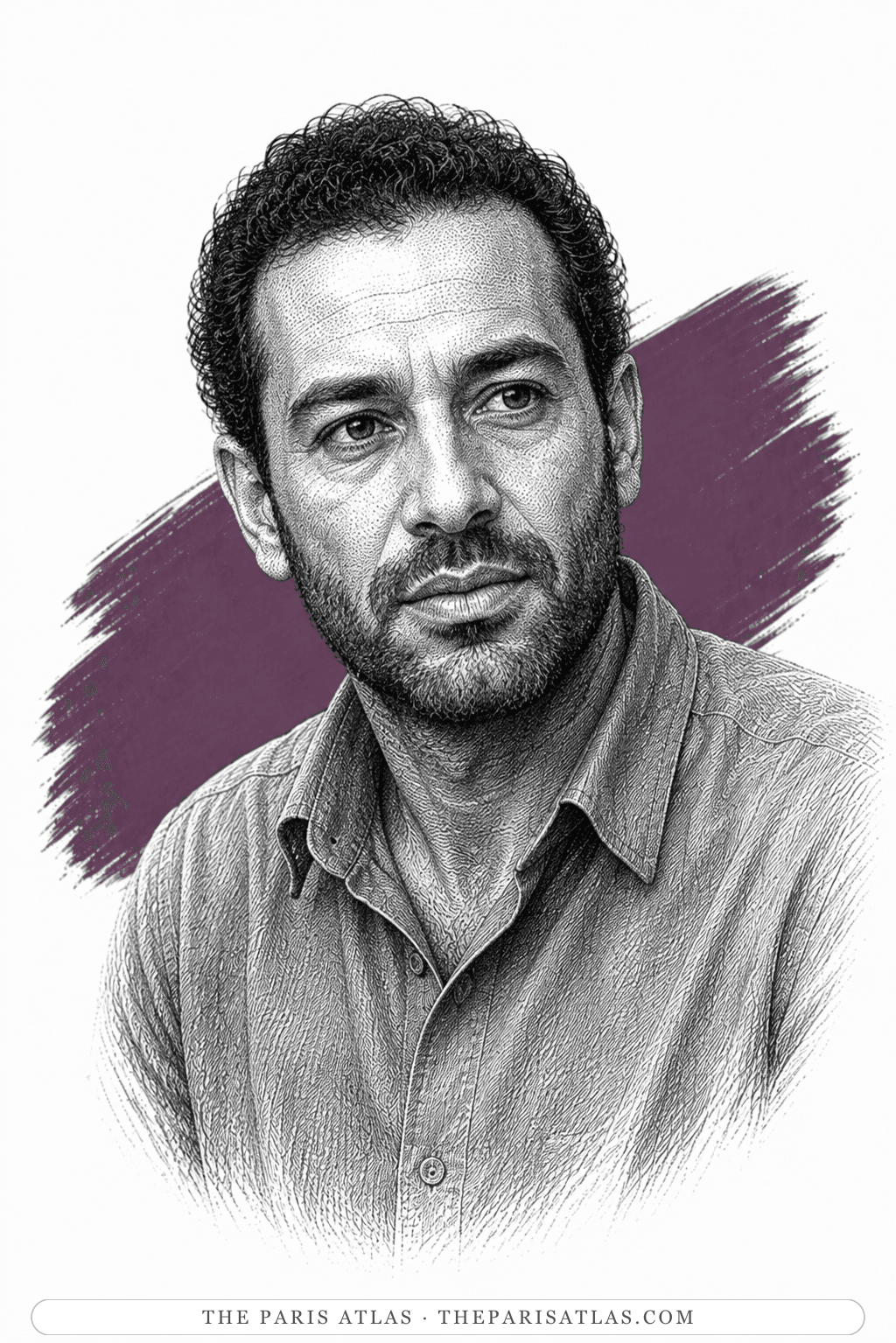
Nagy is Yehya’s closest friend and the person who most consistently stays beside him.
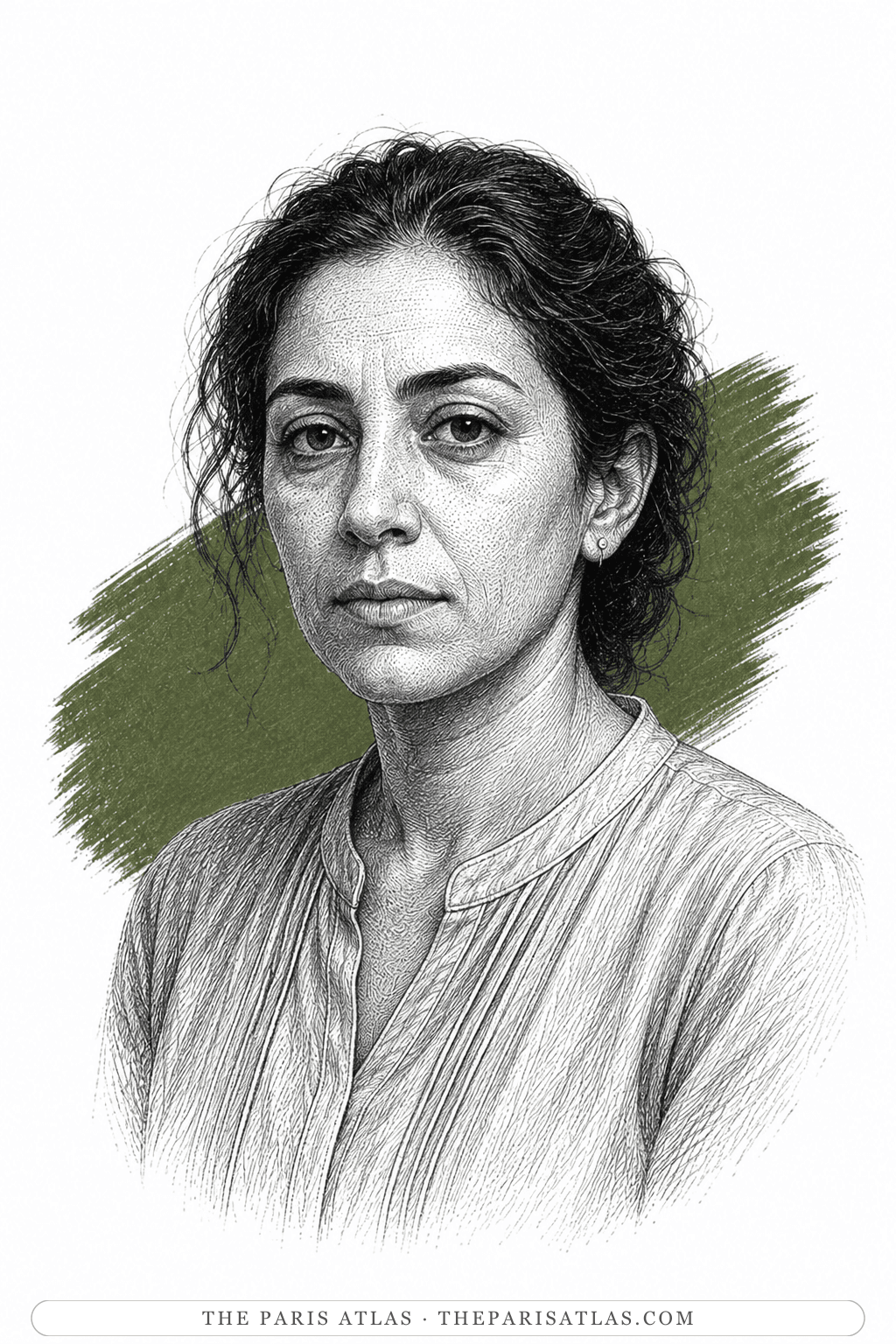
Amani is Yehya’s girlfriend and the most willing of his friends to take direct risks.
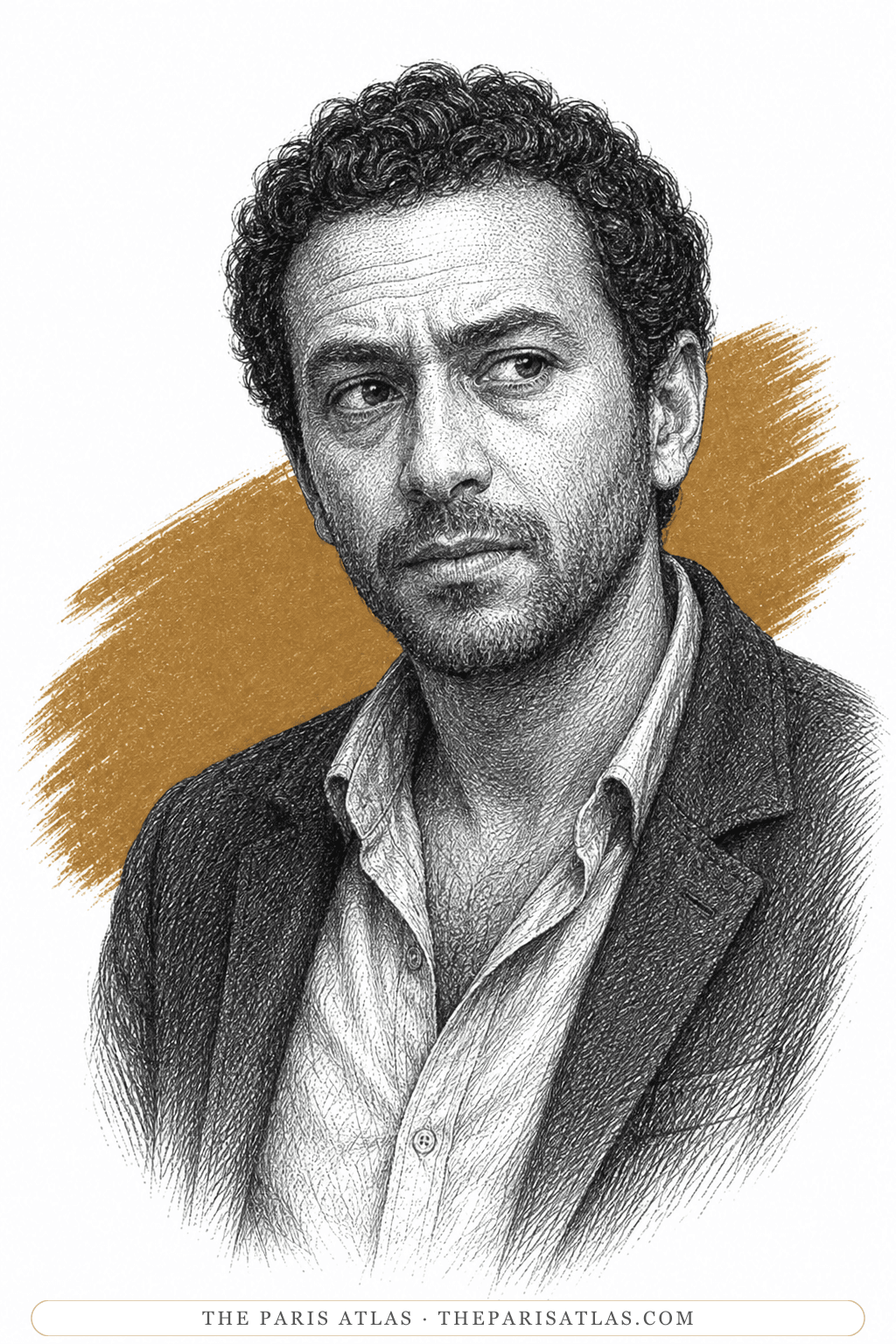
Ehab is a journalist who waits in the queue while investigating the state’s changing story.
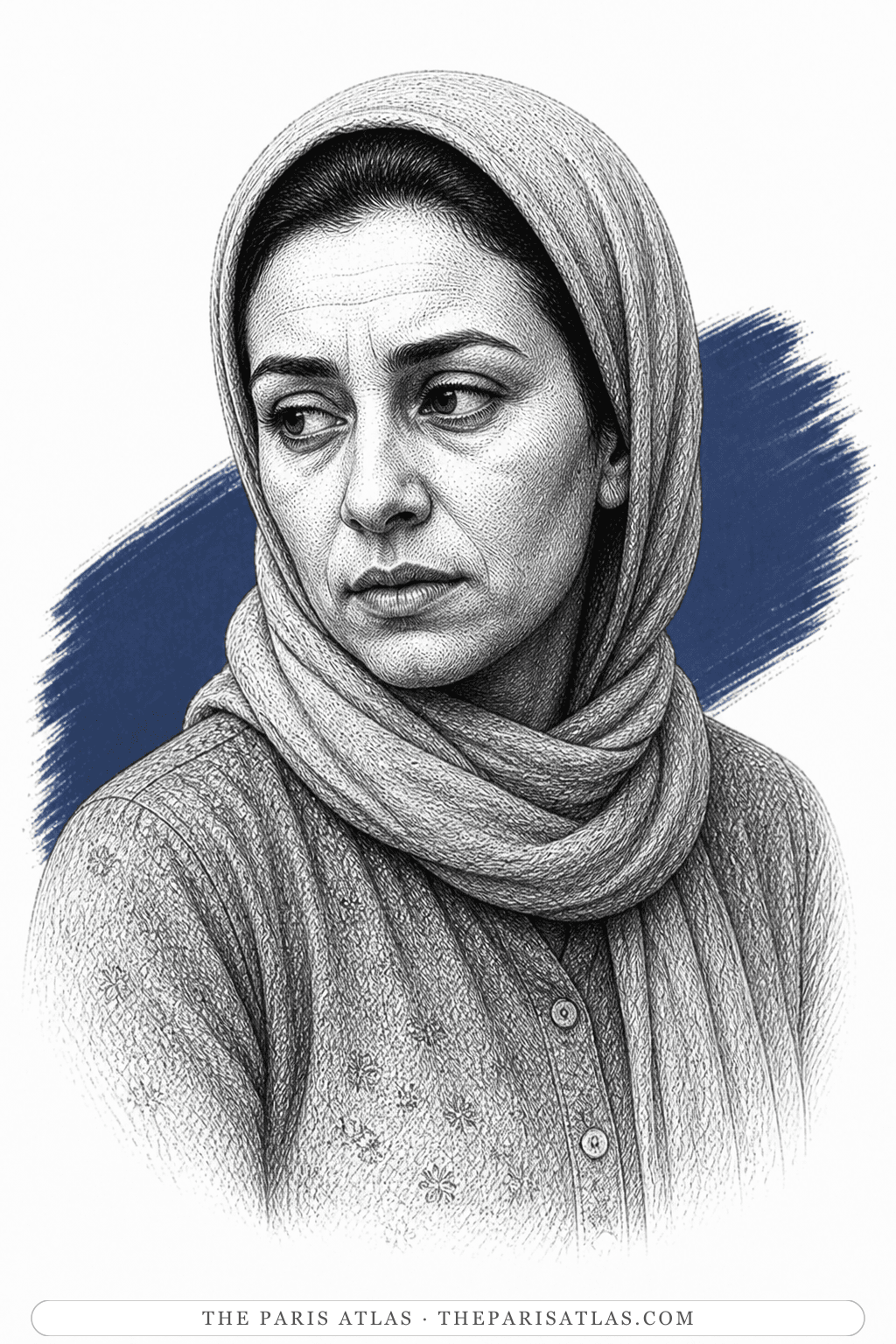
Ines is a schoolteacher required to obtain a Certificate of True Citizenship after praising a student’s critical essay.
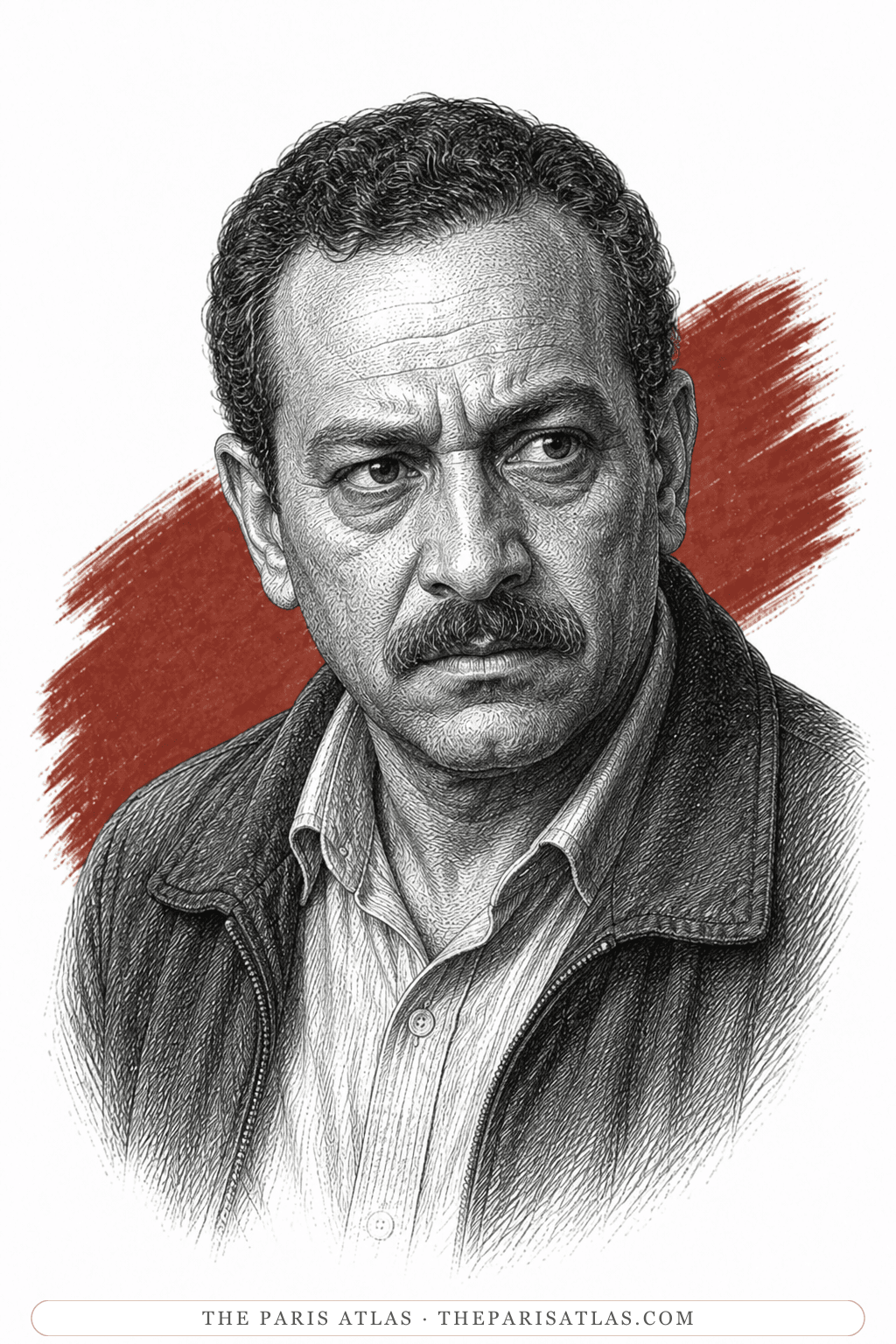
Shalaby is a loyal citizen seeking official recognition for his dead cousin Mahfouz, a member of the Quell Force.
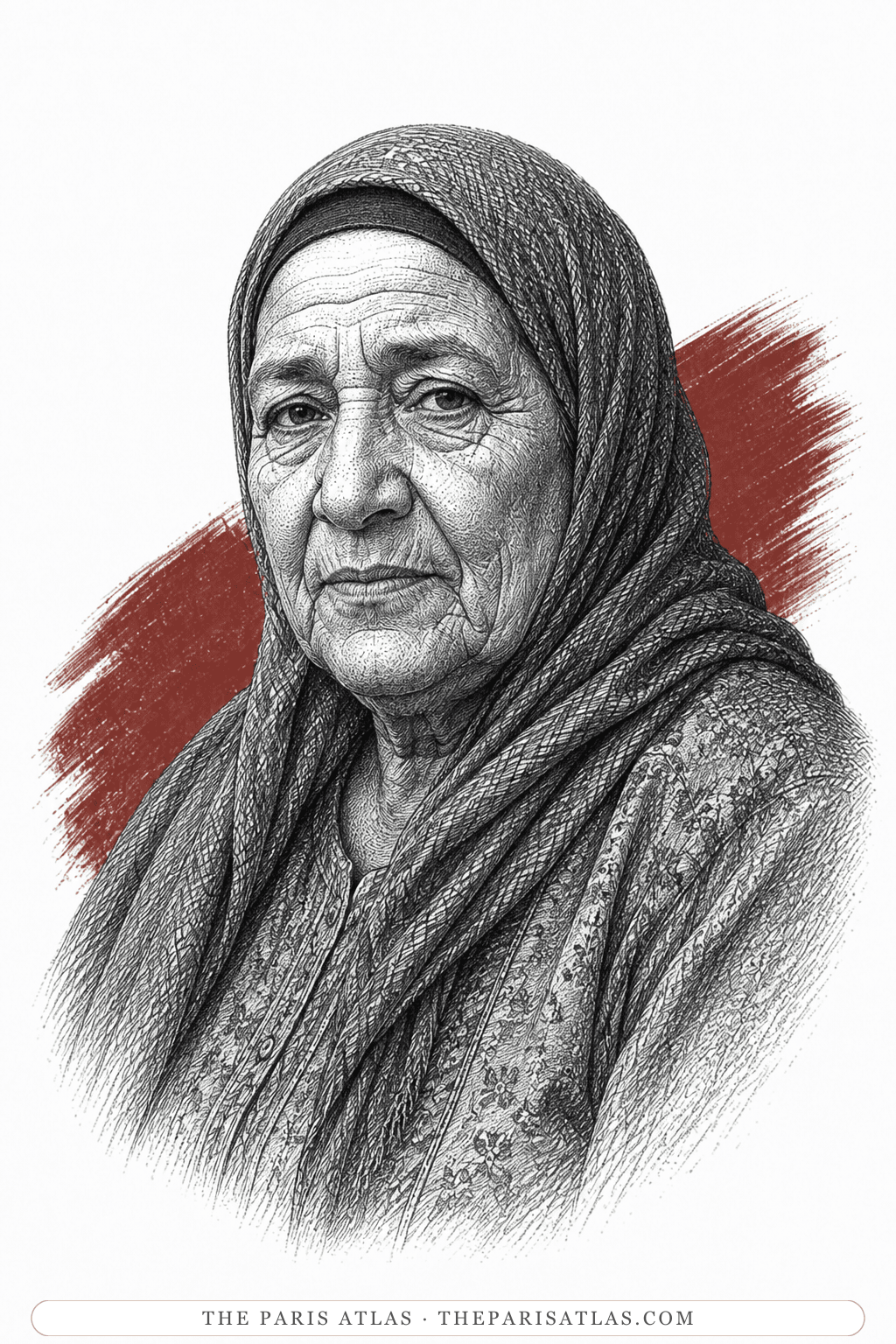
Um Mabrouk is an older working-class woman who once served Amani’s family.
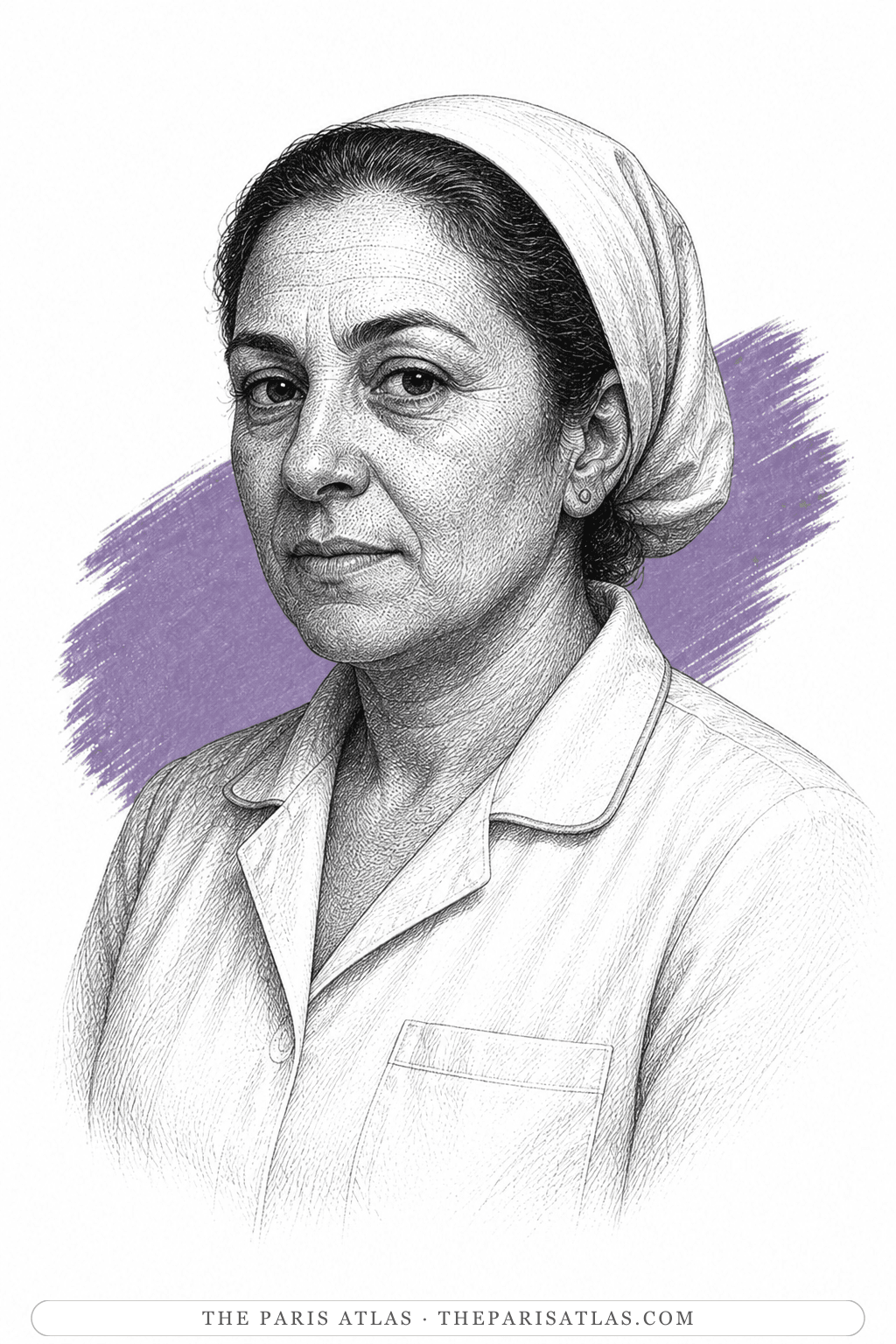
Sabah is a nurse who has known Tarek since his early medical career.
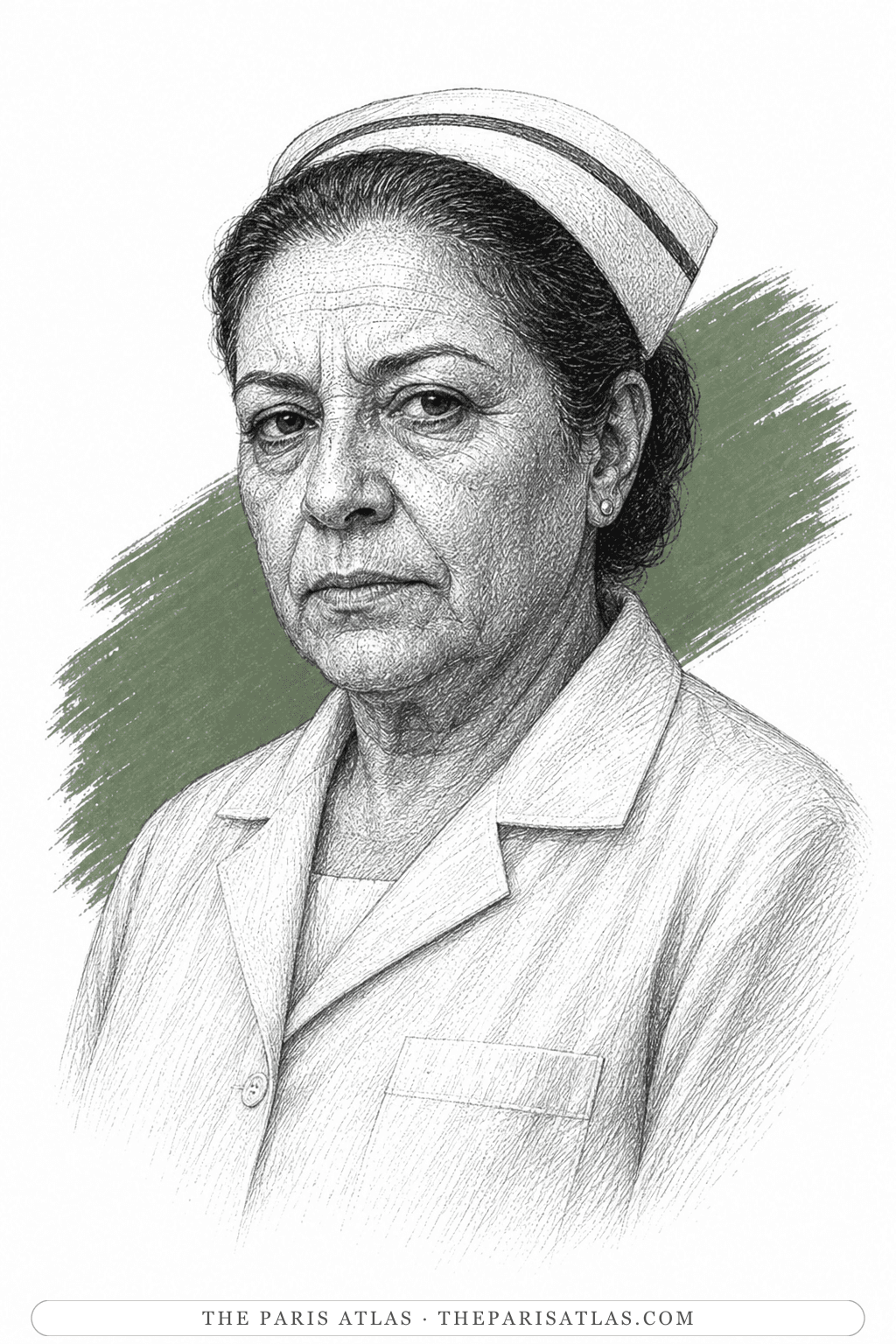
Mrs.

The short-haired woman is an unnamed organizer in the queue who argues openly for justice and privacy.

The man in the galabeya is an unnamed conservative preacher who builds authority inside the queue.
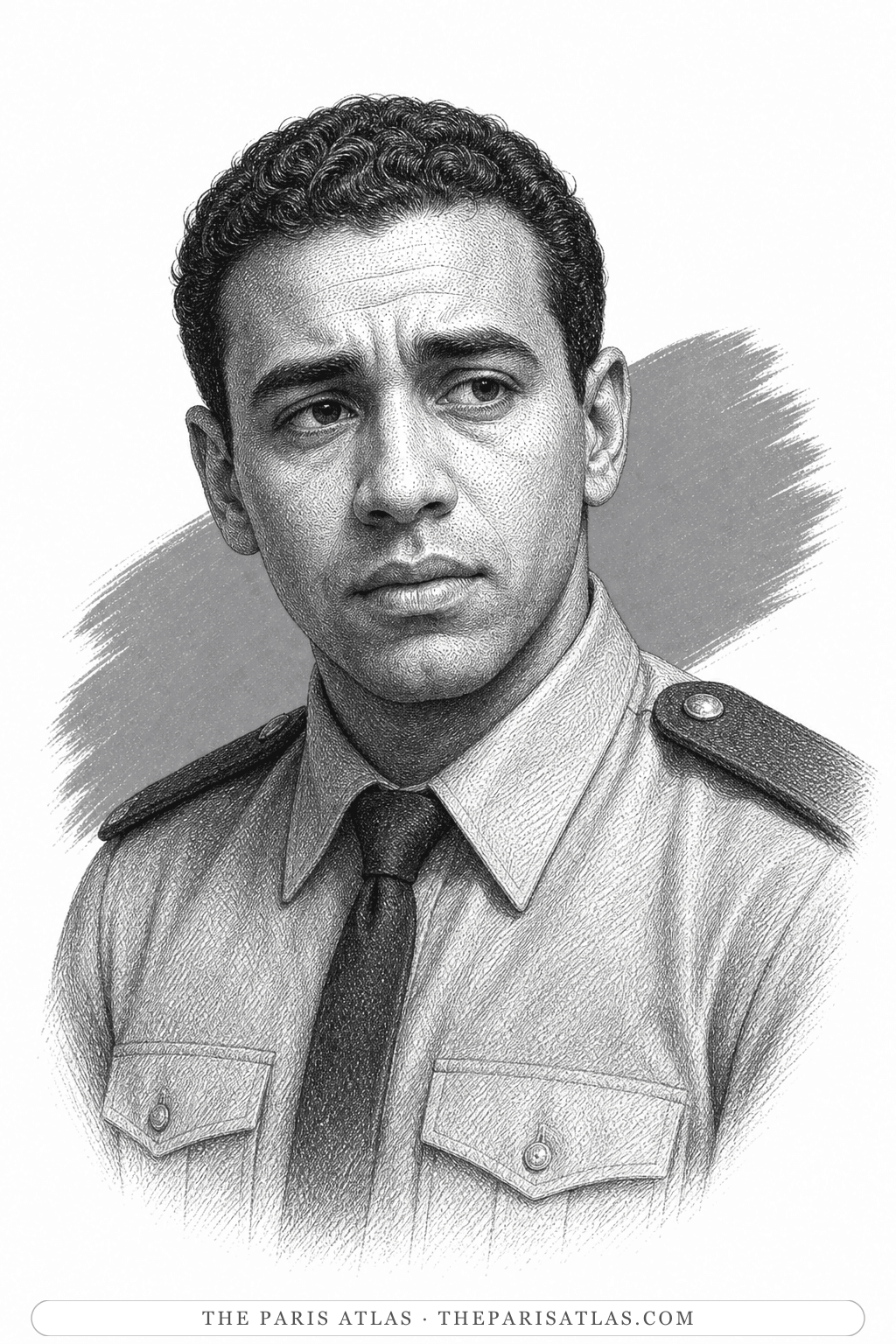
Mahfouz is Shalaby’s cousin and a member of the Quell Force who dies during the Disgraceful Events.

The High Sheikh is a powerful religious authority whose rulings support the Gate and Violet Telecom.
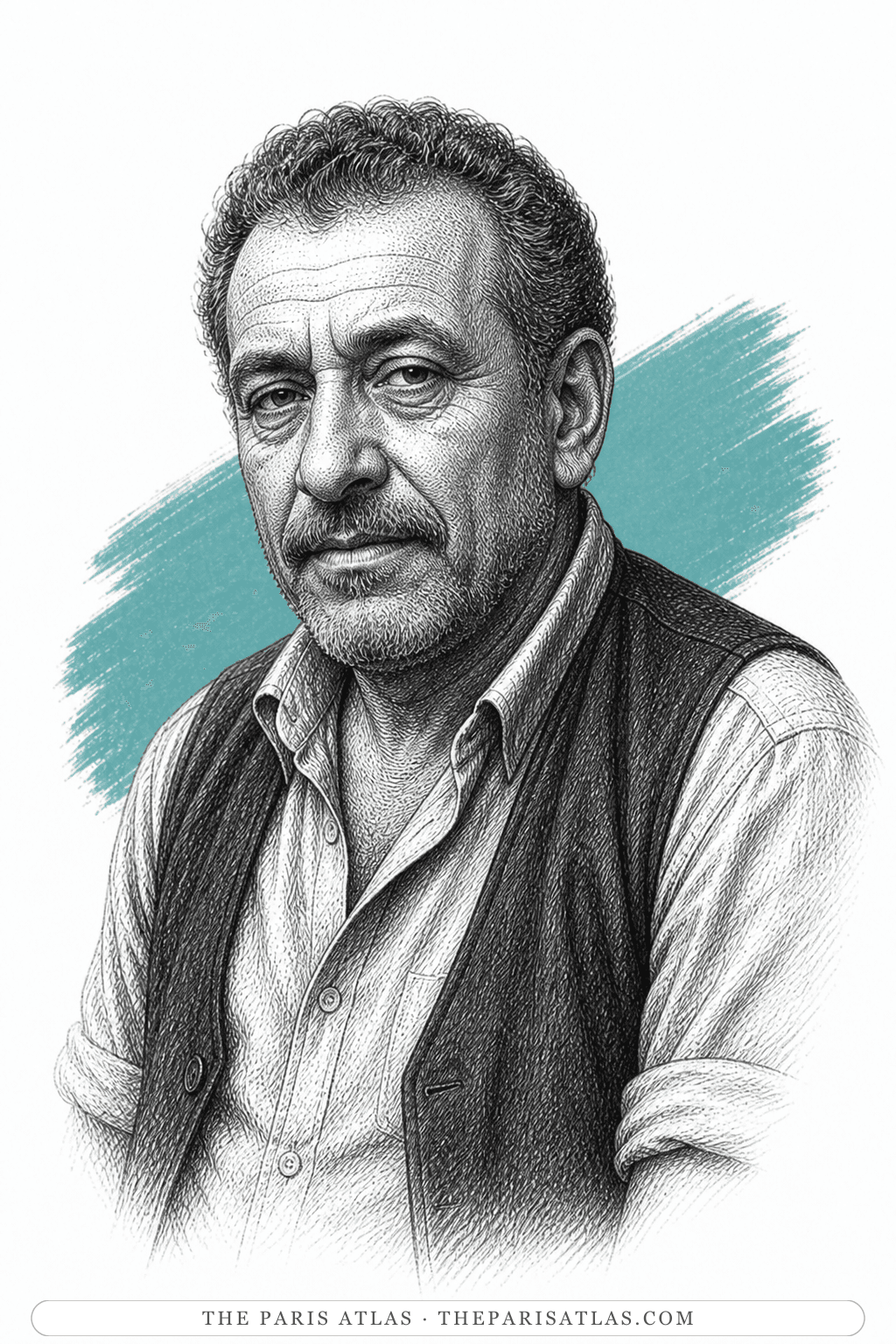
Hammoud runs a coffee shop that initially serves people in and around the queue.
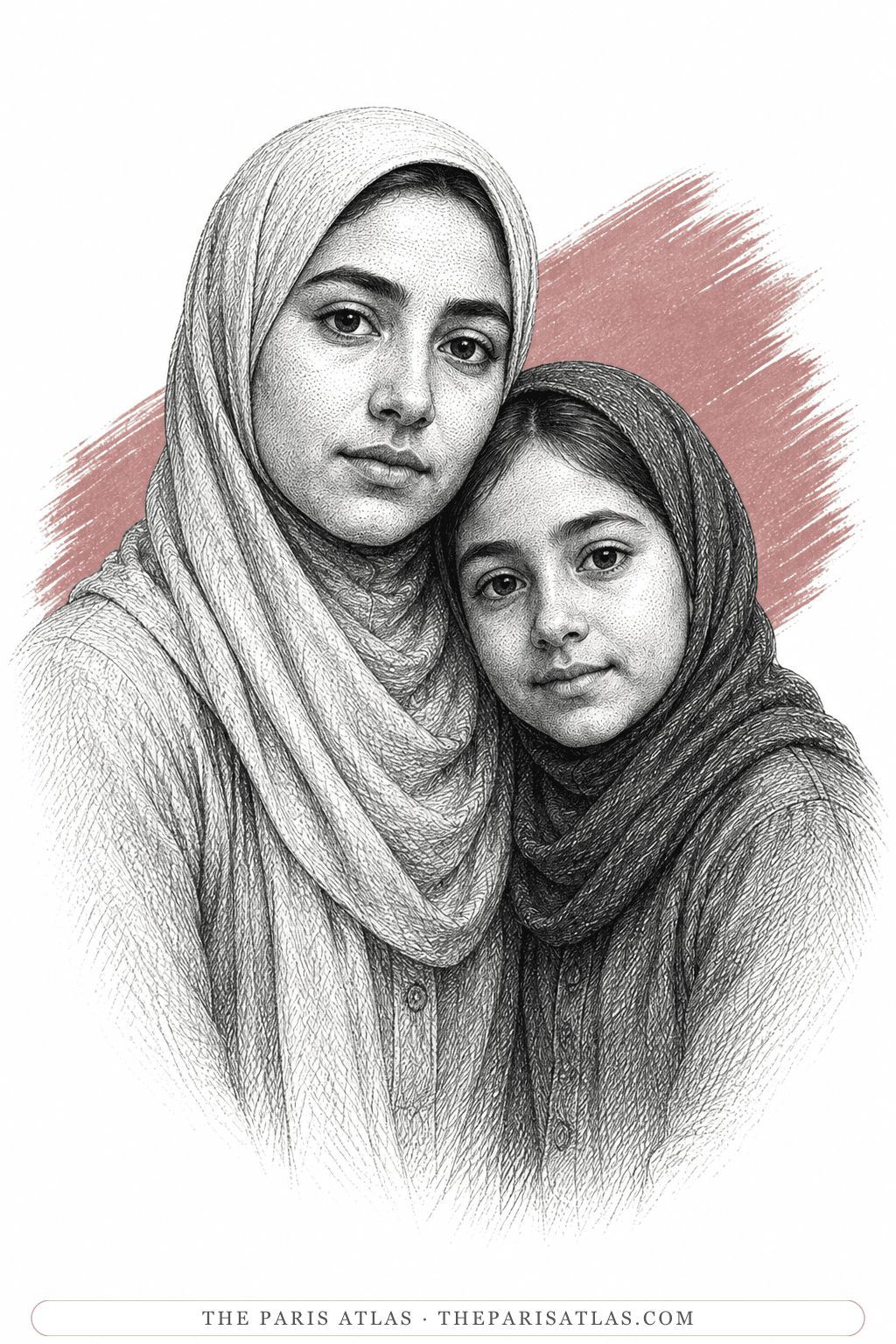
Um Mabrouk’s daughters are not developed as independent viewpoint characters, but their medical needs explain why their mother joins the queue.
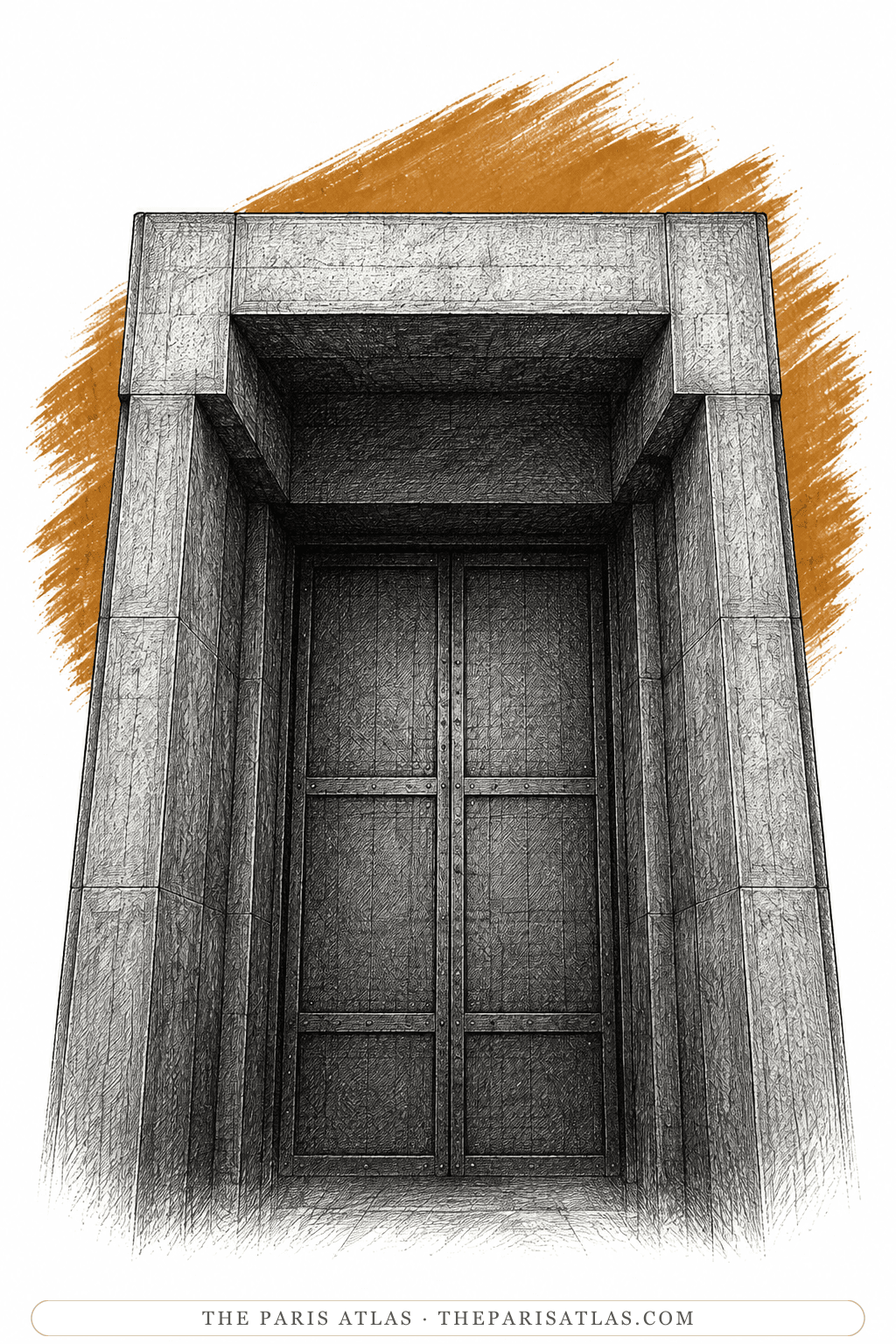
The Gate is an institution rather than a human character, but it functions as the novel’s central antagonist.
2012
Basma Abdel Aziz begins writing the novel after seeing a stationary queue outside a closed government office in downtown Cairo.
2013
Dar al-Tanweer publishes the Arabic original, al-Ṭābūr (الطابور), in Cairo.
2014
Elisabeth Jaquette’s translation receives support from English PEN’s PEN Translates program.
2016
Melville House publishes Jaquette’s English translation on May 24.
2016
Mulberry Films acquires screen rights to the novel.
2017
The English translation is longlisted for the Best Translated Book Award and shortlisted for the Translators Association First Translation Prize.
2022
Abdel Aziz discusses the deliberately open ending and the novel’s “here and now” political setting in World Literature Today.
Both show power changing language until violence becomes administrative necessity and loyal citizens help repeat the official story.
Read our take
Both follow people trapped by procedures whose authority cannot be reached or argued with, though The Queue builds a whole public community around the waiting.
Read our take
One woman remembers freedom while authoritarian rules become ordinary through repetition, fear, and religious language.
Read our take
Orwell’s state rewrites archives and memory; Abdel Aziz places the same struggle inside hospital files, newspapers, telephones, and a bullet that will not disappear.
Read our take
Each novel shows political control entering private speech and the body, but Abdel Aziz’s city feels closer to recognizable contemporary bureaucracy than engineered futuristic order.
Read our takeSorokin’s 1983 Russian novel also centers on an apparently endless line, but it is a separate book with different characters, politics, and form.
Read our takeThe city and country are deliberately unnamed. The political language and social details draw strongly on Egypt after the 2011 revolution, but Abdel Aziz wanted the system to be recognizable beyond one nation. She has described the novel as a book about the present rather than a prediction of a distant future.
He was not leading the uprising. He stopped to watch the Disgraceful Events from a distance and was caught in the security forces’ violence. His ordinary status matters because the state does not need a person to be a dissident before treating his body as a political problem.
The Gate requires official permission to extract bullets. Removing Yehya’s bullet would preserve proof that security forces used live ammunition, contradicting the official account. The rule turns a medical procedure into a question of state secrecy.
No. It issues announcements and new requirements, but the building remains closed. The possibility that it may open soon is enough to keep people waiting.
The novel does not settle the question. Some readers understand the final medical notation as confirmation of death; others believe Tarek may still reach him. Abdel Aziz has explicitly said she intended the ending to remain open.
Authorities capture her when she enters Zephyr Hospital seeking Yehya’s X-ray. They imprison and psychologically torture her in darkness. She returns traumatized and initially repeats the state’s false account, but later signs of connection and the author’s own comments indicate that her capacity for resistance is not gone.
They represent recognizable social positions, but they are not empty symbols. Each takes specific actions and builds influence inside the queue. Their descriptive names also fit a society where official documents know intimate details while ordinary people can remain publicly reduced to appearance or clothing.
The company distributes phones that are used for surveillance. The short-haired woman organizes a boycott, while the man in the galabeya and the High Sheikh defend the company in patriotic and religious terms. The plot shows private business, state security, and moral authority reinforcing one another.
It is commonly marketed as dystopian and compared with Orwell and Kafka. Abdel Aziz has said she did not imagine it as a futuristic dystopia, because the mechanisms it depicts belong to the political present. “Dystopian realism” may describe the effect more accurately: the world is exaggerated, but not safely remote.
The Gate has used the medical file to observe Yehya and rewrite the meaning of his injury. By adding his own sentence, Tarek stops treating the record as untouchable authority. The act is small, but it accompanies his decision to operate and marks his movement from fearful compliance toward resistance.
Explore authors with a similar voice, perspective, and influence.
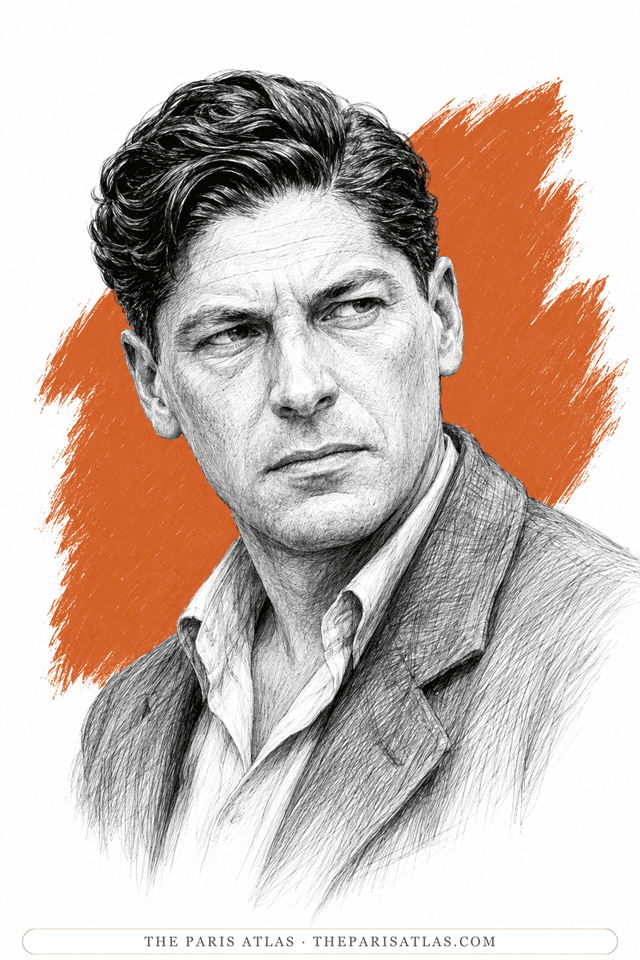
Hungarian-British novelist and essayist whose fiction examined revolution, ideology, imprisonment, and political disillusionment.
View author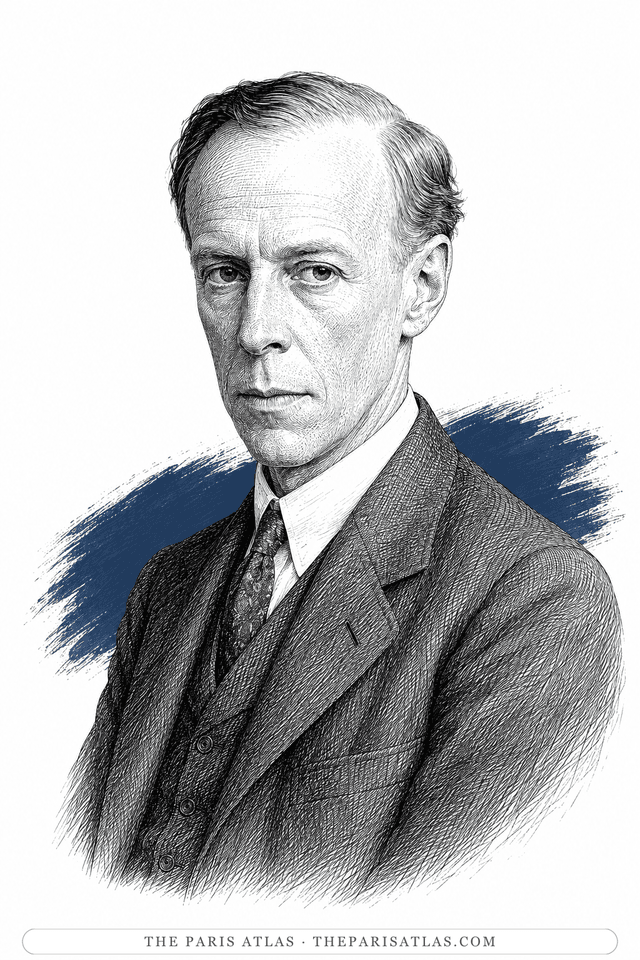
American novelist who satirised small-town conformity in Main Street and Babbitt, refused the Pulitzer Prize in 1926, and in 1930 became the first American to win the Nobel Prize in Literature.
View author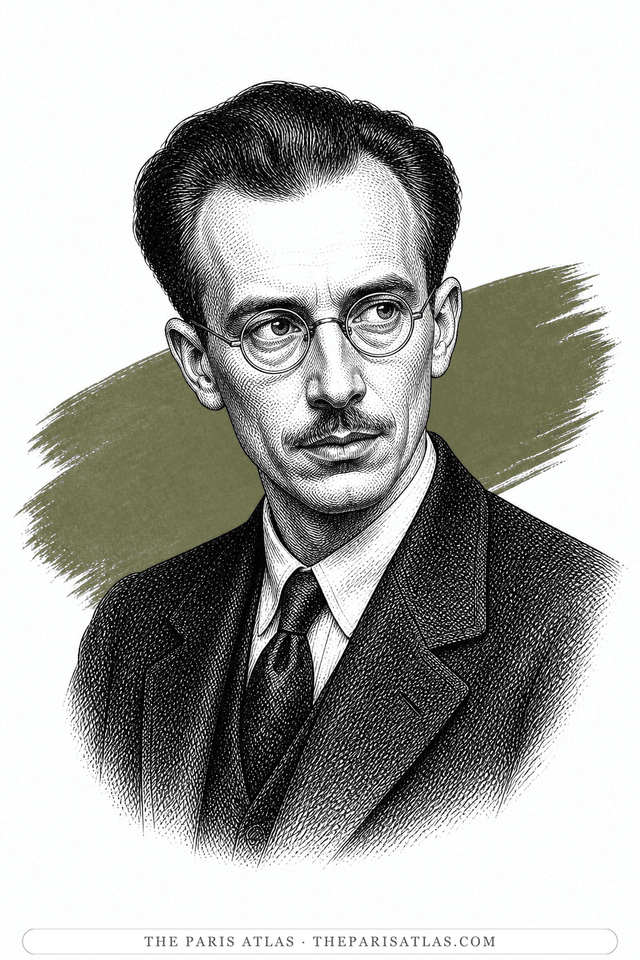
English novelist of Brave New World, which he wrote not in Paris but on the Mediterranean coast at Sanary-sur-Mer. His French years ran from a rented house at Suresnes on the western edge of Paris, where he pushed the dying D. H. Lawrence towards the city's presses, to seven years on the Riviera; he then left for California, wrote the best-known modern account of taking mescaline, the hallucinogenic drug made from the peyote cactus, and died on the day President Kennedy was shot.
View authorThe sources below include the primary text, editions, scholarship, archival materials, and other records that informed this page. They document The Queue, its publication, and its place in literary history.


Open Library ISBN catalogue used to verify the title, ISBN, and publication metadata.
Google Books catalogue record used to cross-check the title and edition metadata.
Internet Archive ISBN catalogue used to cross-check the edition and its availability in library holdings.
Library of Congress books catalogue used to cross-check the bibliographic record by ISBN.

Melville House publisher page; verifies the English edition date, translator, length, premise, and publisher description of the novel’s dark humor and authoritarian themes.
Google Books bibliographic record; verifies the May 24, 2016 English publication, Melville House imprint, translator, and page count.
Translator’s official page; verifies the English translation, PEN Translates support, translation-prize recognition, and critical discussion of Jaquette’s style.
Translator’s announcement; verifies the 2014 English PEN award supporting the translation.
Ahram Online publication notice; verifies the 2013 Arabic edition from Dar al-Tanweer and Abdel Aziz’s debut-novel context.
Author essay; verifies that Abdel Aziz began the book in September 2012 after observing an unmoving queue outside a closed Cairo government building.
Author interview; verifies that the setting was intended as “here and now,” that the ending is deliberately open, and that Amani, the journalist, and the doctor carry possibilities of hope.
Authorized translated excerpt; verifies Tarek, Sabah, the medical file, missing X-rays, and the prose of the English translation.
Roundtable with translator Elisabeth Jaquette; verifies translation choices around the ambiguous ending, the final action of rising, Egyptian political language, and women’s varied roles in resistance.
University translation-program review; verifies the bullet/permit structure, surveillance plot, short-haired woman’s boycott, and Best Translated Book Award context.
Award announcement; verifies the 2017 Best Translated Book Award longlisting.
Rights report; verifies Mulberry Films’ 2016 acquisition of screen rights.
Secondary plot and character cross-check; verifies the six-part medical-file structure and major event sequence. Use alongside author, translator, publisher, and excerpt sources.
Translation-focused review; supports the ensemble-character structure, Um Mabrouk’s role, and the novel’s handling of language and bureaucracy.
Review grounded in Egyptian political context; supports the treatment of propaganda, surveillance, the short-haired woman, and Um Mabrouk.
American University in Cairo Press author page; verifies Abdel Aziz’s background as an Egyptian writer, psychiatrist, and human-rights advocate.
The primary text is the baseline reference for every book page. Additional references document publication history, interpretation, and historical context where that evidence is available.
 Explore more resources