
The Diary of a Drug Fiend
Crowley’s more accessible novel balances drugs and romance with spiritual searching.
Read our take
A magical experiment turns pregnancy into the center of a war between occult factions, competing wills, and enormous egos.
Crowley turns ceremonial magic, occult societies, personal feuds, and spiritual theory into a sprawling struggle over Lisa la Giuffria and an unborn moonchild.
Aleister Crowley wrote Moonchild in 1917 and published it more than a decade later. The novel turns his world of ceremonial magic, occult societies, personal feuds, and spiritual theory into fiction.
At the center is Lisa la Giuffria, a young woman drawn into a magical experiment intended to produce a child whose nature will be shaped by lunar forces. Competing occult groups struggle over her and the unborn moonchild, turning pregnancy into the center of a metaphysical war.
Crowley’s fiction is sprawling, satirical, argumentative, and full of thinly disguised versions of people he knew. The novel is much less straightforward than The Diary of a Drug Fiend, but readers fascinated by Crowley’s worldview encounter far more of his actual magical theory here.
Lisa la Giuffria encounters figures connected to a magical order and becomes involved with Cyril Grey, an occult practitioner participating in an ambitious experiment.
The plan is to isolate Lisa from influences believed to interfere with the conception and development of a moonchild. Ritual, astrology, diet, environment, and mental discipline are treated as parts of a single magical program.
A rival magical faction opposes the experiment. The conflict is not merely physical; attacks occur through ritual, psychic influence, intrigue, and manipulation. Douglas and the woman known as Annie or A.B. hold the Black Lodge’s highest rank.
Simon Iff, an older magician and detective-like figure, becomes one of the book’s stabilizing intelligences. He observes the struggle with more humor and detachment than many of the zealots around him.
The experiment becomes harder as personal desire and magical rivalry collide. Crowley also uses the crisis to satirize the occultists around Lisa. The promised child matters less as a realistic infant than as a test of competing ideas about will and spiritual development.
The magical conflict reaches its conclusion without delivering a simple triumphalist occult fantasy.
The experiment’s outcome is entangled with Crowley’s larger ideas about will, discipline, and the danger of magical obsession. Not every character who claims spiritual authority proves capable of exercising it responsibly.
A girl is born as the wider European war begins, but the ending leaves Moonchild closer to occult satire and philosophical novel than to a conventional supernatural adventure.
Characters attempt to shape reality through disciplined intention, but the novel repeatedly distinguishes genuine will from ego. A person may speak in the language of mastery while remaining controlled by vanity or fear.
During lunch, Iff says his order wants Lisa to act freely, unlike the rival who would control her. Yet he also decides that she would despise the option of leaving, and postpones her request to know why she is in danger. Reassurance and authority occupy the same voice. Lisa is invited to choose before she fully understands the choice. This complicates the language of will: the people defending her freedom also set the terms on which she can exercise it.
Crowley satirizes magical groups that reproduce the same vanity, jealousy, and bureaucracy as ordinary institutions. Esoteric titles and rituals do not remove the ordinary struggle for status.
Lisa’s body becomes the site of other people’s metaphysical ambitions. The experiment makes control and agency unavoidable questions even when its participants describe their goal in spiritual language.
Many characters are satirical versions of real occult or artistic figures from Crowley’s world. Those connections help explain the novel’s personal energy, but they do not reduce every character to a single real-life identity.
The book organizes conflict around rival magical camps, but Crowley complicates simple moral labels. Claims of serving light or darkness matter less than the discipline, motives, and conduct of the people making them.
The closing journey to Paris interrupts Cyril's delight in military victory with the sight of Douglas dead beside the road. Rather than enjoy his enemy's defeat, he breaks down. The narrator eventually explains that Cyril has recognized himself in Douglas, something Iff does not yet understand. This reverses the usual reward for defeating a villain. Cyril's advance depends on losing the distance that made his enemy seem wholly other, so the final illumination unsettles the battle lines instead of simply confirming the winning side.
Occult seriousness is repeatedly punctured by comedy, vanity, and personal vendetta. The jokes keep the magical war from becoming a simple contest between solemn heroes and villains.
Crowley writes expansively, moving between adventure, dialogue, magical lecture, caricature, satire, and philosophical explanation. Readers looking for the speed of The Diary of a Drug Fiend may find Moonchild slower.
The attraction is the density of Crowley’s occult imagination. Magic does not merely decorate the story; magical theory takes over entire conversations and helps determine the novel’s structure.
The Weiser edition is the most familiar modern English version. Publication dates can be confusing because Crowley wrote the novel in 1917 but Mandrake Press first published it in 1929; composition and publication are separate events.
No major canonical film adaptation has displaced the novel. Minor occult-media references and works influenced by Moonchild should not be mislabeled as direct adaptations.
Ceremonial theory, magical rivalry, satire, and spiritual argument occupy the center of the novel.
The factions claim enormous powers while repeating familiar patterns of jealousy and bureaucracy.
Readers willing to follow the lectures encounter Crowley’s magical ideas in unusually dense fictional form.
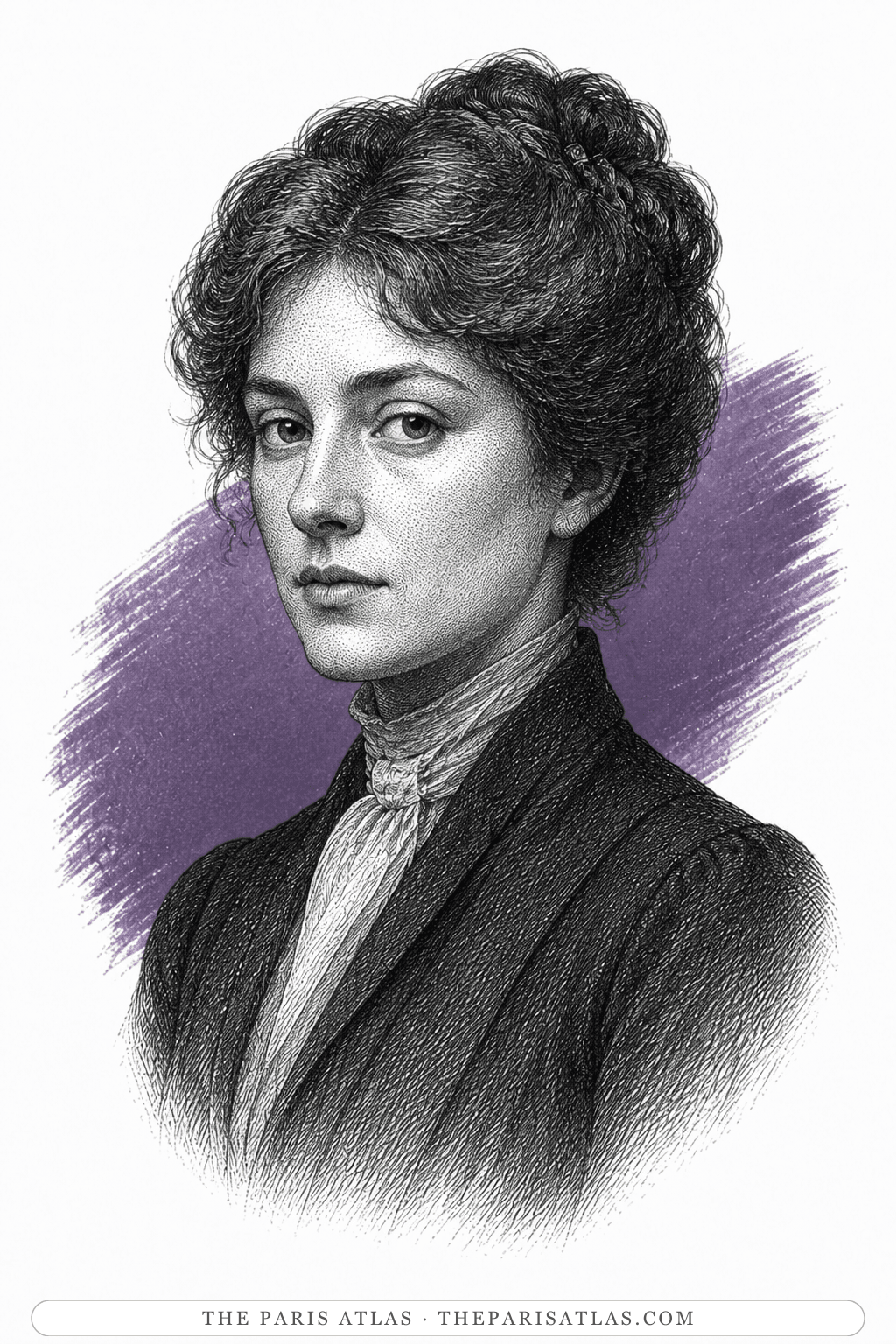
The young woman whose pregnancy becomes the focus of a controlled magical experiment and a conflict between rival occult groups.
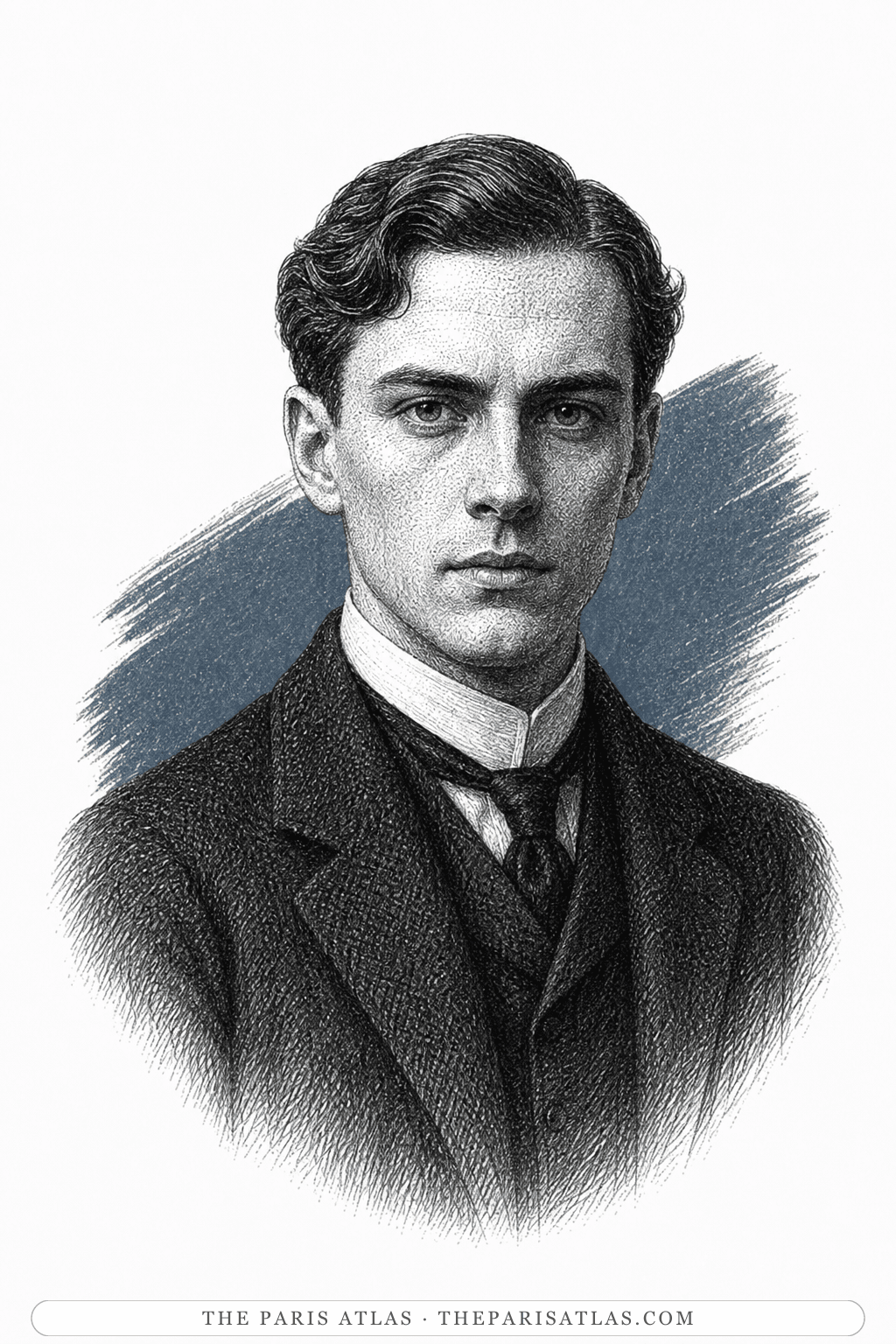
The disciplined occultist who draws Lisa into the experiment and attempts to protect it from rival magical influence.
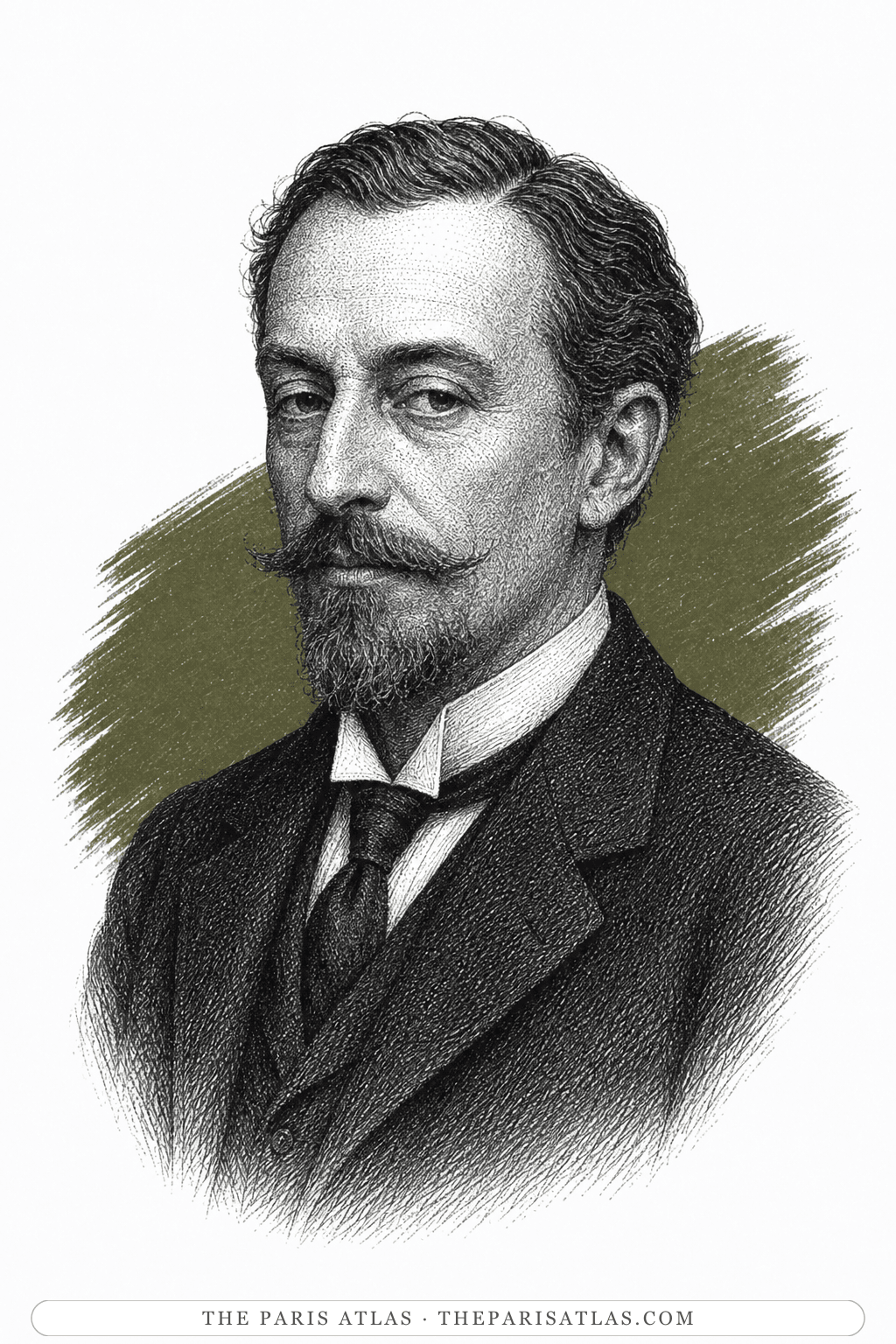
An older occult thinker whose humor, skepticism, and detective-like intelligence give the novel a steadier point of view.
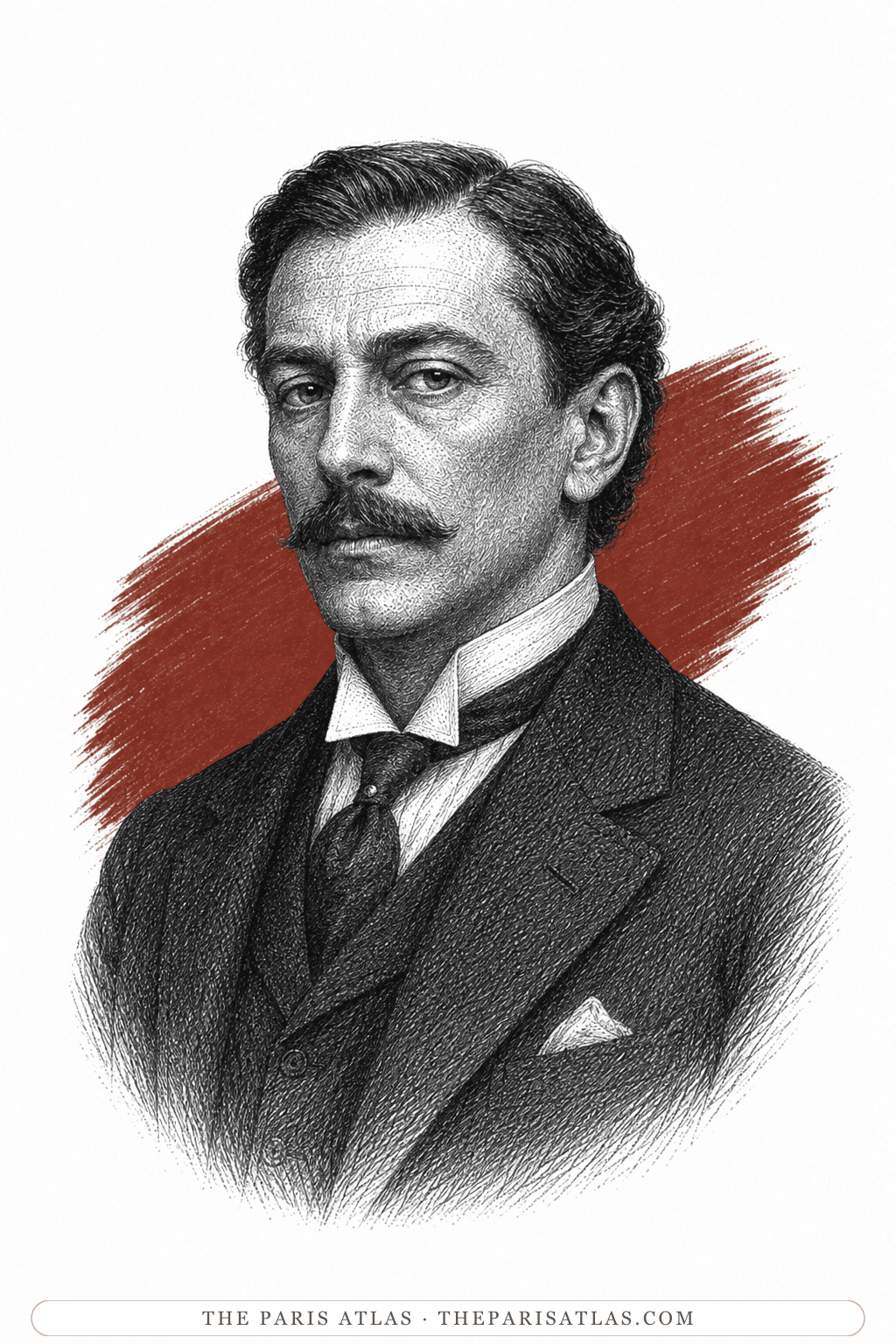
A leader of the rival Black Lodge who is determined to destroy Cyril Grey’s moonchild experiment.
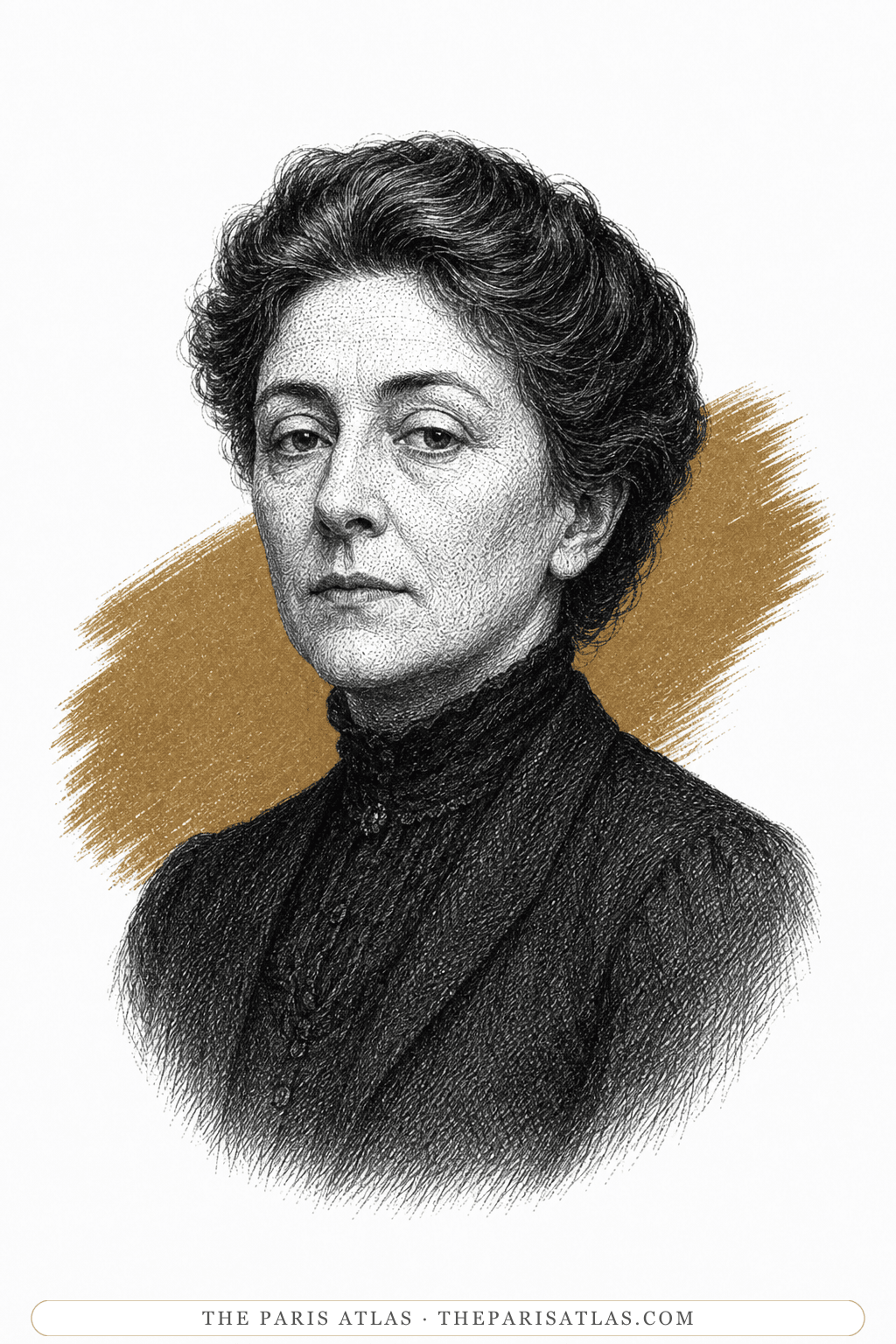
The secretive woman who shares the Black Lodge’s highest rank with Douglas and helps direct the attack on the experiment.
1917
Crowley writes the novel.
1929
Mandrake Press first publishes Moonchild.
1970s
Weiser editions help establish the book among modern occult readers.
1975
A major Weiser trade edition appears.
Later editions
Reprints circulate as Moonchild and sometimes refer to its alternate title, The Butterfly Net.

Crowley’s more accessible novel balances drugs and romance with spiritual searching.
Read our take

Crowley’s self-mythologizing autobiographical account supplies context for the world transformed into fiction here.
Read our take


A shorter Crowley work that pushes altered consciousness toward horror.
Read our takeCrowley wrote it in 1917, and Mandrake Press first published it in 1929.
Within the novel, it is a child conceived and developed under a controlled magical and astrological experiment.
Not straightforwardly, but many characters draw on people Crowley knew.
No. He is a recurring Crowley fictional character and represents an idealized type of occult intelligence.
The novel contains substantial magical theory, although it should not be treated as a practical manual.
It shares Crowley’s world and voice, but Moonchild focuses much more heavily on ceremonial magic and occult rivalry.
Less so than The Diary of a Drug Fiend. Long discussions of magical theory can slow the plot.
Within the fiction, yes, although Crowley also uses the conflict satirically.
Explore authors with a similar voice, perspective, and influence.
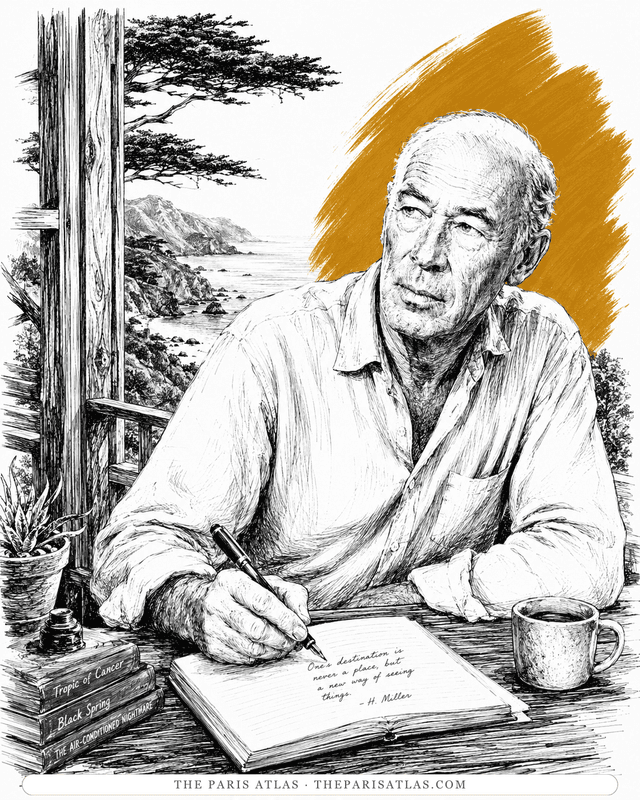
The Brooklyn dropout who arrived in Paris broke at thirty-eight and wrote the exuberant, banned books that ended American censorship.
View author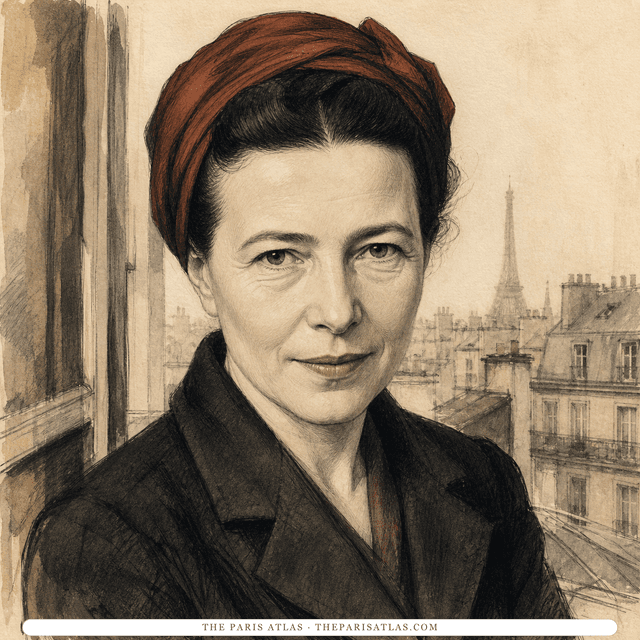
French writer and philosopher whose novels, memoirs, and social analysis examined freedom, gender, responsibility, aging, and the material conditions that shape a life.
View author
American novelist and composer whose expatriate fiction explores dislocation, unstable intimacy, fatalism, and North Africa.
View authorThe sources below include the primary text, editions, scholarship, archival materials, and other records that informed this page. They document Moonchild, its publication, and its place in literary history.


The primary text represented by this page, used for descriptions of the work’s contents and for any quoted passages shown here.

Publisher evidence for the magical-war premise, modern edition, and publication history.
Primary-text evidence identifying Douglas and Annie as the Black Lodge’s two highest-ranking leaders.
Selected passages in Chapters IV and XXIII, checked in the electronic transcription; PDF page numbers are not claimed as original-edition pagination.
Bibliographic context for Crowley’s books.
Institutional archive context for Crowley and occult history.
Historical context for Crowley’s Paris world.
The primary text is the baseline reference for every book page. Additional references document publication history, interpretation, and historical context where that evidence is available.
 Explore more resources