
Books like Tropic of Cancer
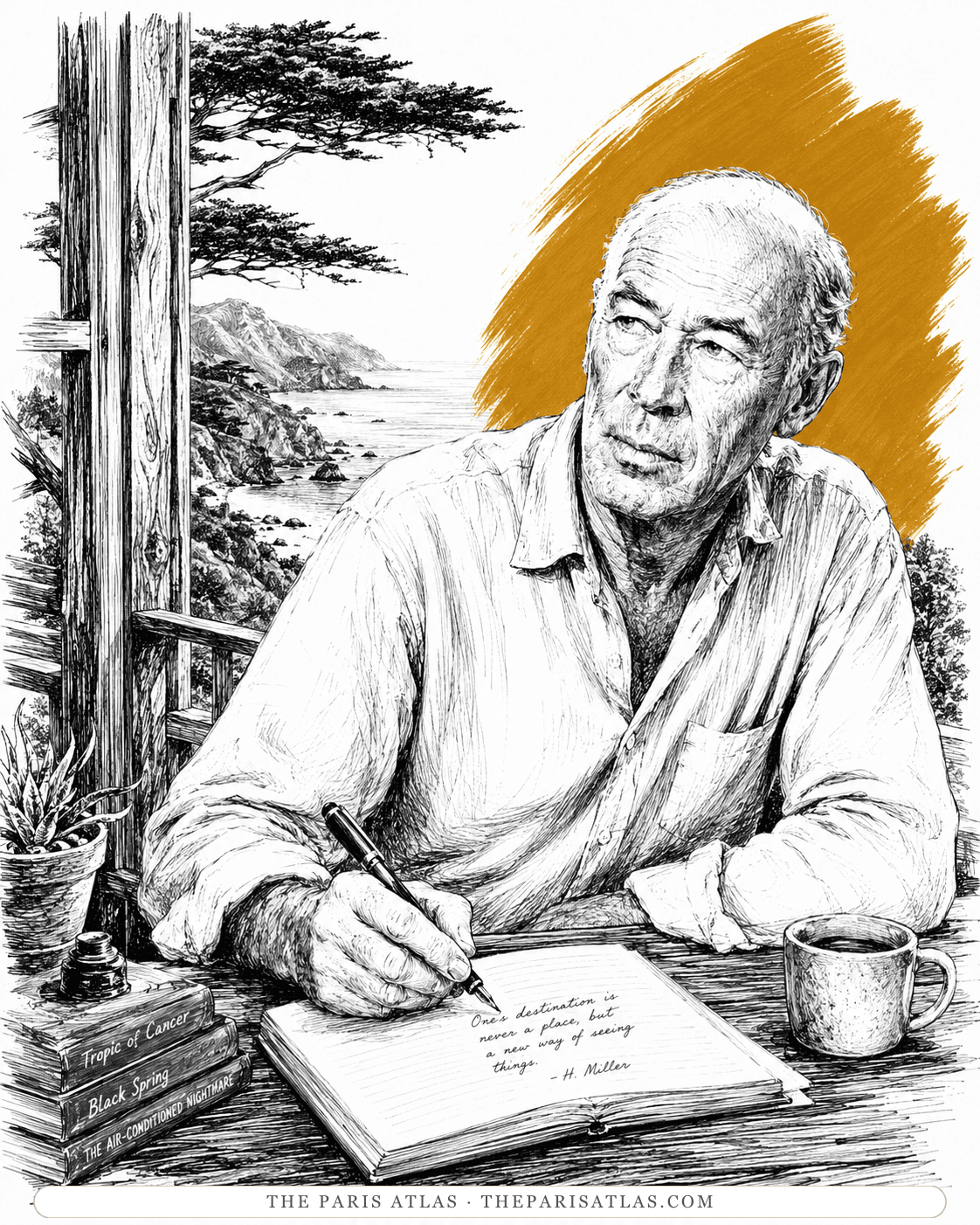
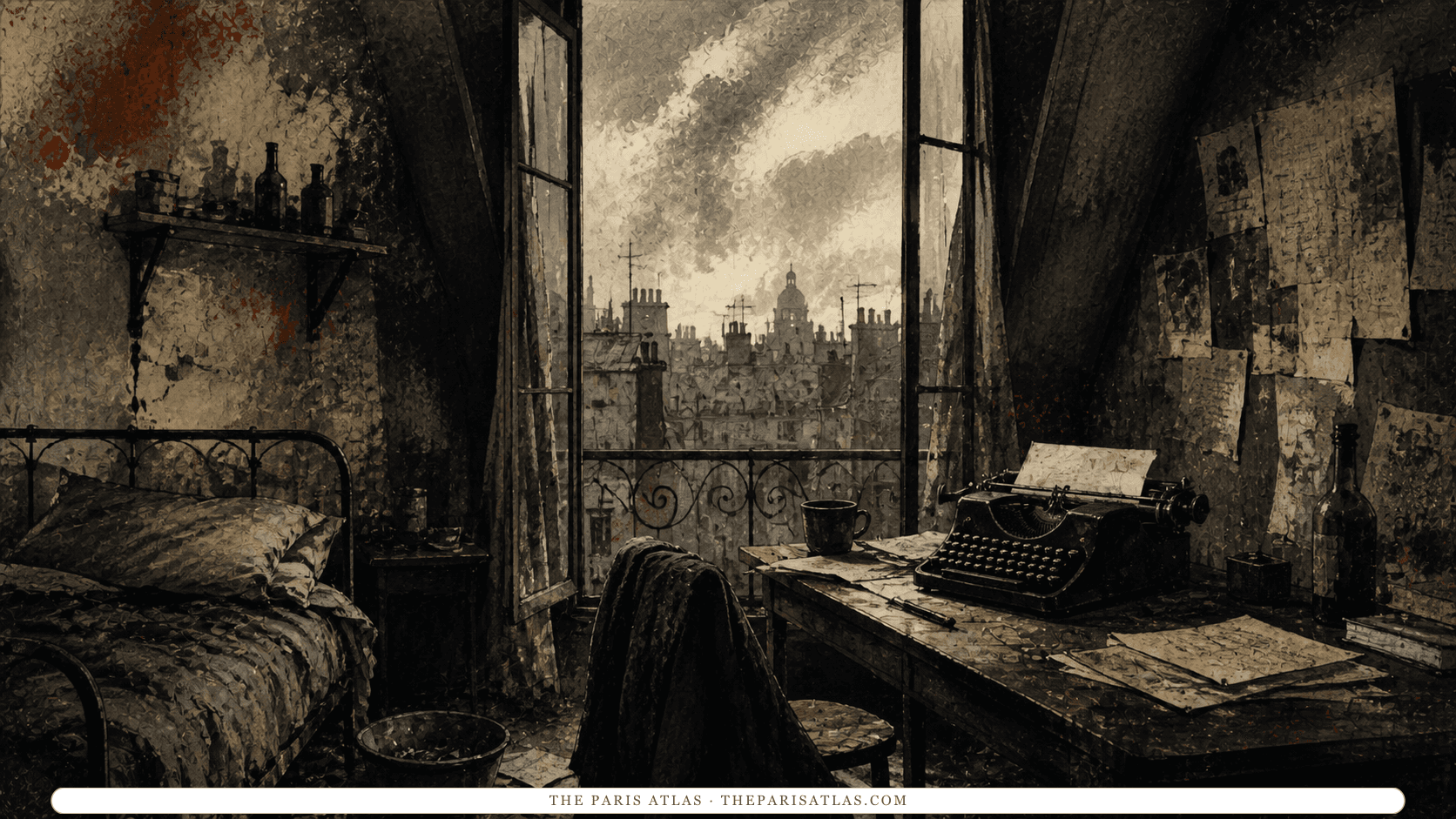
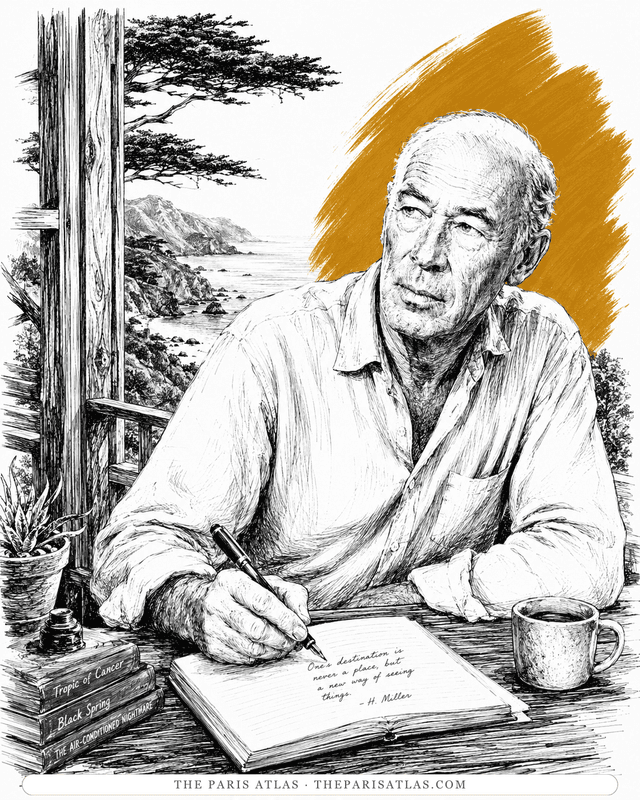
Tropic of Cancer is about being broke, horny, hungry, angry, and determined to become a writer in Paris. Miller turns cheap rooms, borrowed meals, friendships, sex, humiliation, and long stretches of doing almost nothing into a book that feels completely alive. If you want more of that combination of autobiographical writing, bohemian life, poverty, transgression, and a narrator who refuses to behave himself, these are the books I’d read next.
What readers love about Tropic of Cancer
- A broke writer trying to make a life outside ordinary society
- Paris at street level — cheap rooms, cafés, hunger, friends, and wandering
- Sex, drinking, failure, and humiliation without much polite filtering
- A voice that feels spontaneous, personal, funny, and occasionally out of control
- The idea that an undignified life can still become serious literature

If Miller’s voice was what made Tropic of Cancer work for you, go straight to Black Spring. He is still writing from the raw material of his own life, but the book wanders much more freely through childhood, sex, memories, fantasy, New York, and Paris. It is stranger and less orderly than Tropic of Cancer, but it has the same feeling that Miller has discovered he can put almost anything on the page.
About the author
The Brooklyn dropout who arrived in Paris broke at thirty-eight and wrote the exuberant, banned books that ended American censorship.
Read about Miller
This is probably the closest match if what you want is simply more of Miller's Paris. He and his friend Carl drift through cafés, apartments, meals they can barely afford, women, and long periods of having no money at all. It is shorter and less philosophical than Tropic of Cancer, but the shabby, funny, sexually reckless life around it is almost exactly the same.
About the author
The Brooklyn dropout who arrived in Paris broke at thirty-eight and wrote the exuberant, banned books that ended American censorship.
Read about Miller
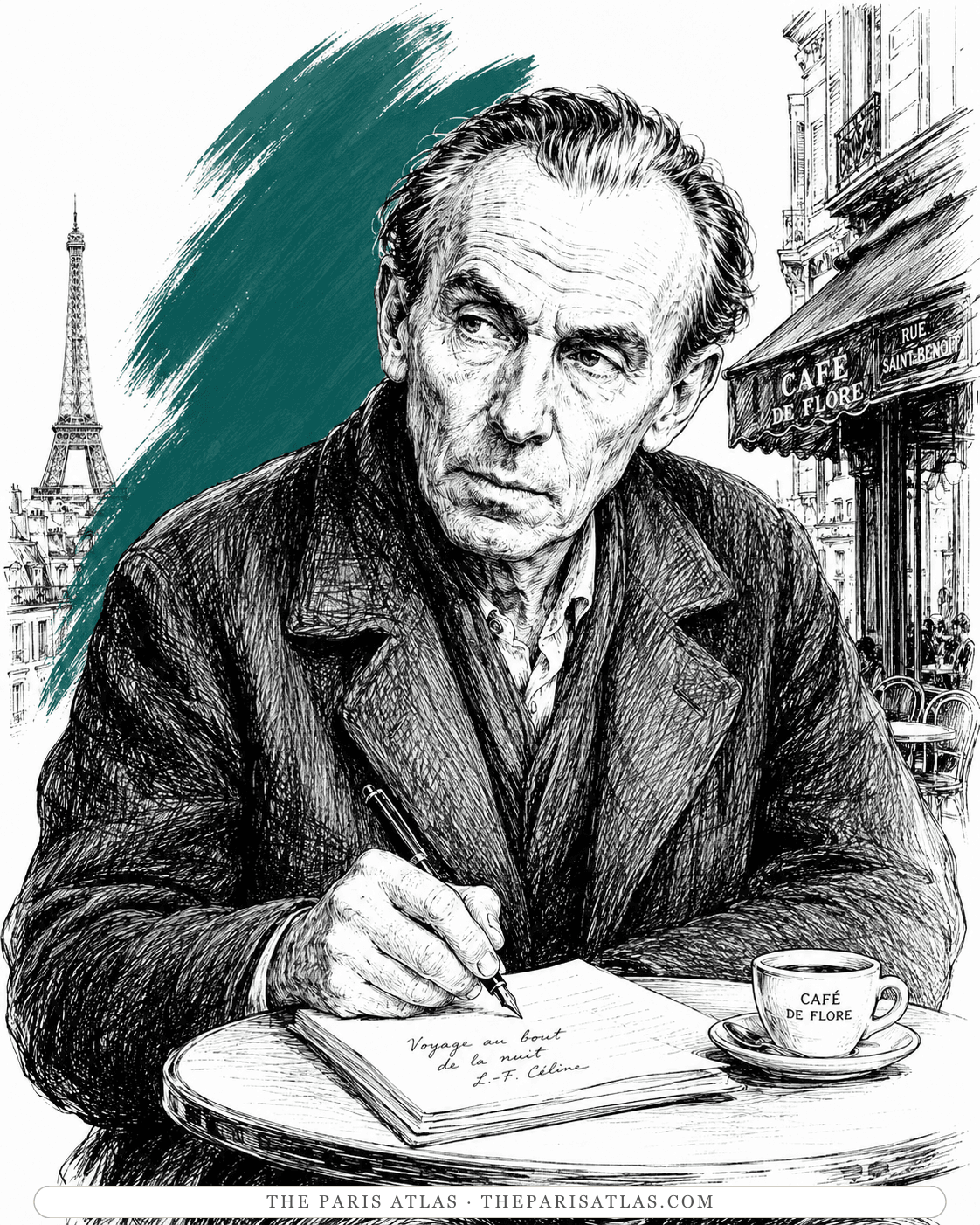
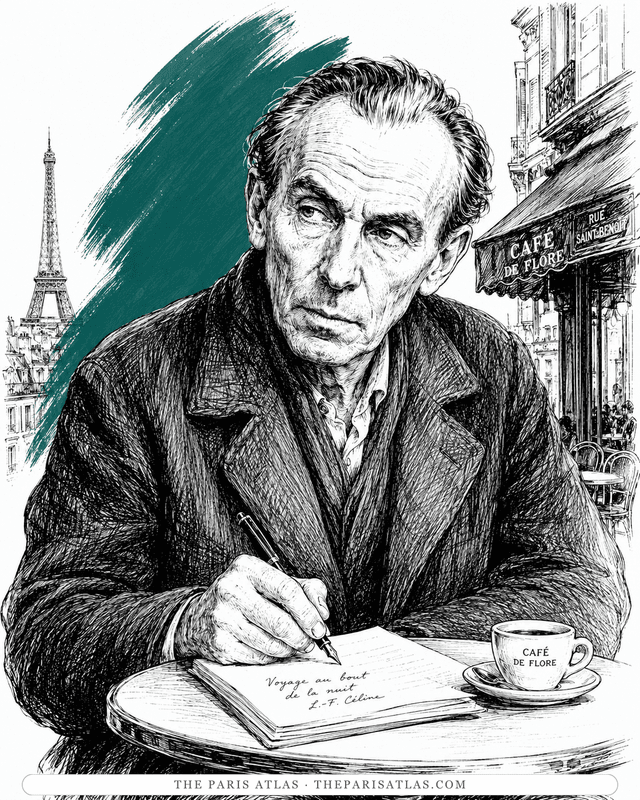
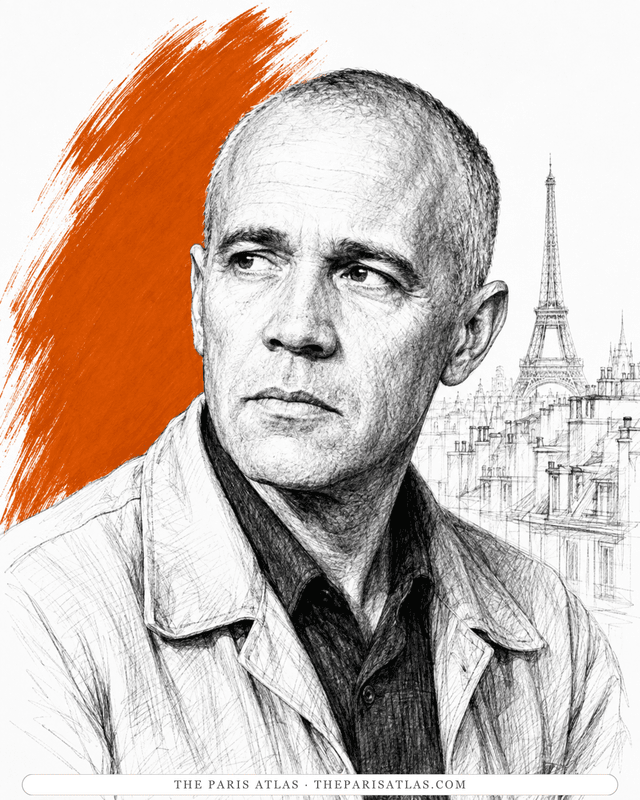
Céline’s narrator goes through war, colonial Africa, industrial America, and the poor outskirts of Paris and finds very little to admire anywhere. It is darker and more vicious than Tropic of Cancer, but the two books share a hatred of hypocrisy, a fascination with people at the bottom, and a voice that sounds like someone talking directly at you rather than politely writing a novel. If Miller’s anger and irreverence were part of the appeal, this is one of the strongest recommendations on the list.
About the author
The doctor of the Paris slums who wrote the century's blackest, funniest novel — and changed the sound of French prose.
Read about Céline
Arturo Bandini lives alone in a cheap Los Angeles hotel, has almost no money, wants desperately to become a great writer, and spends much of the book bouncing between arrogance, insecurity, sex, hunger, humiliation, and wild confidence in his own talent. Fante is more controlled and tender than Miller, but the emotional territory is remarkably close. This may be the best choice if what you loved was the broke writer trying to turn his messy life into literature.
About the author
American novelist, short-story writer and screenwriter whose autobiographical fiction made Italian American family life, artistic ambition and Los Angeles into the world of Arturo Bandini—and whose nine-week stay in Paris produced “The First Time I Saw Paris.”
Read about Fante
Genet writes about theft, prostitution, sex, prisons, betrayal, and wandering through Europe without asking the reader to approve of any of it. Like Miller, he takes experiences that respectable literature was supposed to hide and makes them the center of the book instead. Genet is darker, more beautiful, and more deliberately strange, but he shares Miller’s refusal to apologize for the life he is describing.
About the author
French novelist, poet, playwright, filmmaker and political writer who transformed abandonment, imprisonment, homosexuality, crime and revolt into lyrical prose and a theater of masks, ritual and unstable identities.
Read about Genet
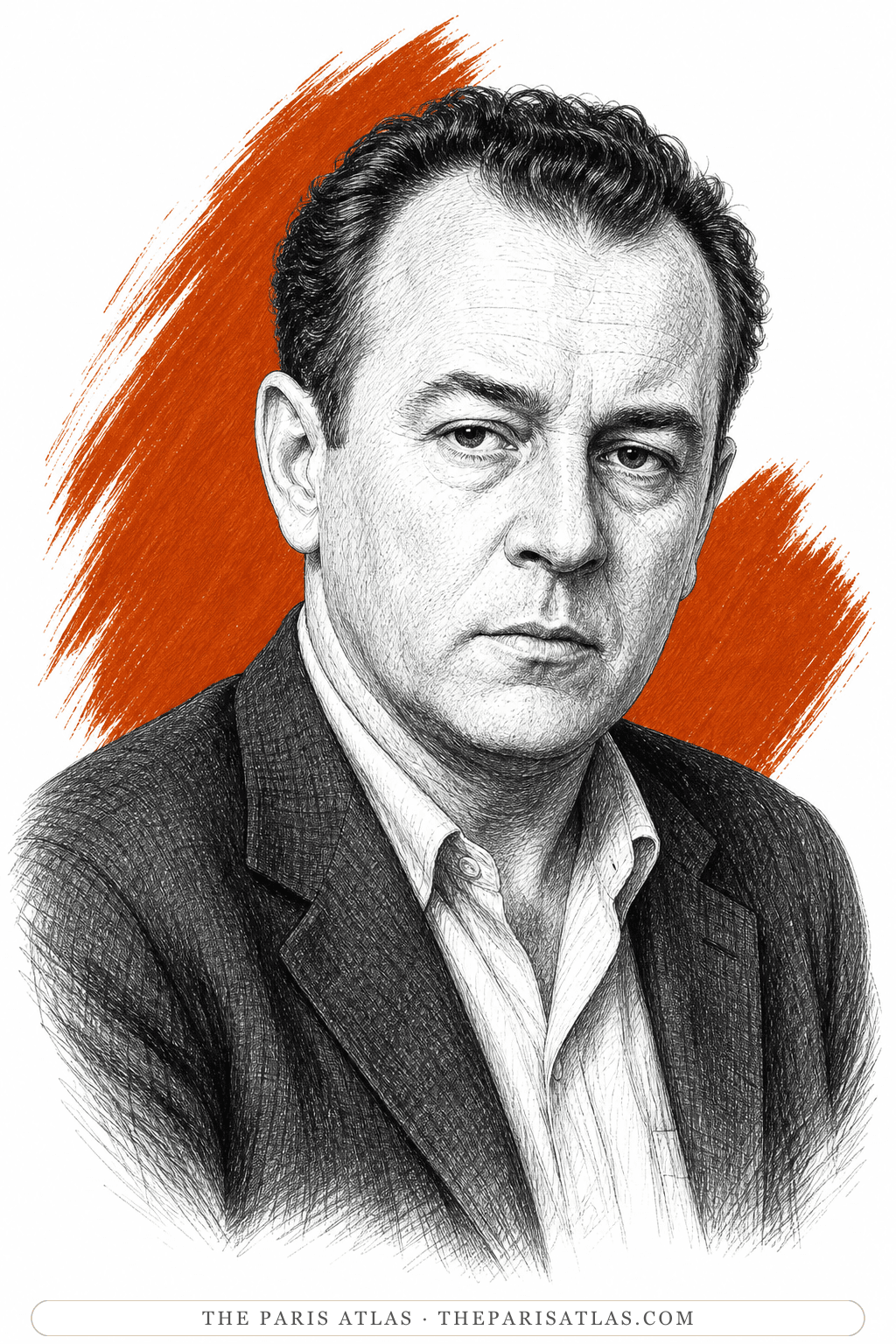
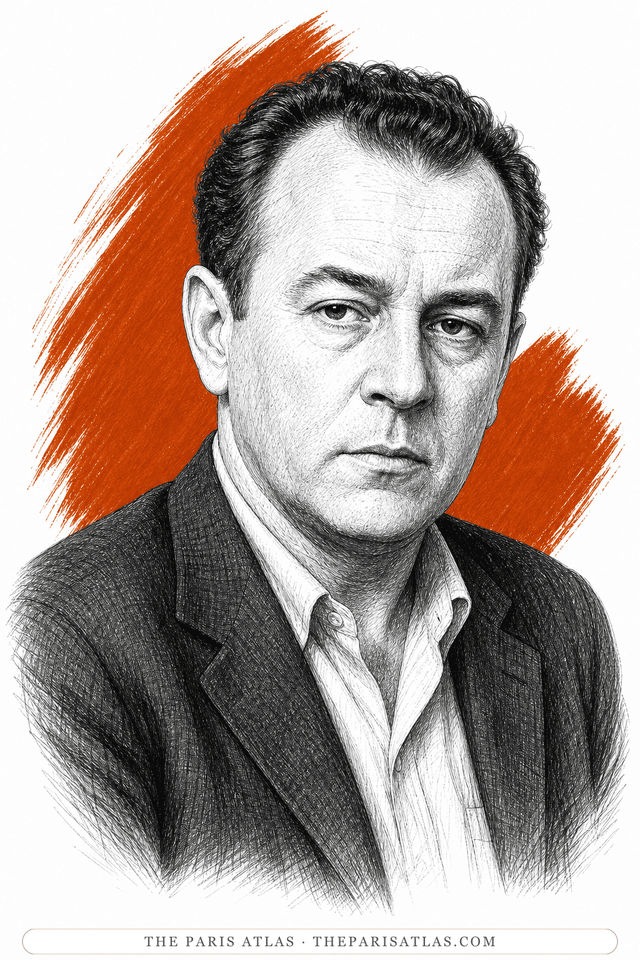
Sebastian Dangerfield drinks, borrows money, chases women, avoids responsibility, and creates chaos everywhere he goes in postwar Dublin. He is considerably harder to like than Miller sometimes is, but the book has the same combination of poverty, sex, outrageous behavior, black comedy, and a protagonist who keeps moving no matter how badly he has behaved. Read it if the reckless, funny side of Tropic of Cancer was what kept you turning pages.
About the author
American-born Irish novelist, playwright and painter whose scandalous comic debut The Ginger Man was first published by Olympia Press in Paris after repeated rejection in Britain and America.
Read about Donleavy
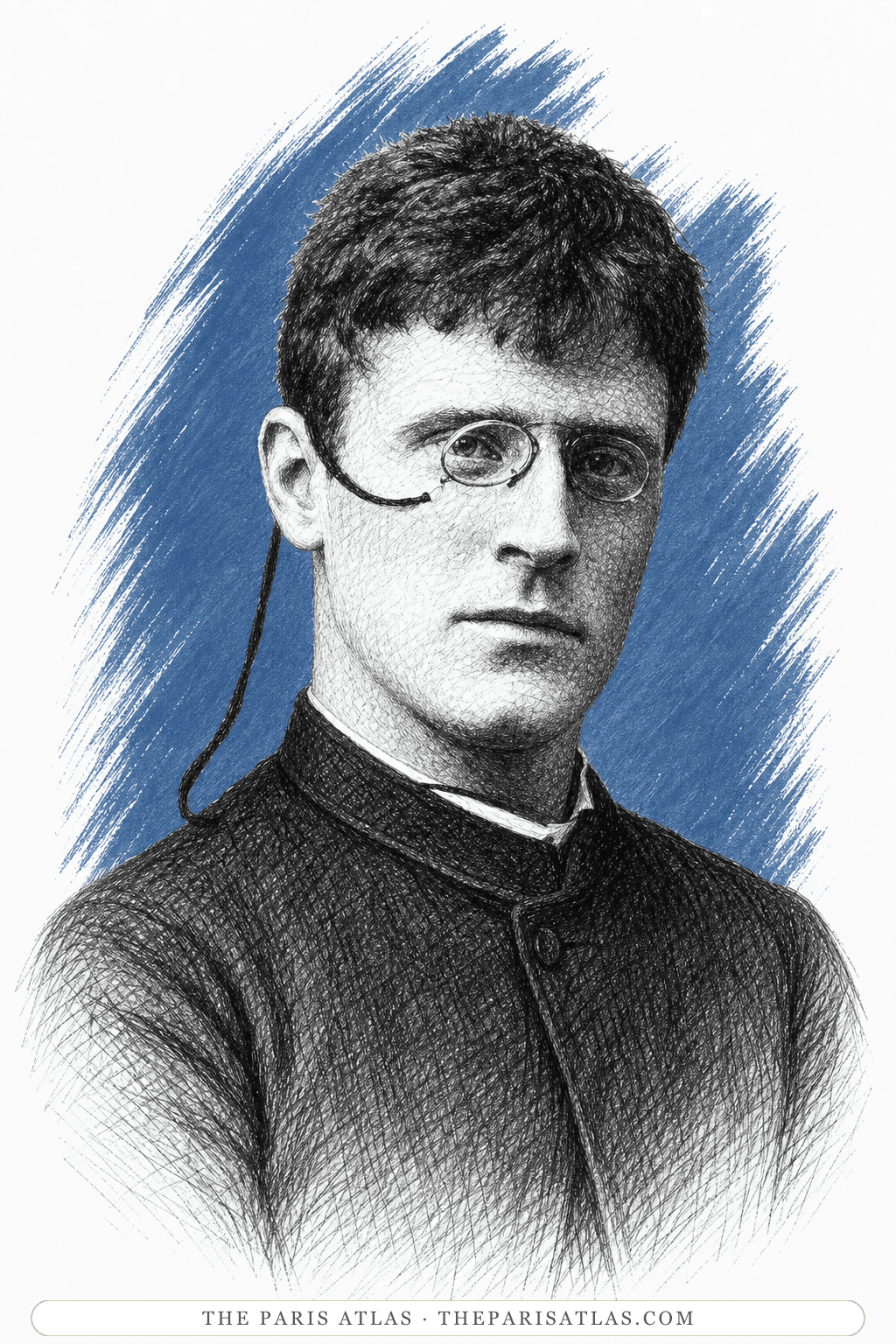
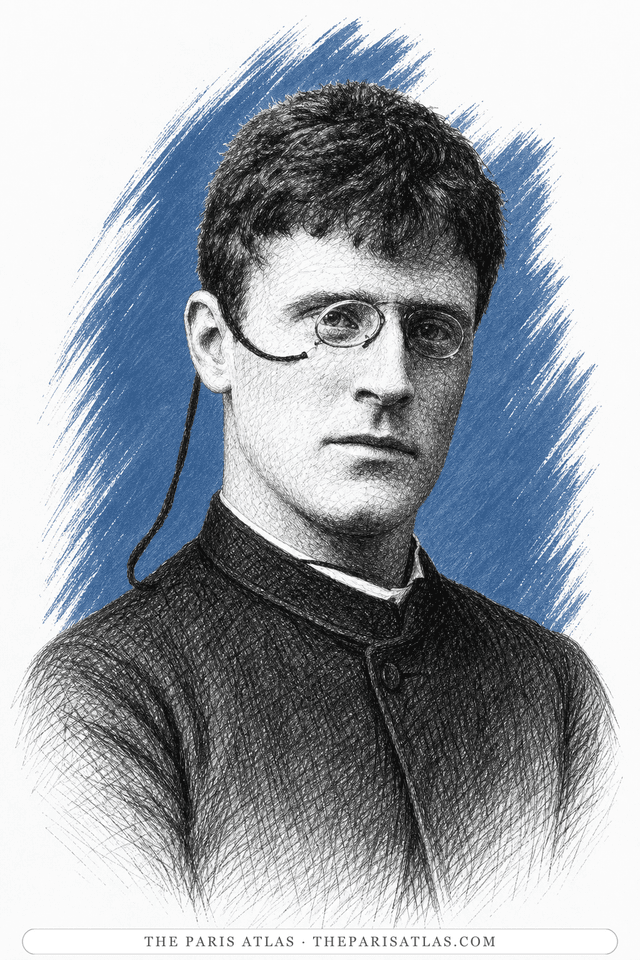
Long before Miller was wandering around Paris without enough money for dinner, Hamsun wrote about a nearly penniless young writer walking the streets of Kristiania, trying to preserve his dignity while hunger slowly makes him irrational. There is almost none of Miller’s sexual exuberance, but the humiliation, pride, artistic obsession, and strange freedom of having almost nothing feel surprisingly familiar. It reads like an ancestor of the broke-writer novel Miller would later make his own.
About the author
Norwegian novelist and Nobel laureate whose experiments with consciousness helped anticipate literary modernism—and whose support for Nazi Germany permanently complicated his legacy.
Read about Hamsun
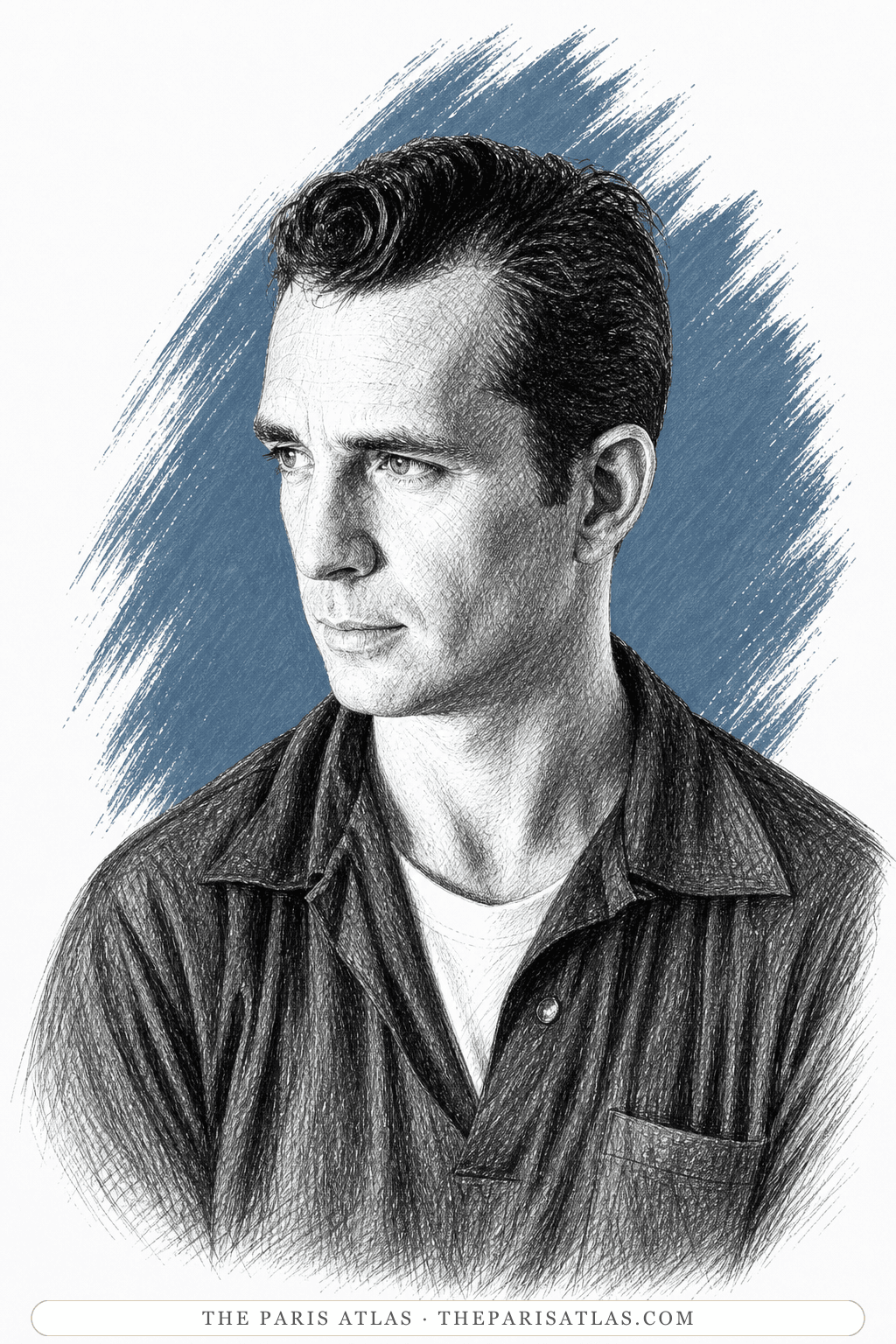
Kerouac trades Miller’s Paris cafés for highways, jazz clubs, cheap rooms, and endless movement across America, but the attraction is similar. Friends, women, drinking, poverty, excitement, boredom, and irresponsible decisions all become part of the material. If what you loved about Tropic of Cancer was the feeling that the narrator was living first and worrying about turning it into a proper book later, On the Road carries that energy into another generation.
About the author
French-Canadian American novelist and poet whose rhythmic spontaneous prose made roads, jazz, friendship and spiritual longing central to Beat literature—and whose two Paris journeys culminated in Satori in Paris.
Read about Kerouac
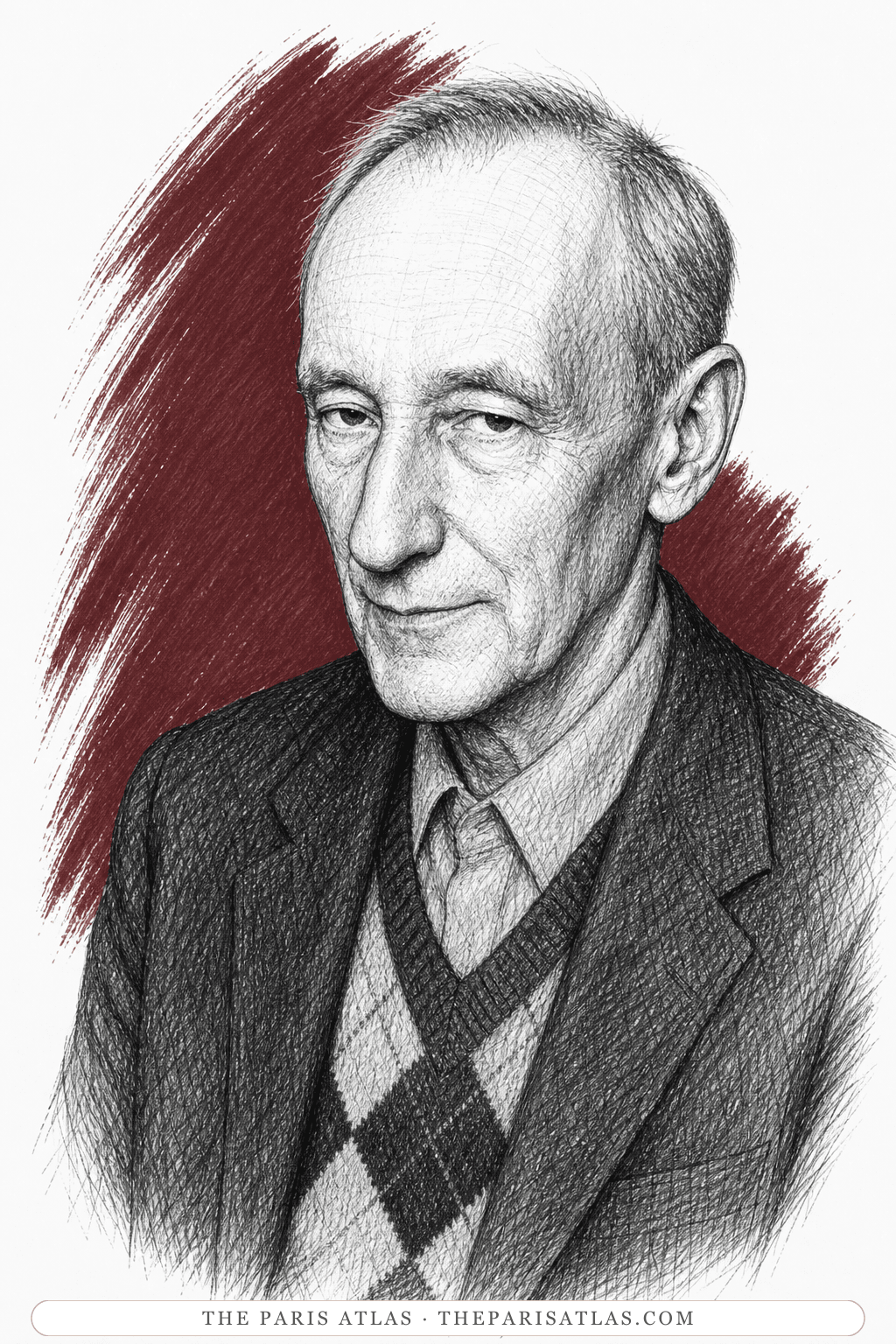
Miller challenged the limits of what a novel was allowed to say about sex and the body; Burroughs blows through those limits almost completely. Naked Lunch is full of drugs, sex, grotesque comedy, hallucination, violence, and scenes that barely obey ordinary narrative logic. It is much harder and stranger than Tropic of Cancer, but if Miller made you want literature that feels dangerous, indecent, and unwilling to behave properly, this is where that tradition goes next.
About the author
American Beat novelist, essayist, performer and visual artist who completed Naked Lunch at the Beat Hotel in Paris and made cut-up writing a defining avant-garde method.
Read about Burroughs
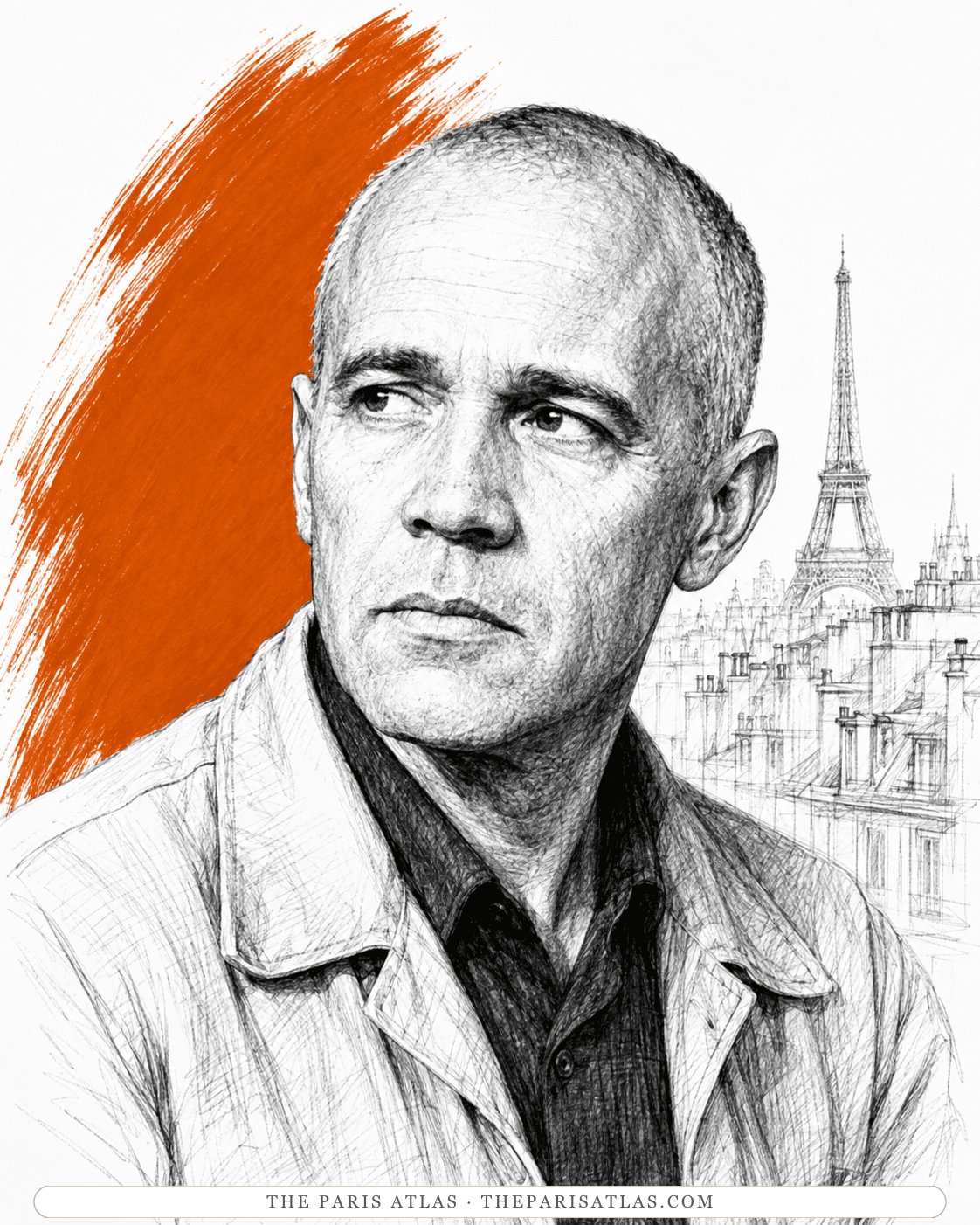
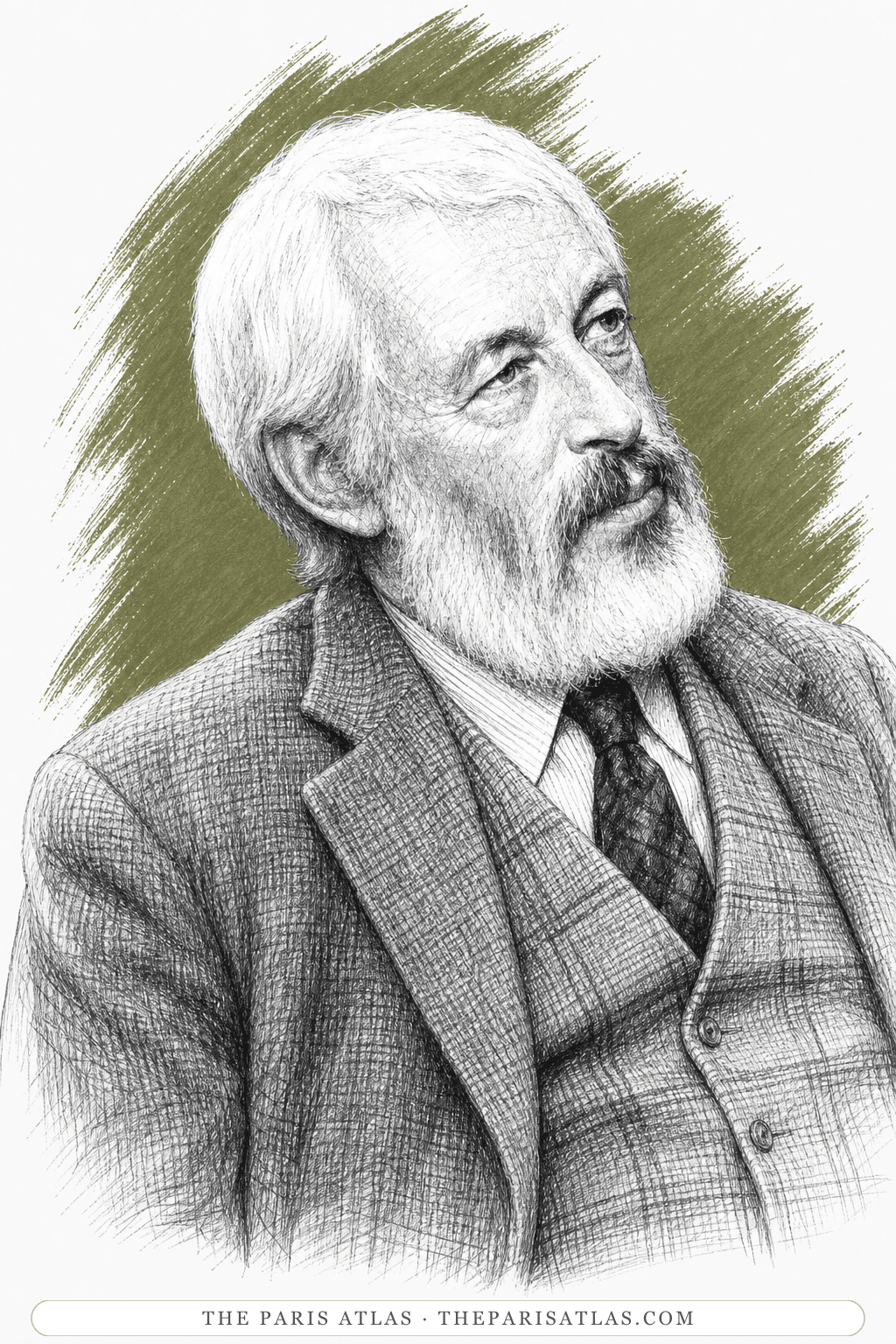
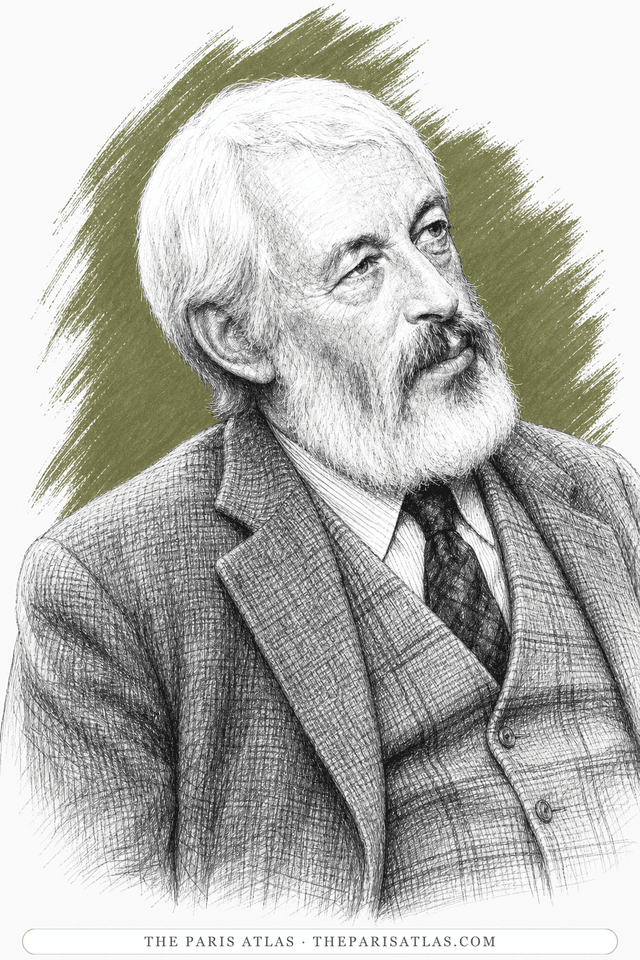
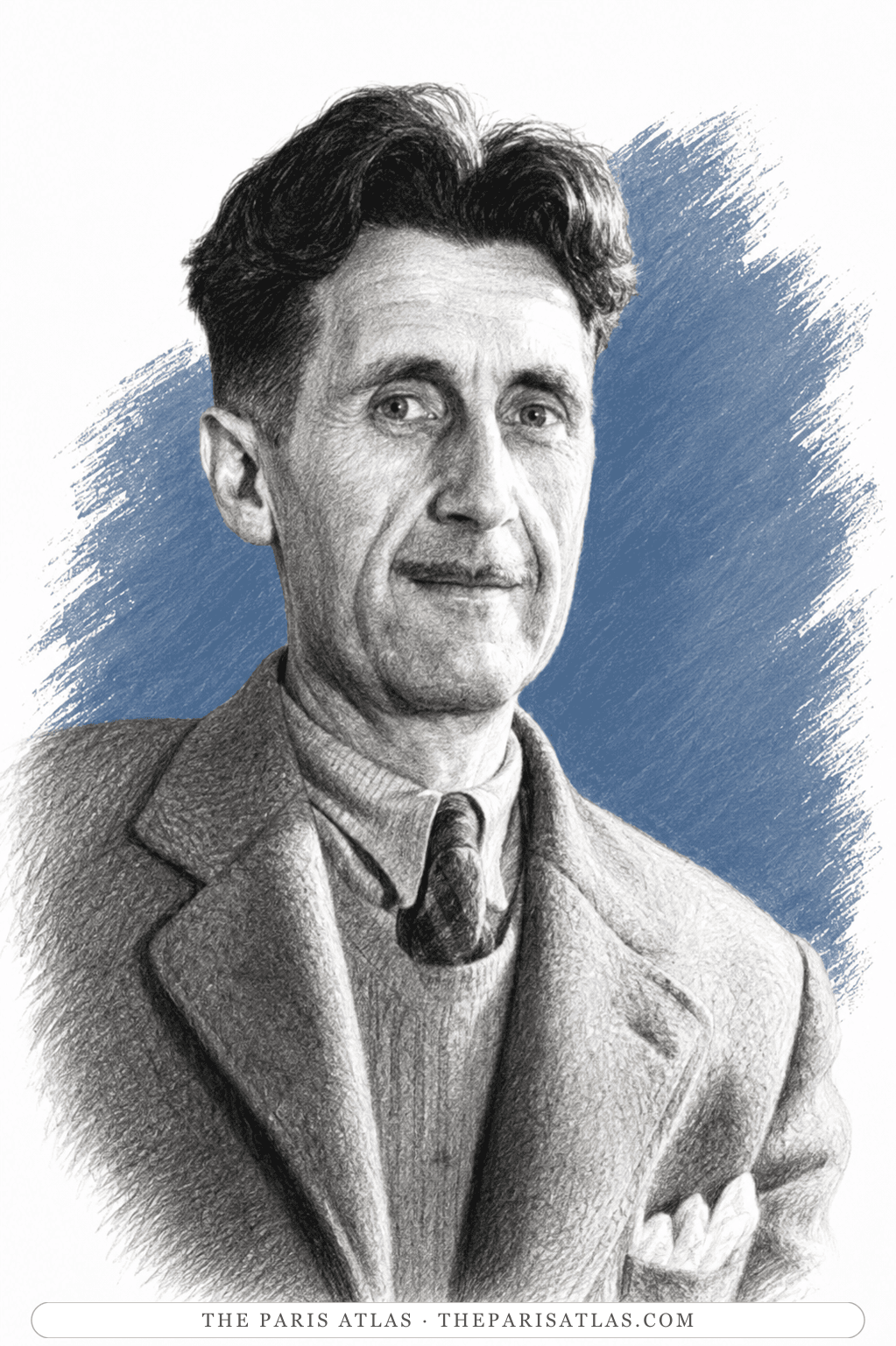
Orwell’s Paris has cheap rooms, hunger, pawnbrokers, exhausting restaurant work, and the daily problem of finding enough money to eat. He has almost none of Miller’s sexual boasting or ecstatic philosophy, which is precisely what makes the comparison interesting. Both men write about living near the bottom of Paris, but Orwell strips away the mythology and shows the labor and desperation underneath it.
About the author
English novelist, essayist and journalist, born Eric Arthur Blair, who wrote Animal Farm and Nineteen Eighty-Four. He was an imperial policeman in Burma, a plongeur in Paris kitchens off the rue Mouffetard, and a militiaman shot through the neck in Spain before any of it.
Read about Orwell
References
The sources below include the primary text, editions, archives, and critical context used to establish what distinguishes Tropic of Cancer.


1Tropic of Cancer
NovelHenry Miller, 1934Used forPrimary text included as part of the documented record for Books like Tropic of Cancer.
2Obelisk: A History of Jack Kahane and the Obelisk Press
BiographyNeil Pearson, 2007Used forBiographical evidence used to verify chronology, relationships, and historical context connected to Books like Tropic of Cancer.
3Henry Miller: The Paris Years
BiographyBrassaï, 1995Used forBiographical evidence used to verify chronology, relationships, and historical context connected to Books like Tropic of Cancer.
4The Happiest Man Alive: A Biography of Henry Miller
BiographySimon & Schuster, 1991Used forBiographical evidence used to verify chronology, relationships, and historical context connected to Books like Tropic of Cancer.
These references support the guide's description of the comparison book. The read-alike matches themselves are editorial recommendations, explained individually above.
 Explore more resources
Newsletter
Tell us what you loved, and we'll find your next book.
Every Friday: one recommendation, the reasons it earns your time, and what to read after it. Reply with your last favorite and we'll answer.