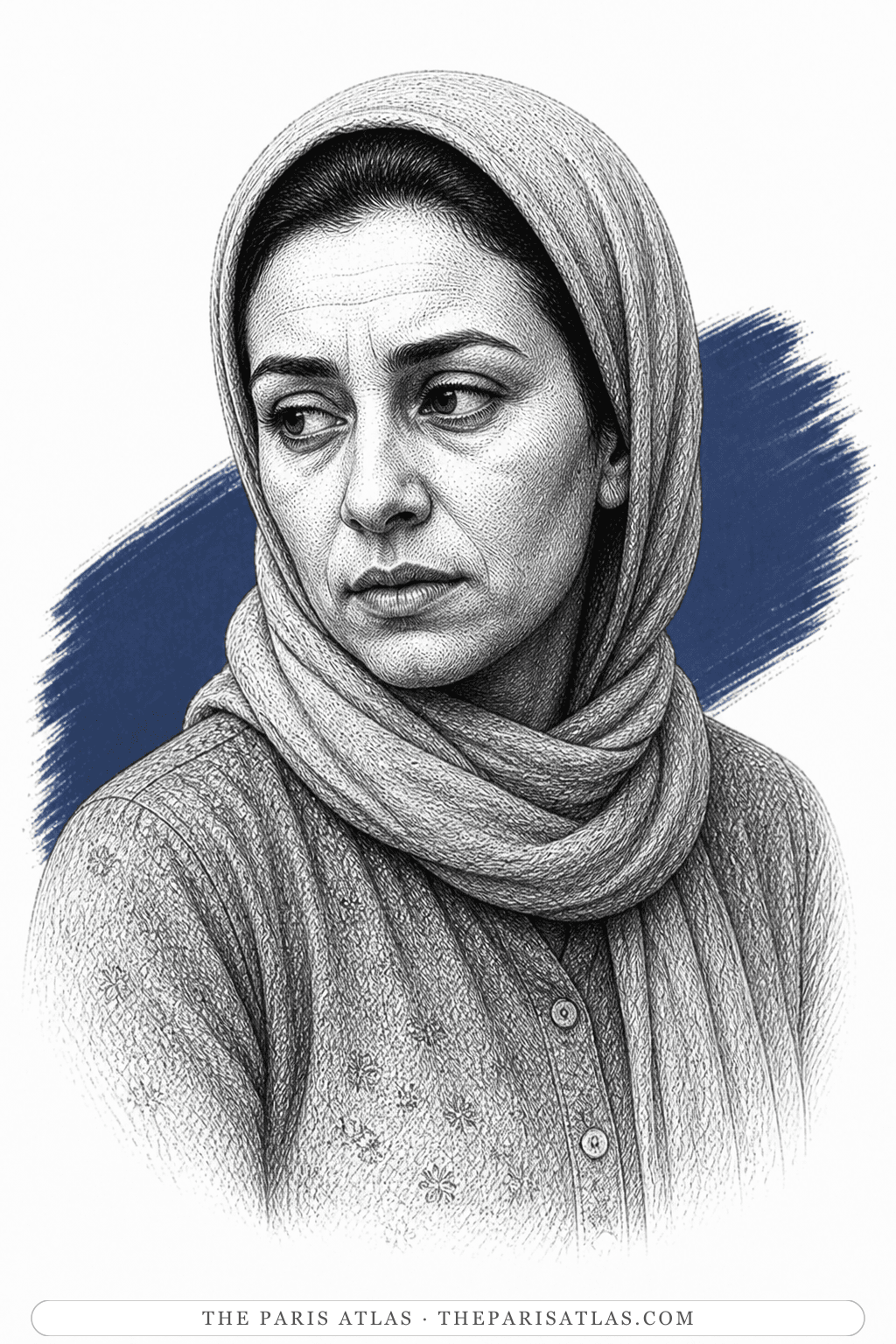
Ines
Ines is a schoolteacher required to obtain a Certificate of True Citizenship after praising a student’s critical essay.
The book

Who they are in the book
Spoiler-freeInes is a schoolteacher required to obtain a Certificate of True Citizenship after praising a student’s critical essay. She begins outspoken and argues that Shalaby’s cousin should not be honored if he killed protesters. When the private argument appears in surveillance records, fear changes her. She dresses more conservatively, attends religious lessons, accepts the man in the galabeya’s marriage proposal, and leaves the queue. Her fate illustrates self-censorship becoming a new identity rather than a single forced statement.
If you like The Queue


If you like Basma Abdel Aziz
Explore authors with a similar voice, perspective, and influence.
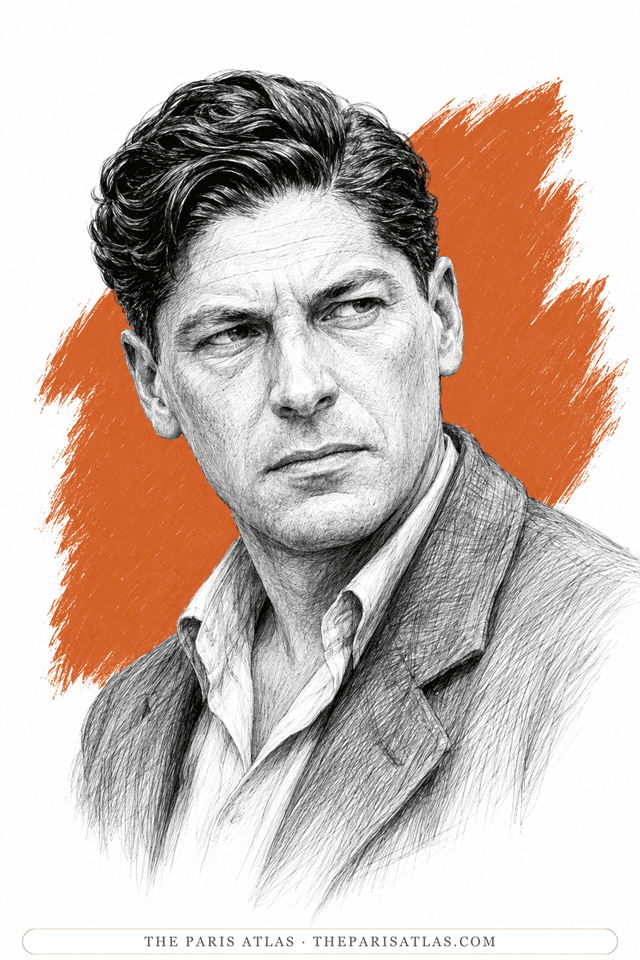
Arthur Koestler
Hungarian-British novelist and essayist whose fiction examined revolution, ideology, imprisonment, and political disillusionment.
View author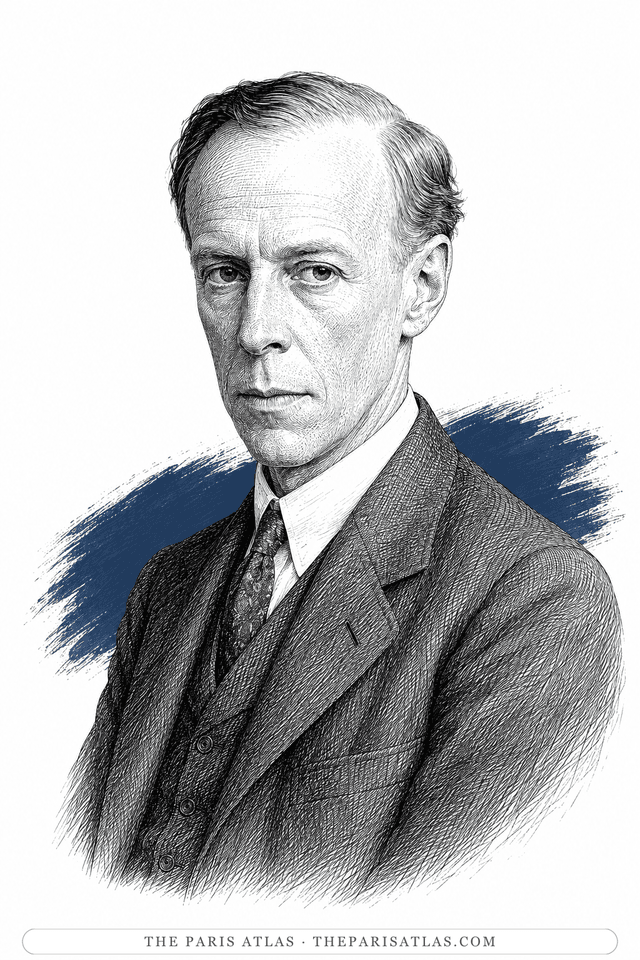
Sinclair Lewis
American novelist who satirised small-town conformity in Main Street and Babbitt, refused the Pulitzer Prize in 1926, and in 1930 became the first American to win the Nobel Prize in Literature.
View author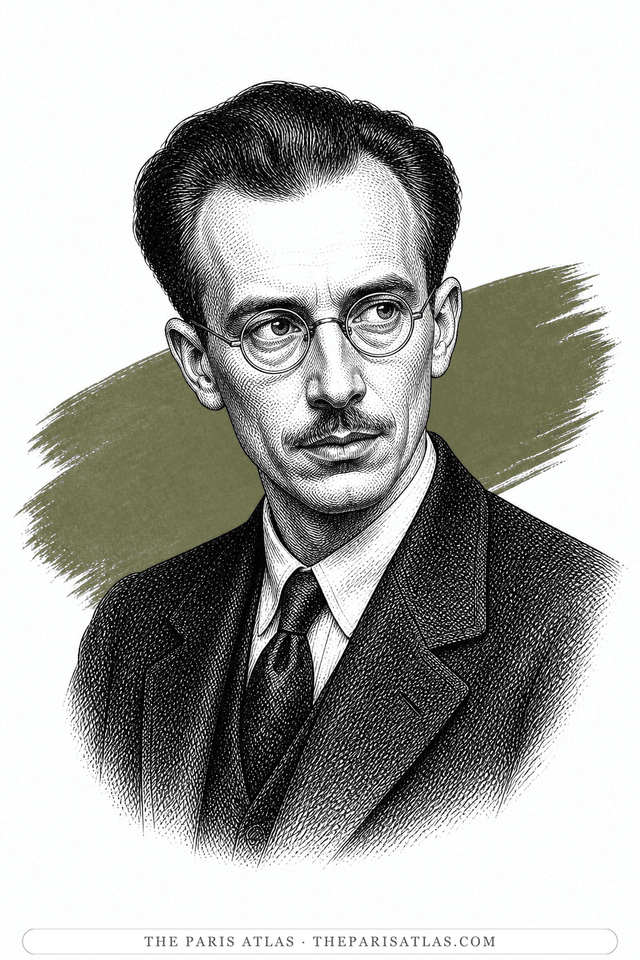
Aldous Huxley
English novelist of Brave New World, which he wrote not in Paris but on the Mediterranean coast at Sanary-sur-Mer. His French years ran from a rented house at Suresnes on the western edge of Paris, where he pushed the dying D. H. Lawrence towards the city's presses, to seven years on the Riviera; he then left for California, wrote the best-known modern account of taking mescaline, the hallucinogenic drug made from the peyote cactus, and died on the day President Kennedy was shot.
View author