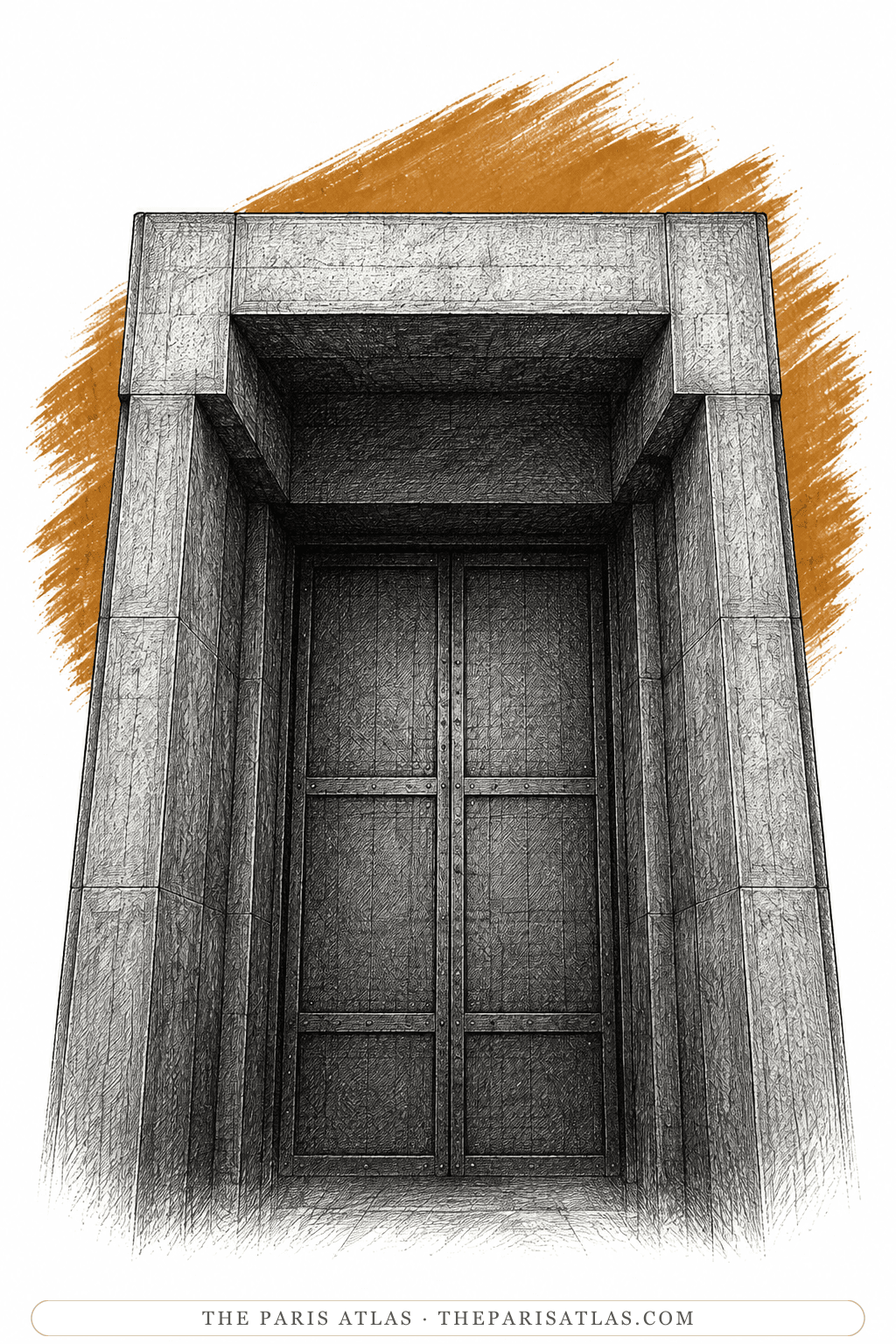
The Gate
The Gate is an institution rather than a human character, but it functions as the novel’s central antagonist.
The book

Who they are in the book
Spoiler-freeThe Gate is an institution rather than a human character, but it functions as the novel’s central antagonist. It issues decrees, requires documents, controls official truth, and places its authority inside hospitals, newspapers, phones, and religious rulings. The building never opens, and no visible ruler accepts responsibility. The Gate’s fate is unchanged at the end. Its power lies partly in remaining faceless while other people carry out its work.
If you like The Queue


If you like Basma Abdel Aziz
Explore authors with a similar voice, perspective, and influence.

Arthur Koestler
Hungarian-British novelist and essayist whose fiction examined revolution, ideology, imprisonment, and political disillusionment.
View author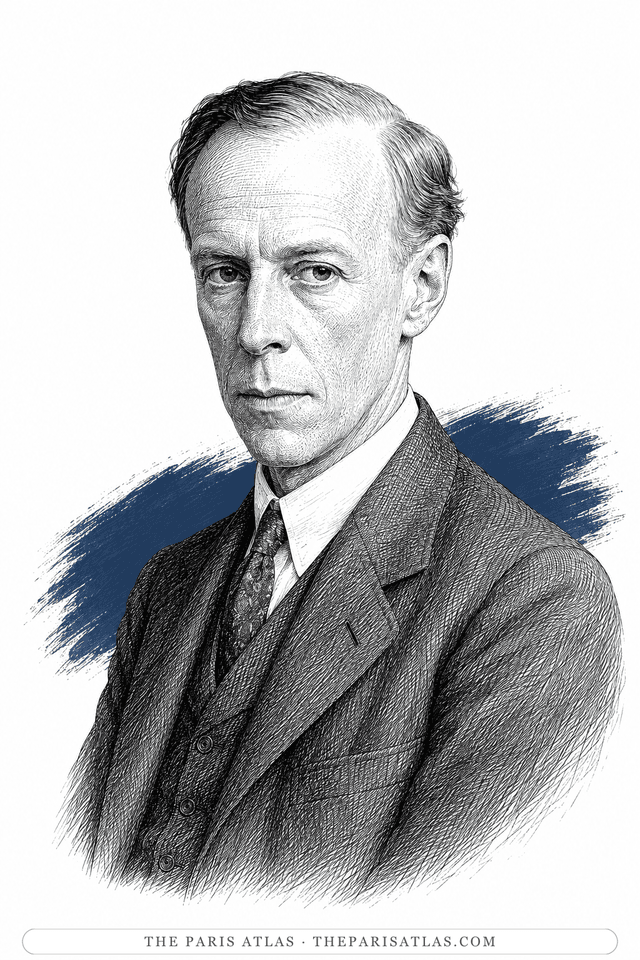
Sinclair Lewis
American novelist who satirised small-town conformity in Main Street and Babbitt, refused the Pulitzer Prize in 1926, and in 1930 became the first American to win the Nobel Prize in Literature.
View author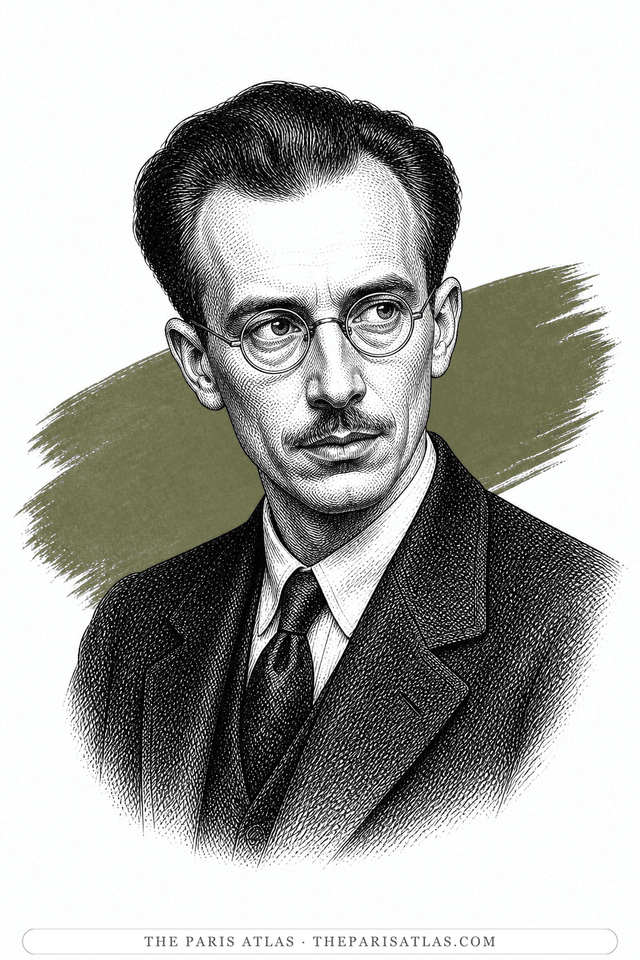
Aldous Huxley
English novelist of Brave New World, which he wrote not in Paris but on the Mediterranean coast at Sanary-sur-Mer. His French years ran from a rented house at Suresnes on the western edge of Paris, where he pushed the dying D. H. Lawrence towards the city's presses, to seven years on the Riviera; he then left for California, wrote the best-known modern account of taking mescaline, the hallucinogenic drug made from the peyote cactus, and died on the day President Kennedy was shot.
View author