
Eppler
The German agent whom Almásy guides through the desert, connecting private grief to wartime collaboration.
To cross the desert successfully and carry out the concealed German mission that depends on Almásy's guidance.
The book

At a glance
- German agent
- Almásy
- Across the North African desert
Who they are in the book
Spoiler-freeEppler is a German spy whose wartime route depends on Almásy's knowledge of the North African desert. He appears within the history Caravaggio reconstructs while questioning the burned patient.
Almásy has been blocked and detained while trying to return for Katharine. Guiding Eppler becomes part of the bargain through which desert expertise, once shared by an international exploration group, is converted into military intelligence.
Eppler receives less interior attention than Almásy because his main function is historical and moral: his journey proves that a claim to stand outside nations does not keep maps and routes outside the war.
How Eppler Is Portrayed
- A concealed purposeHis movement through the desert belongs to espionage rather than the open scientific work of the earlier expeditions.
- Dependent on local expertisePolitical allegiance does not replace the practical route knowledge Almásy supplies.
- Evidence in Caravaggio's caseThe name helps connect the patient's private memories to wartime actions with public consequences.
- A deliberately limited portraitThe novel follows what Almásy's assistance means more closely than it follows Eppler's private motives or later life.
Caravaggio uses Almásy's role in guiding Eppler as evidence that the English patient is not the neutral English casualty he first appears to be. The crossing ties Almásy's search for Katharine to aid given to Germany during the war.
If you like The English Patient


If you like Michael Ondaatje
Explore authors with a similar voice, perspective, and influence.
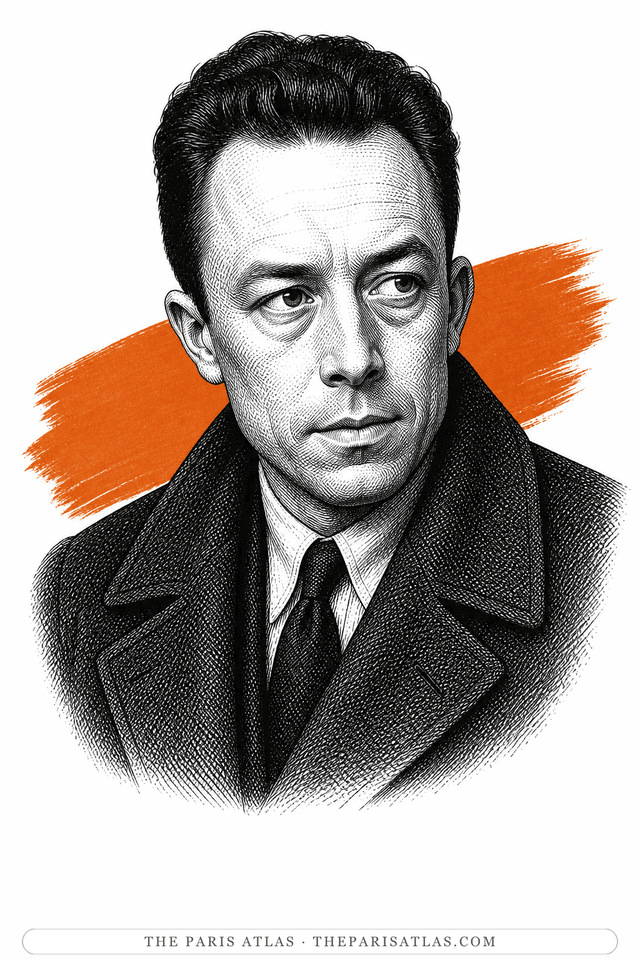
Albert Camus
French Algerian novelist, essayist, journalist and playwright who used the absurd and revolt to ask how people should live without false consolation.
View author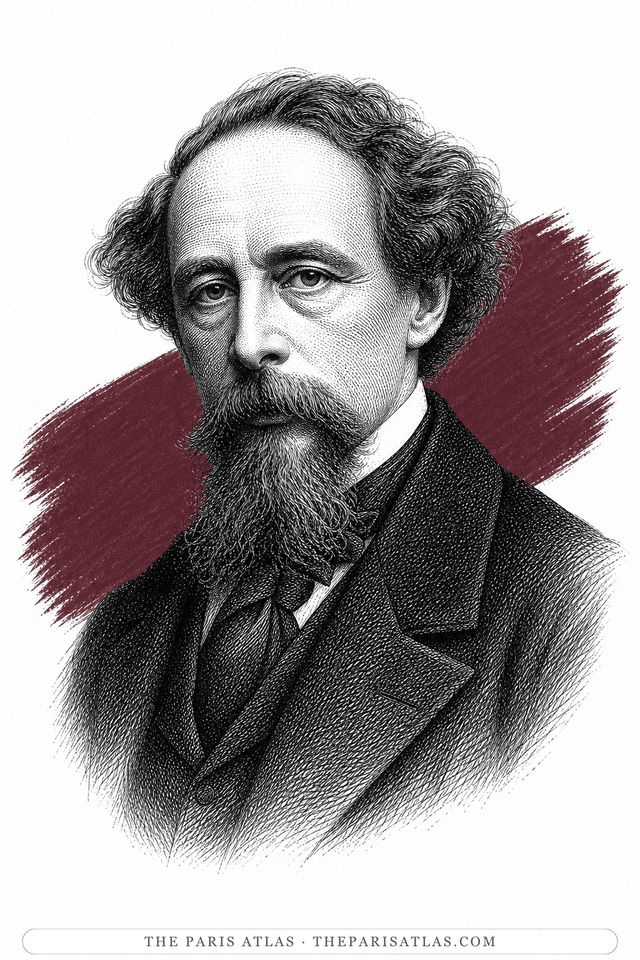
Charles Dickens
The most popular English novelist of the nineteenth century, who was never a Paris resident in the ordinary sense but kept coming back for twenty-five years: one winter in a rented mansion on the rue de Courcelles, a second winter on the Champs-Élysées writing Little Dorrit, repeated compulsive visits to the Paris Morgue — the riverside building where the city displayed its unidentified dead to the public — and a novel of the French Revolution, A Tale of Two Cities, that has shaped how English readers picture Paris ever since.
View author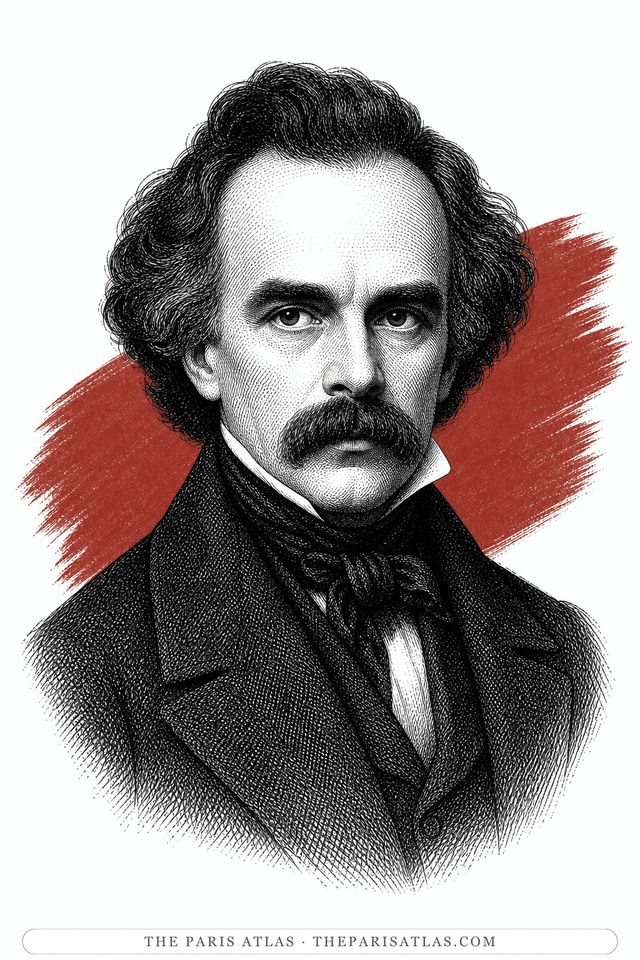
Nathaniel Hawthorne
Author of The Scarlet Letter, who passed through Paris for one week in January 1858 on his way from the American consulate at Liverpool to Italy — and wrote it all down. He found the city more magnificent than London and colder than anything in America: "new, bright, magnificent, and desperately cold." He left saying he was quite tired of Paris and longed for home.
View author