
Lord Suffolk
Kip's bomb-disposal mentor, whose respect and warmth make British service feel like a chosen home before his death.
To understand each new bomb design, teach a team capable of surviving it, and treat technical courage as shared work.
The book

At a glance
- Head of Kip's bomb-disposal team
- Wartime England
- Miss Morden
- Kip's mentor
Who they are in the book
Spoiler-freeLord Suffolk leads the experimental bomb-disposal group that accepts Kip in England. He combines aristocratic access, technical curiosity, and an informality that makes the young Indian sapper feel respected rather than merely commanded.
He studies the changing design of German bombs with Kip and Miss Morden. The work requires hands-on examination of devices built to defeat the last method used against them.
Suffolk and the team are killed while dismantling a bomb. Kip inherits both the knowledge and the isolation of being the expert who must approach next. Suffolk's personal decency remains genuine even when Kip later rejects the empire he served.
How Lord Suffolk Is Portrayed
- Protective clothing over rankPractical bomb work matters more than ceremonial military appearance.
- Tools arranged for teachingFuzes, pliers, probes, and notebooks become the language of mentorship.
- Close attention to mechanismsHe studies how each device anticipates and punishes the disposal expert's habits.
- Informal authorityKip experiences him as welcoming and intellectually curious rather than distant.
- A London wartime settingSandbags, damaged streets, and unexploded devices place aristocratic privilege inside immediate public danger.
- Remembered through methodAfter his death, Kip continues procedures, cautions, and ways of looking learned beside him.
Lord Suffolk and his team are killed by a bomb they are attempting to dismantle. Kip continues the work, carrying his mentor's training into Italy and later reassessing the imperial system around that personal kindness.
If you like The English Patient


If you like Michael Ondaatje
Explore authors with a similar voice, perspective, and influence.

Albert Camus
French Algerian novelist, essayist, journalist and playwright who used the absurd and revolt to ask how people should live without false consolation.
View author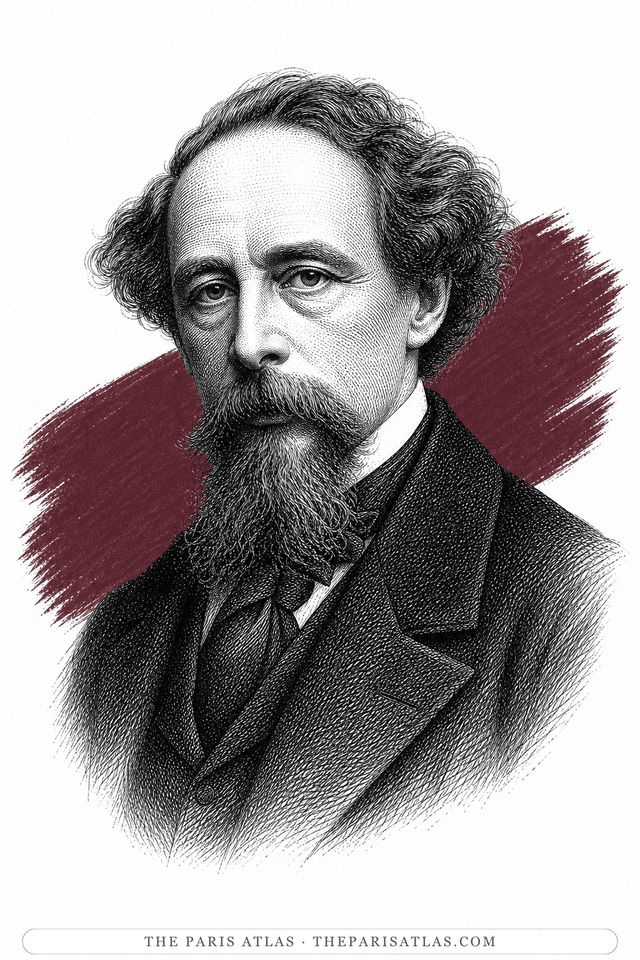
Charles Dickens
The most popular English novelist of the nineteenth century, who was never a Paris resident in the ordinary sense but kept coming back for twenty-five years: one winter in a rented mansion on the rue de Courcelles, a second winter on the Champs-Élysées writing Little Dorrit, repeated compulsive visits to the Paris Morgue — the riverside building where the city displayed its unidentified dead to the public — and a novel of the French Revolution, A Tale of Two Cities, that has shaped how English readers picture Paris ever since.
View author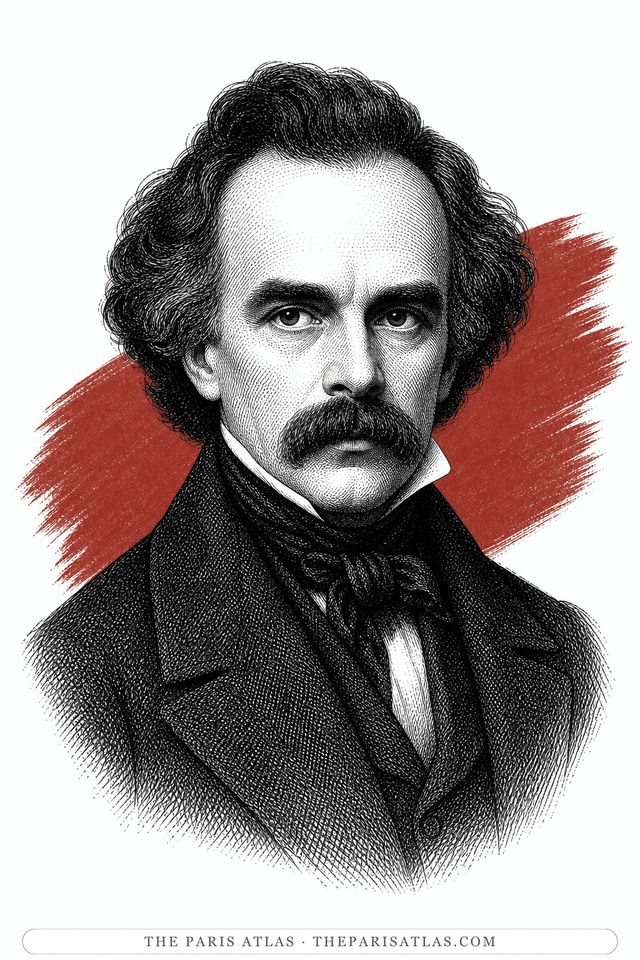
Nathaniel Hawthorne
Author of The Scarlet Letter, who passed through Paris for one week in January 1858 on his way from the American consulate at Liverpool to Italy — and wrote it all down. He found the city more magnificent than London and colder than anything in America: "new, bright, magnificent, and desperately cold." He left saying he was quite tired of Paris and longed for home.
View author