
Katharine Clifton
The young married traveler whose affair with Almásy becomes inseparable from secrecy, violence, and years of waiting in the cave.
To experience a love and intellectual life beyond the part assigned to her as Geoffrey's wife, without losing control of herself.
The book

At a glance
- English
- Geoffrey Clifton
- Almásy
- Traveler, reader, and participant
Who they are in the book
Spoiler-freeKatharine arrives in the desert with her husband Geoffrey and enters a male expedition world organized around routes, weather, maps, and camp routines. She reads, tells stories, and refuses to remain merely an observer attached to the airplane and its pilot.
Her affair with Almásy is passionate but not presented as gentle or pure. Desire, secrecy, anger, and physical violence become entangled. She ends the affair before Geoffrey's crash, but its consequences continue.
Katharine survives the crash with severe injuries. Almásy carries her to the Cave of Swimmers and promises to return. She dies there during the years he is unable to reach her, leaving words and memory rather than a reunion.
How Katharine Clifton Is Portrayed
- A reader in the expedition campBooks and recited stories give her an active presence among maps and instruments.
- Practical desert clothingTravel places her in camp clothes and harsh light rather than the film's continuous romantic glamour.
- An outsider who pays attentionShe enters a formed group and learns its people, stories, and rival silences.
- Anger expressed physicallyThe affair includes blows and scratches, evidence of a relationship the book refuses to make safely ideal.
- A voice preserved in writingHer words in the cave outlast the body Almásy returns to recover.
- Defined by more than the crashCuriosity, reading, judgment, secrecy, and the decision to end the affair precede her final injury.
Geoffrey's crash kills him and gravely injures Katharine. Almásy leaves her in the cave while seeking help. When he returns years later, she is dead; he carries her body to the plane that later burns.
If you like The English Patient


If you like Michael Ondaatje
Explore authors with a similar voice, perspective, and influence.
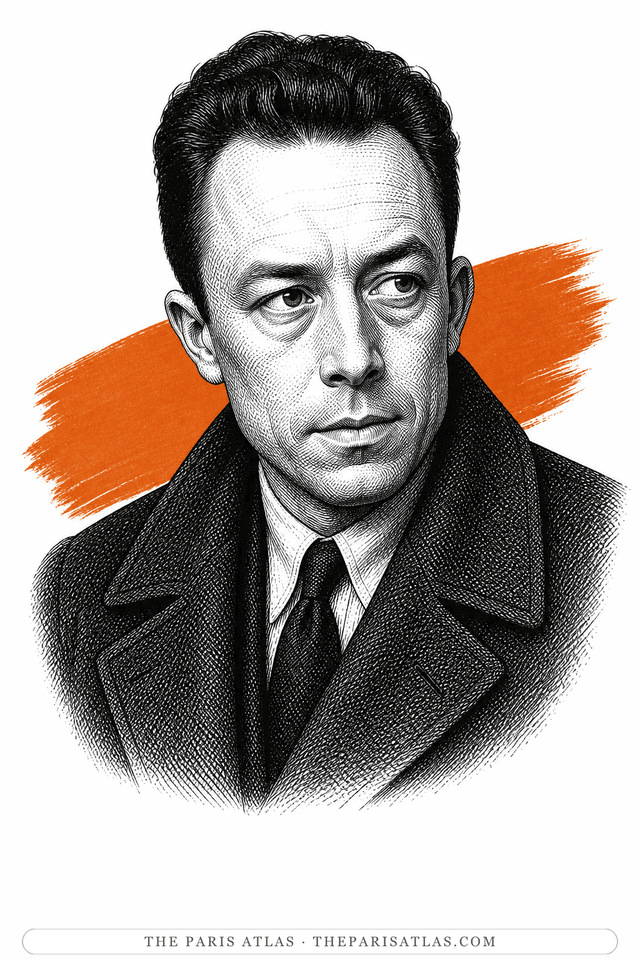
Albert Camus
French Algerian novelist, essayist, journalist and playwright who used the absurd and revolt to ask how people should live without false consolation.
View author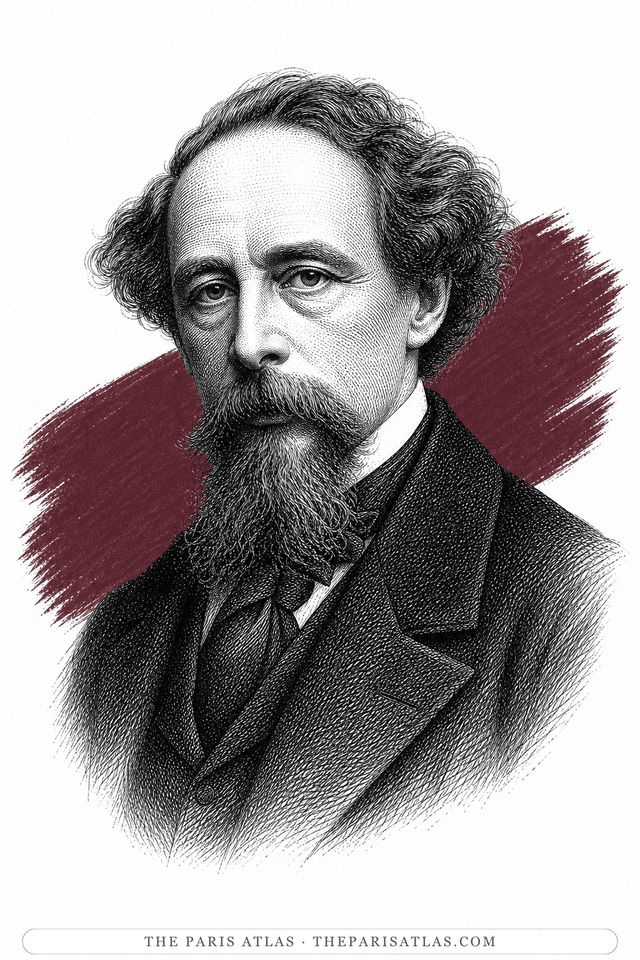
Charles Dickens
The most popular English novelist of the nineteenth century, who was never a Paris resident in the ordinary sense but kept coming back for twenty-five years: one winter in a rented mansion on the rue de Courcelles, a second winter on the Champs-Élysées writing Little Dorrit, repeated compulsive visits to the Paris Morgue — the riverside building where the city displayed its unidentified dead to the public — and a novel of the French Revolution, A Tale of Two Cities, that has shaped how English readers picture Paris ever since.
View author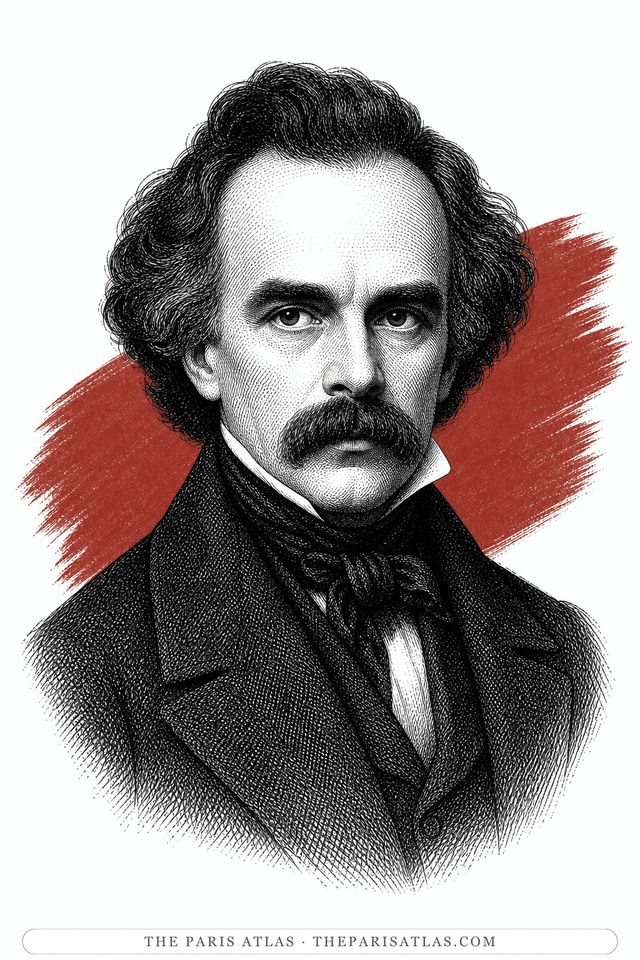
Nathaniel Hawthorne
Author of The Scarlet Letter, who passed through Paris for one week in January 1858 on his way from the American consulate at Liverpool to Italy — and wrote it all down. He found the city more magnificent than London and colder than anything in America: "new, bright, magnificent, and desperately cold." He left saying he was quite tired of Paris and longed for home.
View author