
Prince Kemal el Din
An Egyptian prince and desert explorer who represents the collaborative exploration world surrounding Almásy before the war.
To extend careful exploration of the desert through resources, field knowledge, and collaboration with other explorers.
The book

At a glance
- Desert explorer
- Egyptian
- The prewar exploration world around Almásy
Who they are in the book
Spoiler-freePrince Kemal el Din belongs to the historical and fictional network of desert explorers whose routes, maps, vehicles, and discoveries form the world Almásy enters before the Second World War.
His presence makes clear that the exploration story is not the achievement of one isolated European hero. The desert is mapped through overlapping Egyptian, European, aristocratic, technical, and local forms of knowledge.
The war later breaks that community into national categories and turns shared geographical work into strategic material. Remembering the prince helps readers see what is lost when the expedition world becomes an intelligence map.
How Prince Kemal el Din Is Portrayed
- Egyptian explorerHe belongs to the region's modern exploration history rather than appearing as scenery for Almásy's work.
- Resources and accessRoyal status supports expeditions, but successful desert travel still depends on practical knowledge and cooperation.
- Part of a networkThe novel places names, maps, routes, and discoveries in a collaborative world larger than its central affair.
- History inside fictionOndaatje mixes real exploration names with invented private stories, so the character should not be read as a complete biography of the historical prince.
The international exploration world does not survive the war intact. Routes and maps become intelligence, and people who once worked across borders are judged through national allegiance.
If you like The English Patient


If you like Michael Ondaatje
Explore authors with a similar voice, perspective, and influence.
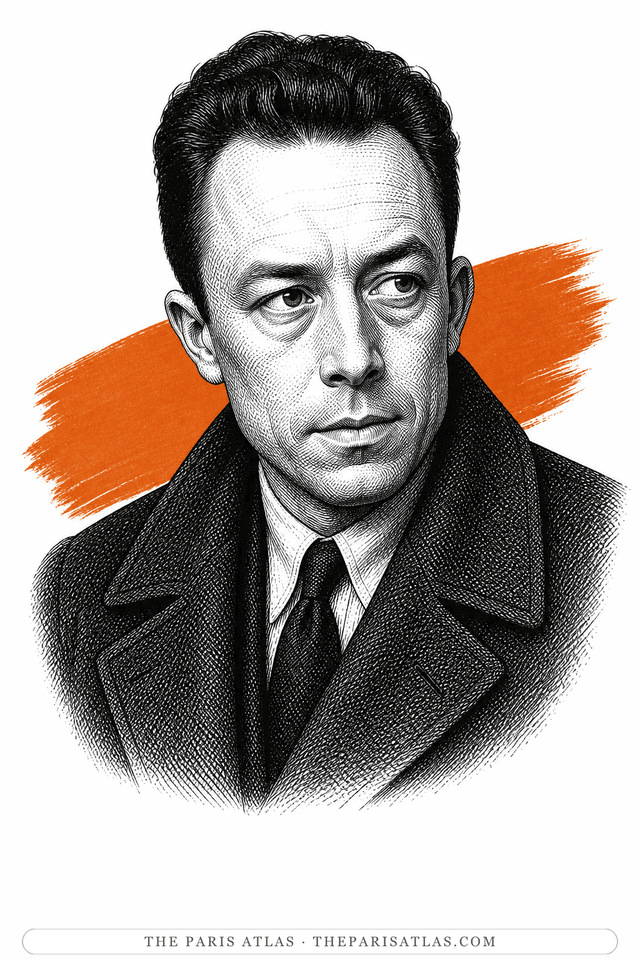
Albert Camus
French Algerian novelist, essayist, journalist and playwright who used the absurd and revolt to ask how people should live without false consolation.
View author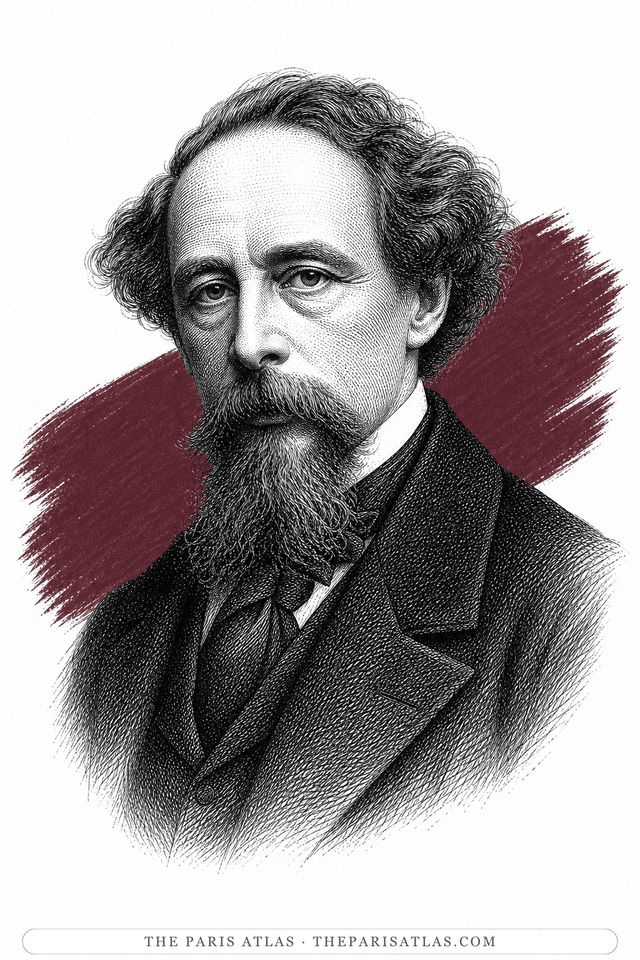
Charles Dickens
The most popular English novelist of the nineteenth century, who was never a Paris resident in the ordinary sense but kept coming back for twenty-five years: one winter in a rented mansion on the rue de Courcelles, a second winter on the Champs-Élysées writing Little Dorrit, repeated compulsive visits to the Paris Morgue — the riverside building where the city displayed its unidentified dead to the public — and a novel of the French Revolution, A Tale of Two Cities, that has shaped how English readers picture Paris ever since.
View author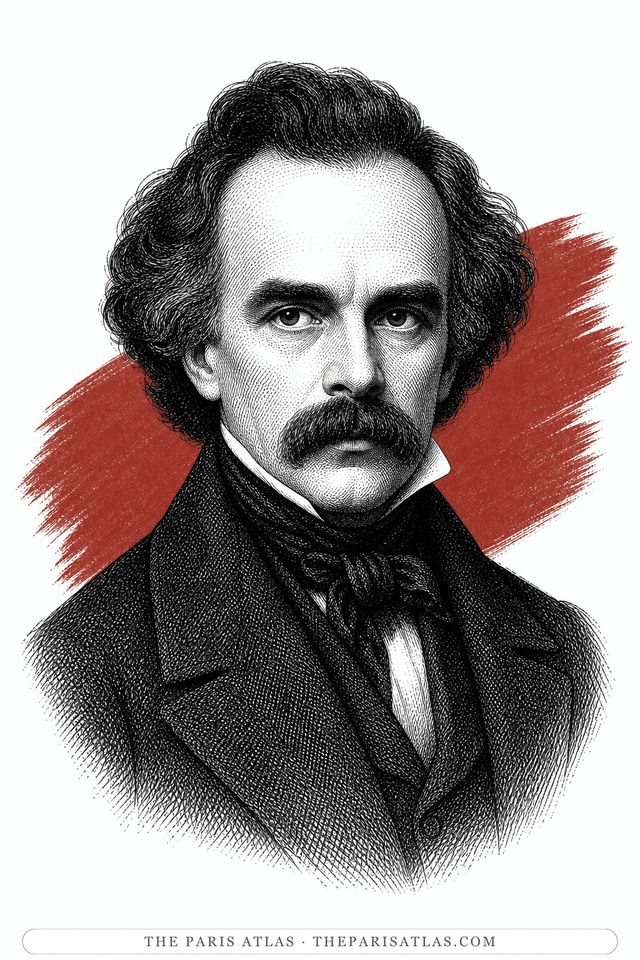
Nathaniel Hawthorne
Author of The Scarlet Letter, who passed through Paris for one week in January 1858 on his way from the American consulate at Liverpool to Italy — and wrote it all down. He found the city more magnificent than London and colder than anything in America: "new, bright, magnificent, and desperately cold." He left saying he was quite tired of Paris and longed for home.
View author