
Patrick
Hana's Canadian father, whose death from burns shapes her attachment to a patient injured in the same way.
To remain connected to Hana across wartime distance and return to the Canadian family life the war interrupts.
The book

At a glance
- Canadian
- Hana
- Europe
- Dies from burn injuries
Who they are in the book
Spoiler-freePatrick belongs to Hana's Canadian life before the villa. His relationship with her is remembered rather than played out in the 1945 present. News of him reaches Hana through war's delayed and incomplete communications.
He is wounded in Europe and dies from burns. Hana cannot reach him or care for him. The manner of death makes her devotion to the burned English patient emotionally direct without turning the patient into a literal replacement.
Patrick's absence also connects Hana and Caravaggio. Caravaggio knew the family before the war and recognizes how grief has narrowed Hana's life.
How Patrick Is Portrayed
- Present through letters and memoryThe novel gives Hana fragments of a father at a distance rather than a continuous wartime portrait.
- Canadian service in EuropeHis location ties Hana's home history directly to the Italian war she nurses through.
- A father's private addressHana remembers relationship and voice beyond the official message reporting his fate.
- Burn injuriesHe dies after being burned, a fact that changes how Hana sees the patient's body.
- An absence inside the villaHe never enters its rooms, yet much of Hana's caretaking is organized around what she could not do for him.
- A link to CaravaggioTheir shared Canadian past lets Caravaggio understand Hana's grief more personally than the other residents can.
Patrick dies after being burned in Europe. Hana's inability to nurse him contributes to her decision to remain with another burned man after the military hospital leaves.
If you like The English Patient


If you like Michael Ondaatje
Explore authors with a similar voice, perspective, and influence.
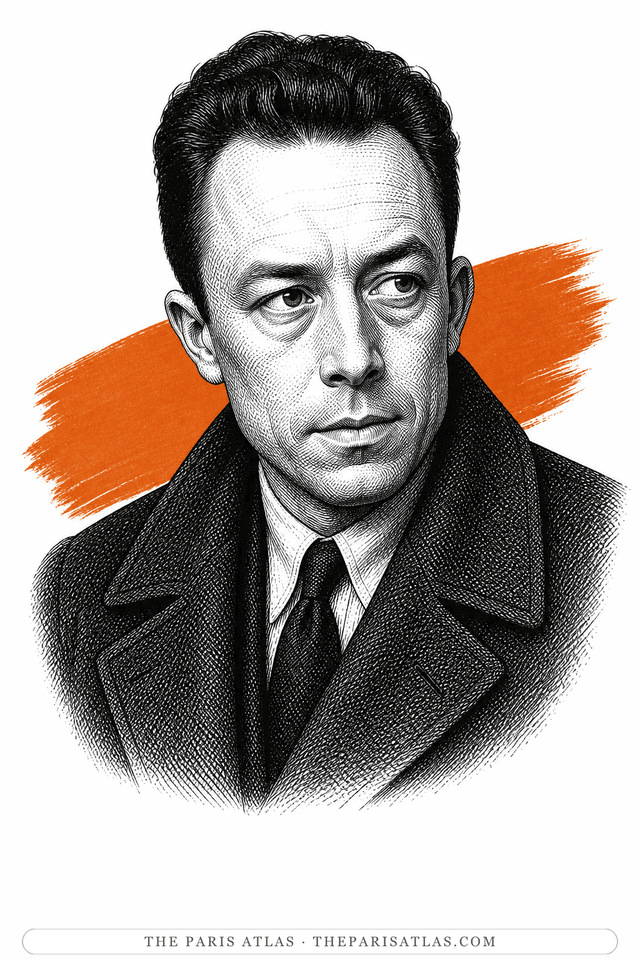
Albert Camus
French Algerian novelist, essayist, journalist and playwright who used the absurd and revolt to ask how people should live without false consolation.
View author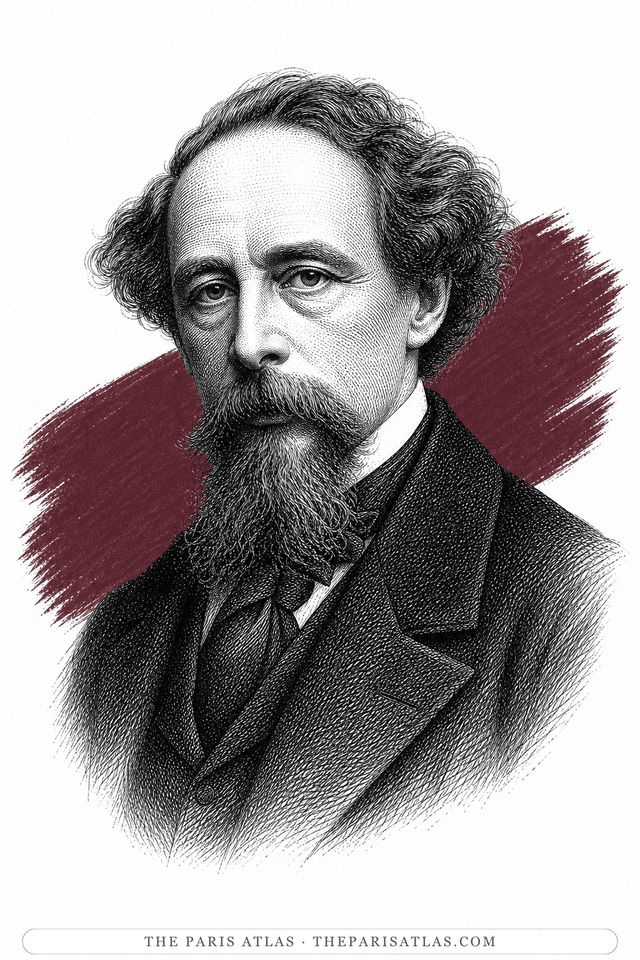
Charles Dickens
The most popular English novelist of the nineteenth century, who was never a Paris resident in the ordinary sense but kept coming back for twenty-five years: one winter in a rented mansion on the rue de Courcelles, a second winter on the Champs-Élysées writing Little Dorrit, repeated compulsive visits to the Paris Morgue — the riverside building where the city displayed its unidentified dead to the public — and a novel of the French Revolution, A Tale of Two Cities, that has shaped how English readers picture Paris ever since.
View author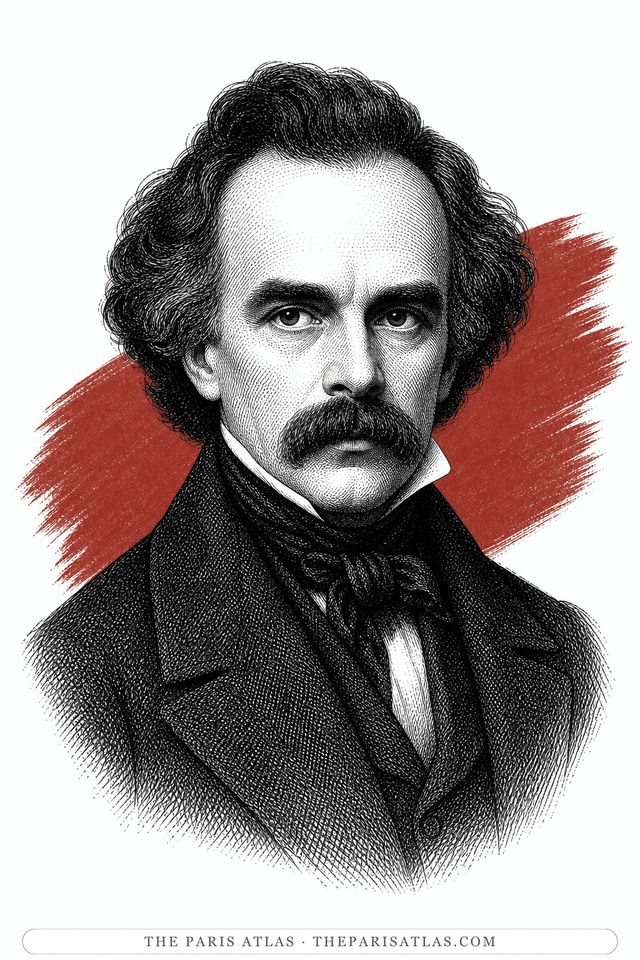
Nathaniel Hawthorne
Author of The Scarlet Letter, who passed through Paris for one week in January 1858 on his way from the American consulate at Liverpool to Italy — and wrote it all down. He found the city more magnificent than London and colder than anything in America: "new, bright, magnificent, and desperately cold." He left saying he was quite tired of Paris and longed for home.
View author