
Madox
Almásy's closest expedition companion, whose quiet loyalty ends when nationalism consumes the world they mapped together.
To continue careful desert exploration and preserve the companionship and international exchange built around it.
The book

At a glance
- English
- Desert explorer
- Almásy
- Surveying, field notes, and observation
Who they are in the book
Spoiler-freeMadox is Almásy's closest friend in the desert group. He is methodical, restrained, and committed to observation. Their companionship is built through long travel, instruments, field notes, plants, weather, and the practical trust required in remote country.
When war begins, Madox returns to England and Almásy remains in North Africa. The international community they valued breaks into national allegiances.
In England, Madox hears a sermon praising the war and dies by suicide in the church. Almásy interprets the death as another destruction caused by nations, though the novel does not reduce Madox's private despair to a slogan.
How Madox Is Portrayed
- A field notebookRecording plants, weather, routes, and discoveries expresses his patient approach to knowledge.
- Surveying instrumentsHe works through measurement rather than dramatic claims of conquest.
- Quiet companionshipHis friendship with Almásy grows from shared work and long stretches of desert travel.
- A pressed plantBotanical attention represents the small exact observations that give the expedition meaning.
- Return to EnglandWar replaces the desert camp with a national home that no longer feels morally stable.
- Restraint that hides despairHis calm field manner gives little preparation for the final act in the church.
After returning to England, Madox hears a nationalistic sermon and shoots himself in the church. His death becomes part of Almásy's argument against nations and one more sign that the prewar expedition world cannot survive unchanged.
If you like The English Patient


If you like Michael Ondaatje
Explore authors with a similar voice, perspective, and influence.
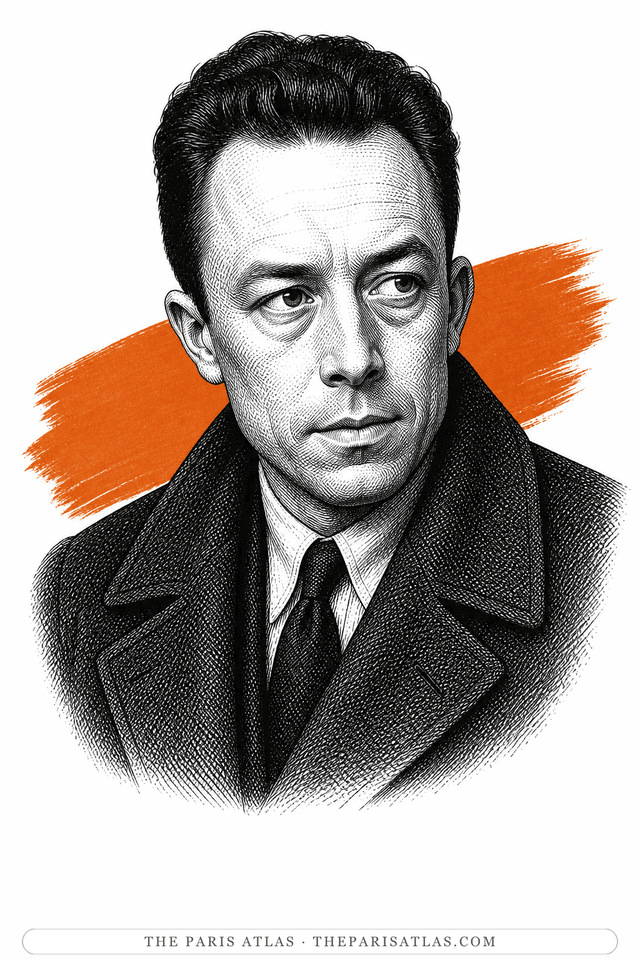
Albert Camus
French Algerian novelist, essayist, journalist and playwright who used the absurd and revolt to ask how people should live without false consolation.
View author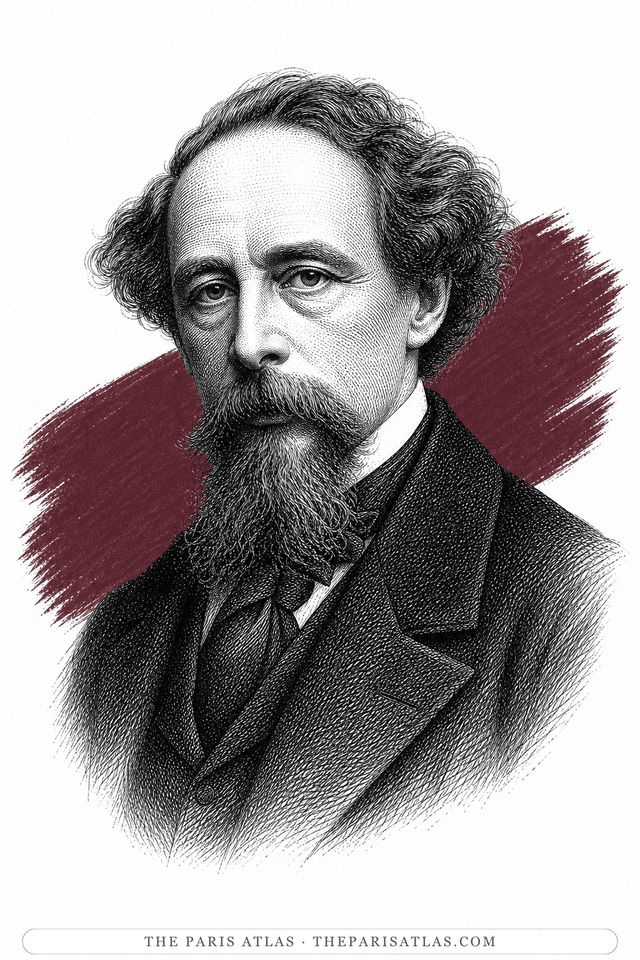
Charles Dickens
The most popular English novelist of the nineteenth century, who was never a Paris resident in the ordinary sense but kept coming back for twenty-five years: one winter in a rented mansion on the rue de Courcelles, a second winter on the Champs-Élysées writing Little Dorrit, repeated compulsive visits to the Paris Morgue — the riverside building where the city displayed its unidentified dead to the public — and a novel of the French Revolution, A Tale of Two Cities, that has shaped how English readers picture Paris ever since.
View author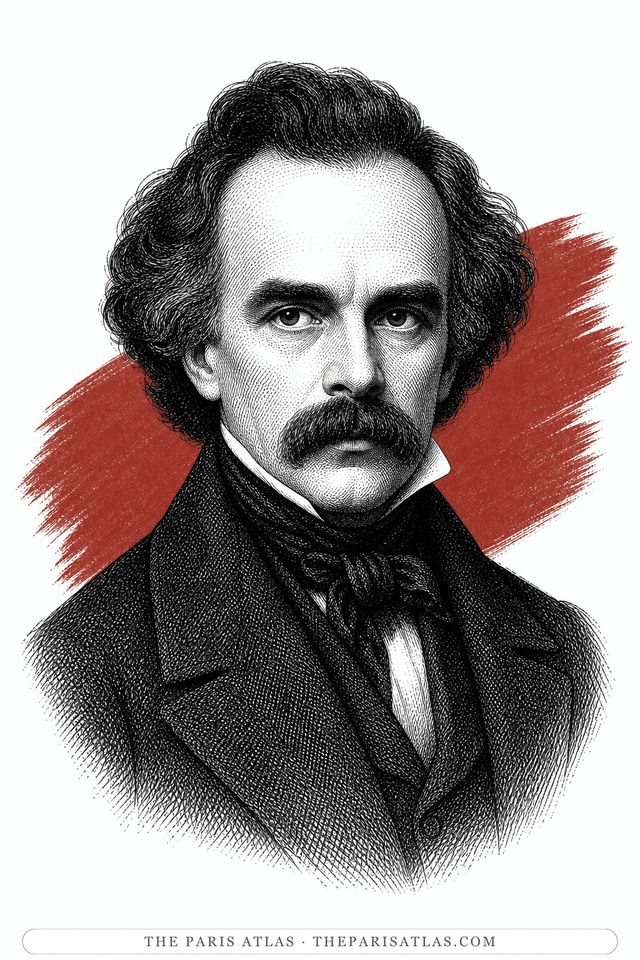
Nathaniel Hawthorne
Author of The Scarlet Letter, who passed through Paris for one week in January 1858 on his way from the American consulate at Liverpool to Italy — and wrote it all down. He found the city more magnificent than London and colder than anything in America: "new, bright, magnificent, and desperately cold." He left saying he was quite tired of Paris and longed for home.
View author