
Animal Farm
Both books show authority creating its own reality, though Orwell makes the mechanism politically legible while Kafka keeps the source of power obscure.
Read our take
by Franz Kafka
A man is arrested without a charge and trapped inside rules controlled by authorities who refuse to explain them.
Josef K. enters a legal system whose language, procedures, and standards remain just out of reach. Authority defines reality while the powerless must still obey it.
On the morning of his thirtieth birthday, Josef K. is arrested in his boardinghouse by two men who refuse to tell him what he has done. They do not take him to prison. He is allowed to go to work at the bank and continue his ordinary life, but an unseen court has opened a case against him. From that moment forward, the case begins taking over his time, his attention, and eventually his sense of who he is.
Josef tries to treat the charge as an administrative mistake that an intelligent man can clear up. Instead, every attempt to reach the court leads him into cramped attics, obscure offices, compromised lawyers, frightened defendants, and officials who speak as though guilt has already been established. No one can state the law plainly. The system is everywhere, yet no single person seems fully in charge of it.
Kafka left the novel unfinished, and the order of several chapters was established after his death by his friend and editor Max Brod. Even so, its ending is complete enough to give the story a brutal final shape. The Trial is funny, humiliating, frightening, and deliberately unresolved. It does not reveal Josef’s alleged crime. Its real pressure comes from watching a self-confident man enter a system whose rules cannot be learned and whose judgment cannot be escaped.
Josef K. is a senior bank employee living in a boardinghouse run by Frau Grubach. On his thirtieth birthday, two warders named Franz and Willem enter his room, eat his breakfast, and tell him he is under arrest. An Inspector conducts a strange hearing in another lodger’s room while three junior employees from Josef’s bank watch. Josef demands an explanation, but the officials provide none. They then release him to go about his work, making the arrest feel both absurd and ominously real.
That evening, Josef discusses the incident with Frau Grubach and later enters Fräulein Bürstner’s room to reenact the arrest for her. His agitation turns intrusive, and he kisses her without consent before leaving. Soon afterward he receives a vague summons to attend a hearing on Sunday. After searching through a crowded tenement, he finds the courtroom hidden in an attic behind a family’s living quarters. Josef delivers an angry speech accusing the court of corruption, but the audience he thought he had won turns out to be filled with court officials.
Josef returns to the tenement without being summoned and meets the court usher’s wife. She tells him that judges and students harass her and offers to help him, but a law student carries her away. The usher leads Josef into the court offices, a maze of airless rooms crowded with frightened defendants. Josef becomes physically ill there. Later, at the bank, he discovers Franz and Willem being flogged in a storage closet because he complained about their conduct. He tries to stop the punishment but cannot, and the scene appears unchanged when he opens the closet again the next day.
Josef’s uncle Karl learns about the trial and takes him to Advocate Huld, a bedridden lawyer who claims to have influence with court officials. Huld’s nurse, Leni, draws Josef away from the meeting and begins an affair with him. The lawyer produces no visible progress. As the case begins interfering with Josef’s work, a manufacturer at the bank recommends Titorelli, a painter who makes portraits for the court. Titorelli explains that a true acquittal is almost unknown. The practical choices are an “apparent acquittal,” which can be revoked at any time, or an indefinite postponement that keeps the case permanently alive.
Josef grows convinced that Huld is prolonging the case and decides to dismiss him. At the lawyer’s home, he meets Rudi Block, a merchant whose trial has continued for five years. Block has spent much of his fortune on lawyers and lives in humiliating dependence on Huld and Leni. Huld summons Block, keeps him kneeling beside the bed, and discusses him as if he were an obedient animal. Josef sees what years inside the court have done to another defendant and becomes more determined to manage his own case.
The bank asks Josef to show an Italian client the cathedral, but the client never arrives. In the dark church, a priest calls Josef by name and identifies himself as the prison chaplain. He tells Josef that his case is going badly and recites the parable “Before the Law,” in which a man spends his life waiting for permission to enter a doorway that was intended only for him. Josef and the priest argue over whether the doorkeeper deceives the man. The priest refuses to supply a final interpretation and tells Josef that the court does not seek him; it receives him when he comes and releases him when he goes.
On the eve of Josef’s thirty-first birthday, two formally dressed men arrive at his apartment. Josef understands that they have come for him and walks with them through the city to an abandoned quarry. They place his head on a stone and pass a butcher’s knife between them, as though expecting him to kill himself. He does not. One man holds him while the other drives the knife into his heart and turns it twice.
Josef dies in the quarry after a year of trying to defend himself against a charge that is never named. His executioners do not present a sentence, a warrant, or an explanation. By this point, the court no longer needs to persuade him that it has authority. He cooperates with the walk out of the city and offers only brief resistance at the end.
Before the knife enters him, Josef sees a light in a distant window and a figure reaching outward. He cannot tell who the person is or whether help is possible. The image gives him a last moment of uncertainty: perhaps there was another choice, another judge, or another form of human connection that he failed to reach.
His final response is shame. As he dies, he thinks that the disgrace will outlive him, and his last words compare his death to that of a dog. The court has not proved a crime, but it has changed the way Josef sees himself. Kafka ends with punishment replacing judgment and shame surviving even when the reason for it remains unknowable.
The ending should not be presented as proof that Josef was legally guilty or innocent. Kafka never supplies the charge, and the unfinished manuscript prevents a single final explanation. The novel instead leaves the reader with a system that can impose guilt without evidence and a man who gradually internalizes its verdict.
The court never tells Josef what law he has broken. This removes the normal relationship between accusation, evidence, and defense. Josef may be selfish, arrogant, or sexually aggressive in his private conduct, but those faults are not presented as the official charge. The novel keeps legal guilt, moral guilt, and the human feeling of guilt close enough to disturb one another without making them identical.
The court occupies attics, bedrooms, closets, offices, and the cathedral. Its officials range from warders to judges to painters, yet no one can point to a final authority. The system is powerful precisely because responsibility is dispersed. Each person claims to be only a small part of something larger.
Josef begins by laughing at the case. He continues working and insists that he can control it. Gradually, however, he spends more time seeking introductions, waiting in rooms, studying legal possibilities, and imagining how others see him. The court wins space in his life before it takes his body.
Huld, Leni, Titorelli, and even the priest appear to offer access or understanding. None can secure a true acquittal. Their help draws Josef deeper into the court’s world and teaches him to accept its assumptions. Block shows the extreme result: a defendant who has given away his money, dignity, and judgment to people who claim to manage his case.
Josef repeatedly seeks women connected to the case, and Leni claims accused men are unusually attractive. These encounters offer momentary intimacy but also reproduce the novel’s confused power relations. Josef intrudes on Bürstner, the court student carries off the usher’s wife, and Leni combines sexual attention with legal influence. Desire never becomes a clean escape from the system.
The cathedral parable compresses the novel into a story about waiting for access to authority. The man from the country obeys the doorkeeper for his entire life even though the entrance was made for him alone. The priest then supplies incompatible interpretations. The point is not that one hidden explanation solves the case, but that interpretation itself can become another corridor inside the law.
Josef’s last thought is not that the verdict was unjust. It is that shame will survive him. The court’s deepest victory may be its ability to make punishment feel like evidence. Once Josef dies believing that disgrace belongs to him, the system no longer needs to name his offense.
Kafka writes the impossible in a calm, practical manner. Warders eat Josef’s breakfast, a courtroom operates inside a tenement bedroom, and a flogging continues in a bank closet as though these were administrative inconveniences rather than violations of reality. The sentences rarely announce that the situation is surreal. Their seriousness is what makes the absurdity funny and frightening.
The novel also moves according to the logic of anxiety. Rooms become too hot, conversations produce more questions than answers, and apparent exits lead into another branch of the same system. Josef reasons constantly, but his intelligence does not create clarity. Kafka lets logical argument continue inside a world where the premises can never be verified.
Translation and edition matter. Kafka left loose chapter packets rather than a final ordered manuscript, and Max Brod arranged them for the 1925 publication. The long-standard Willa and Edwin Muir translation followed Brod’s edition. Breon Mitchell’s 1998 translation uses the restored critical text and preserves more of Kafka’s speed, humor, repetition, and unresolved wording. Other modern translations make different choices, so claims that one English phrase proves a single interpretation should be treated carefully.
The manuscript was unfinished and consisted of loose chapter packets. Max Brod chose an order, supplied a title, and prepared the 1925 edition. Later scholars revisited both the sequence and punctuation. Readers should therefore be cautious about treating chapter order as unquestionably Kafka’s final design.
The Muir translation shaped English-language reception for decades but followed Brod’s edited text and often gave Kafka a more solemn, religious tone. Idris Parry’s Penguin translation is direct and readable. Breon Mitchell’s Schocken edition is based on the restored text and includes unfinished fragments, making it especially useful for readers interested in the manuscript’s condition. Mike Mitchell’s Oxford edition offers another modern rendering with substantial notes.
Because the opening sentence contains an ambiguity that English cannot reproduce exactly, translations differ over whether Josef had done “nothing wrong,” “nothing truly wrong,” or something similarly qualified. No single English wording should be used to close the question of his guilt.
Orson Welles wrote and directed the 1962 film, starring Anthony Perkins as Josef K. Welles changes the setting, visual order, and some narrative details while creating one of the best-known cinematic versions of Kafka’s nightmare. It should be discussed as a strong interpretation, not as a scene-by-scene substitute for the novel.
David Hugh Jones directed a 1993 film from a screenplay by Harold Pinter, with Kyle MacLachlan as Josef K., Anthony Hopkins as the priest, and Jason Robards as Huld. It follows the central plot more closely than Welles’s film but still selects from an unfinished book.
Steven Berkoff’s 1970 stage adaptation uses physical theater and ensemble movement to embody the court’s pressure. Earlier theatrical versions include André Gide and Jean-Louis Barrault’s influential 1947 French adaptation. Gottfried von Einem’s opera Der Prozess premiered in 1953, and Philip Glass’s chamber opera The Trial premiered in 2014.
No adaptation can resolve the manuscript’s uncertain chapter order without making editorial choices of its own. Page copy should distinguish Kafka’s text from the sequence, dialogue, and visual inventions of each production.
The changing commandments of Animal Farm become an entire incomprehensible institution.
Josef K.’s inability to learn the charge or rules makes every attempt to defend himself uncertain.
Absurd procedures expose the institution’s power while making its routines unsettlingly familiar.
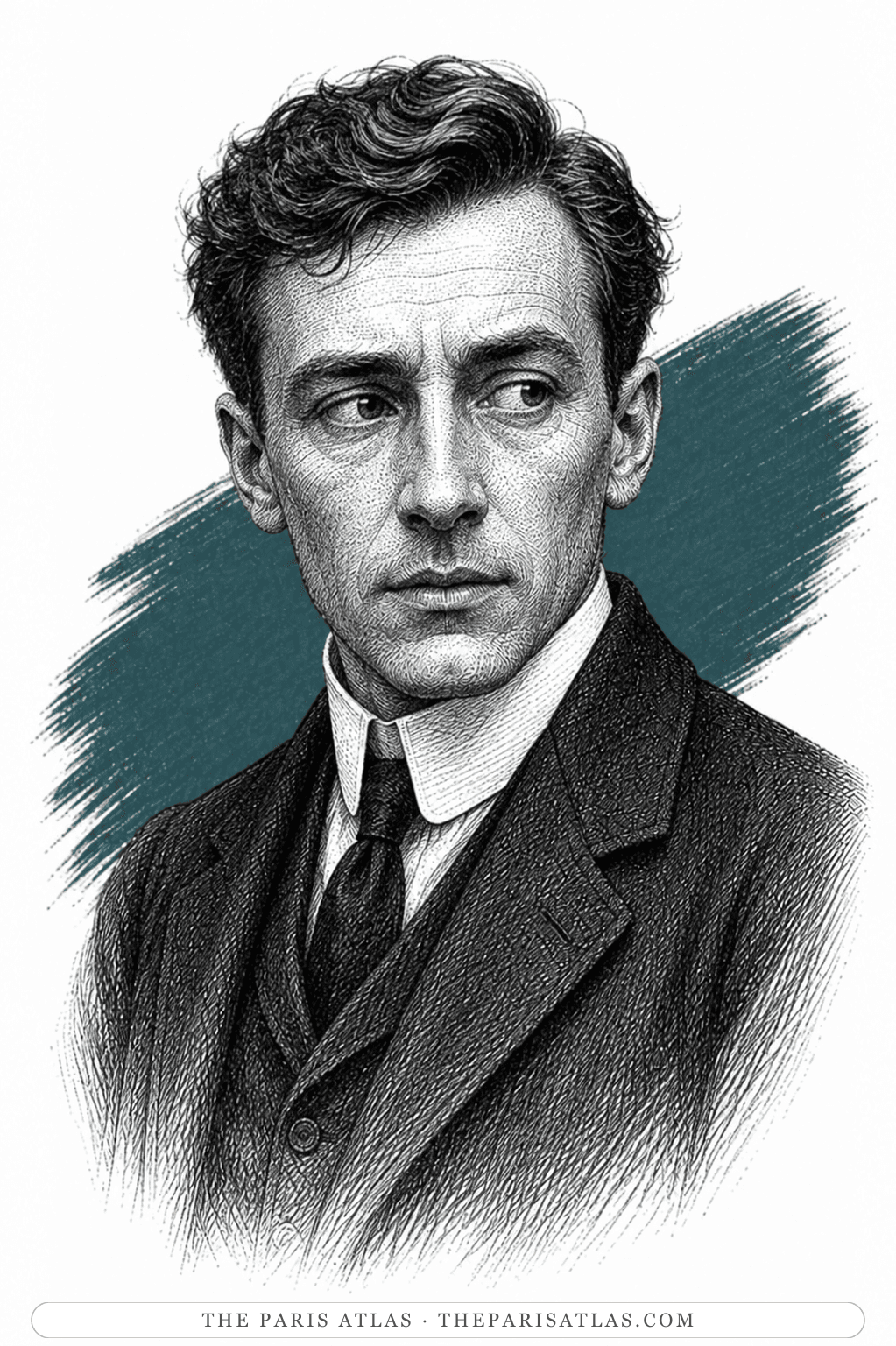
Josef K.
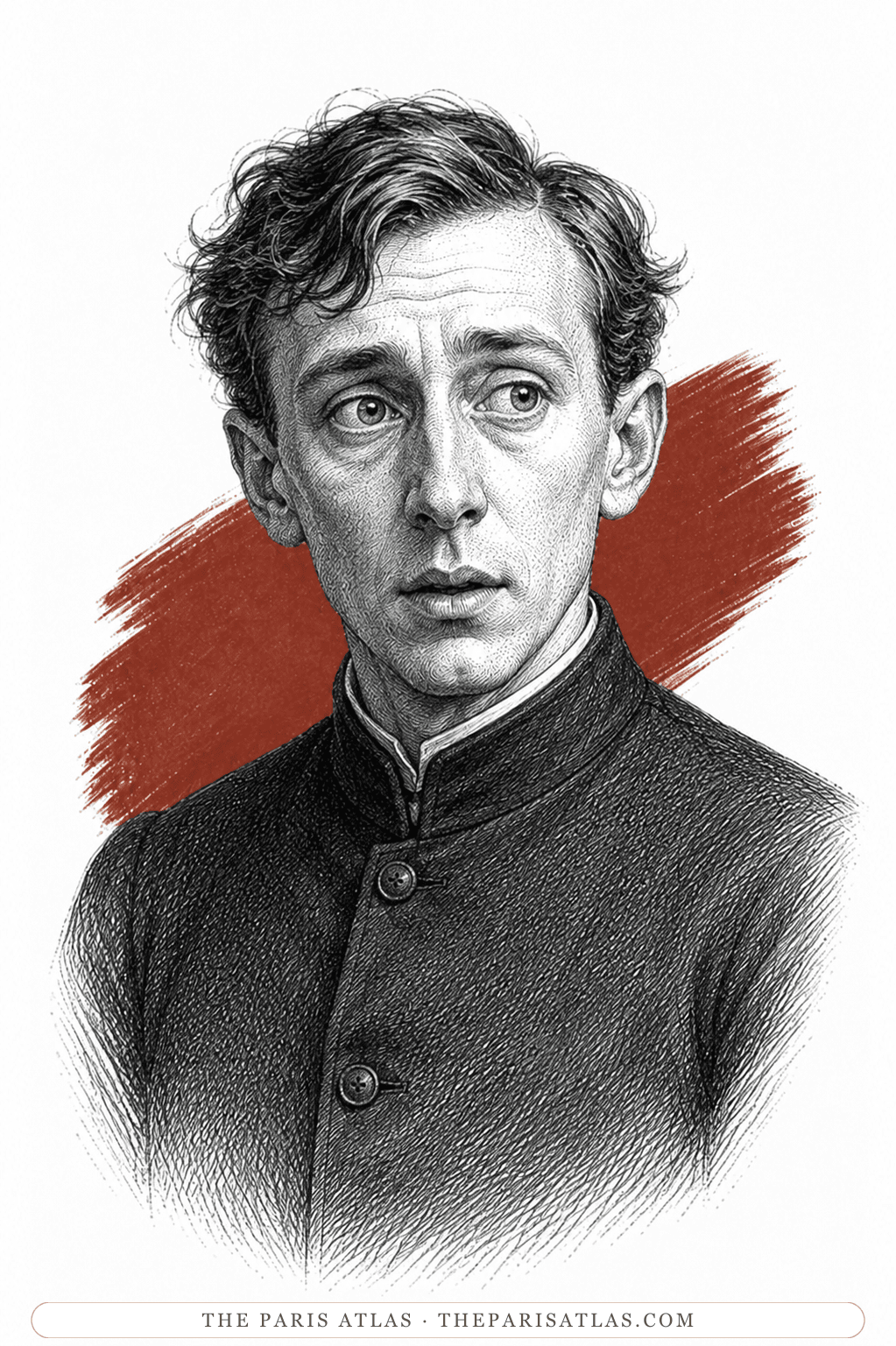
Franz is one of the two warders who arrest Josef in his boardinghouse.
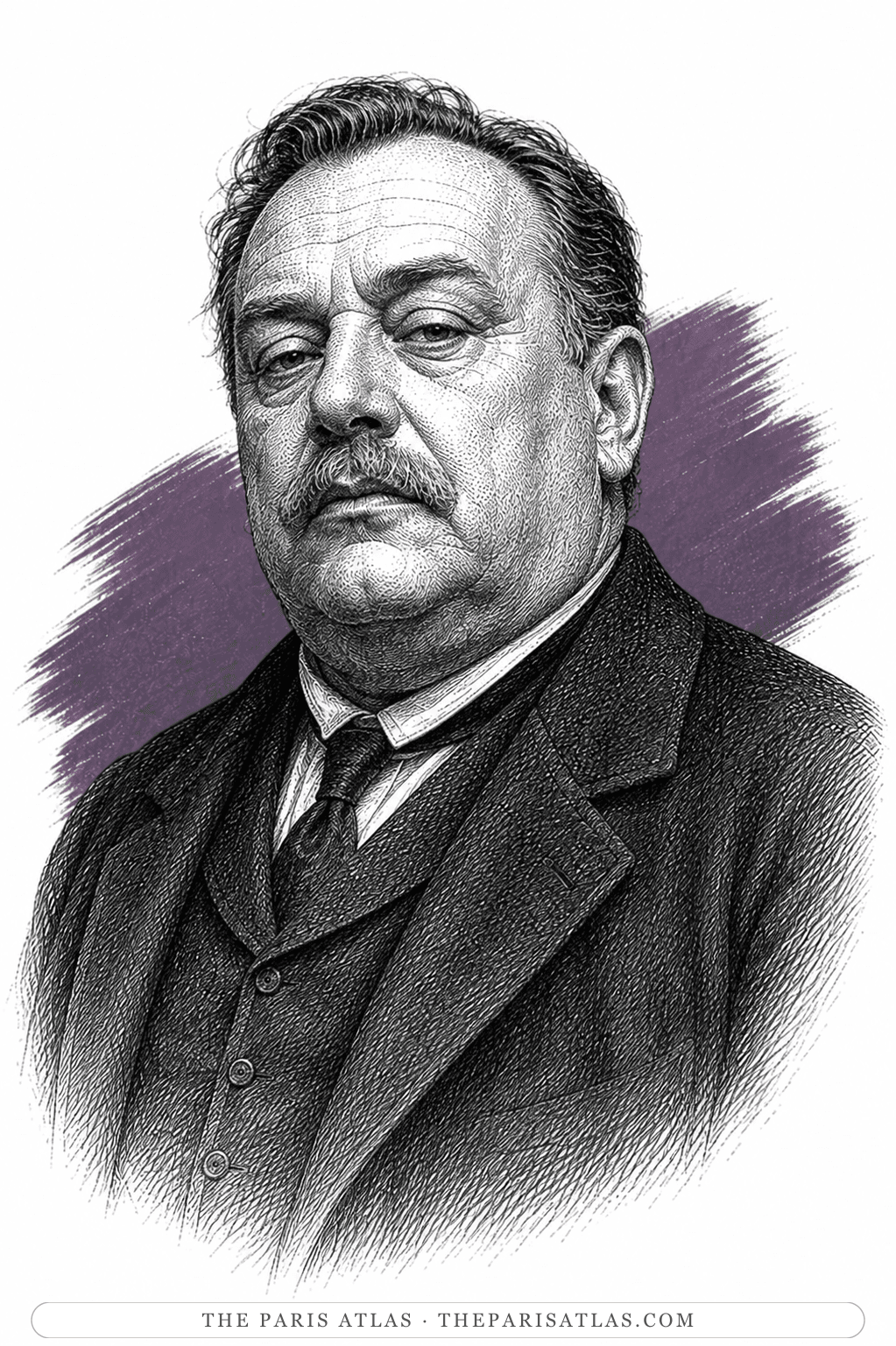
Willem is the larger and more self-assured of the arresting warders.
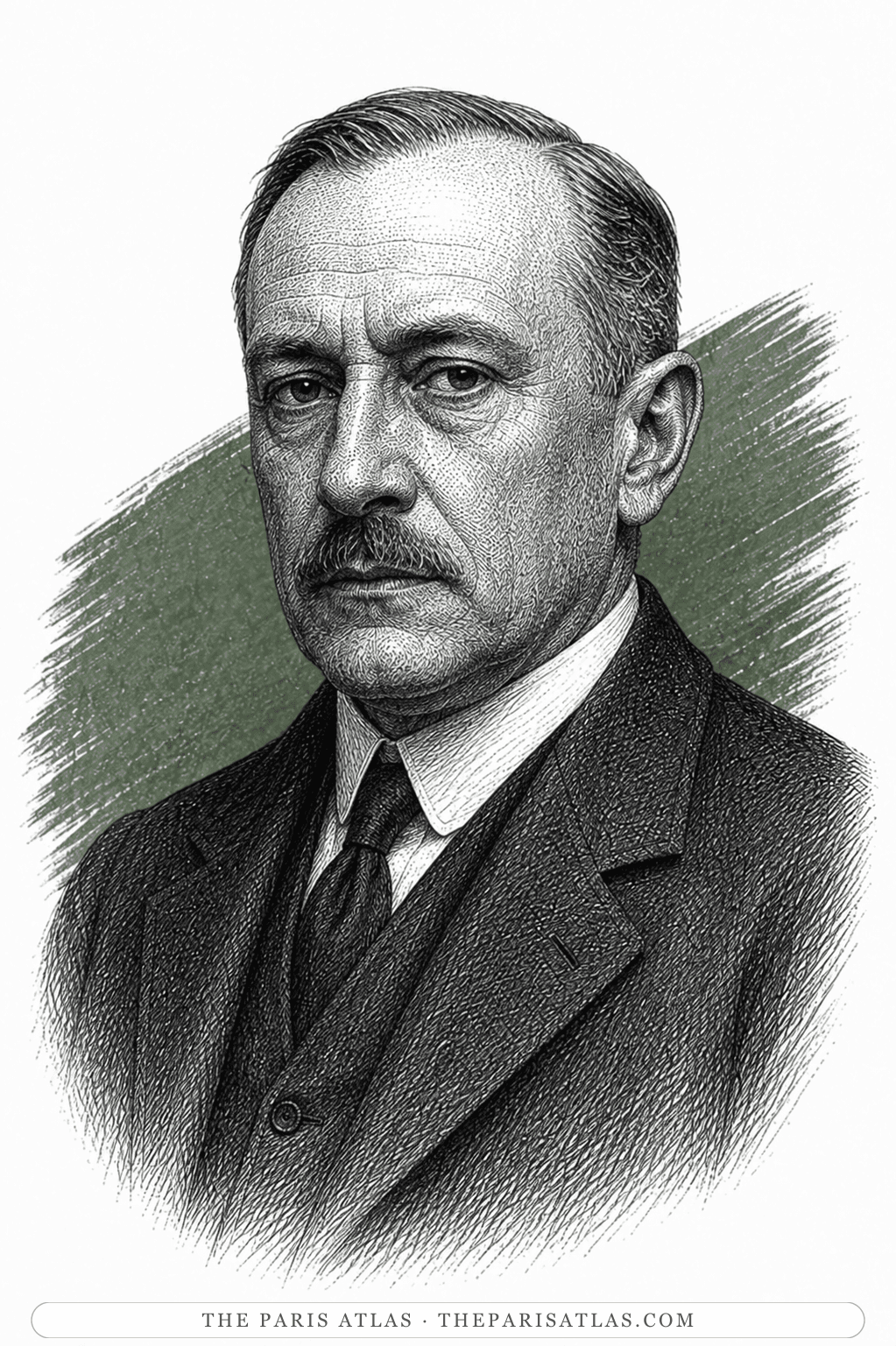
The Inspector supervises Josef’s initial arrest from Fräulein Bürstner’s room.
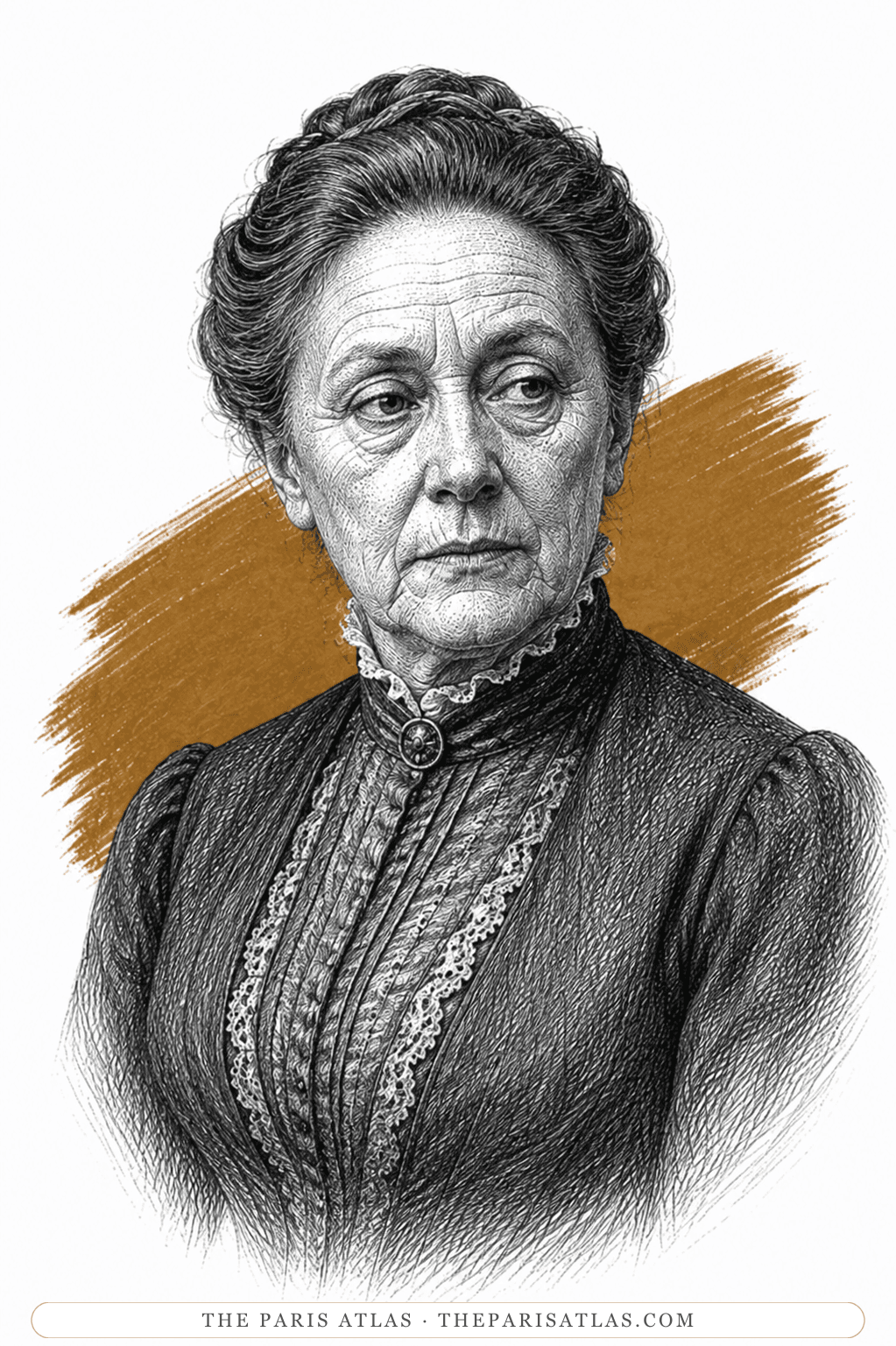
Frau Grubach is Josef’s landlady.

Fräulein Bürstner is a young typist who rents a room in Frau Grubach’s boardinghouse.

Fräulein Montag is another lodger who moves into Bürstner’s room and speaks to Josef on her behalf.

The washerwoman lives with her husband in the room used for Josef’s first hearing.
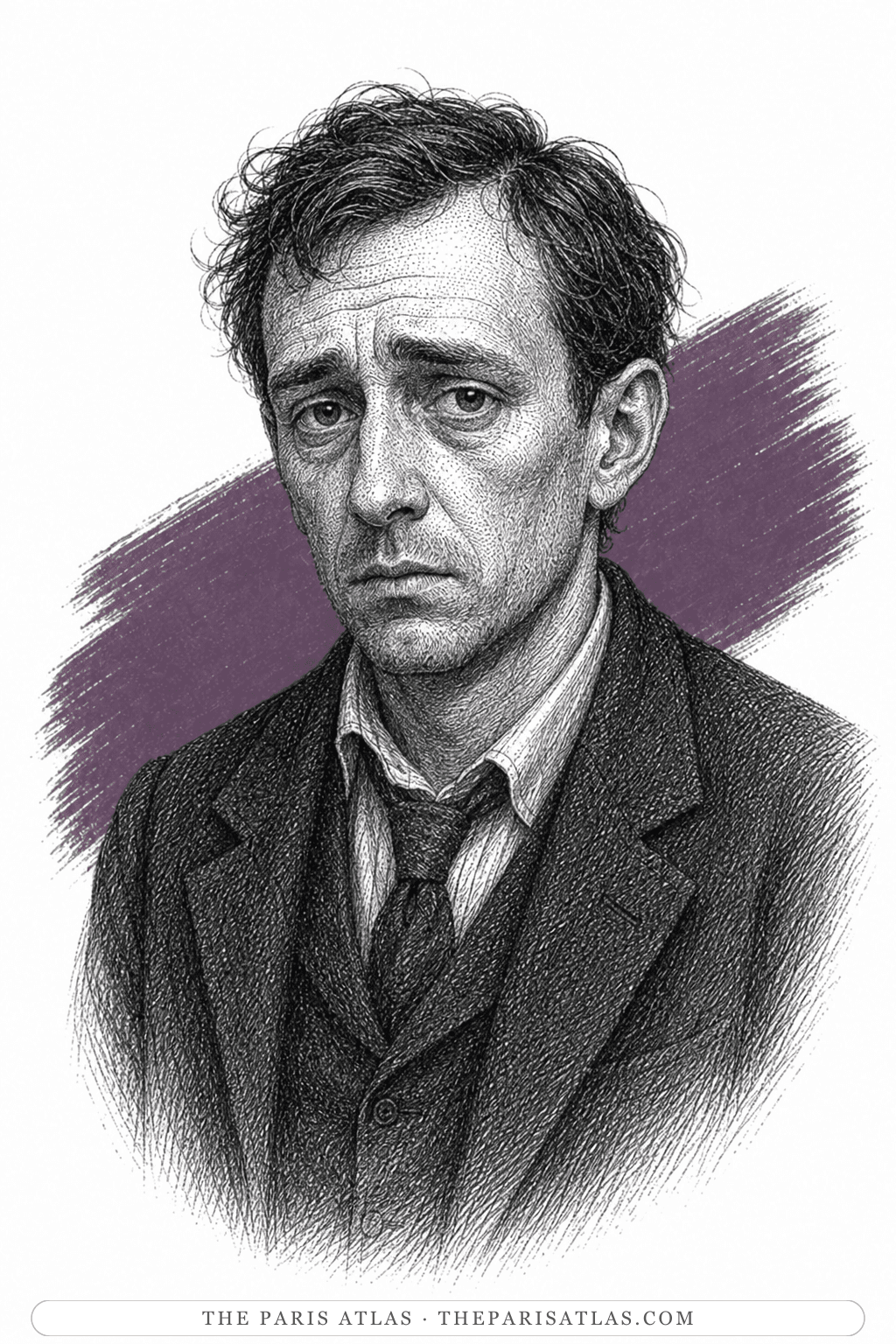
The usher works for the court and is married to the washerwoman.

The unnamed law student is a court subordinate who openly carries off the usher’s wife.
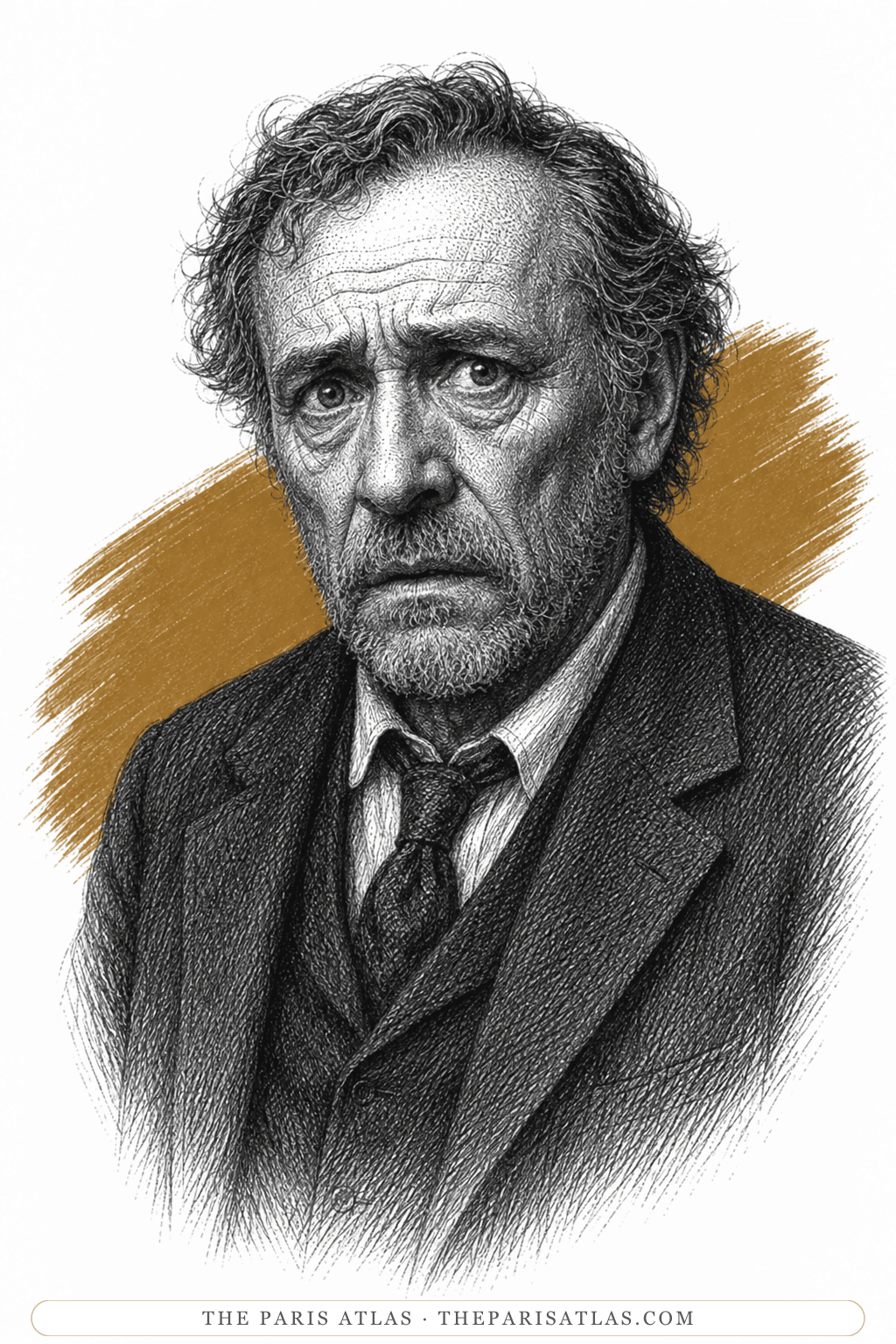
Karl is Josef’s uncle from the country.
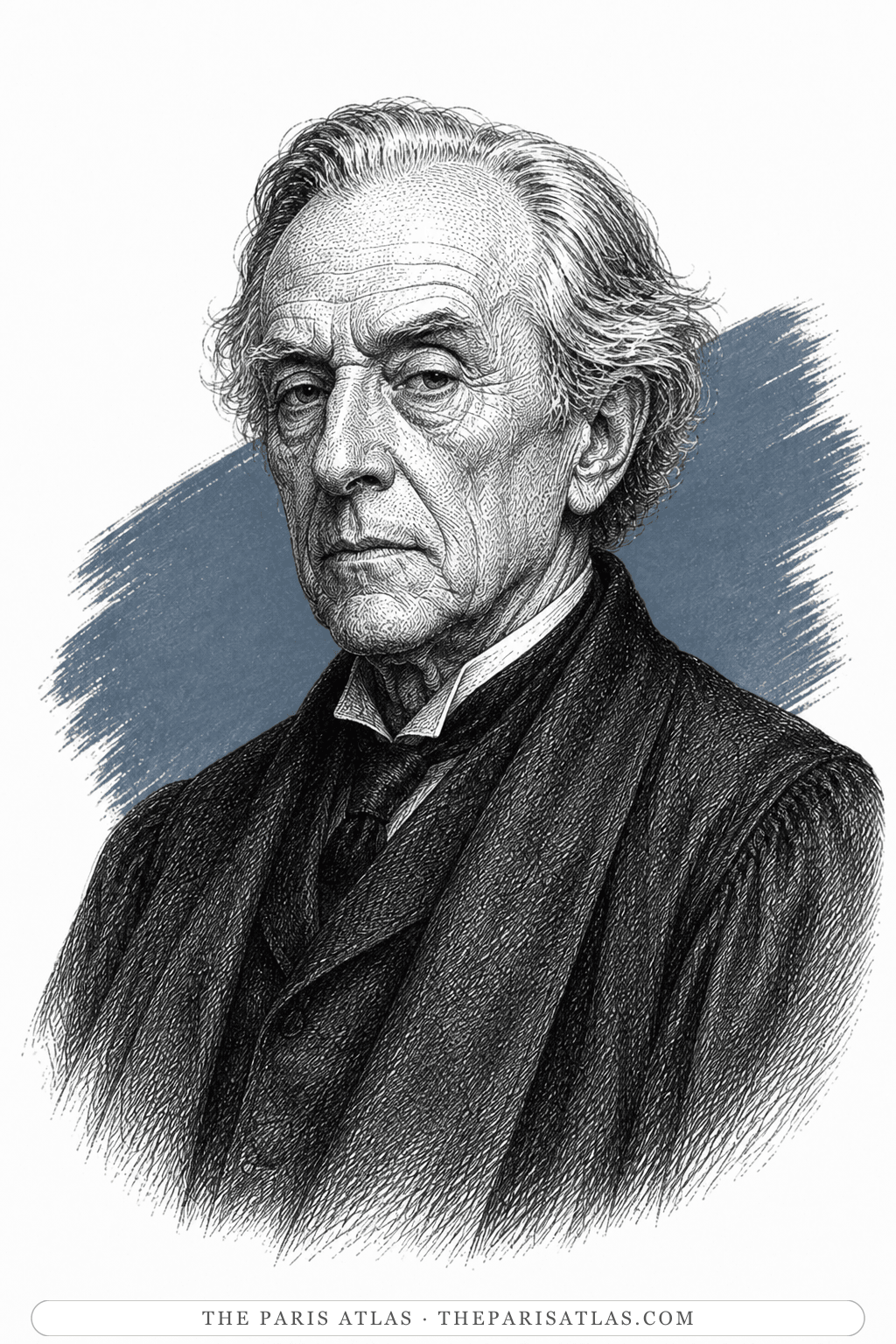
Huld is an elderly, bedridden defense lawyer with court contacts.
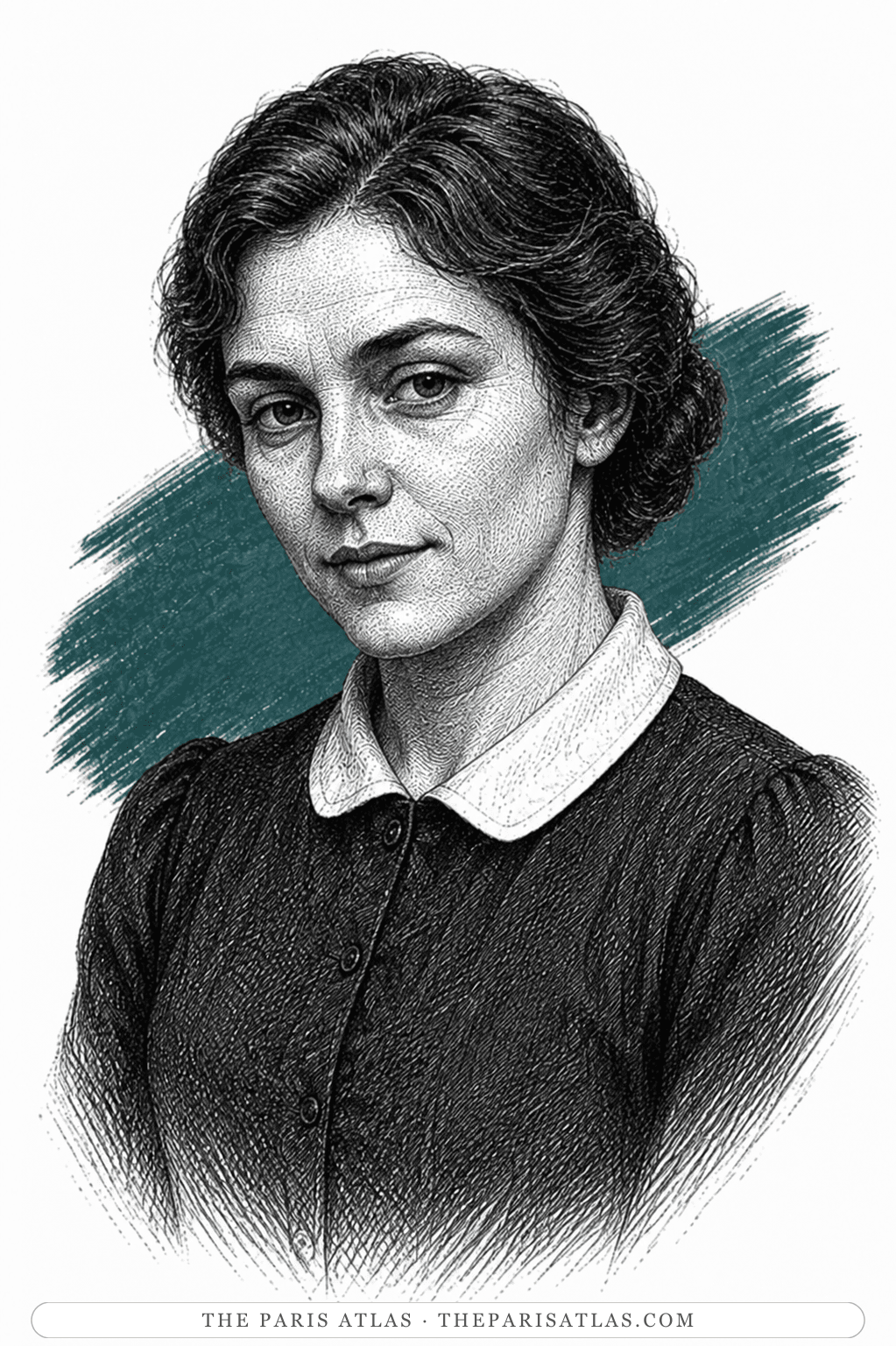
Leni is Huld’s nurse and caregiver.
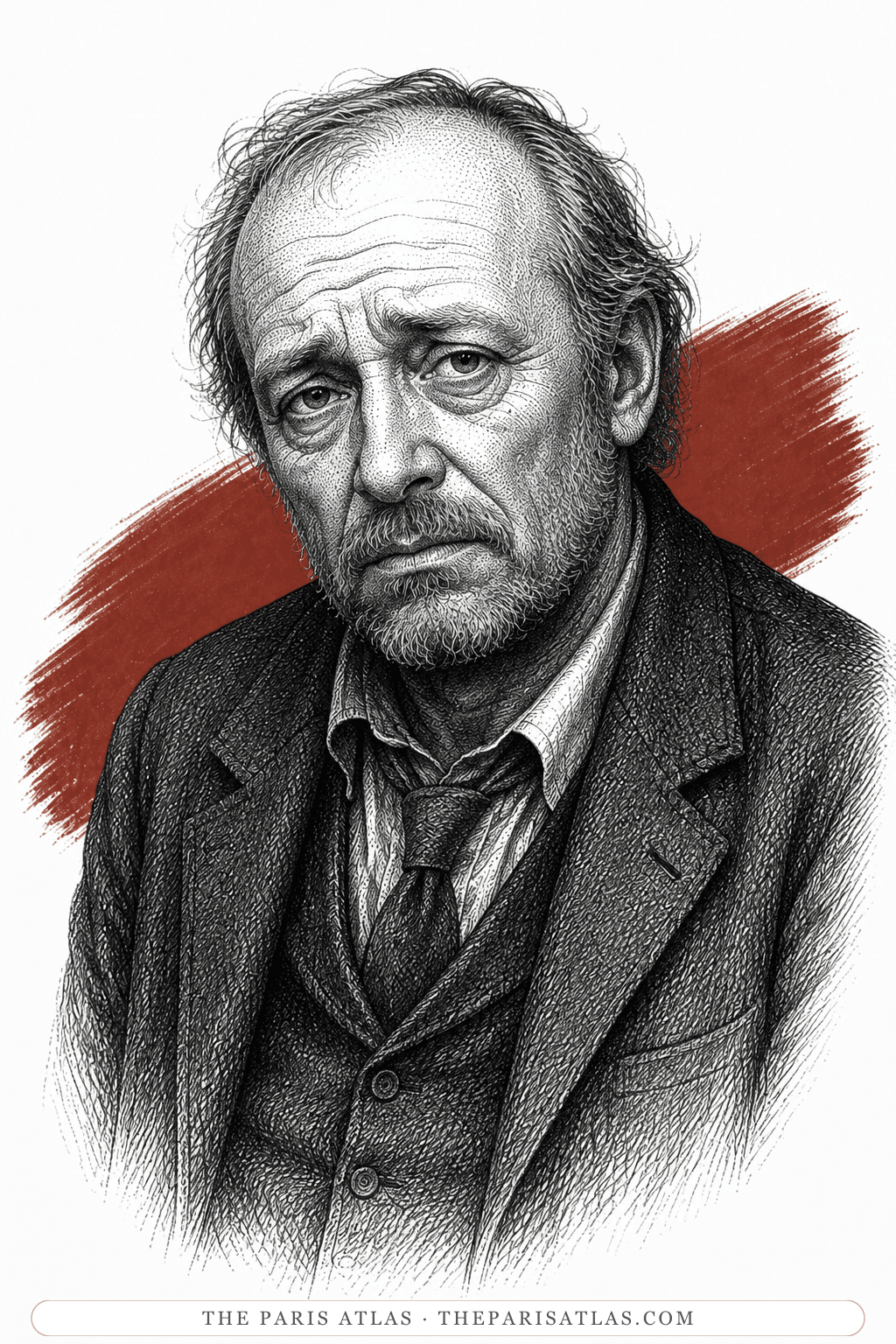
Block is a grain merchant whose case has continued for five years.
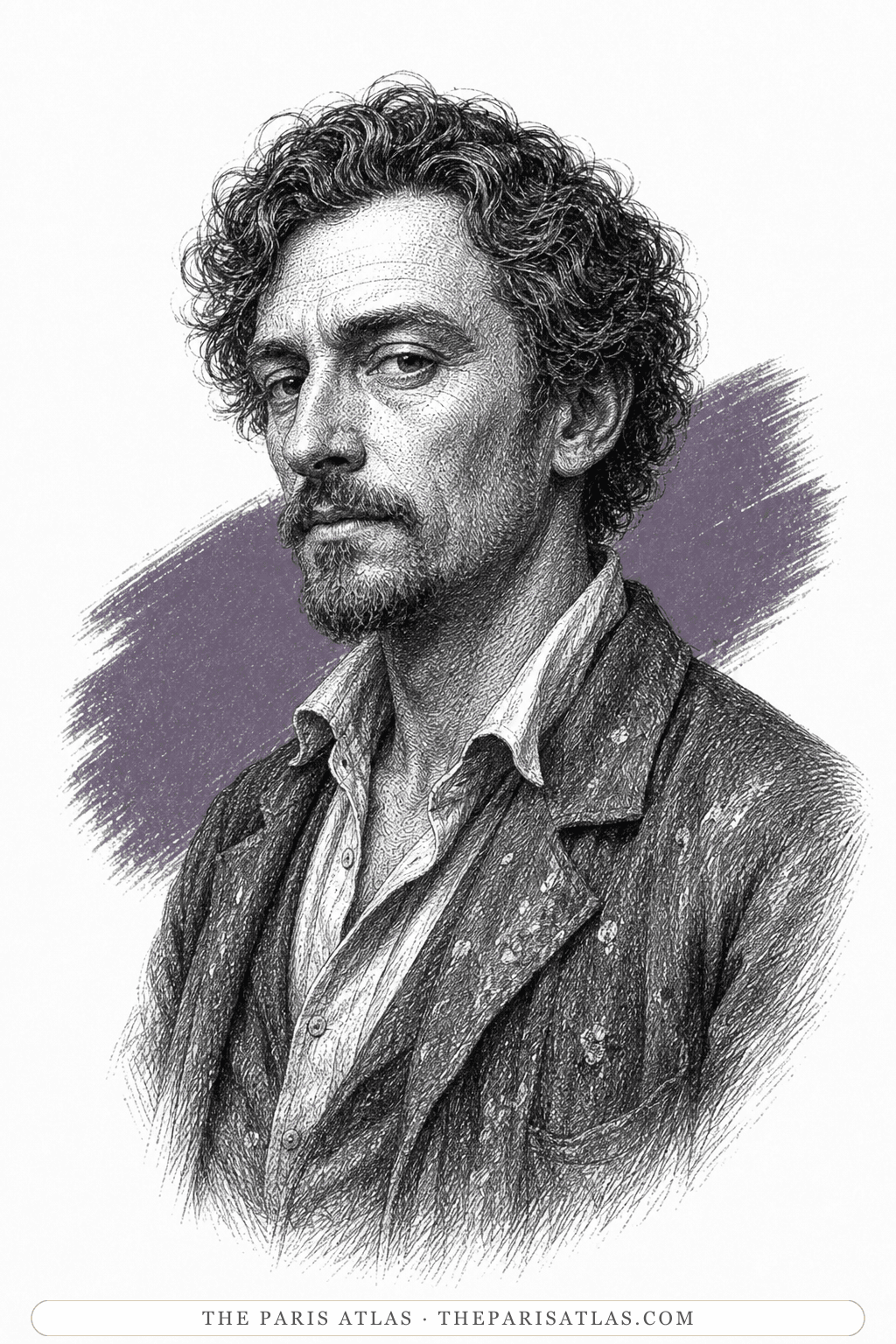
Titorelli is a painter who produces portraits for court judges and inherits his court connections from his father.

The priest in the cathedral identifies himself as the prison chaplain and tells Josef that his case is going badly.

The deputy manager is Josef’s rival at the bank.
The unnamed manufacturer is a bank client who notices Josef’s distress and recommends Titorelli.

The two unnamed men arrive on the eve of Josef’s thirty-first birthday wearing formal black clothes.
1914
Kafka begins the novel, writing the arrest and execution sections early and drafting intervening chapters in separate notebooks.
1915
He largely stops work on the manuscript without arranging every chapter into a final sequence.
1924
Kafka dies. Max Brod keeps the manuscript despite Kafka’s request that unpublished work be destroyed.
26 April 1925
Verlag Die Schmiede publishes Der Process in Berlin in an edition prepared and ordered by Brod.
1937
Willa and Edwin Muir publish the first English translation.
1990
The German critical edition edited by Malcolm Pasley presents the manuscript with a new scholarly arrangement.
1994
Idris Parry’s English translation appears from Penguin.
1998
Breon Mitchell publishes a translation based on the restored critical text.
2009
Mike Mitchell’s Oxford World’s Classics translation adds another major modern English version.
Both books show authority creating its own reality, though Orwell makes the mechanism politically legible while Kafka keeps the source of power obscure.
Read our take
Abdel Aziz turns Kafka’s invisible legal maze into a closed government Gate that denies the bullet inside a citizen’s body.
Read our take
Orwell’s state names its doctrines and enemies; Kafka’s court rules through uncertainty, delay, and unanswerable procedure.
Read our take
Rubashov faces a political system that wants a confession, while Josef faces one that never even states what he must confess to.
Read our take
Zamyatin gives total authority a visible architecture and mathematical ideology; Kafka lets bureaucracy spread through ordinary rooms.
Read our takeThe novel never says. Officials repeatedly insist that proceedings are underway, but no charge, evidence, or law is disclosed. The absence is central to the book rather than a missing clue readers are expected to solve.
He is never shown committing the legal offense for which the court prosecutes him, because that offense is never named. He does behave selfishly and sometimes aggressively in private life, but the novel does not state that these actions caused the trial. Kafka keeps legal innocence, moral imperfection, and the feeling of guilt separate but uncomfortably close.
The court does not need to imprison him immediately. By allowing normal life to continue, it makes the case harder to locate and easier to internalize. Josef remains physically free while becoming increasingly governed by the trial.
Yes. Kafka left completed and incomplete chapter packets without a final sequence. The execution chapter exists, so the novel has an ending, but several transitions and possible episodes were never finished.
Kafka’s friend and literary executor Max Brod prepared the manuscript after Kafka’s death. Brod ignored Kafka’s request that unpublished writings be destroyed and chose the order used in the 1925 first edition.
The parable can be read as a story about obedience, inaccessible authority, missed opportunity, or the way institutions make people wait for permission they may never receive. The priest offers several contradictory interpretations. The novel refuses to settle on one official meaning.
He describes true acquittal, apparent acquittal, and indefinite postponement. He says true acquittal is theoretically possible but unknown in practice. Apparent acquittal can lead to rearrest, while postponement requires endless work to keep the case from advancing.
Josef sees no progress and fears that legal representation has made him passive. Block’s humiliation shows him what total dependence on a lawyer can become. Dismissing Huld, however, does not free him from the court.
Two men take him to a quarry and stab him through the heart. No verdict is read. He dies thinking that the shame of the execution will survive him.
Breon Mitchell’s translation is a strong choice for readers who want the restored critical text and manuscript fragments. Idris Parry and Mike Mitchell are also respected modern versions. The older Muir translation remains historically important but reflects Brod’s edition and a more solemn interpretive style.
Explore authors with a similar voice, perspective, and influence.
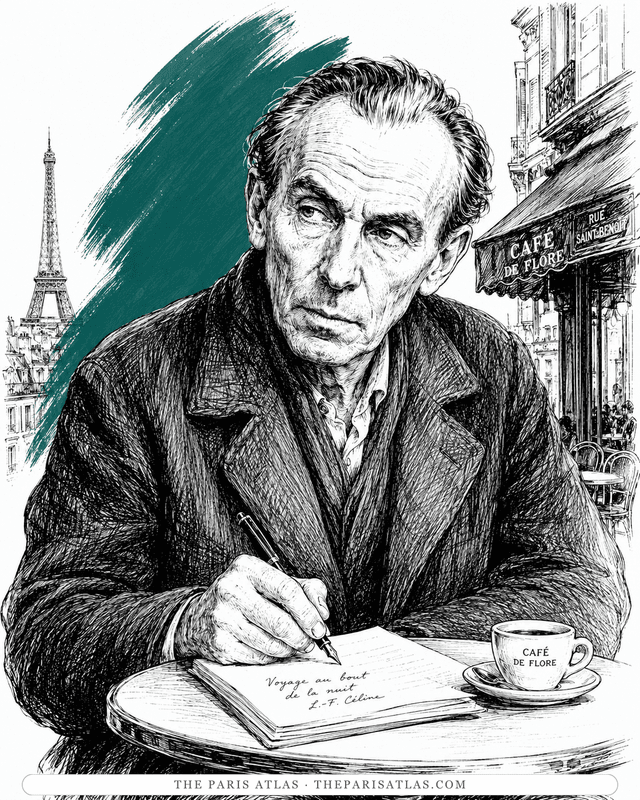
The doctor of the Paris slums who wrote the century's blackest, funniest novel — and changed the sound of French prose.
View author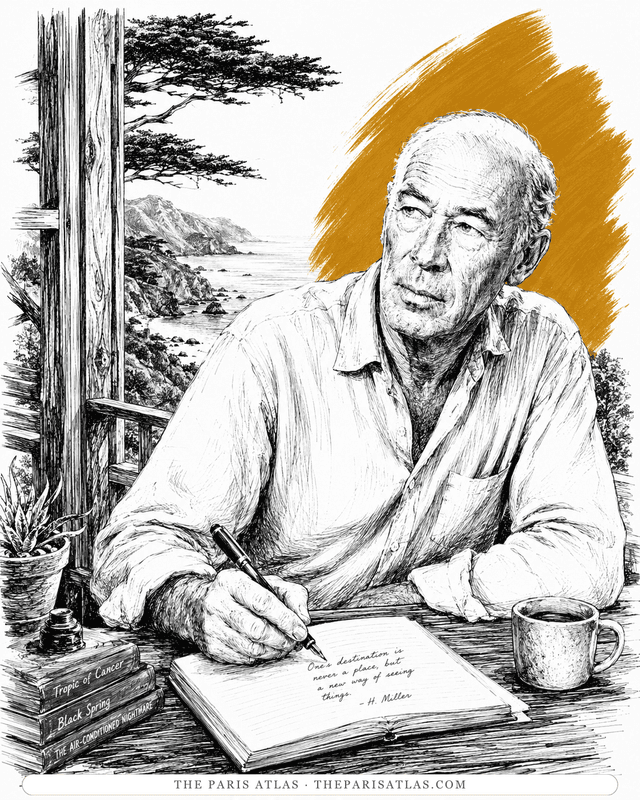
The Brooklyn dropout who arrived in Paris broke at thirty-eight and wrote the exuberant, banned books that ended American censorship.
View author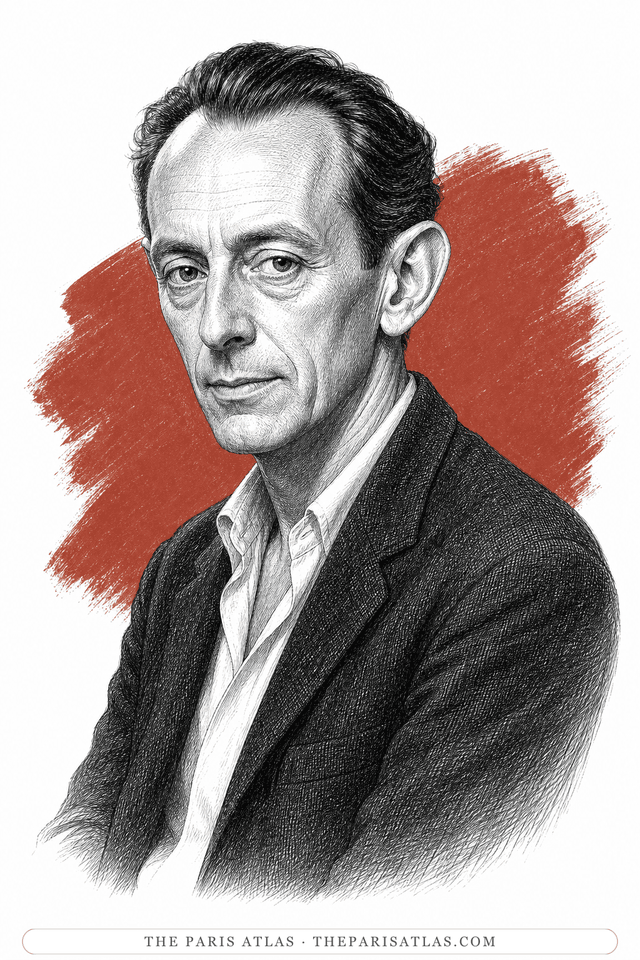
American novelist and composer whose expatriate fiction explores dislocation, unstable intimacy, fatalism, and North Africa.
View authorThe sources below include the primary text, editions, scholarship, archival materials, and other records that informed this page. They document The Trial, its publication, and its place in literary history.

Open Library ISBN catalogue used to verify the title, ISBN, and publication metadata.
Google Books catalogue record used to cross-check the title and edition metadata.
Internet Archive ISBN catalogue used to cross-check the edition and its availability in library holdings.
Library of Congress books catalogue used to cross-check the bibliographic record by ISBN.

Official German Kafka site; verifies the work, manuscript history, and German title tradition.
Schocken/Penguin Random House page for Breon Mitchell’s restored-text translation; verifies the unfinished manuscript, Brod/Muir history, and edition rationale.
Publisher excerpt and translation note; verifies that Mitchell translated from Malcolm Pasley’s German critical edition and that the Muir version followed Brod.
Bibliographic record for the Breon Mitchell edition; verifies translator, publisher, and restored-text framing.
Plot and character sequence cross-check; useful for confirming episode order while retaining manuscript caveats.
Detailed cross-check for the cathedral chapter and the prison chaplain’s role.
Publication date, translation list, manuscript overview, and adaptation index; cross-check against publisher and Kafka-site sources.
The primary text is the baseline reference for every book page. Additional references document publication history, interpretation, and historical context where that evidence is available.
 Explore more resources