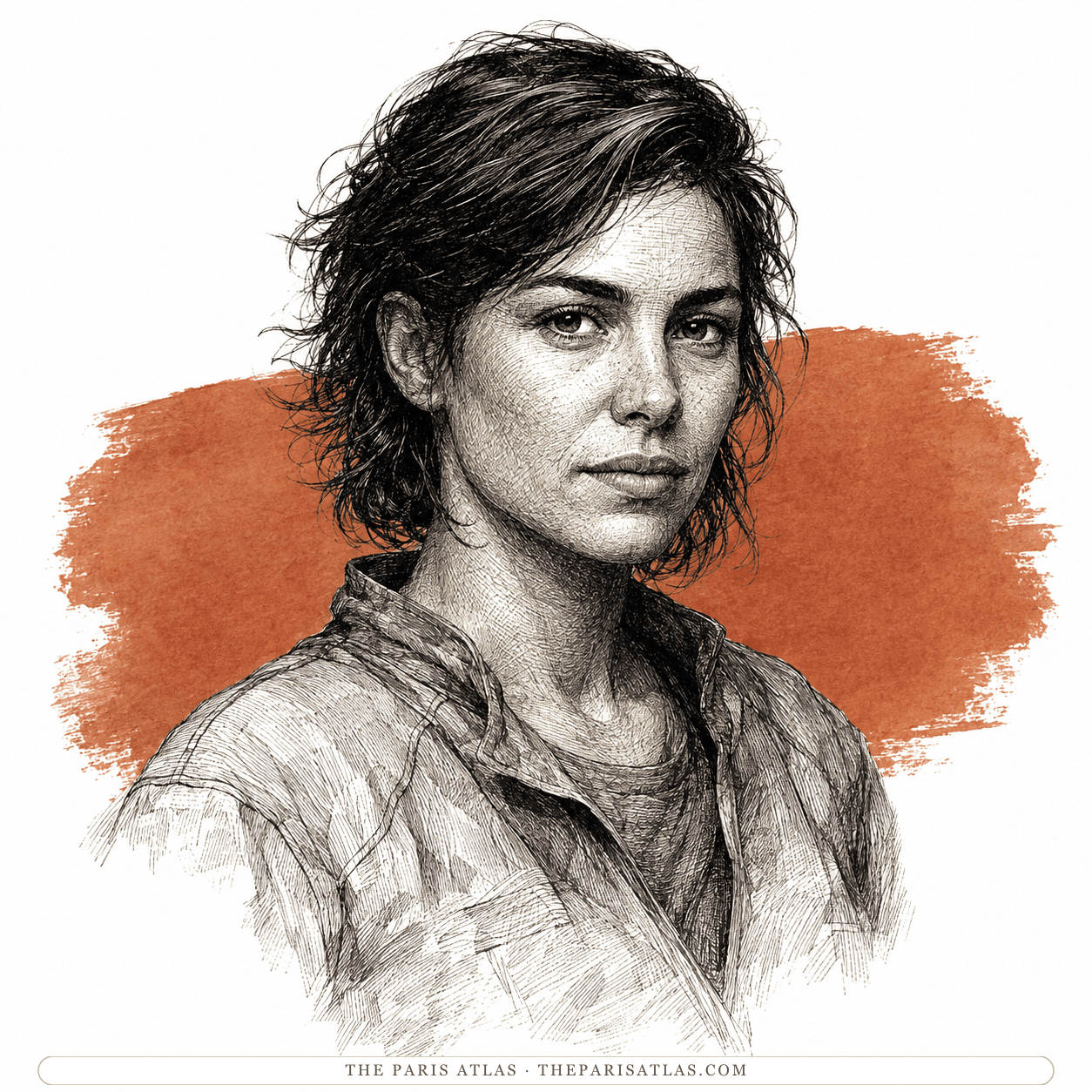
Takver
Takver is a marine biologist and Shevek’s lifelong partner.
The book

Who they are in the book
Spoiler-freeTakver is a marine biologist and Shevek’s lifelong partner. She studies aquatic life on a planet with very little water, which gives her work both scientific and imaginative importance. Takver values attachment without treating another person as property. She supports Shevek’s intellectual rebellion even when it brings hostility toward their family and eventually requires his departure. She remains on Anarres with Sadik and Pilun while he travels and is alive in his thoughts as he returns.
If you like The Dispossessed


If you like Ursula K. Le Guin
Explore authors with a similar voice, perspective, and influence.
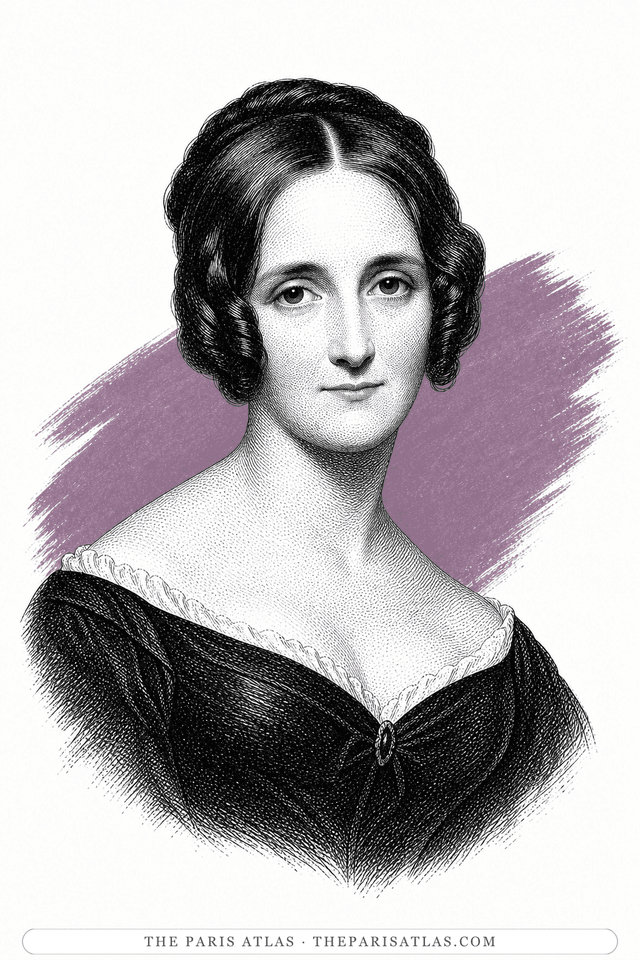
Mary Shelley
The author of Frankenstein, who first saw Paris at sixteen as a runaway. In the summer of 1814 she crossed from England to Calais with the poet Percy Bysshe Shelley and her stepsister Claire Clairmont, spent a week trapped in an expensive Paris hotel with no money, then bought a donkey and walked south-east across a France still wrecked by the Napoleonic wars. That journey became her first published book. Two years later, on a lake in Switzerland, she began her second.
View author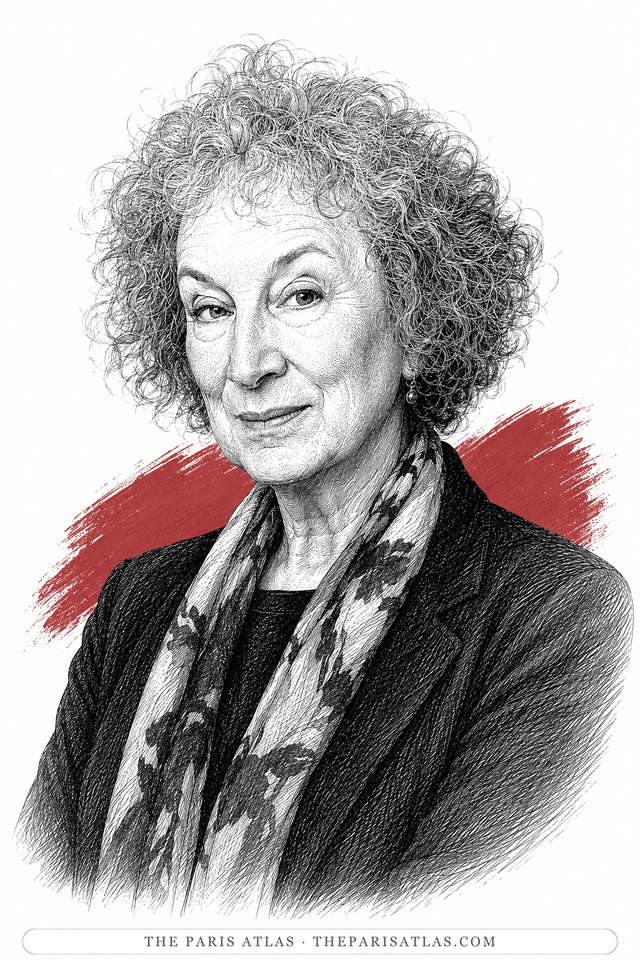
Margaret Atwood
Canadian novelist and poet whose fiction examines power, gender, language, memory, and environmental collapse.
View author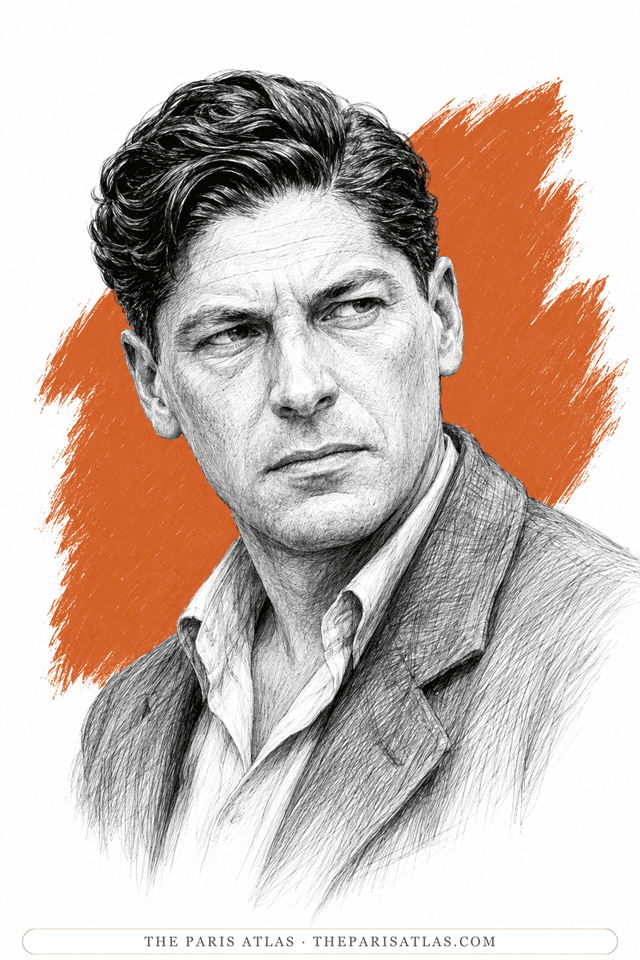
Arthur Koestler
Hungarian-British novelist and essayist whose fiction examined revolution, ideology, imprisonment, and political disillusionment.
View author