
Aileen
A young visitor who expects a mother-daughter reunion and finds a household organized against her.
To recover a place in her mother’s life and be treated as family rather than as an intruder.
The book

At a glance
- The Echo
- The Delicate Prey and Other Stories
- Mid-twentieth century
Who they are in the book
Spoiler-freeAileen travels to Colombia hoping that distance has not erased her bond with her expatriate mother. She expects to be recognized as family.
Her mother’s life with Prue has its own loyalties and rhythms. Aileen is treated less like a daughter returning than a visitor who threatens the existing arrangement.
Prue’s taunts turn disappointment into humiliation. Aileen’s violent eruption cannot produce the maternal reunion she wanted.
How Aileen Is Portrayed
- Place in the storyShe enters the Colombian house carrying hope rather than a plan for conflict.
- How power worksThe alliance between her mother and Prue leaves her with less authority than family status promised.
- What Bowles showsRepeated humiliation turns grief into rage.
- What remains uncertainBowles never supplies a stable account of why her mother has chosen emotional distance.
- The mirror in the planeThe vibration is so rapid she cannot tell whether her nose needs powder. She rereads her mother’s letter as if the meaning lay somewhere other than in the order of the words.
- The ditch and the jukeboxTurning toward the veranda in the dark she falls into the ditch, panting with fury and pain. “Oh! My ankle!” Her mother cries out her name and the jukebox begins to scratch and roar.
- A transparent headAs a child she convinced herself that her thoughts could be seen through her skull, and taught herself not to think at all in uncomfortable situations. Bowles gives her the habit before she meets Prue.
After Prue’s continued taunting, Aileen erupts in violence and leaves, her scream echoing through the gorge below the house.
If you like The Delicate Prey and Other Stories


If you like Paul Bowles
Explore authors with a similar voice, perspective, and influence.
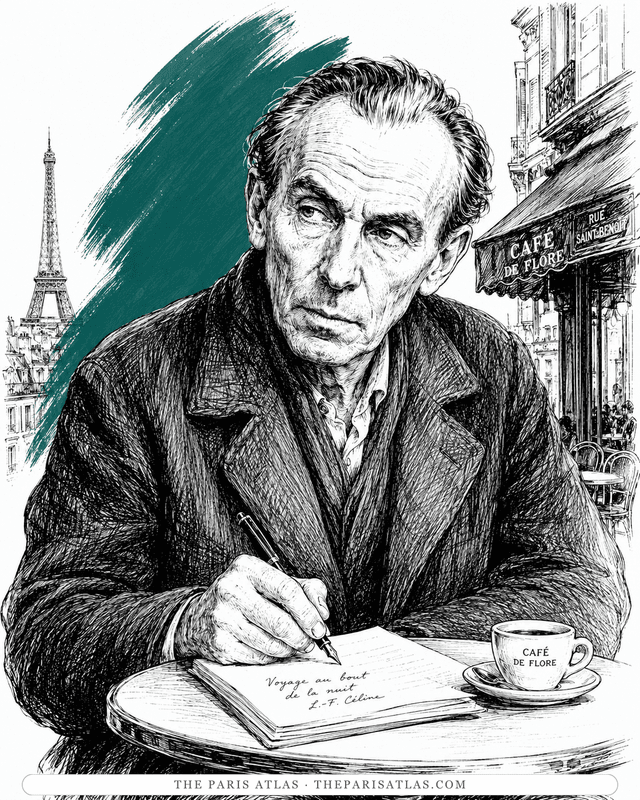
Louis-Ferdinand Céline
The doctor of the Paris slums who wrote the century's blackest, funniest novel — and changed the sound of French prose.
View author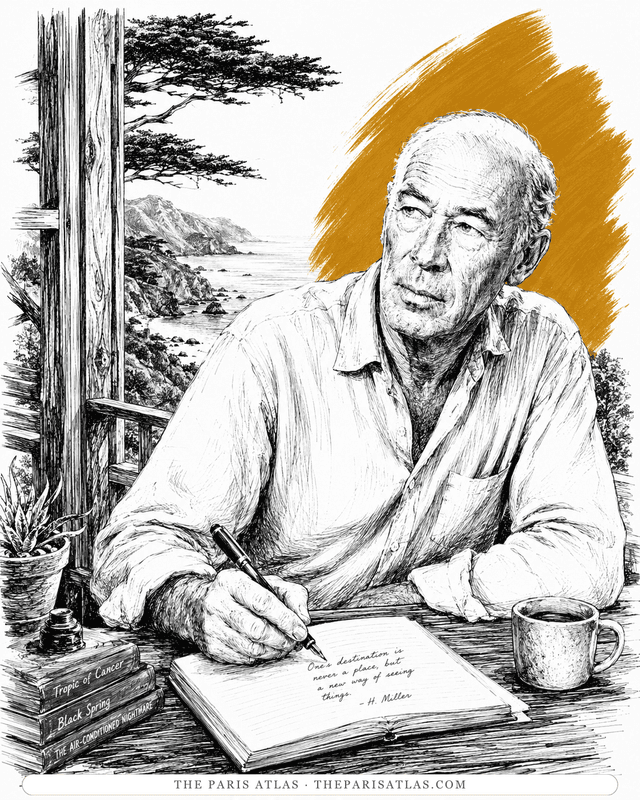
Henry Miller
The Brooklyn dropout who arrived in Paris broke at thirty-eight and wrote the exuberant, banned books that ended American censorship.
View author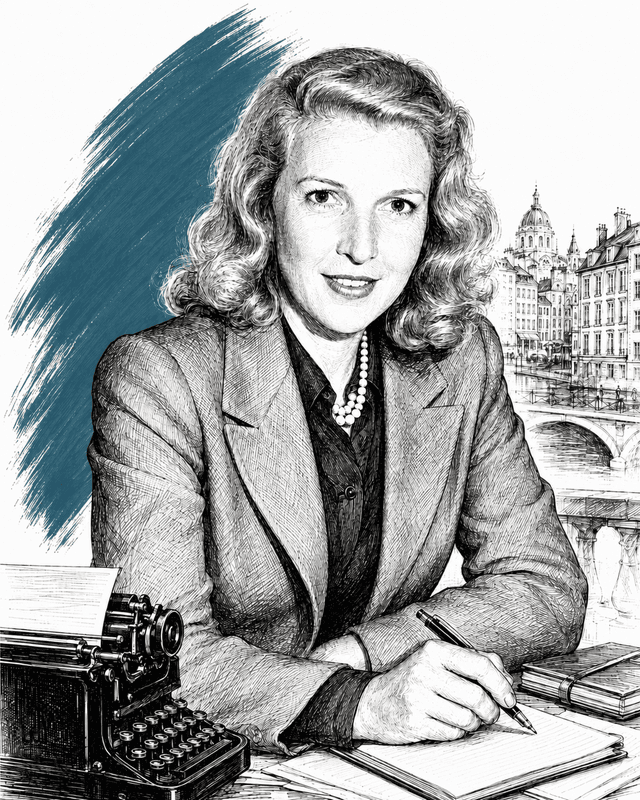
Martha Gellhorn
War correspondent who covered the Spanish Civil War, D-Day, and conflicts across five more decades; Hemingway's third wife, 1940–1945.
View author