
Martha
The young woman placed at the center of Pastor Dowe’s final misunderstanding.
To have the community’s expectations recognized rather than dismissed as another misunderstanding the missionary can leave behind.
The book

At a glance
- Pastor Dowe at Tacaté
- The Delicate Prey and Other Stories
- Mid-twentieth century
Who they are in the book
Spoiler-freeMartha belongs to the village where Dowe runs his mission. The community expects a marriage between them even though Dowe has not understood that expectation developing.
The story gives more access to Dowe’s confusion than to Martha’s thoughts. The missionary who came to explain life to others remains least prepared to understand what others expect from him.
Her role brings the conflict out of abstract theology. Dowe can tolerate difference more easily than he can accept an obligation that would bind him permanently to the community.
How Martha Is Portrayed
- Place in the storyShe stands where family, marriage, and village expectations meet the mission.
- How power worksDowe has more institutional freedom and can leave when the obligation becomes uncomfortable.
- What Bowles showsHer quiet presence reveals more about his limits than a long argument would.
- What remains uncertainThe narration does not give enough of her interior life to reduce her wishes to one simple statement.
- The doll is an alligatorThe thing she cradles so lovingly in a rag turns out to be a lively young alligator paddling its black feet in the air. The pastor cries “Good heavens!” in English.
- “You like Marta?”Her father Nicolas puts the question to the pastor seriously. Mateo laughs and says she is too quick. The text spells her Marta throughout.
- The hammock stringLater, in the hut, she lies in a low hammock and keeps it swinging by casually pulling on a string, while the men talk over her head.
Dowe refuses to marry Martha and abandons the mission, leaving her inside the community he had claimed to serve.
If you like The Delicate Prey and Other Stories


If you like Paul Bowles
Explore authors with a similar voice, perspective, and influence.
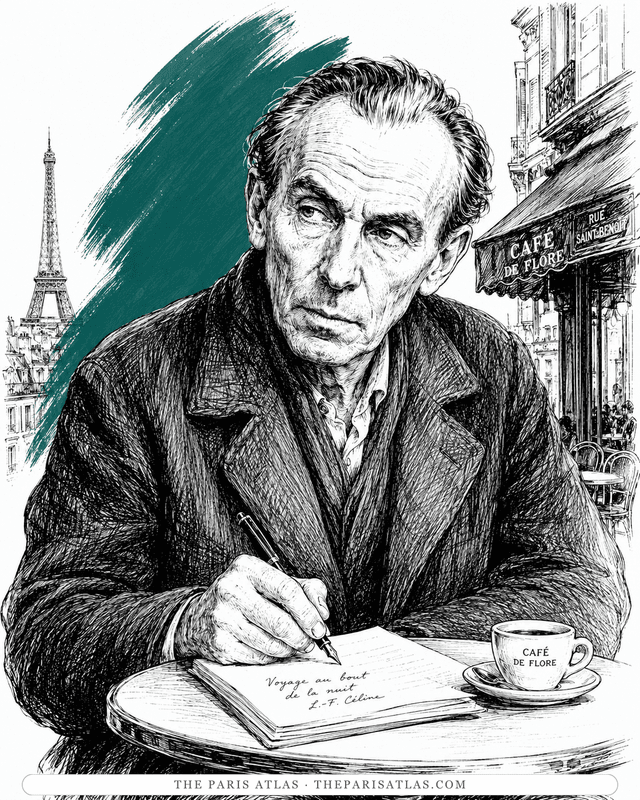
Louis-Ferdinand Céline
The doctor of the Paris slums who wrote the century's blackest, funniest novel — and changed the sound of French prose.
View author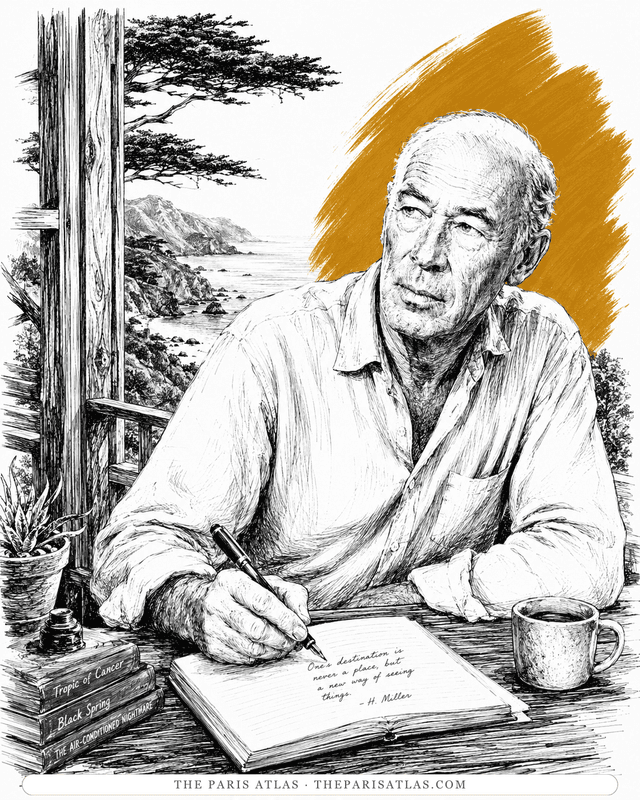
Henry Miller
The Brooklyn dropout who arrived in Paris broke at thirty-eight and wrote the exuberant, banned books that ended American censorship.
View author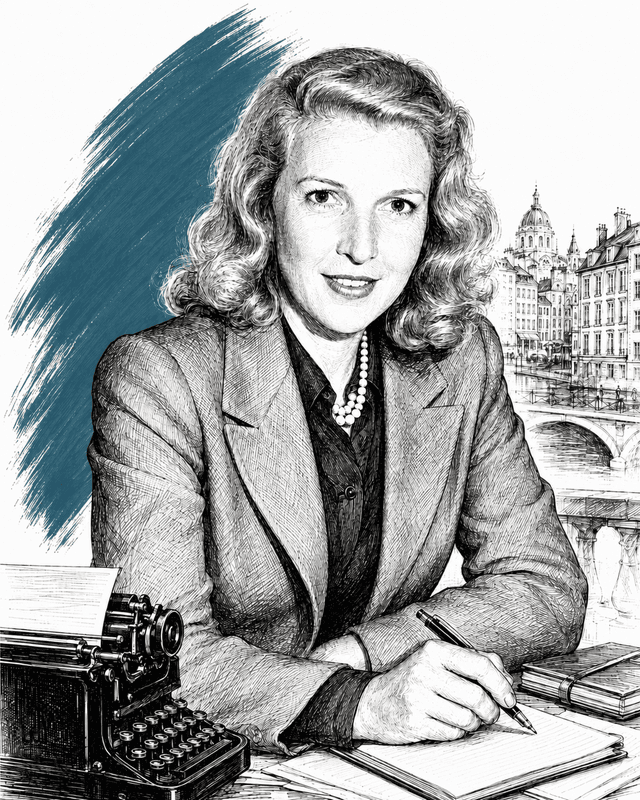
Martha Gellhorn
War correspondent who covered the Spanish Civil War, D-Day, and conflicts across five more decades; Hemingway's third wife, 1940–1945.
View author