
Nicho
A clever boy who exposes corruption and begins absorbing its lessons.
To understand the new power entering his town and prove that he can act on knowledge adults keep from him.
The book

At a glance
- Señor Ong and Señor Ha
- The Delicate Prey and Other Stories
- Mid-twentieth century
Who they are in the book
Spoiler-freeNicho grows up in a town transformed by new money and development. Leaving school to work in Don Anastasio’s shop gives him access to gossip, customers, and business relationships.
He becomes suspicious of Señor Ong and gathers evidence with help from Luz. Curiosity gives him a way to understand forces adults prefer to keep hidden.
Success does not leave him morally untouched. By keeping part of what he discovers, Nicho begins using the same connection between secrecy and money that made Ong powerful.
How Nicho Is Portrayed
- Place in the storyThe shop becomes his classroom in commerce and influence after he leaves school.
- How power worksInformation gives a child leverage against adults with money and status.
- What Bowles showsHis alliance with Luz turns observation into an investigation.
- What remains uncertainExposing corruption and learning from it happen at the same time, so victory never becomes morally clean.
- His true name is DionisioHis aunt, a woman of too easygoing a nature, has one form of discipline for her dead sister’s child: calling him by his real name.
- The dam and the radiosThe town has grown suddenly rich from the government dam upstream. People buy huge radios and run them from morning to night, tuned full strength to Tapachula.
- The stranger in the rocking chairAfter a week learning prices in Don Anastasio’s shop he comes home to a man sitting opposite his aunt — lighter-skinned than the mountain Indians, plumper, his eyes almost shut.
Nicho helps bring about Ong’s arrest but keeps part of what he discovers, beginning his own education in corruption.
If you like The Delicate Prey and Other Stories


If you like Paul Bowles
Explore authors with a similar voice, perspective, and influence.
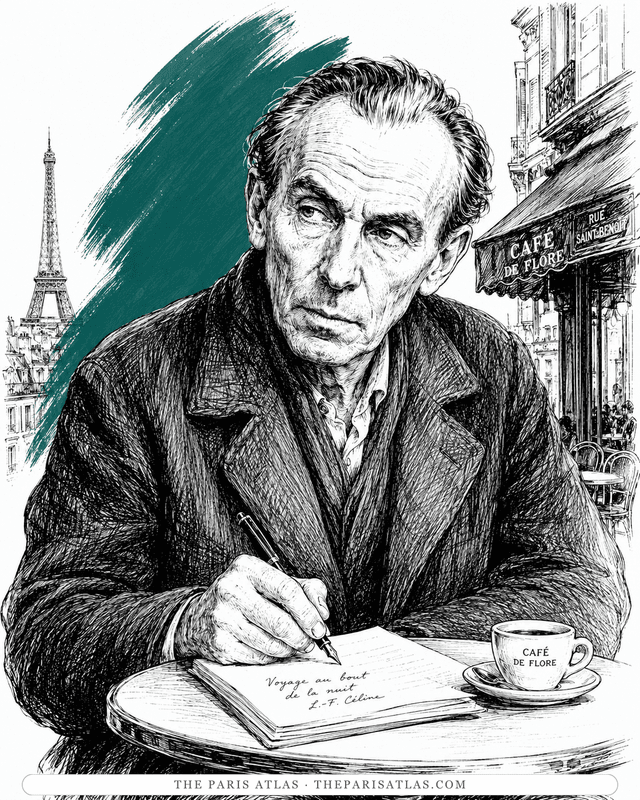
Louis-Ferdinand Céline
The doctor of the Paris slums who wrote the century's blackest, funniest novel — and changed the sound of French prose.
View author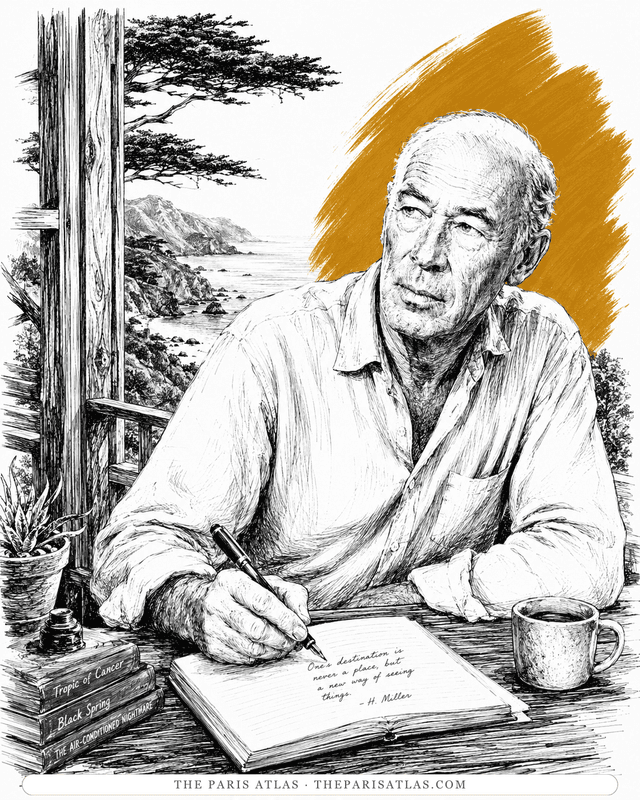
Henry Miller
The Brooklyn dropout who arrived in Paris broke at thirty-eight and wrote the exuberant, banned books that ended American censorship.
View author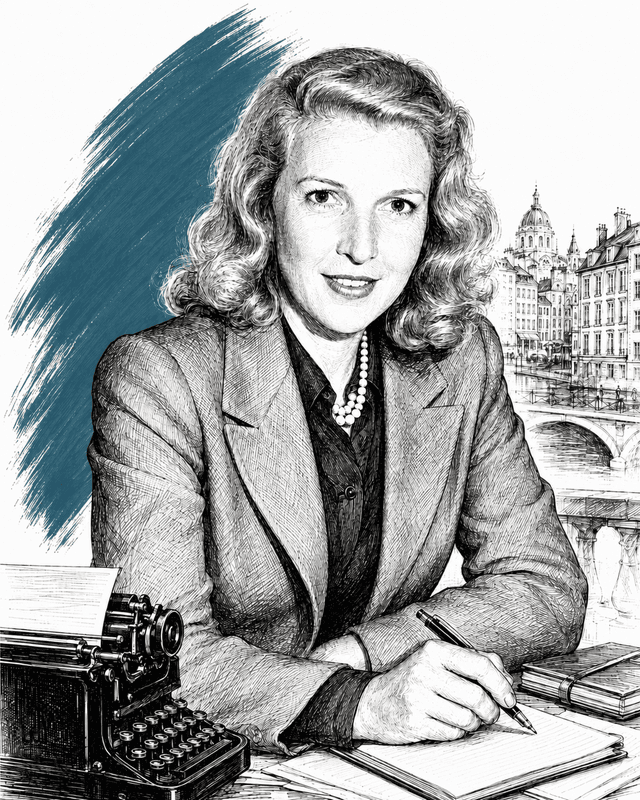
Martha Gellhorn
War correspondent who covered the Spanish Civil War, D-Day, and conflicts across five more decades; Hemingway's third wife, 1940–1945.
View author