
Mokhtar
A lonely widower punished for a dream who finds unexpected relief in prison.
To escape the loneliness that has emptied his freedom, even though he does not know imprisonment will provide that escape.
The book

At a glance
- A Thousand Days for Mokhtar
- The Delicate Prey and Other Stories
- Mid-twentieth century
Who they are in the book
Spoiler-freeMokhtar is a widower whose life revolves around the sea, domino games, and company at the Café Ghazel. The routine does not remove the loneliness left by his wife’s death.
He dreams that he kills Bouchta, then argues with the butcher shortly before Bouchta collapses. A qadi treats the dream as morally meaningful evidence despite witnesses’ doubts.
A thousand days in prison appear absurdly unjust, yet confinement gives Mokhtar structure and human proximity that freedom lacked.
How Mokhtar Is Portrayed
- Place in the storyCafé companionship forms the center of his otherwise lonely ordinary life.
- How power worksThe qadi’s authority turns private imagination into public guilt.
- What Bowles showsBowles lets an unjust sentence answer a real emotional need by accident.
- What remains uncertainThe story does not settle whether the dream, argument, and death have any connection beyond coincidence.
- The window above the seaHis room has a tiny window through which, on tiptoe, he can see the waves against the breakwater. A widower for ten years, he does not mind being alone unless the night is rainy.
- Café GhazelThe regulars save him the mat as it starts to rain. Tonight the bonelike sound of the dominoes and the scraping of the old phonograph make him uneasy, and he glances out at the black sea.
Mokhtar receives a thousand-day sentence for a death witnesses do not think he caused, and prison unexpectedly relieves his loneliness.
If you like The Delicate Prey and Other Stories


If you like Paul Bowles
Explore authors with a similar voice, perspective, and influence.
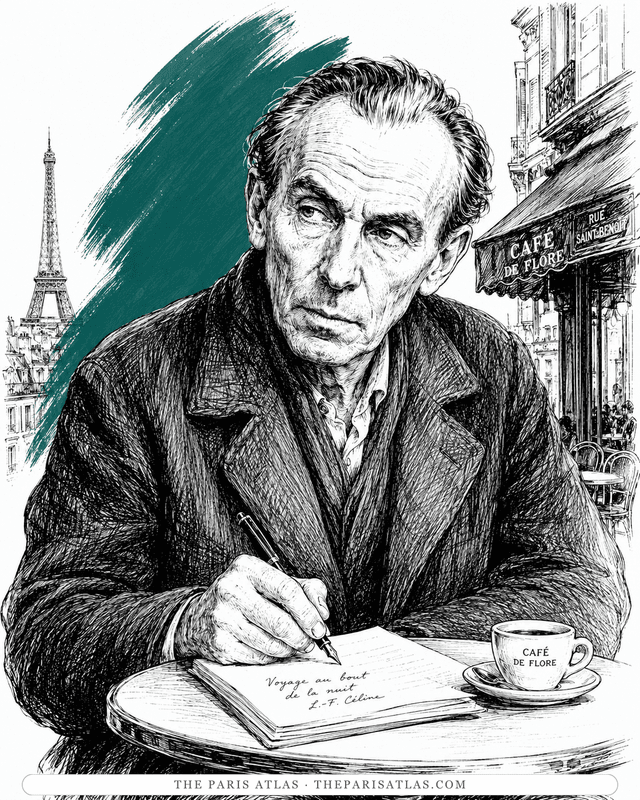
Louis-Ferdinand Céline
The doctor of the Paris slums who wrote the century's blackest, funniest novel — and changed the sound of French prose.
View author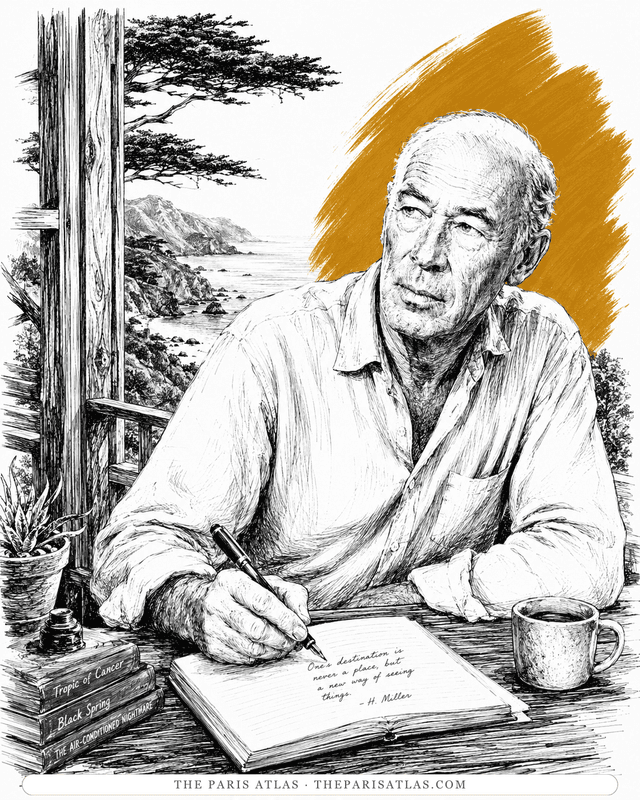
Henry Miller
The Brooklyn dropout who arrived in Paris broke at thirty-eight and wrote the exuberant, banned books that ended American censorship.
View author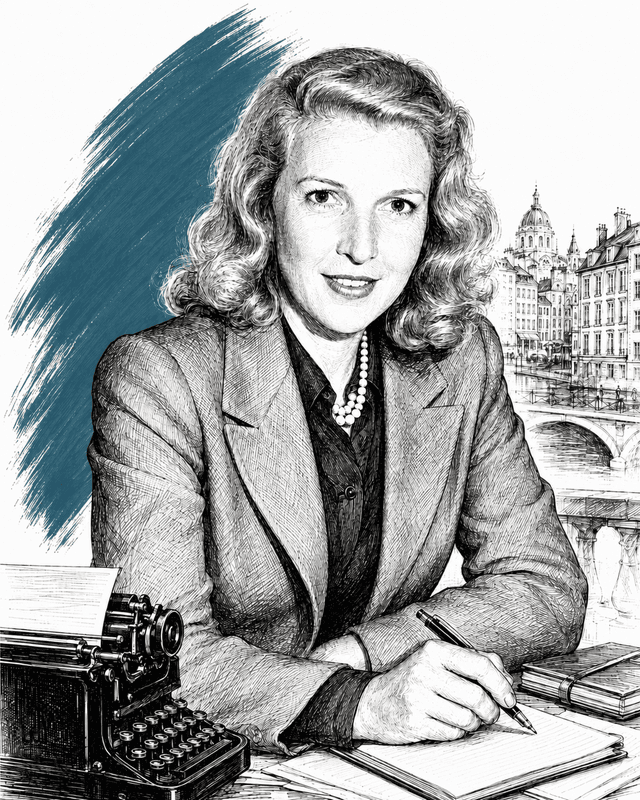
Martha Gellhorn
War correspondent who covered the Spanish Civil War, D-Day, and conflicts across five more decades; Hemingway's third wife, 1940–1945.
View author