
June
A young woman whose romantic preparation becomes a night of absence and humiliation.
To have Van arrive and confirm that the marriage and future she imagined are real and mutually understood.
The book

At a glance
- How Many Midnights
- The Delicate Prey and Other Stories
- Mid-twentieth century
Who they are in the book
Spoiler-freeJune prepares an apartment for an evening with Van, the man she expects to marry. Her arrangements assume a shared future and make his promised arrival feel like confirmation.
When Van does not appear, waiting becomes the story’s action. June moves through explanations, attempts to protect her pride, and growing doubt about the relationship.
The snowy New York night turns private absence into physical exposure. Very little conventional plot occurs, but the wait reorganizes her sense of reality.
How June Is Portrayed
- Place in the storyHer careful preparation expresses confidence before it becomes evidence of vulnerability.
- How power worksVan controls the evening simply by remaining absent and unexplained.
- What Bowles showsBowles makes thought, delay, and wandering carry the tension of action.
- What remains uncertainNeither June nor the reader receives a final account of why Van stayed away.
- Married on Valentine’s DayShe and Van have signed a sublease near Gramercy Park and plan to marry on Valentine’s Day. Neither is sentimental, which is why it feels a little daring to say so to their friends.
- The rubber plantShe carries a potted rubber plant up to Van’s apartment, though she is indifferent to flowers. Nearly everything in the apartment is something she bought or chose.
- The bookshop storyVan tells funny stories about his shop, but this one — about a theft — strikes her as sinister rather than amusing, and she cannot say why.
- The telephone on her stomachDeciding to tell her parents she is staying the night, she lies on the bed with the phone resting on her stomach. It moves ridiculously while she dials. Her mother answers half asleep.
Van never arrives. June’s confidence in the relationship and in her own judgment dissolves without a clear explanation from him.
If you like The Delicate Prey and Other Stories


If you like Paul Bowles
Explore authors with a similar voice, perspective, and influence.
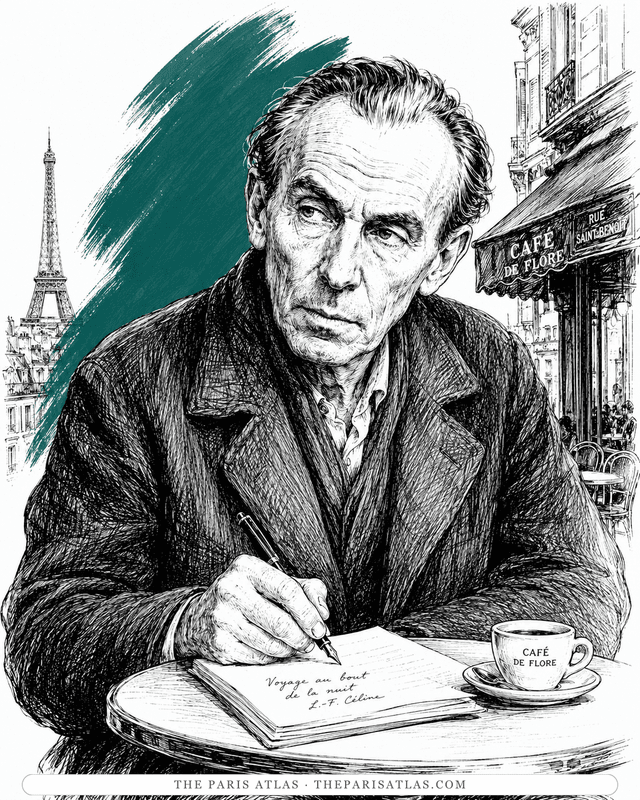
Louis-Ferdinand Céline
The doctor of the Paris slums who wrote the century's blackest, funniest novel — and changed the sound of French prose.
View author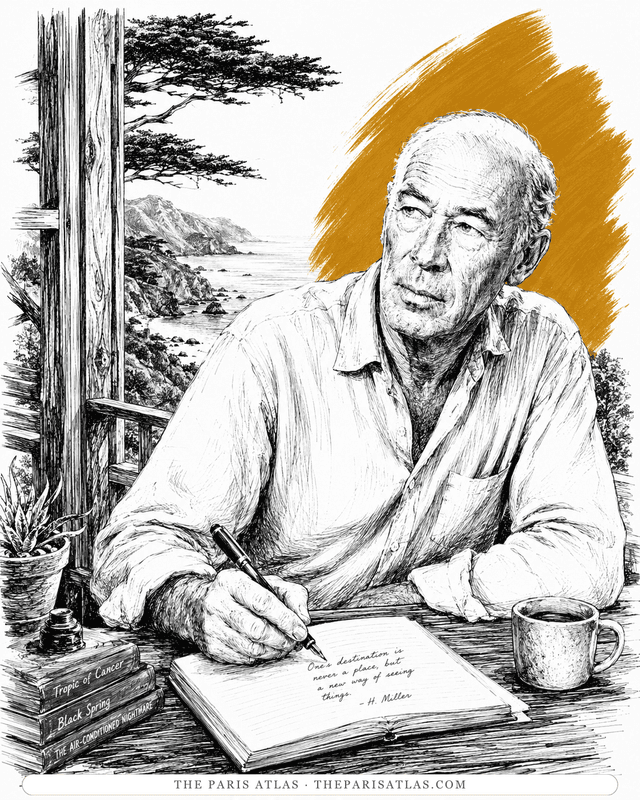
Henry Miller
The Brooklyn dropout who arrived in Paris broke at thirty-eight and wrote the exuberant, banned books that ended American censorship.
View author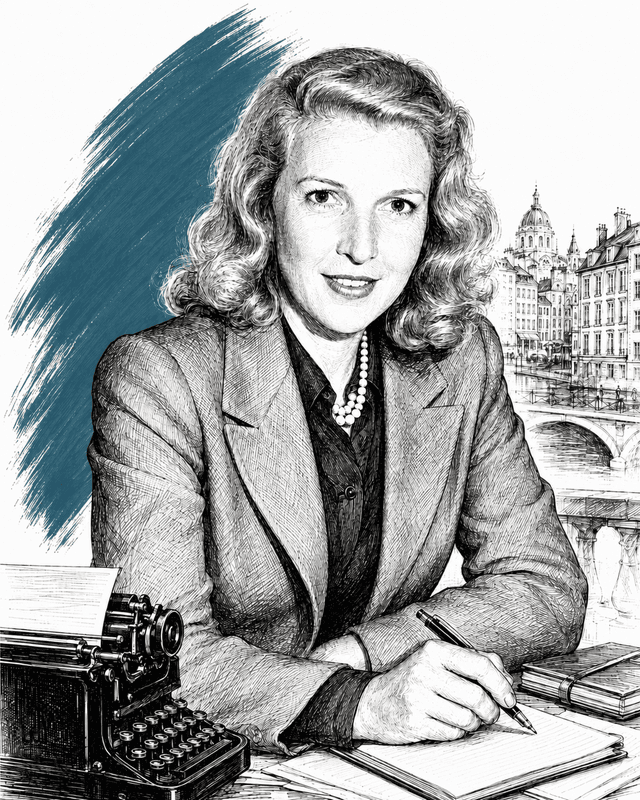
Martha Gellhorn
War correspondent who covered the Spanish Civil War, D-Day, and conflicts across five more decades; Hemingway's third wife, 1940–1945.
View author