
Pastor Dowe
A missionary whose well-attended services conceal how little conversion has occurred.
To establish a Christian community that confirms his work has changed the village in the way he intended.
The book

At a glance
- Pastor Dowe at Tacaté
- The Delicate Prey and Other Stories
- Mid-twentieth century
Who they are in the book
Spoiler-freePastor Dowe works in an Indigenous Mexican village and assumes that attendance, music, and the acceptance of gifts prove his mission is succeeding.
Nicolás gives him the plainer explanation: people can enjoy music and accept useful gifts without replacing their own religion. Dowe has confused participation with agreement.
The expectation that he marry Martha makes belonging a practical obligation. His refusal exposes the limits of the community life he imagined he was building.
How Pastor Dowe Is Portrayed
- Place in the storyHe begins as an earnest outsider confident in his religious purpose.
- How power worksHis gifts and institutional role let him mistake attendance for consent.
- What Bowles showsLocal people understand the mission’s place in village life more clearly than he does.
- What remains uncertainBowles leaves open how much Dowe learns once he chooses departure.
- The first sermon at TacatéAlmost a hundred Indians attend and sit in complete silence for an hour. He can see the attention is born of respect rather than interest, and being a conscientious man he is troubled by it.
- “Music! Ridiculous! What music?”Told that a service needs music, he sets his fork down on the table: the mission has none, and the idea affronts him.
- “Hachakyum made you. True?”Nicolas puts the village god to him as a plain question, and the pastor sits back down on the stump without an answer.
- Praying in the dialectOn his knees he asks God to hear him, then attempts a halting supplication in the local language. The effort of translating his thoughts is the whole of the scene.
Dowe refuses the expectation that he marry Martha and leaves, recognizing too late that he was never as central to village life as he believed.
If you like The Delicate Prey and Other Stories


If you like Paul Bowles
Explore authors with a similar voice, perspective, and influence.
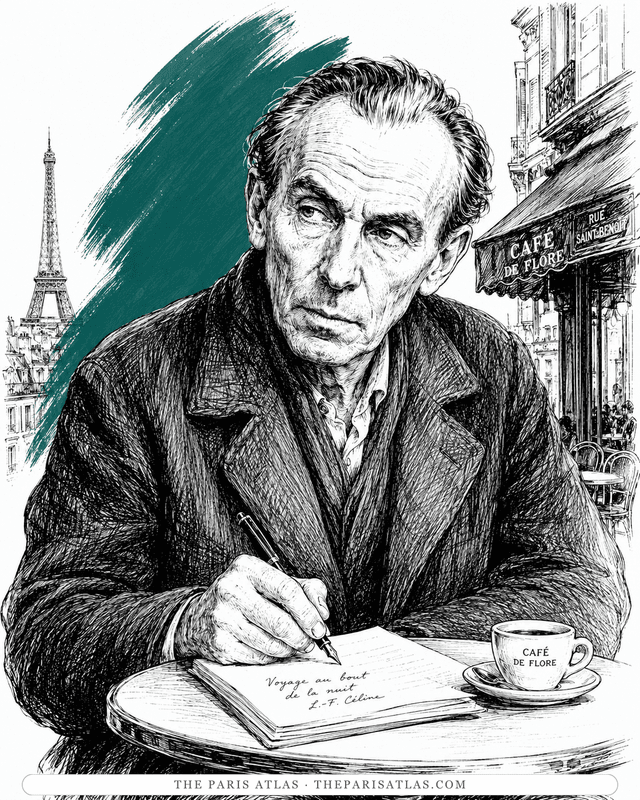
Louis-Ferdinand Céline
The doctor of the Paris slums who wrote the century's blackest, funniest novel — and changed the sound of French prose.
View author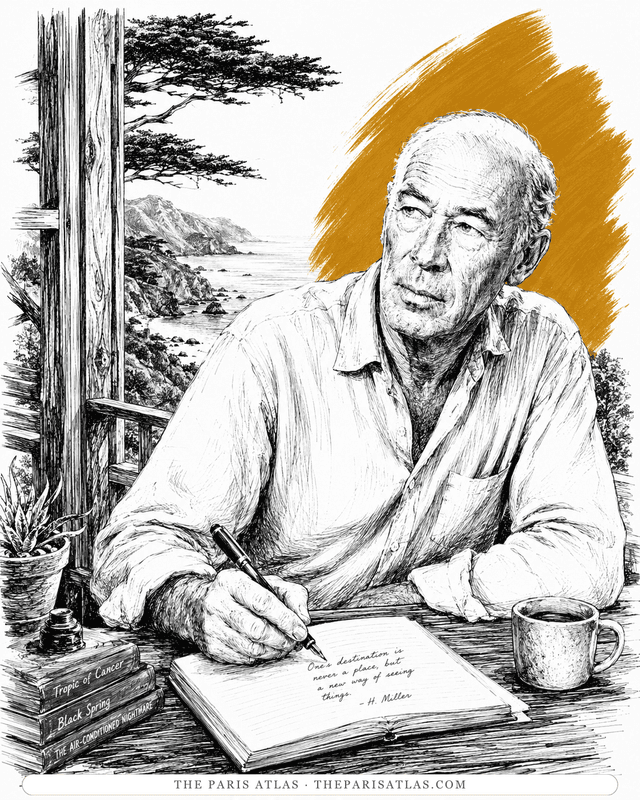
Henry Miller
The Brooklyn dropout who arrived in Paris broke at thirty-eight and wrote the exuberant, banned books that ended American censorship.
View author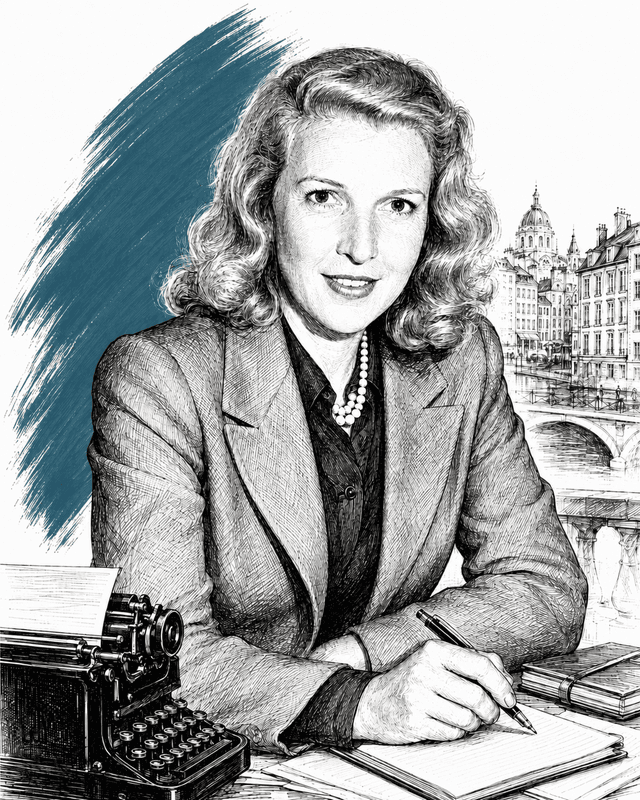
Martha Gellhorn
War correspondent who covered the Spanish Civil War, D-Day, and conflicts across five more decades; Hemingway's third wife, 1940–1945.
View author