
Ethel
A narrator whose absolute private logic makes reality and delusion difficult to separate.
To make the outside world conform to the identity and connections she knows with absolute private certainty.
The book

At a glance
- You Are Not I
- The Delicate Prey and Other Stories
- Mid-twentieth century
Who they are in the book
Spoiler-freeEthel escapes from a mental institution during confusion caused by a nearby accident. Rescue workers mistake her for an ordinary victim and take her to her sister’s home.
She narrates through connections that feel certain to her even when they frighten other people. Placing stones in injured or dead people’s mouths follows a private logic the story never translates.
Staying close to Ethel’s mind gives her final identity belief emotional force without requiring readers to accept it as ordinary fact. Bowles avoids treating her as a comic spectacle.
How Ethel Is Portrayed
- Place in the storyShe narrates from inside certainty, not from an awareness that her account appears disordered.
- How power worksInstitutional staff control where she can live and whose account counts as reality.
- What Bowles showsThe stones express meaning without an explanatory key.
- What remains uncertainThe story never supplies a neutral narrator who settles every question for the reader.
- “You are not I”The story opens on the sentence. No one but she could possibly be, she says, and she knows where she has been since she walked out of the gate during the train wreck.
- The wreck from the cyclone fenceThe girls ran down the bank at the noise and landed against the fence like a lot of monkeys. Mrs. Werth chewed on her crucifix and cried. Ethel became completely unimportant and walked out.
- “Take it easy, now, Miss Ethel”A man says it nervously, and she bows low to him. At least, she notes, he was polite.
After staff return Ethel to the institution, she believes that she and her sister exchanged identities and that the wrong woman is confined.
If you like The Delicate Prey and Other Stories


If you like Paul Bowles
Explore authors with a similar voice, perspective, and influence.
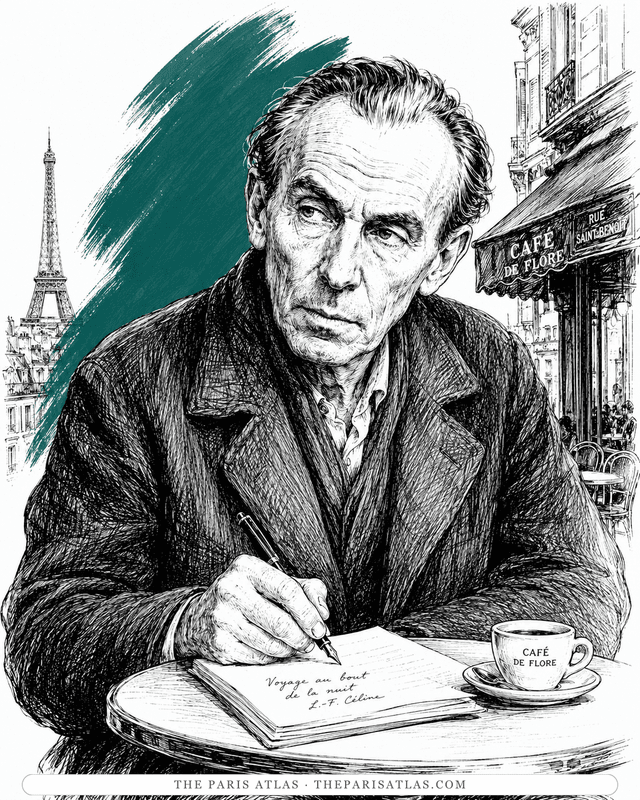
Louis-Ferdinand Céline
The doctor of the Paris slums who wrote the century's blackest, funniest novel — and changed the sound of French prose.
View author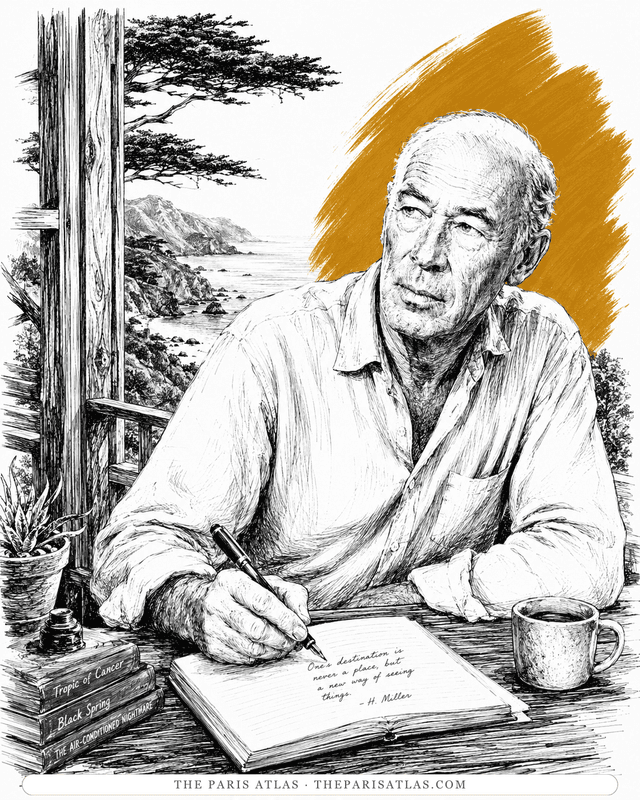
Henry Miller
The Brooklyn dropout who arrived in Paris broke at thirty-eight and wrote the exuberant, banned books that ended American censorship.
View author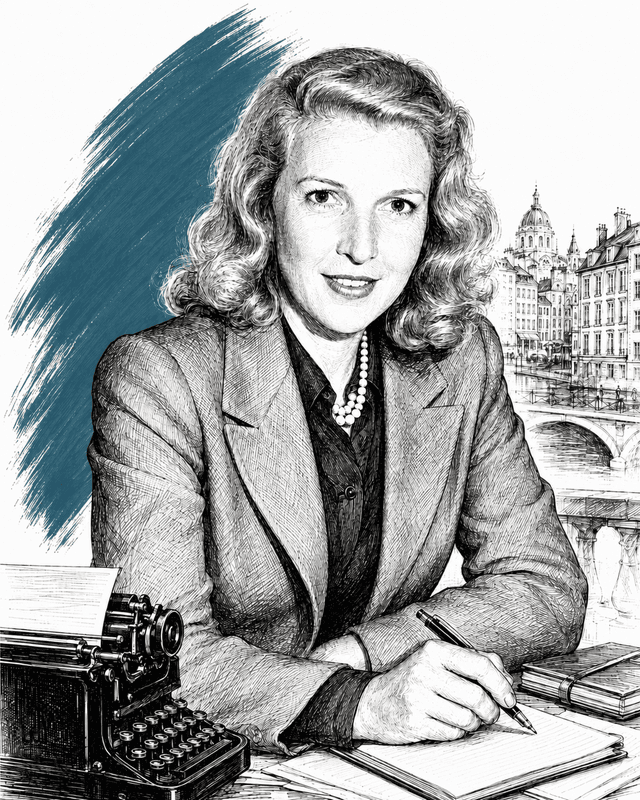
Martha Gellhorn
War correspondent who covered the Spanish Civil War, D-Day, and conflicts across five more decades; Hemingway's third wife, 1940–1945.
View author