
Roberto
A young ranch worker whose trust and employment are exposed to Chalía’s manipulation.
To continue his work and preserve Don Federico’s trust without becoming an object in Chalía’s private contest.
The book

At a glance
- At Paso Rojo
- The Delicate Prey and Other Stories
- Mid-twentieth century
Who they are in the book
Spoiler-freeRoberto is a young Indigenous worker on Don Federico’s ranch. The owner initially sees him through an idealized belief in the loyalty of the people who work for him.
Chalía’s attention puts Roberto in danger because she is the owner’s sister. What could look like flirtation between equals is instead shaped by employment, family authority, and class.
His role reveals how quickly a privileged visitor’s mood can become a material threat for someone whose livelihood depends on the family judging him.
How Roberto Is Portrayed
- Place in the storyHe belongs to the ranch’s working life rather than the visiting family’s protected world.
- How power worksDon Federico and Chalía can decide what his behavior means before he can defend it.
- What Bowles showsHis relative openness makes the family’s suspicion more destructive.
- What remains uncertainMost of what readers know about him is filtered through people with greater class power.
- “I am Roberto Paz, at your orders”He introduces himself with a politeness he does not feel, then repeats it with more assurance. Bowles marks the second effort.
- The machete and the gateHe rides ahead into the forest hacking at vines, and opens the gate without dismounting so that she can pass. “How nice it is here,” she says as she goes by him.
- The eyes of a man facing what he does not understandHe ties the horses to a tree and stands looking at her with, in Bowles’s phrase, the alert, hostile eyes of the Indian who faces what he does not understand.
Chalía engineers Roberto’s loss of Don Federico’s trust. The story gives him no equal means of repairing the damage.
If you like The Delicate Prey and Other Stories


If you like Paul Bowles
Explore authors with a similar voice, perspective, and influence.
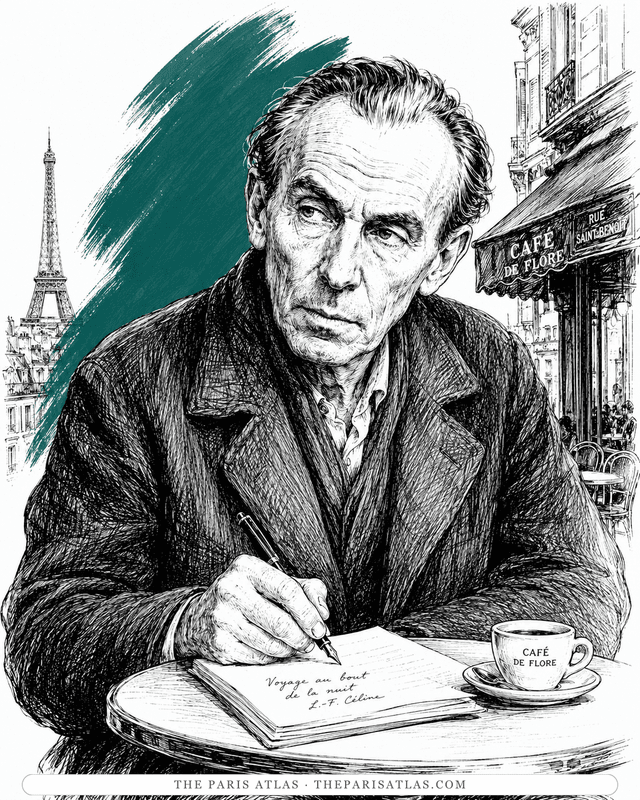
Louis-Ferdinand Céline
The doctor of the Paris slums who wrote the century's blackest, funniest novel — and changed the sound of French prose.
View author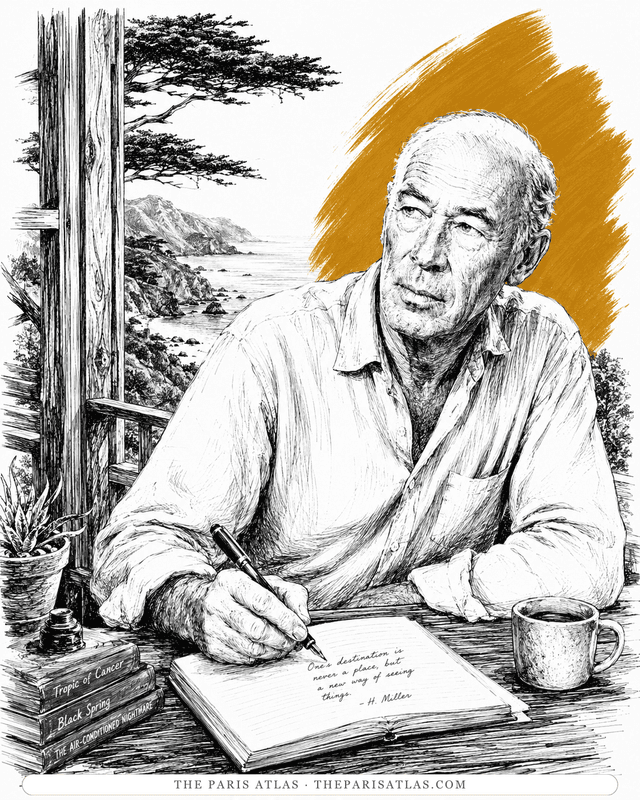
Henry Miller
The Brooklyn dropout who arrived in Paris broke at thirty-eight and wrote the exuberant, banned books that ended American censorship.
View author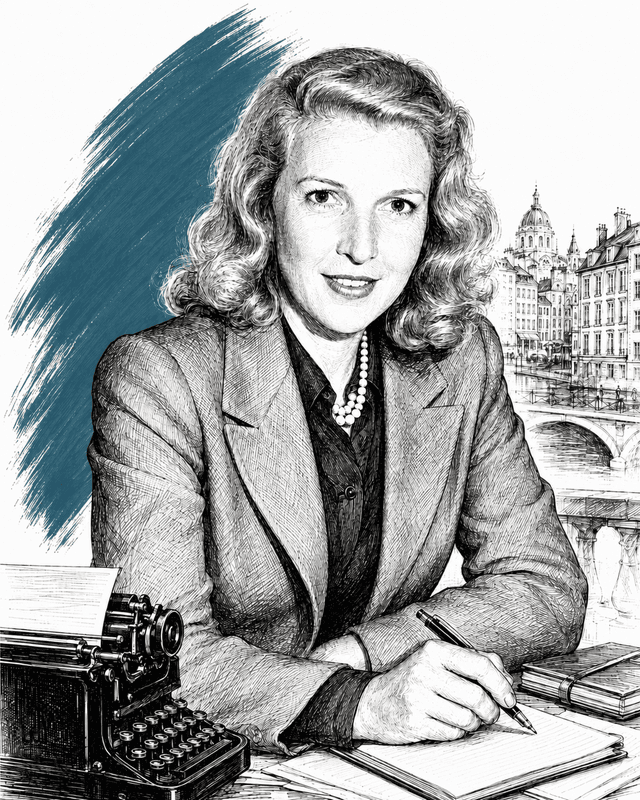
Martha Gellhorn
War correspondent who covered the Spanish Civil War, D-Day, and conflicts across five more decades; Hemingway's third wife, 1940–1945.
View author