
Amar
A traveler seeking relatives who survives danger through an unexpected friendship.
To find safety and belonging in an unfamiliar place, first through relatives and then through the companion who remains beside him.
The book

At a glance
- By the Water
- The Delicate Prey and Other Stories
- Mid-twentieth century
Who they are in the book
Spoiler-freeAmar comes to a colder unfamiliar city searching for distant relatives. Their absence leaves him without the family protection he expected.
Trouble at a public bath pushes him into flight with a streetwise boy who understands the city. Dependence begins in danger rather than planned friendship.
At the sea, Amar becomes physically vulnerable and the boy saves him. Bowles ends with affection and trust instead of turning dependence into betrayal.
How Amar Is Portrayed
- Place in the storyHe enters the city as a traveler whose expected family network fails to appear.
- How power worksThe unnamed boy holds the local knowledge Amar needs.
- What Bowles showsTrust develops through shared movement and practical rescue.
- What remains uncertainThe story leaves their future after the journey open rather than promising a permanent bond.
- Late winter, the storkThe melting snow drips from the balconies and a stork swoops low over the street, its legs dragging like sticks. Spring is on the way to confuse the heart, and he decides to visit the city where his father said there were cousins.
- “A bad town”He arrives after dark to a snowier, colder place where men walk with their heads bent and do not look up. He says it under his breath, proud to have come from somewhere larger.
- The bathHe steps into a dim tiled room where figures lie asleep in grey blankets and a group of men sit around a brazier drinking tea, and picks his way toward them without stepping on the sleepers.
When Amar is injured and nearly drowns, the boy keeps his head above water and saves him; their relationship ends in genuine affection.
If you like The Delicate Prey and Other Stories


If you like Paul Bowles
Explore authors with a similar voice, perspective, and influence.
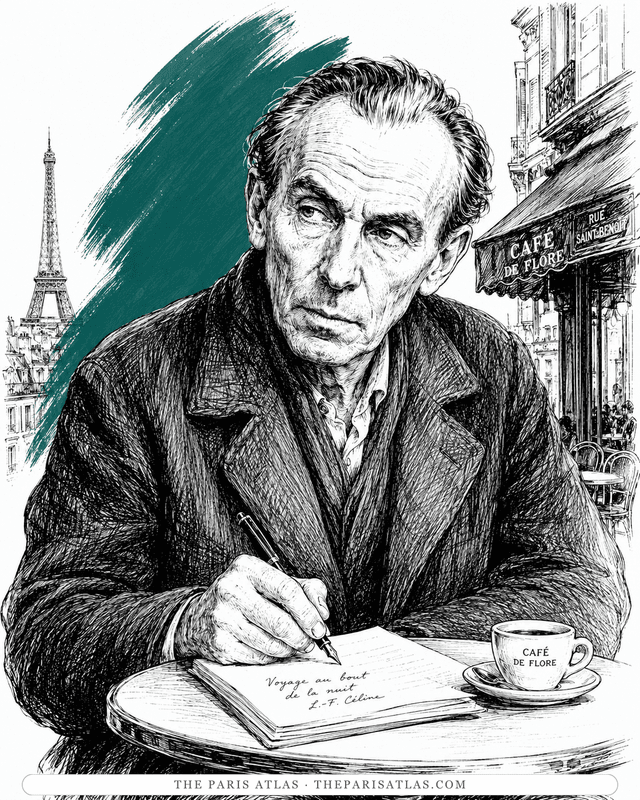
Louis-Ferdinand Céline
The doctor of the Paris slums who wrote the century's blackest, funniest novel — and changed the sound of French prose.
View author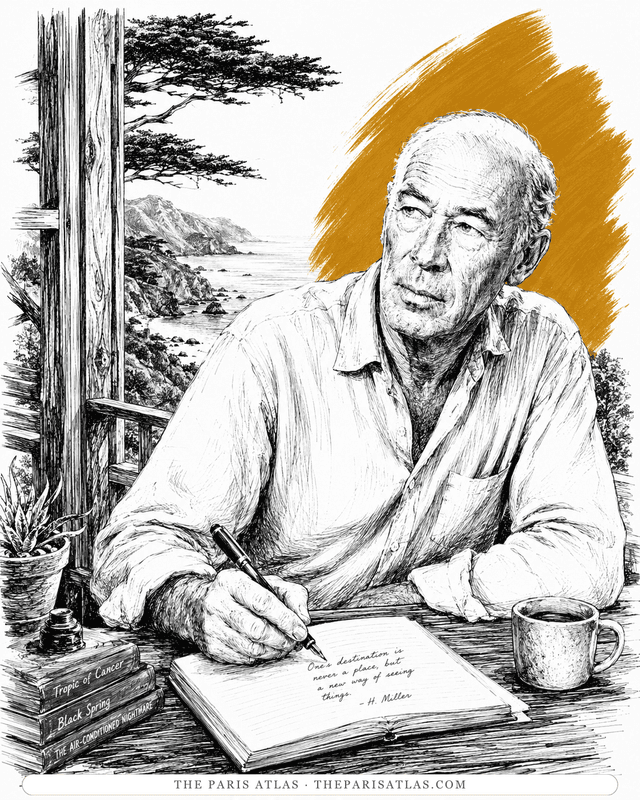
Henry Miller
The Brooklyn dropout who arrived in Paris broke at thirty-eight and wrote the exuberant, banned books that ended American censorship.
View author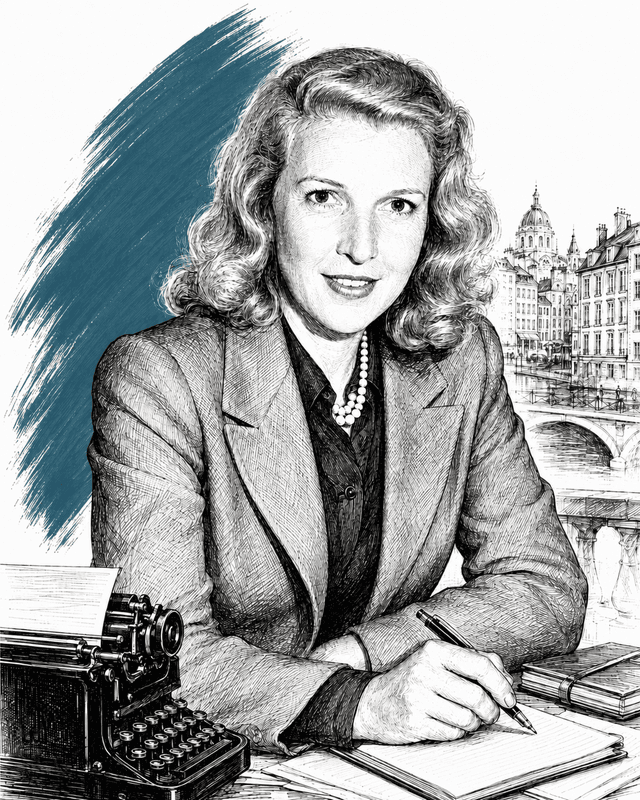
Martha Gellhorn
War correspondent who covered the Spanish Civil War, D-Day, and conflicts across five more decades; Hemingway's third wife, 1940–1945.
View author