
Mijd
A young Moroccan student who imagines a continuing bond with the departing writer.
To turn a temporary relationship with the American writer into a lasting connection that survives her departure.
The book

At a glance
- Tea on the Mountain
- The Delicate Prey and Other Stories
- Mid-twentieth century
Who they are in the book
Spoiler-freeMijd, whose name also appears as Mjid, is a young Moroccan student in the social circle around the American writer. Tangier is his continuing home, not a temporary literary setting.
He becomes emotionally attached and imagines letters and future contact. The possibility matters because he cannot move between Tangier and Paris with her ease.
His ill older brother and the taboo surrounding tuberculosis reveal family and cultural obligations the outsider’s temporary visit cannot fully absorb.
How Mijd Is Portrayed
- Place in the storyHe belongs to the city and the student circle the writer visits.
- How power worksThe foreigner’s mobility makes her interpretation of the relationship more decisive than his.
- What Bowles showsHope invested in letters turns future contact into emotional proof.
- What remains uncertainThe story does not show whether any promised correspondence can bridge the unequal lives after departure.
- “The poor man, he is dead”Of his father, said suavely but firmly. Now it is his brother who commands. The text spells him Mjid.
- Stilted theatre-French, spoken fastHe talks to her in a school French with less accent than his classmates, and is more serious and soft-eyed than any of them, and at the same time more eager and violent.
- “Go home. You’ll be beaten this evening.”He says it to a ragged child in the middle of a tirade, without looking at her. She is apologetic; he tells her she need not have looked to know the child was not of his family.
The writer leaves for Paris while Mijd remains imagining future letters; there is no equal plan that lets him follow her.
If you like The Delicate Prey and Other Stories


If you like Paul Bowles
Explore authors with a similar voice, perspective, and influence.
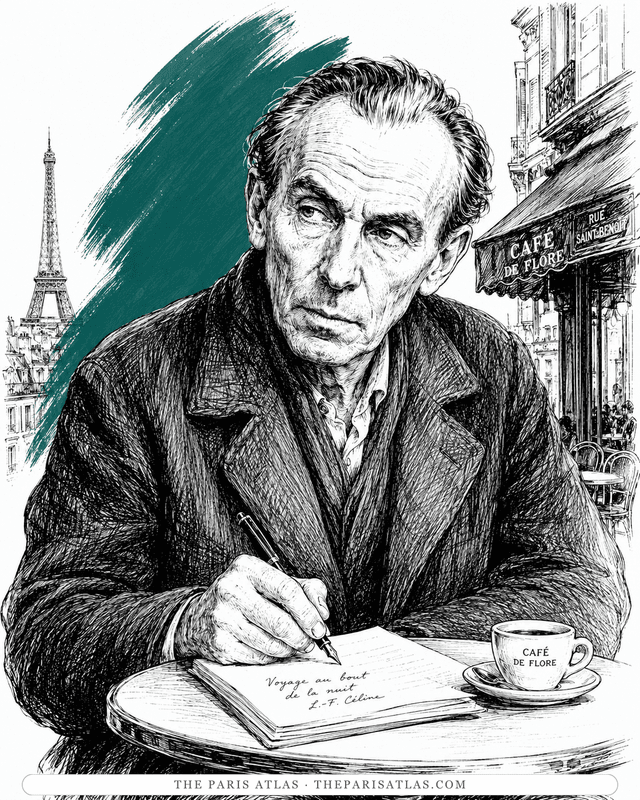
Louis-Ferdinand Céline
The doctor of the Paris slums who wrote the century's blackest, funniest novel — and changed the sound of French prose.
View author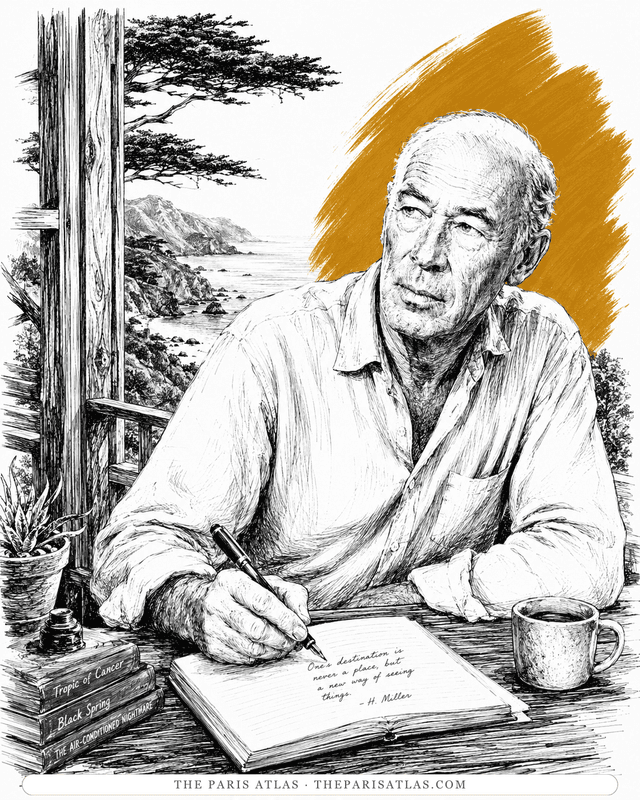
Henry Miller
The Brooklyn dropout who arrived in Paris broke at thirty-eight and wrote the exuberant, banned books that ended American censorship.
View author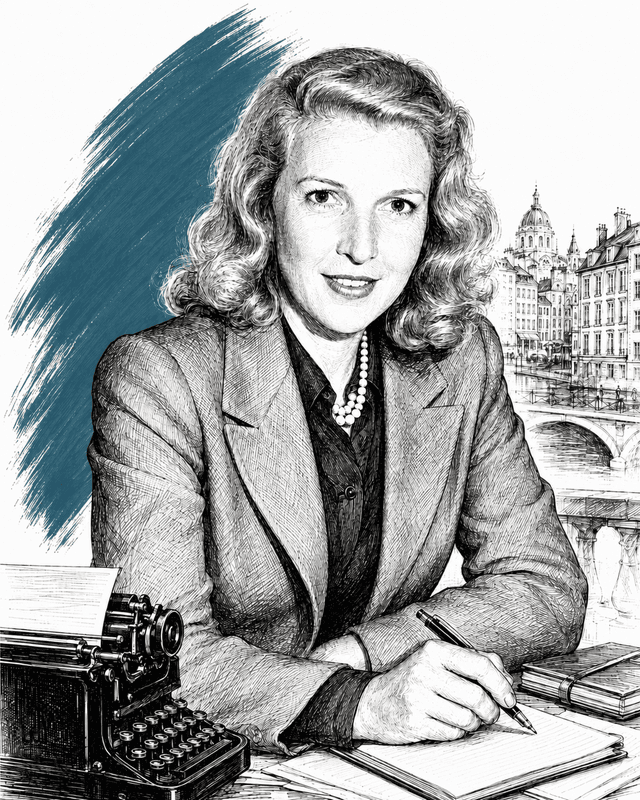
Martha Gellhorn
War correspondent who covered the Spanish Civil War, D-Day, and conflicts across five more decades; Hemingway's third wife, 1940–1945.
View author