
Atlájala
The bodiless consciousness that enters living creatures and learns sensation from within them.
To experience fuller forms of sensation and consciousness, even when human desire makes that experience unstable.
The book

At a glance
- The Circular Valley
- The Delicate Prey and Other Stories
- Mid-twentieth century
Who they are in the book
Spoiler-freeAtlájala inhabits the valley around an abandoned monastery without possessing an ordinary body. The consciousness enters animals and later human beings, borrowing their access to the physical world.
Movement toward human consciousness brings richer perception but also memory, desire, jealousy, and divided intention. Expansion becomes disturbance at the same time.
Rather than explain possession as a fixed supernatural mechanism, Bowles uses Atlájala to question where one self ends and another begins.
How Atlájala Is Portrayed
- Place in the storyAtlájala is the story’s point of view without being an ordinary embodied person.
- How power worksEntering another creature removes the normal boundary between observer and observed.
- What Bowles showsHuman jealousy complicates the earlier immediacy of animal sensation.
- What remains uncertainThe story keeps both Atlájala’s origin and the final limits of the consciousness unexplained.
- What the friars could not killIt lived in the monastery for centuries. The friars tried to destroy it, gave up and left, and the Indians who came after wondered why it allowed them to stay.
- Moving through the halls at dawnIn the early morning the restless Atlájala moves through the monastery, the dark rooms speeding past one after another, until it pauses where eager young trees have pushed up the paving.
- Becoming a young friarOne evening it aimlessly becomes one of the friars, and finds the sensation stifling, as though every other possibility had been removed. When the friar raises his arms to the sky, it feels opposition for the first time.
Atlájala’s movement into human experience makes identity less stable, not more complete; the story ends with the boundaries of self still unsettled.
If you like The Delicate Prey and Other Stories


If you like Paul Bowles
Explore authors with a similar voice, perspective, and influence.
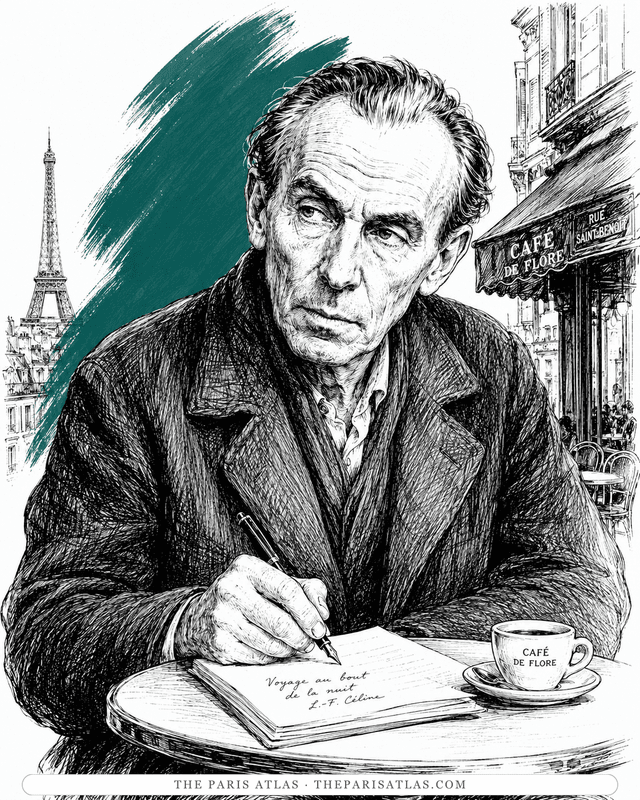
Louis-Ferdinand Céline
The doctor of the Paris slums who wrote the century's blackest, funniest novel — and changed the sound of French prose.
View author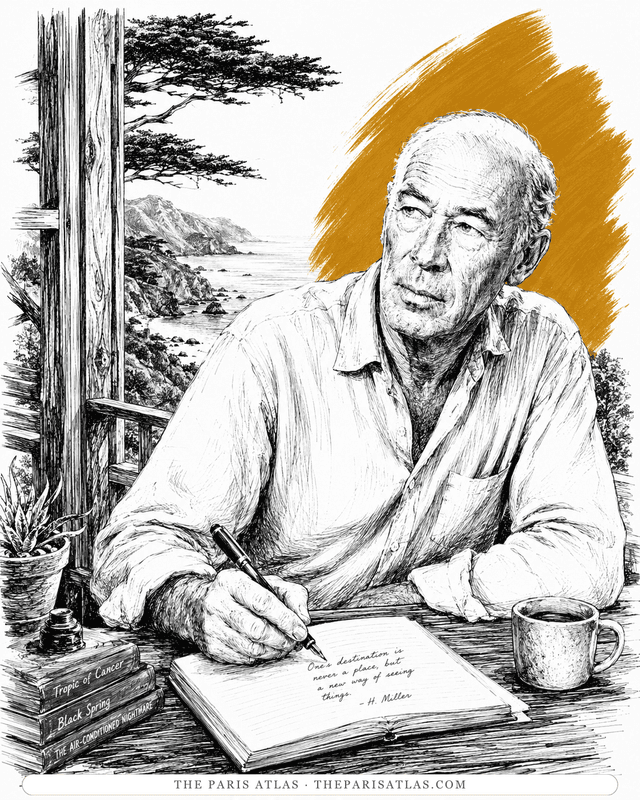
Henry Miller
The Brooklyn dropout who arrived in Paris broke at thirty-eight and wrote the exuberant, banned books that ended American censorship.
View author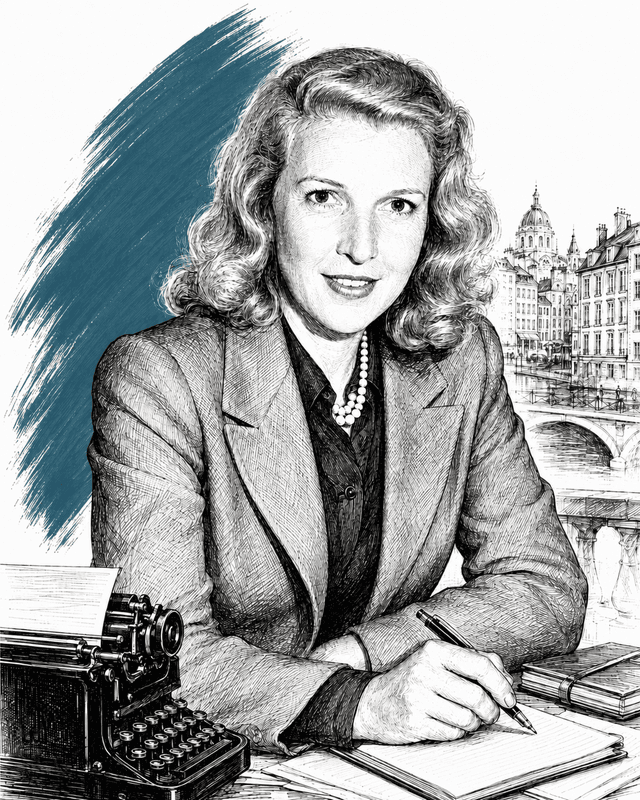
Martha Gellhorn
War correspondent who covered the Spanish Civil War, D-Day, and conflicts across five more decades; Hemingway's third wife, 1940–1945.
View author