
Chalía
The restless visitor who turns attraction and class power into deliberate harm.
To escape boredom and feel the power of acting on another person’s life without surrendering her own social protection.
The book

At a glance
- At Paso Rojo
- The Delicate Prey and Other Stories
- Mid-twentieth century
Who they are in the book
Spoiler-freeChalía visits her brother Don Federico’s Costa Rican ranch with her sister Lucha after their mother’s death. Boredom and resentment quickly attach themselves to Roberto, a young Indigenous worker.
Her attraction is never separate from class. She can observe Roberto, draw him into her attention, and influence how his employer sees him, while he cannot answer her from an equal position.
Bowles does not present her as a misunderstood romantic heroine. Her intelligence becomes dangerous because damaging Roberto gives her a sense of action without risking her own protected position.
How Chalía Is Portrayed
- Place in the storyShe arrives as Don Federico’s privileged sister, not as another ranch worker’s equal.
- How power worksFamily status lets her reshape Roberto’s reputation without facing the same consequences.
- What Bowles showsDesire, contempt, and boredom become difficult to separate in her behavior.
- What remains uncertainThe story explains her power more clearly than any single motive for using it cruelly.
- Just over forty, and never marriedShe and her sister Lucha had agreed never to marry while their mother lived. Now the old woman is dead and both are a little over forty, and Bowles opens the story on that fact.
- A poem on the upper verandaShe sits out in the night breeze putting off bed, with a French poem read on the train still in her head — the night that takes you with it, wraps you up and rolls you along.
- “Just a whim!”Asked why she has arranged to ride out when she has never ridden before, she laughs immoderately and spreads her decorated hands: “Just a whim!”
- The horse she lets boltAfter a small fall she springs up, mounts the nearer horse, cries “It’s the bad horse!” and lets it gallop off across the plain, delighted, leaving Roberto standing behind.
Chalía manipulates circumstances so that Don Federico loses his idealized trust in Roberto. Her social position protects her while the young worker absorbs the damage.
If you like The Delicate Prey and Other Stories


If you like Paul Bowles
Explore authors with a similar voice, perspective, and influence.
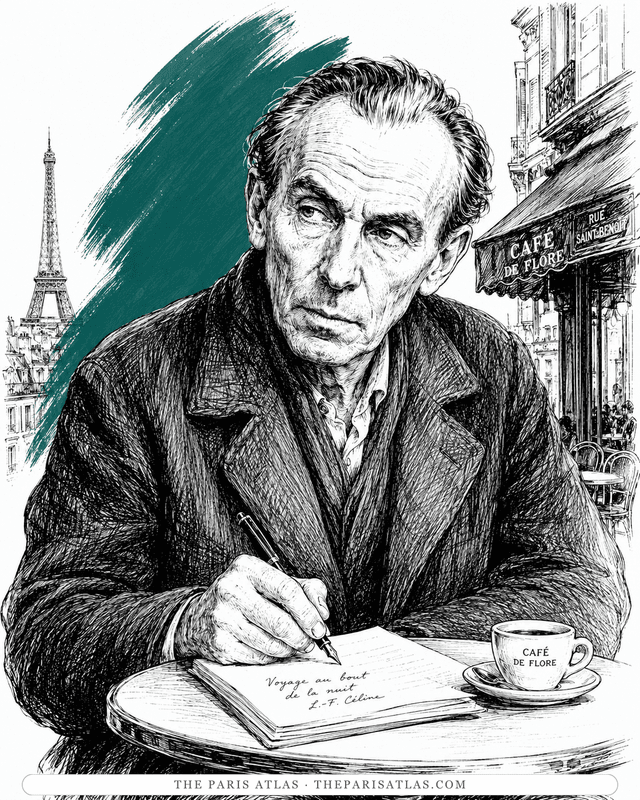
Louis-Ferdinand Céline
The doctor of the Paris slums who wrote the century's blackest, funniest novel — and changed the sound of French prose.
View author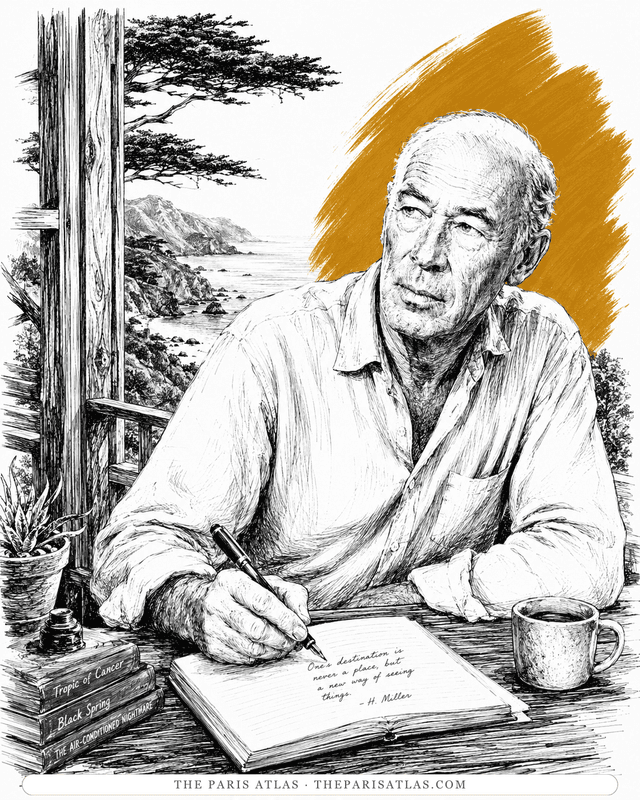
Henry Miller
The Brooklyn dropout who arrived in Paris broke at thirty-eight and wrote the exuberant, banned books that ended American censorship.
View author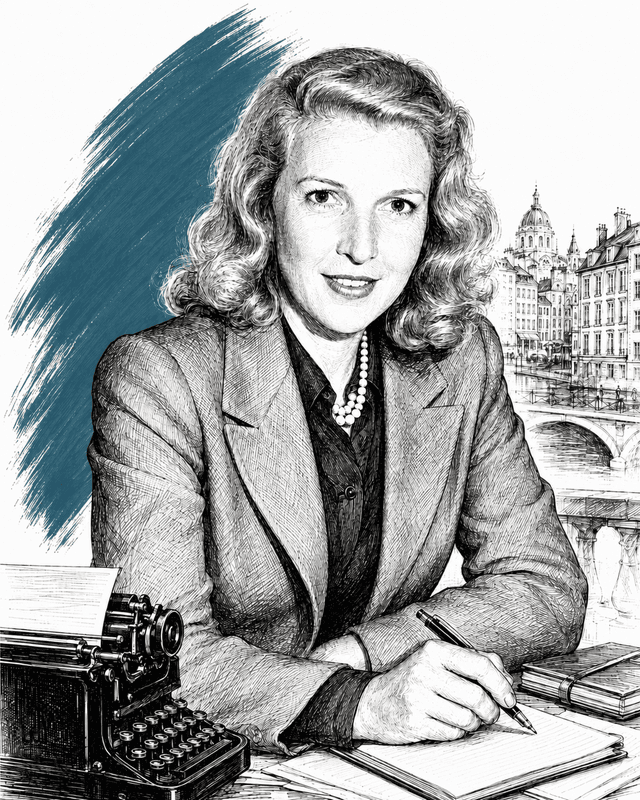
Martha Gellhorn
War correspondent who covered the Spanish Civil War, D-Day, and conflicts across five more decades; Hemingway's third wife, 1940–1945.
View author