
Ramón
An overlooked scullery boy whose concern for a bird brings him into the crew’s notice.
To be recognized by the crew as a person who belongs among them rather than as invisible labor below deck.
The book

At a glance
- The Fourth Day Out from Santa Cruz
- The Delicate Prey and Other Stories
- Mid-twentieth century
Who they are in the book
Spoiler-freeRamón works at the bottom of a ship’s hierarchy. His labor is necessary, but the sailors barely treat him as part of their social world.
An exhausted bird following the vessel gives everyone a shared concern. Ramón’s decision to bring the cat into the situation makes his presence matter to the men.
Bowles allows recognition to become generous rather than punitive. Ramón remains himself; the crew simply begins treating him as someone who belongs.
How Ramón Is Portrayed
- Place in the storyHis low job makes him nearly invisible despite constant work.
- How power worksThe crew controls entry into the social circle he wants to join.
- What Bowles showsHis attention to the bird and cat gives him an active role in a shared drama.
- What remains uncertainThe story does not promise lasting equality beyond the small change on deck.
- Signed on at CadizThe ship’s first call is Santa Cruz de Tenerife, a day and a half out. “It must have been raining here,” he says to a crewman, who grunts, and later does not even grunt.
- Sixteen, and disregardedAs scullery boy in the third-class kitchen he has known harder work, but not this. The sailors cover his bunk with their clothes and behave as if he did not exist. He has been maltreated before, never disregarded.
- The stern at nightPartly out of grievance, partly to be alone, he walks to the stern and leans on the rail. It is pleasant to walk by the sea-wall of a foreign port at night with the autumn wind at your back.
The crew finally acknowledges Ramón and invites him into their company, giving the collection one of its rare uncomplicated movements toward companionship.
If you like The Delicate Prey and Other Stories


If you like Paul Bowles
Explore authors with a similar voice, perspective, and influence.
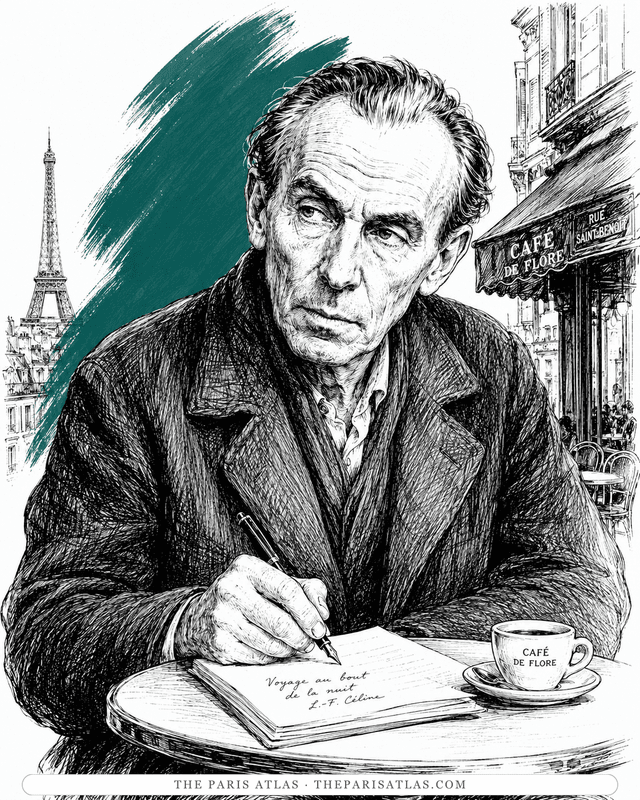
Louis-Ferdinand Céline
The doctor of the Paris slums who wrote the century's blackest, funniest novel — and changed the sound of French prose.
View author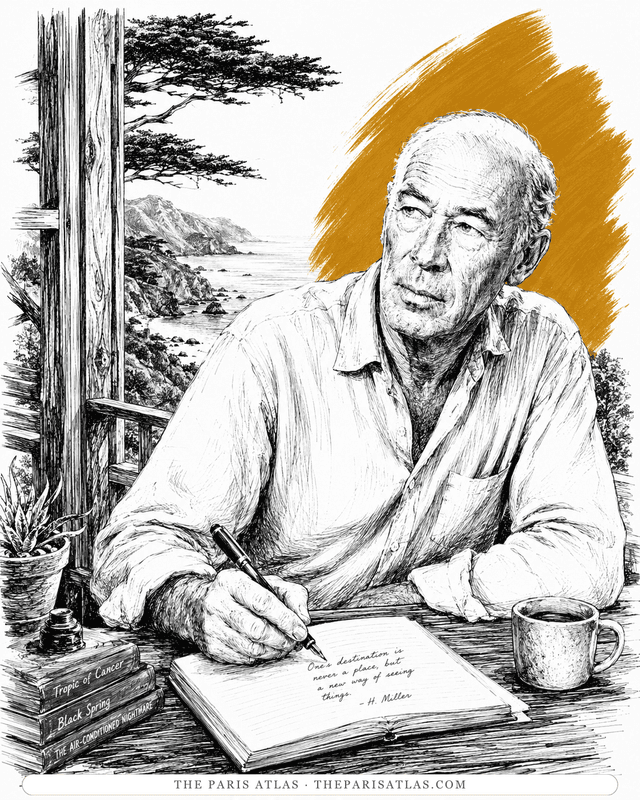
Henry Miller
The Brooklyn dropout who arrived in Paris broke at thirty-eight and wrote the exuberant, banned books that ended American censorship.
View author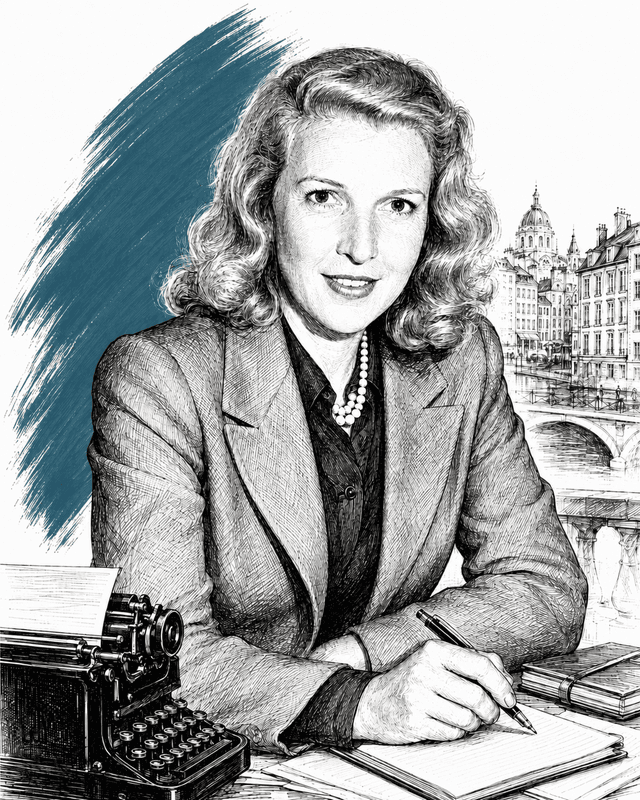
Martha Gellhorn
War correspondent who covered the Spanish Civil War, D-Day, and conflicts across five more decades; Hemingway's third wife, 1940–1945.
View author