
Prue
The mother’s forceful companion, whose taunts make Aileen’s visit unbearable.
To protect her central place in the household and prevent Aileen’s arrival from rearranging the life she shares with Aileen’s mother.
The book

At a glance
- The Echo
- The Delicate Prey and Other Stories
- Mid-twentieth century
Who they are in the book
Spoiler-freePrue lives with Aileen’s mother in Colombia and occupies the position of daily companion, ally, and gatekeeper. The household already belongs to the life they built together.
She does not merely fail to welcome Aileen. Prue identifies her vulnerabilities and reminds her that biological relationship does not guarantee emotional priority.
She may be protecting the household, enjoying dominance, resenting the visitor, or acting from all three impulses. The effect of her cruelty is clearer than any single motive.
How Prue Is Portrayed
- Place in the storyShe behaves as someone certain the household will support her over the visitor.
- How power worksSocial confidence lets her wound Aileen without immediately appearing threatened.
- What Bowles showsAileen’s mother gives her power by refusing to oppose her.
- What remains uncertainThe story leaves the private nature of the women’s bond and Prue’s deepest motive unstated.
- “Sublimely happy here”Aileen’s mother writes that she and Prue find Jamonocal absolute heaven after Washington. Prue never could stand the States.
- The kiln in the guest houseShe has rigged up a studio in the old guest house and works at her ceramics all day, while Aileen’s mother keeps house. The letter breaks off just before saying what Prue is.
- Afraid of the State DepartmentShe was nervous about a rumoured law that would stop citizens leaving the country, which is one reason the two women went south when they did.
Prue’s taunting helps drive Aileen toward violence and departure; the household remains with Prue and the mother after Aileen leaves.
If you like The Delicate Prey and Other Stories


If you like Paul Bowles
Explore authors with a similar voice, perspective, and influence.
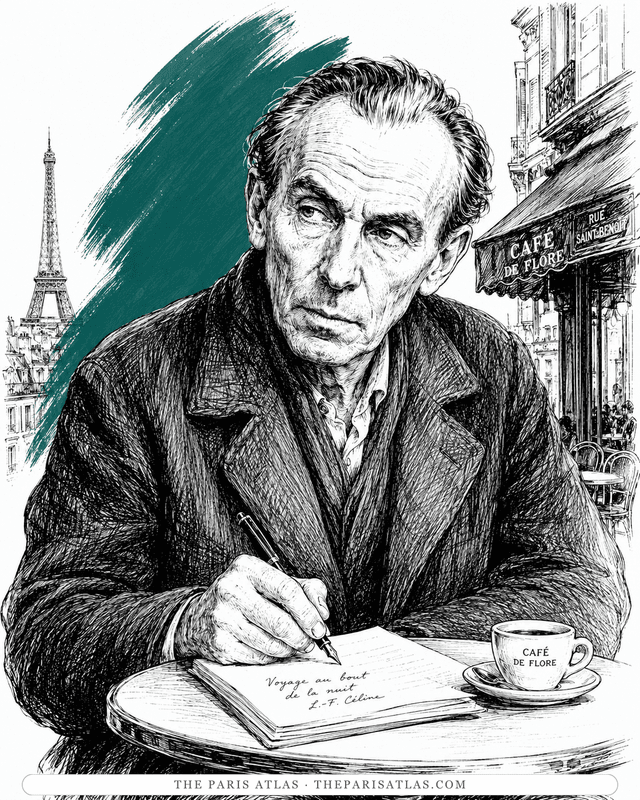
Louis-Ferdinand Céline
The doctor of the Paris slums who wrote the century's blackest, funniest novel — and changed the sound of French prose.
View author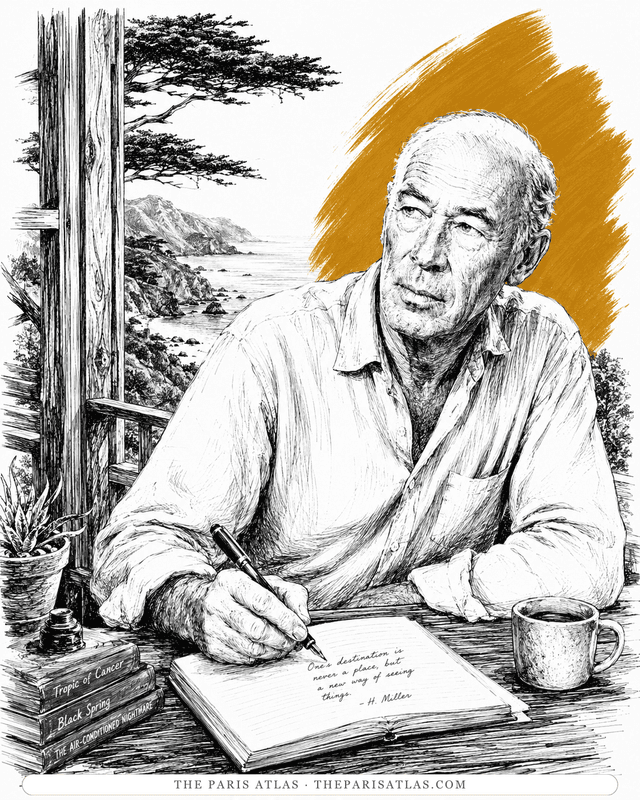
Henry Miller
The Brooklyn dropout who arrived in Paris broke at thirty-eight and wrote the exuberant, banned books that ended American censorship.
View author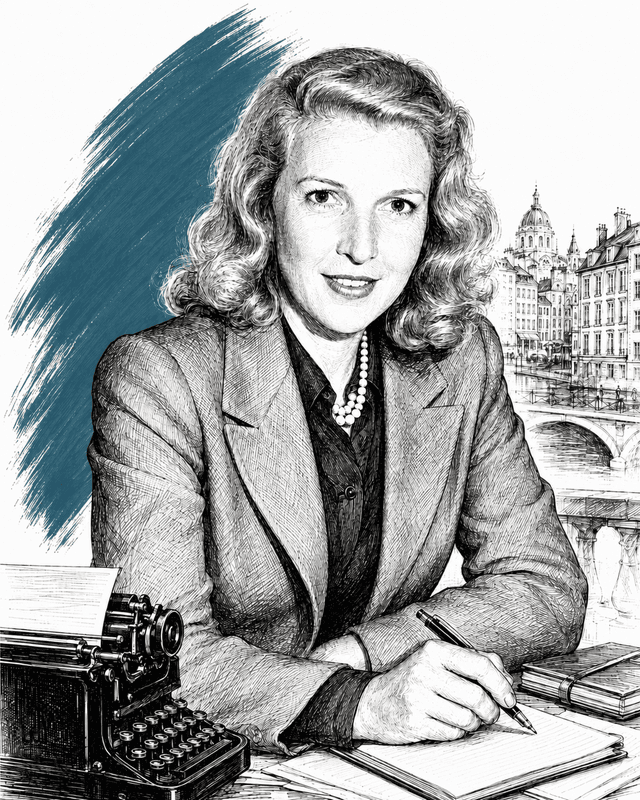
Martha Gellhorn
War correspondent who covered the Spanish Civil War, D-Day, and conflicts across five more decades; Hemingway's third wife, 1940–1945.
View author